That first breath underwater is something you never forget. It’s equal parts exhilarating and, let’s be honest, a little nerve-wracking. You’re surrounded by gear, your instructor is giving you signals, and you’re trying to remember a dozen things at once. I’ve been teaching new divers for over a decade, and I can tell you that the gap between feeling awkward and feeling like a graceful aquatic explorer is smaller than you think. It comes down to mastering a few core beginner diving techniques, practiced step by step. This guide won’t just list the skills; it’ll explain the *why* behind them and point out the subtle mistakes most courses rush past.
What You'll Learn
Getting Friendly with Your Gear: The Pre-Dive Ritual
Think of your scuba unit as an extension of your body. If you don’t know how it works, you’ll fight it the whole dive. The first beginner diving technique isn't even in the water—it's on the surface, during setup.
Most new divers just watch their instructor assemble the BCD (Buoyancy Control Device) and tank. Big mistake. You need to get your hands dirty. Ask to practice clipping the tank band, connecting the regulator hose to the tank valve, and doing the pre-dive safety check (often called BWRAF: BCD, Weights, Releases, Air, Final OK).
Here’s the subtle error I see constantly: people check that air is flowing from their primary regulator (the one in their mouth) but neglect their alternate air source (the octopus). They give it a quick puff. Don’t just puff. Breathe from it for three full breaths on the surface. Is the airflow easy? Does the mouthpiece feel okay? This is the regulator you or your buddy will use in an emergency. You need to know it works *for breathing*, not just for puffing.
Essential Pre-Dive Skills Every Beginner Must Master
The confined water session of your course is where muscle memory is built. These aren't just boxes to tick; they're your survival toolkit.
| Skill | Common Teaching Method | The "Why" & The Subtle Error |
|---|---|---|
| Mask Clearing | Tilt head back, press top of mask frame, exhale through nose. | The goal isn't to blast all water out in one go. The error is exhaling too hard, which can break the seal. Exhale gently and continuously until the water is just below your nose. A small amount left is fine. It teaches you to be comfortable with water in your mask. |
| Regulator Recovery | Sweep arm back or use the purge button. | Everyone practices finding the hose over their shoulder. The missed step? Practice recovering it *without looking*, by feel alone. In low visibility, panicking and looking down for your regulator is a fast track to losing buoyancy control. |
| Buoyancy Check at Surface | Deflate BCD, take a normal breath, and see if you float at eye level. | Most people do this with a half-full lung. You should do it with lungs *half-empty*. Why? When you're stressed underwater, your breathing pattern changes. You might exhale and sink unexpectedly. Checking with less air in your lungs gives you a safer weight margin. |
I remember a student in Egypt who could clear her mask perfectly in the pool. In the Red Sea, with colder water touching her face, she’d instinctively inhale sharply through her nose the moment water touched her skin. We had to re-train the reaction. The lesson? Practice skills under slightly stressful conditions—like in slightly cooler water or with a task to do simultaneously.
The Art of the Descent: Your First Big Test
You're at the surface, you give the "OK" signal, and you start to go down. This is where many first dives get uncomfortable, all because of one thing: ear equalization.
The advice "equalize early and often" is good, but vague. Here’s the concrete, step-by-step technique that works for 95% of new divers:
1. The Signal: Hold the anchor line or descent rope with one hand. With the other, pinch your nose through your mask skirt.
2. The Action: *Before* you feel any pressure, try to gently blow air out of your closed nose. You should feel a "pop" or fullness in your ears.
3. The Rhythm: Do this every single foot you descend for the first 15 feet. Literally. One equalization for every hand-over-hand motion down the line.
4. The Stop: If pressure builds and it won't clear, STOP. Ascend a foot or two until the pressure relieves, try again. Forcing it is how you hurt your eardrum.
As you descend, keep adding small bursts of air to your BCD to offset the compression of your wetsuit and the loss of buoyancy. This is a feel thing, but start by adding a quick half-second press of the inflator button every 10 feet.
Moving, Breathing, and Staying Put Underwater
You're on the bottom. Congratulations. Now the real fun begins—and the most common source of frustration: buoyancy control.3>Breathing is Your Buoyancy Control
Your lungs are your primary buoyancy device. Inhale deeply, you rise. Exhale fully, you sink. The BCD is for coarse adjustments; your breath is for fine-tuning. The beginner mistake is breathing shallow, panicked breaths. This creates a yo-yo effect. Focus on taking slow, deep breaths from your diaphragm. A good rhythm is a 4-second inhale, a 4-second exhale. Watch the bottom. If you start to rise on your inhale, you're perfectly neutral.
Finning Technique: Don't Bike Pedal
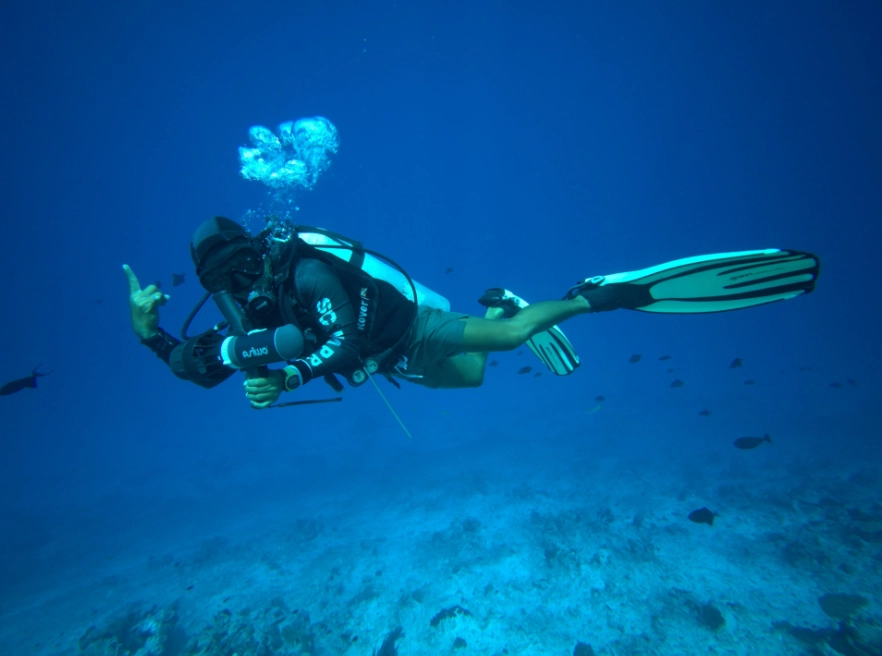
Look at a fish. It moves its whole body. Your fins are an extension of your legs. The flutter kick should originate from your hips, with gentle, relaxed knees. The error is bending the knees too much and "bicycling." This pushes water vertically, stirring up silt (annoying everyone) and wasting energy. Practice by lying flat on the pool floor and kicking without bending your knees at all, then introduce just a slight flex.
The Hover: The Ultimate Test of Control
This is the skill that separates new divers from competent ones. To hover:
1. Find neutral buoyancy so you're neither rising nor sinking.
2. Assume a slightly head-up position, like you're sitting in a recliner.
3. Use tiny, sculling motions with your hands near your hips to stabilize.
4. Let your breath control your minor ups and downs.
Most courses don't give enough time to practice this. On your own, dedicate entire pool sessions to hovering in one spot, then hovering while looking at something on the bottom. It transforms your diving.
The Safe Ascent: How to End Every Dive Right
An uncontrolled ascent is one of the biggest risks in diving. The rule is simple: ascend slower than your smallest bubbles. A good visual is to follow a specific bubble from your exhale all the way to the surface.
The Step-by-Step Safe Ascent:
1. Signal your buddy and instructor: "Up" thumb.
2. Look up and around for boats or obstructions.
3. Begin your ascent by gently kicking upward. Do not just inflate your BCD and shoot up.
4. At 15 feet (5 meters), make a mandatory safety stop for 3 minutes. Hold onto a line or hover. This allows your body to off-gas excess nitrogen.
5. From 15 feet to the surface, take at least one full minute. That's painfully slow for most beginners, but it's critical.
6. As you surface, extend one hand above your head for protection.
Always keep an eye on your dive computer or depth gauge. It's your impartial judge of speed. If your computer beeps angrily, you're going too fast.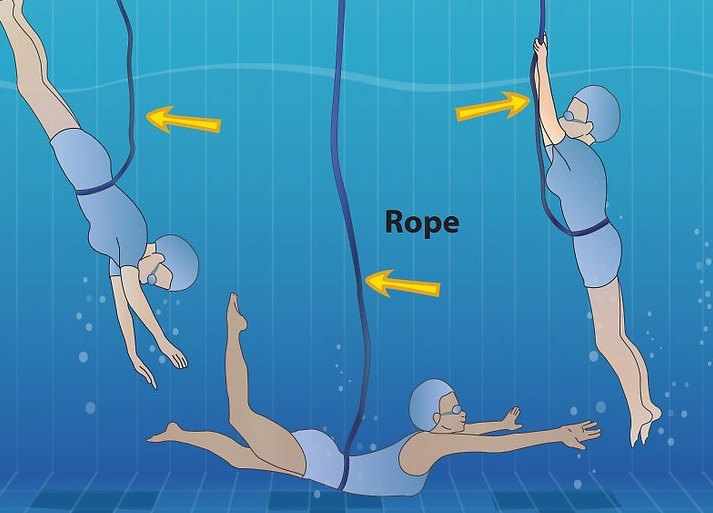
Your Beginner Diving Questions, Answered
 Is the PADI Open Water Diver certification from a local quarry as good as one from a tropical destination?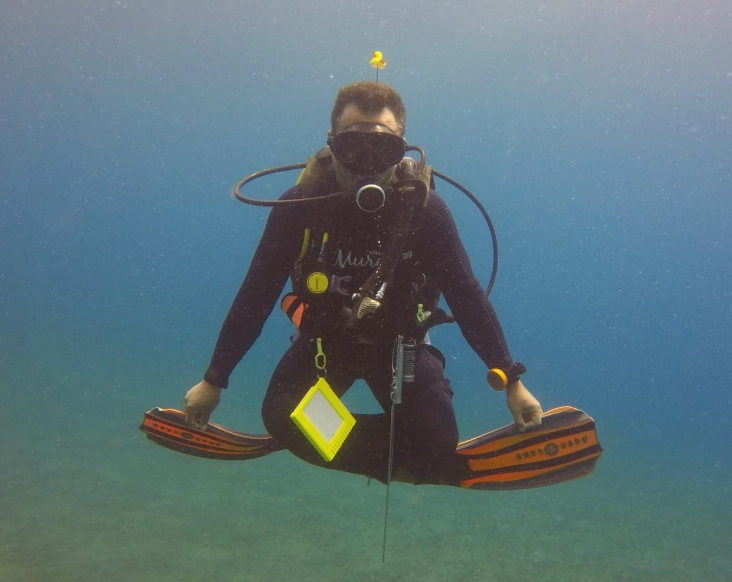



Comments