That first time you sink beneath the surface and breathe underwater isn't just cool—it changes how you see the world. I remember mine, in a murky quarry in the UK. It was cold, the visibility was terrible, but the feeling of weightlessness and that rhythmic sound of my own breathing was pure magic. If you're reading this, you're probably thinking about trying scuba diving. Good. Let's cut through the glossy brochure talk and get into the real steps, costs, and decisions you need to make. Forget the complex jargon for now. Learning to dive is a straightforward process of gaining skills and confidence in a controlled, safe manner. This guide walks you through everything from that initial curiosity to planning your first proper dive trip.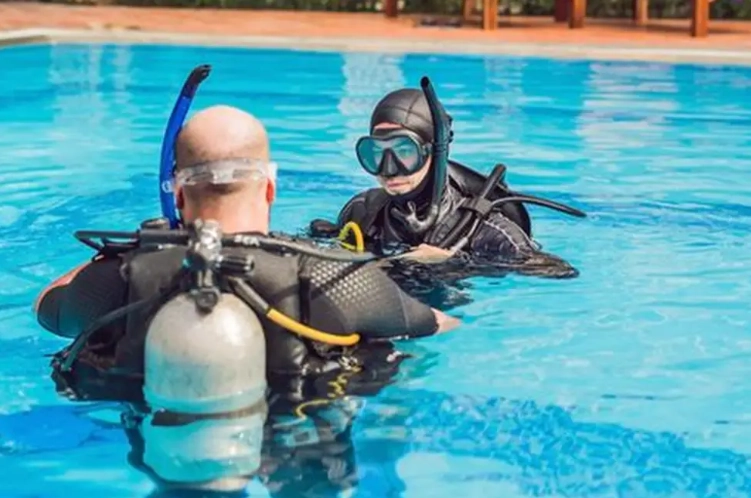
Your Quick Dive Guide
- Why You Should Actually Learn to Scuba Dive
- The Absolute First Step (It's Not Buying Gear)
- Essential Scuba Gear for Beginners: What You Need to Know
- How to Choose the Right Scuba Diving Course
- Planning Your First Real Dive Trip
- Safety Tips Most Beginners Don't Think About
- Your Scuba Diving Questions, Answered
Why You Should Actually Learn to Scuba Dive
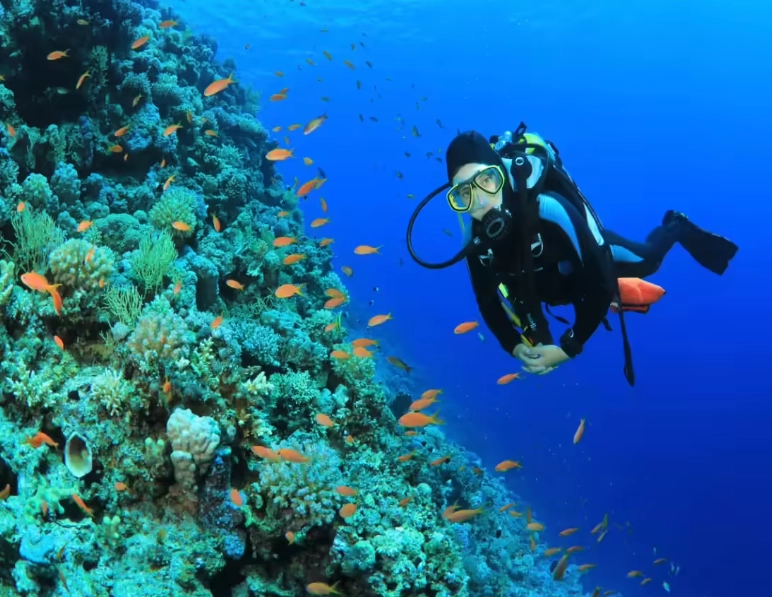
It's more than just seeing fish. Diving is a passport to 71% of the planet most people never experience. It's silent (except for your bubbles), weightless, and demands a focus that shuts off everyday noise. You'll visit shipwrecks that are time capsules, swim through canyons of coral, and maybe even have a curious sea turtle check you out.
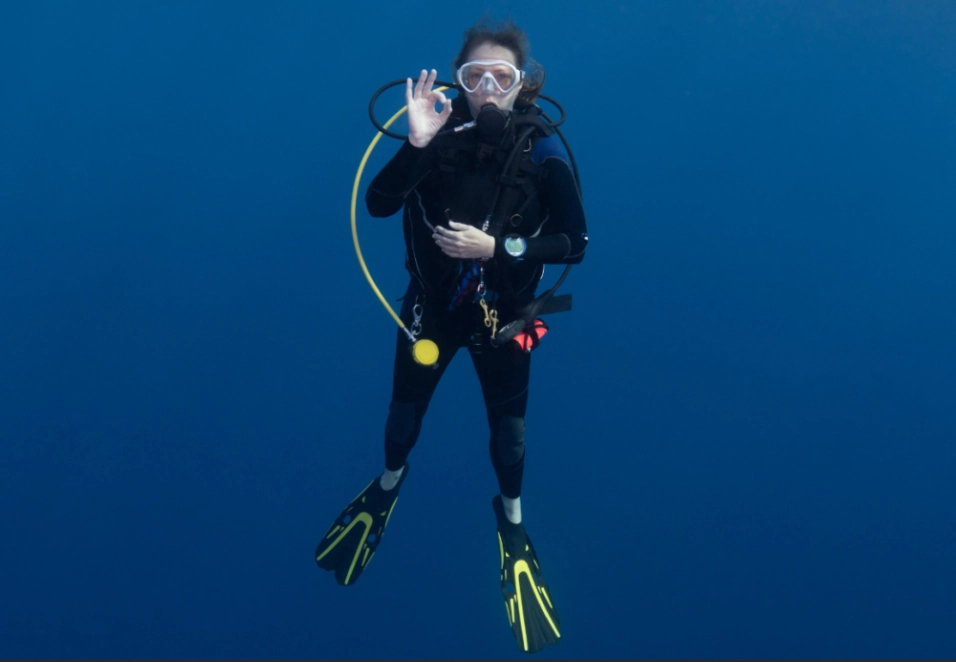
But let's be honest, it's also a skill. It teaches you buoyancy control (like flying underwater), basic physics, and a heightened awareness of your body and environment. The community is global—flash an OK sign to another diver anywhere in the world, and you share an instant connection.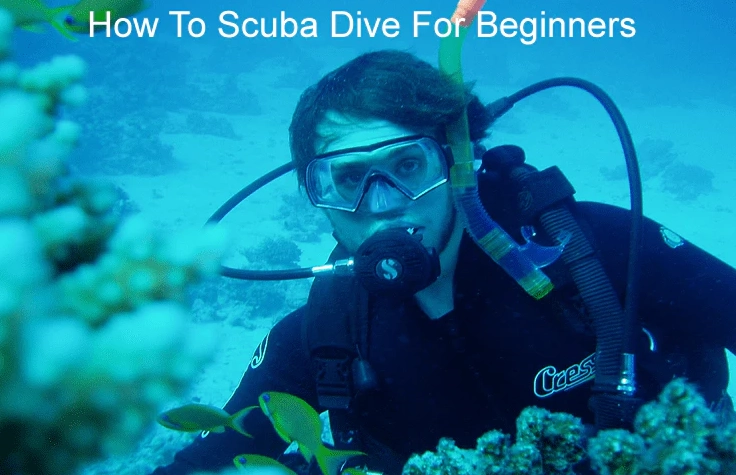
The Absolute First Step (It's Not Buying Gear)
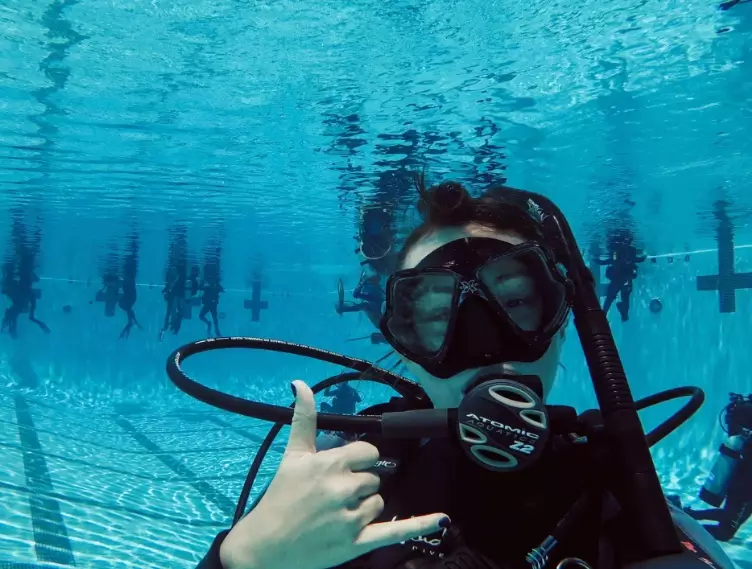
Do not walk into a dive shop and buy a full set of equipment. Your first move is a Discover Scuba Diving (DSD) experience or a try-dive in a pool. This is a half-day session where an instructor gets you in confined water (a pool or very calm, shallow beach) with basic gear. You'll learn to breathe from a regulator and get a feel for being underwater.
It costs between $80 and $150. Think of it as a test drive. Do you panic when water touches your mask? Does the breathing sensation freak you out? Better to find out in a pool for a hundred bucks than after committing to a full course. Most reputable dive centers, like those affiliated with PADI or SSI, offer these.
Pro Tip from a Decade of Teaching: The biggest hurdle isn't skill; it's anxiety. People hold their breath without realizing it or fight to stay at the surface. In your try-dive, focus solely on making your exhalations long and slow. The inhale will happen naturally. If you can master relaxed breathing from the start, 90% of the perceived difficulty vanishes.
Essential Scuba Gear for Beginners: What You Need to Know
As a beginner, you'll rent most gear. But knowing what you're using is crucial. Here’s the breakdown of the core scuba kit, what it does, and what you might consider buying first.
| Piece of Gear | What It Does | Beginner Purchase Priority & Notes |
|---|---|---|
| Mask | Creates an air space so you can see clearly underwater. Must seal on your face. | HIGH. A proper fit is personal. Try many. A foggy, leaking rental mask ruins dives. Expect to pay $50-$120. |
| Snorkel | Lets you breathe face-down on the surface without wasting tank air. | MEDIUM. Simple is best. Avoid complex dry-top snorkels that can fail. A basic J-tube ($20-$40) is reliable. |
| Fins | Provides propulsion. Different styles for different kicking techniques. | MEDIUM-HIGH. Well-fitting fins prevent blisters. Open-heel fins with booties are standard for colder water. $80-$200. |
| Exposure Suit (Wetsuit) | Keeps you warm. Thickness (3mm, 5mm, 7mm) depends on water temperature. | LOW (initially). Rent to learn what thickness you prefer. A good fit is key—too loose lets in water, too tight restricts breathing. |
| Buoyancy Control Device (BCD) | The jacket/wing you wear. Holds the tank, and you inflate/deflate it to ascend/descend. | LOW. Complex and expensive ($500+). Rent different models during training to find your preference. |
| Regulator | Your lifeline. Reduces high-pressure tank air to breathable pressure and delivers it to you. | MEDIUM (after certification). Reliability is everything. Servicing is required annually. Entry-level sets start around $400. |
| Dive Computer | The brain. Tracks your depth, time, and calculates safe ascent profiles to prevent decompression sickness. | HIGH (after a few dives). Renting means learning a new interface each time. Owning one you understand vastly improves safety and dive planning. $250-$600+. |
Note: Prices are approximate for entry-level, reliable gear. Always prioritize fit and function over bells and whistles.
My first personal purchase was a mask, fins, and a dive computer. Having my own mask that never leaked and a computer I was familiar with made my early dives infinitely more comfortable and confident.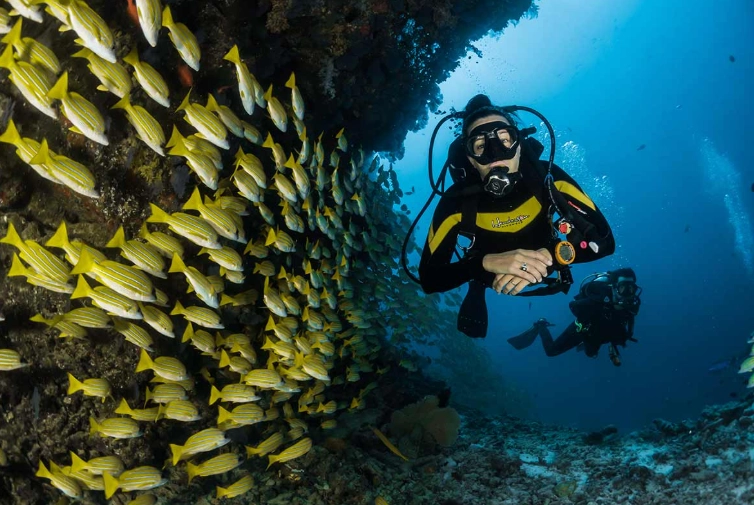
The One Gear Mistake Every New Diver Makes
They overweight themselves. Instructors often give new students too much lead weight to keep them firmly on the bottom during training. When you go on your first real dive, you might carry that habit over. Being over-weighted makes you sink like a stone, fight to get off the bottom, and burn through air. A proper buoyancy check at the surface (hovering with an empty BCD and a full breath) is non-negotiable. Don't be shy to ask your guide for a check and to remove weight if needed.
How to Choose the Right Scuba Diving Course
The global standard entry-level certification is the Open Water Diver course. It's offered by several agencies, with PADI and SSI being the most widespread. They're largely equivalent—your choice should be based on the instructor, not the agency logo.
The course has three parts:
- Knowledge Development: Online e-learning or classroom sessions covering theory, physics, physiology, and procedures.
- Confined Water Dives: Typically in a pool, where you learn and practice all fundamental skills (clearing a flooded mask, recovering a regulator, etc.).
- Open Water Dives: Four dives over two days in a real dive environment (ocean, lake, quarry) to demonstrate the skills you've learned.
Cost: A full Open Water Diver course typically ranges from $450 to $800. This usually includes e-learning, all rental gear, pool fees, and the open water training dives. Destination courses (where you do the theory and pool at home, then the open water dives on vacation) can affect the price.
How to pick an instructor/shop: Read reviews, yes. But also call or visit. Ask: "What's your student-to-instructor ratio in the water?" (4:1 is ideal, 8:1 is the max). "Can I meet the instructor before signing up?" A good shop will be happy to chat. You want someone patient, clear, and safety-obsessed, not a bored dive bum rushing you through.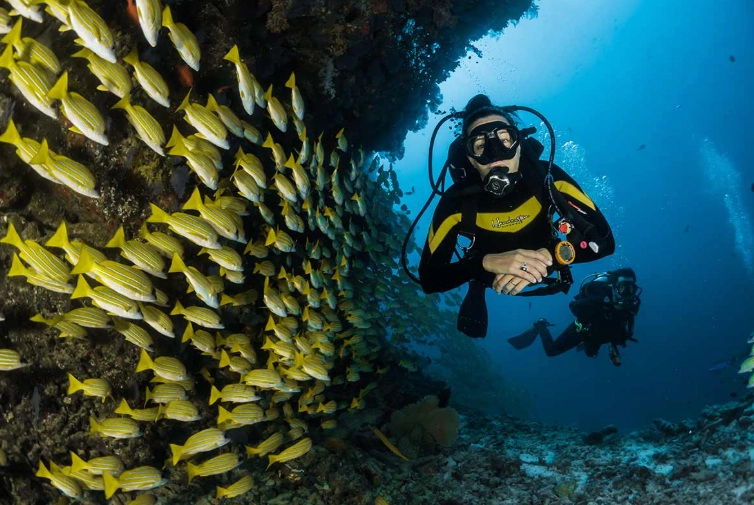
Planning Your First Real Dive Trip
You're certified! Now what? Your first post-certification dives should be easy, warm, and clear. Avoid challenging conditions like strong currents or cold, dark water immediately.
Here are three classic beginner-friendly dive destinations, each with a different vibe:
1. The Caribbean (e.g., Roatán, Honduras, or Bonaire)
Why it's great: Warm water (78-84°F/26-29°C year-round), excellent visibility (60-100ft/18-30m), generally calm conditions. Tons of dive resorts catering to new divers.
Logistics: Fly into international airports (RTB for Roatán, BON for Bonaire). Many resorts offer all-inclusive dive packages. A week-long trip with 10 dives can range from $1,500 to $2,500 per person, excluding flights.
My take: Bonaire is shore-diving heaven—you can dive on your own schedule right off the beach. Roatán has stunning walls just offshore. Both are perfect for building experience.
2. The Red Sea (Sharm el-Sheikh, Egypt)
Why it's great: Incredible marine life and coral reefs accessible from day boats. Water is warm in summer, mild in winter. Very affordable compared to the Caribbean.
Logistics: Fly into SSH airport. Stay in Na'ama Bay. Dive boats leave daily. A week with 10 boat dives can be as low as $1,000-$1,800 for diving and accommodation.
Caveat: Some dive sites have currents, which you should avoid as a brand-new diver. Tell the dive center you're a new Open Water diver and request easy sites like "Ras Um Sid" or "Temple."
3. Southeast Asia (Koh Tao, Thailand)
Why it's great: The budget king. Arguably the cheapest place in the world to get certified and dive. Friendly, shallow bays perfect for beginners.
Logistics: Fly to Bangkok, then a train/ferry or domestic flight to Koh Samui + ferry. It's a journey. A dive package here can be incredibly cheap ($300-$500 for a week of diving).
My negative: It can feel like a diver factory. Reefs are heavily dived and some show damage. It's great for cost and social life, but not for pristine, untouched reefs.
Safety Tips Most Beginners Don't Think About
Beyond the standard "don't hold your breath" and "ascend slowly," here are subtler points.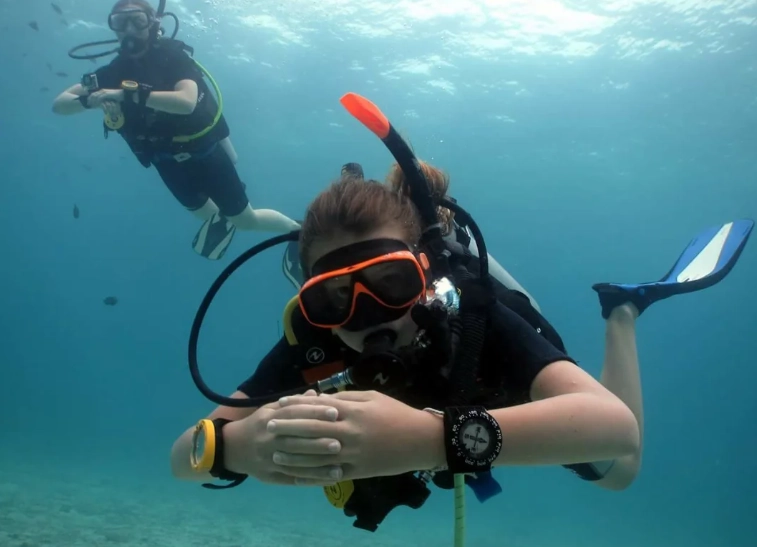
Hydration is a safety issue. Breathing dry compressed air is dehydrating. Being dehydrated increases your risk of decompression sickness ("the bends") and leads to fatigue. Drink plenty of water the day before and the day of diving. Avoid alcohol the night before.
Listen to your body, not just your computer. Your dive computer gives a no-decompression limit. That's a theoretical maximum. If you're cold, tired, or anxious at 20 minutes, end the dive. The best divers are conservative divers.
The real danger is often the surface. More incidents happen on the surface—waves, boat traffic, exhaustion—than at depth. Inflate your BCD fully at the surface, keep your mask on, and use your snorkel to conserve energy while waiting for the boat.
Your Scuba Diving Questions, Answered
 Is scuba diving dangerous? What are the actual statistics?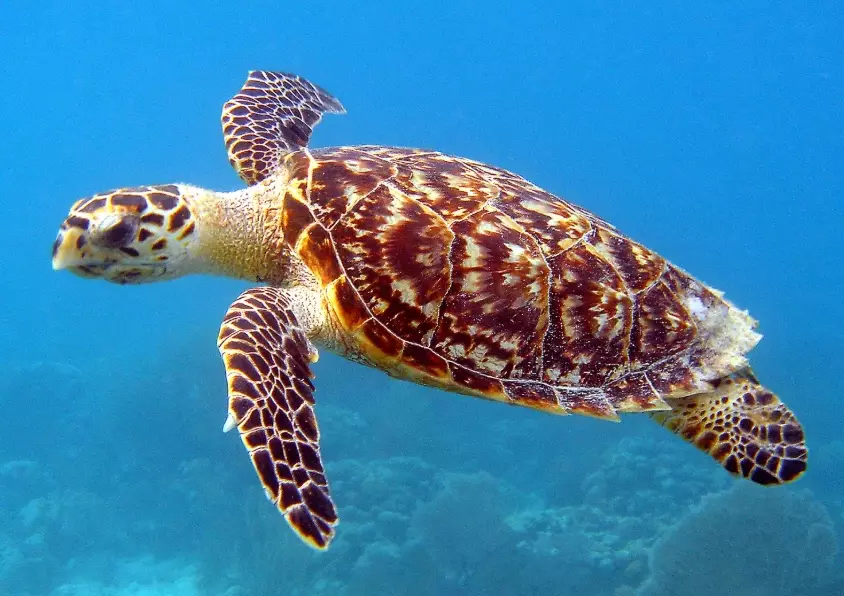


Comments