Diving into a pool looks easy until you try it and end up with a painful belly flop. I've been there – my first attempt sent water up my nose and left me embarrassed. But after years of coaching and personal practice, I've broken down the process into simple, actionable steps. This guide will teach you how to dive safely, whether you're a total beginner or looking to refine your technique. Let's get straight to it: proper diving prevents injuries and boosts your swimming confidence.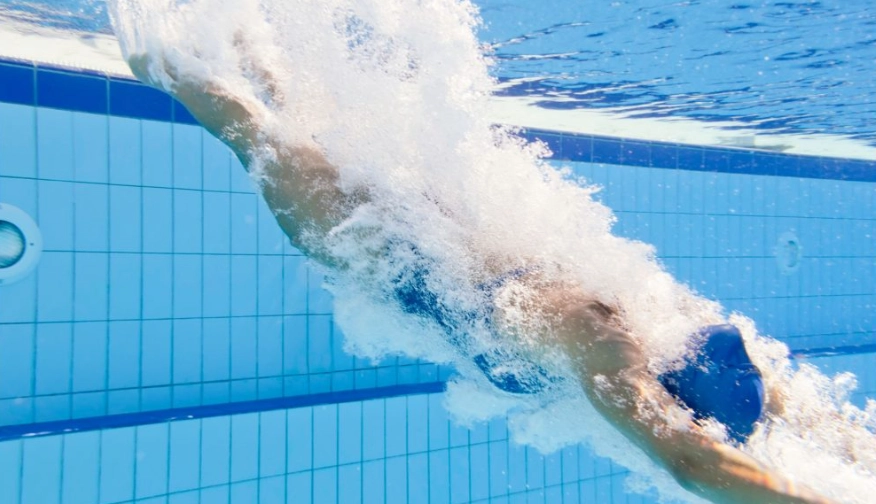
Quick Navigation: What You'll Learn
Why Learning to Dive Properly Matters
Most people think diving is just about jumping in headfirst. It's not. A bad dive can lead to injuries like spinal strain or smacking the water too hard. I've seen beginners avoid diving altogether because of fear, which limits their swimming enjoyment. According to the International Swimming Federation (FINA), proper technique reduces accident risks by over 70%. So, investing time in learning correct steps pays off – you'll enter the water smoothly, conserve energy for swimming, and feel more in control.
Before You Dive: Essential Preparations
You can't just run and jump. Preparation sets the stage for a safe dive. Start by checking the pool depth. This is non-negotiable. For beginners, always dive in water at least 9 feet deep – anything shallower increases the risk of hitting the bottom. I once coached a kid who dived into a 5-foot pool; thankfully, he only got a scare, but it could have been worse.
Assessing Pool Depth
Look for depth markers on the pool edge. If they're missing, ask the lifeguard. Never assume. Here's a quick reference table based on FINA safety standards:
| Pool Depth (feet) | Recommended Diving Type | Risk Level |
|---|---|---|
| Less than 5 | No diving – enter feet first | High |
| 5 to 8 | Knee dive or shallow dive with caution | Medium |
| 9 or more | Full headfirst dive (safe for beginners) | Low |
Next, warm up your body. Spend 5 minutes doing light stretches: arm circles, leg swings, and torso twists. Cold muscles are prone to cramps. I always do a quick jog in place to get my heart rate up – it makes the dive feel more natural.
Mental Readiness
Fear holds many back. Take a few deep breaths and visualize a smooth entry. Stand at the pool edge and get comfortable. If you're nervous, start with a seated dive from the side – it's less intimidating. A friend of mine conquered her fear by practicing first in a shallow end with a coach spotting her.
The Core Diving Technique: Breaking It Down
This is the meat of the guide. Follow these steps in order. Don't rush; each part builds on the previous one.
Starting Position
Stand at the pool edge with your toes curled over. Feet should be together, arms extended straight above your head, palms facing down. Your body forms a straight line from fingers to toes. Lean forward slightly, but keep your core tight. A common error is arching the back – it causes belly flops. I tell my students to imagine a rod along their spine.
The Approach
For a running dive, take 3-5 steps. Start slow, then accelerate. On the last step, push off with your dominant foot. For a standing dive, simply shift your weight forward. The key is momentum – too little and you'll plop, too much and you might over-rotate. Practice on dry land first to get the feel.
The Takeoff
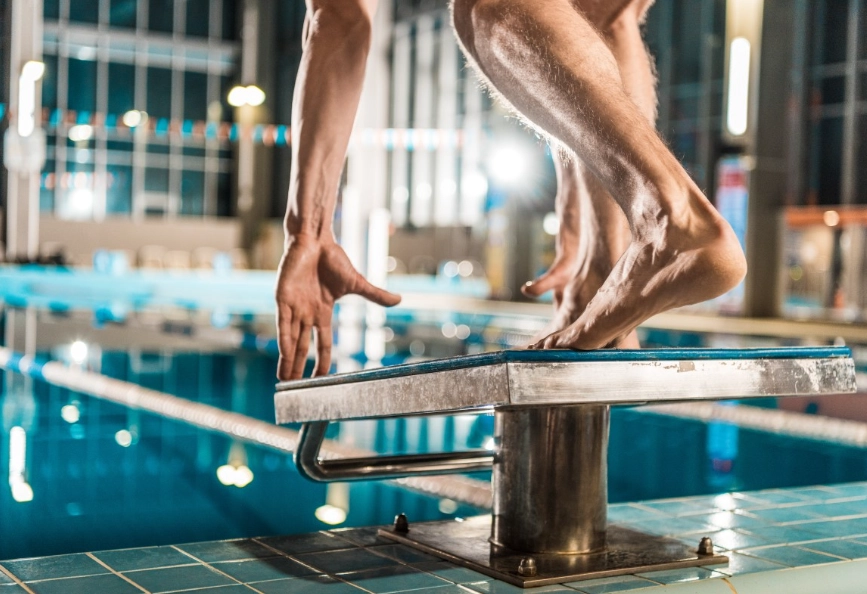
As you push off, drive your arms downward and forward. Your head should be between your arms, eyes looking at the entry point. Legs stay straight and together. This generates lift. I see beginners often jump upward instead of forward – that leads to a vertical crash. Aim for a shallow, angled entry.
Entry and Glide
Enter the water hands first, followed by head, torso, and legs. Keep your body streamlined to reduce splash. Once submerged, glide for a few seconds before starting to swim. This conserves energy. A pro tip: exhale slightly through your nose during entry to prevent water from rushing in. My first successful dive felt effortless because I focused on this glide phase.
Expert Insight: Many guides miss this – your fingers should be together and pointed, not splayed. It cuts through water cleaner, reducing resistance. I learned this from an Olympic diver who emphasized hand position as a game-changer.
Common Diving Mistakes (And How to Fix Them)
Everyone makes errors. Here's how to spot and correct them quickly.
- Belly Flop: Caused by arching the back or entering too flat. Fix: Tighten your core and aim for a steeper angle. Practice on a soft surface first.
- Over-rotation: You flip and land on your back. Fix: Control your arm movement – don't throw them too forcefully. Keep your head neutral.
- Feet Splitting Apart: Creates drag and looks sloppy. Fix: Squeeze your legs together during takeoff. Use a kickboard between your knees for drills.
- Entering Too Deep: Risks hitting the bottom. Fix: Adjust your angle based on pool depth. In shallow pools, opt for a knee dive.
I recorded myself diving and noticed I was lifting my chin – a subtle mistake that disrupted my streamline. Reviewing footage can help.
Taking Your Dive to the Next Level
Once you've mastered basics, try these to improve efficiency and style.
Pike Dive
Bend at the waist during flight, then straighten before entry. It adds control and is used in competitive diving. Start from a standing position to avoid complexity.
Running Dive Refinement
Increase your steps to 7 for more speed. Time your last step so it's explosive. Watch professional swimmers like those in FINA competitions – their approach is rhythmic and powerful.
Entry Perfection
Aim for a "rip entry" with minimal splash. This requires precise hand alignment and body tension. It's not just for show; it reduces water impact, making it easier on your joints. I spent weeks practicing this in a local pool, adjusting my finger position millimeter by millimeter.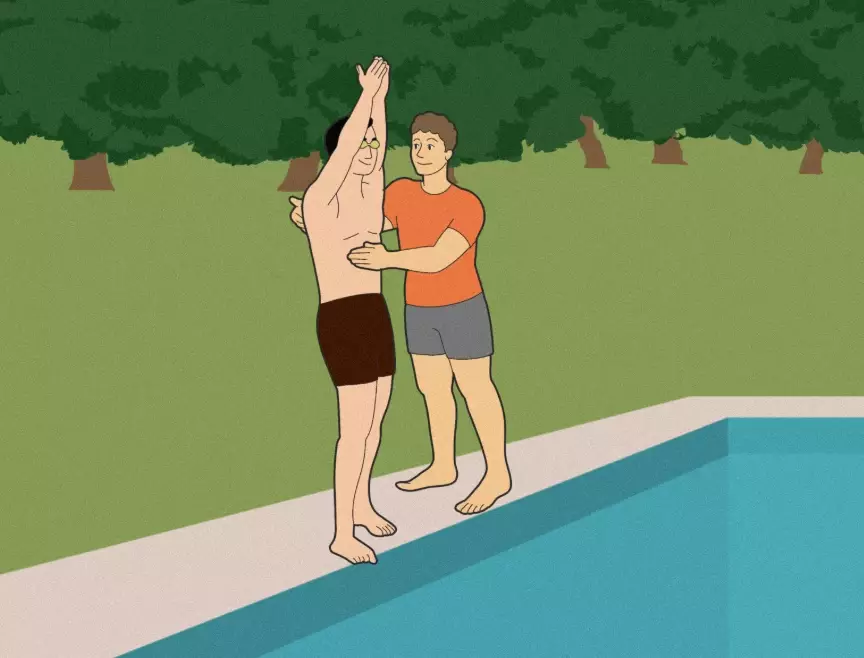
Safety Checklist: Never Skip These
Safety isn't optional. Run through this list every time you dive.
- Confirm pool depth is at least 9 feet for headfirst dives. >Check for obstacles like lane ropes or other swimmers.
- Ensure the area is clear of debris.
- Have a spotter or lifeguard present if you're a beginner.
- Wear appropriate swimwear – avoid loose clothes that can snag.
- Don't dive after eating a heavy meal; wait 30 minutes.
- If you feel dizzy or tired, stop immediately.
The Red Cross emphasizes these points in their water safety guidelines. I've seen too many near-misses from ignored safety steps.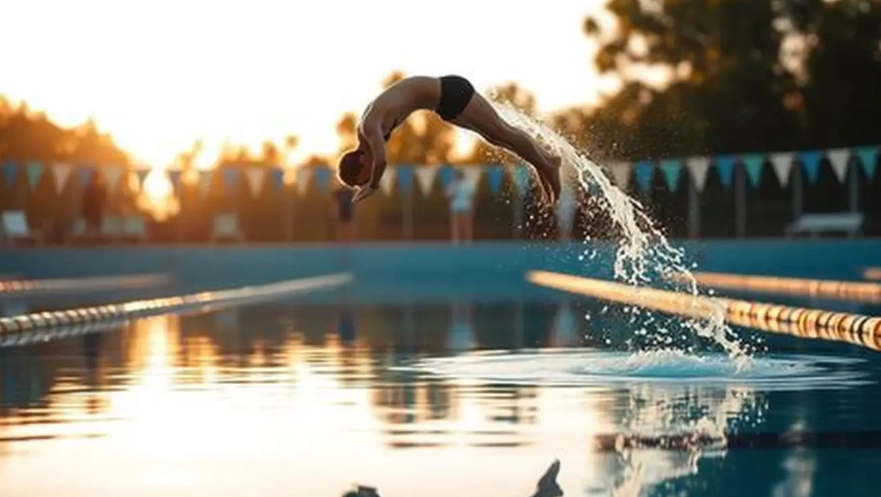
Frequently Asked Questions
 Diving into a pool step by step isn't just about following instructions – it's about building a habit of safety and precision. Start slow, respect the water, and enjoy the process. With practice, you'll be diving smoothly and confidently in no time.

Comments