Deep water diving opens up a world most never see. Wrecks resting in the gloom, dramatic walls plunging into the abyss, and the chance to encounter pelagic life. But that extra depth comes with real, physical consequences that a casual reef dive doesn't. This isn't just about going deeper; it's about a fundamental shift in your approach, planning, and mindset. If you treat a 100-foot dive like a 60-foot dive, you're flirting with trouble. I learned that the hard way years ago on a dive in the Bahamas where poor gas planning left me with a much tighter margin than I was comfortable with. Let's make sure you're better prepared.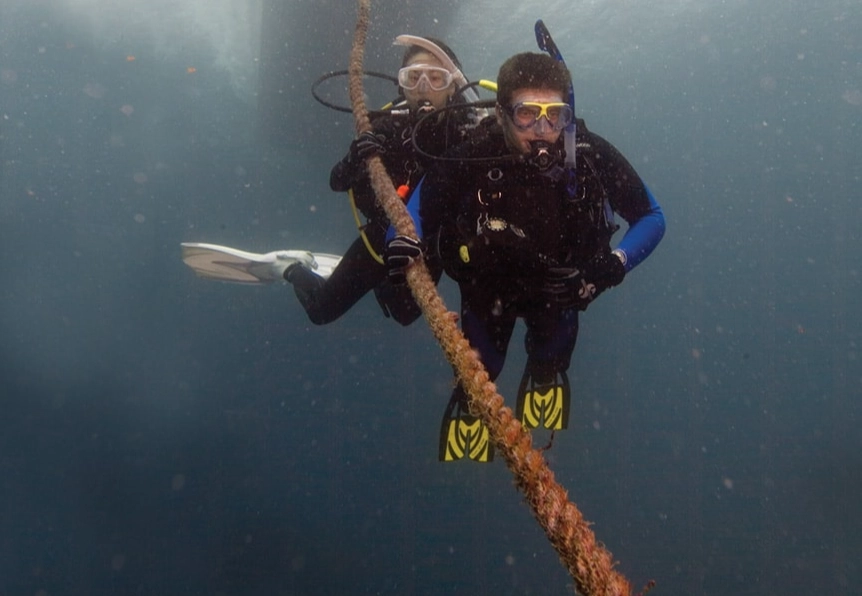
Your Deep Dive Roadmap
- What Exactly is Deep Diving and Why is it Different?
- How to Prepare for Your First Deep Dive: A 3-Pillar Approach
- The Non-Negotiable Deep Diving Gear Checklist
- Executing the Deep Dive: A Phase-by-Phase Safety Protocol
- 3 Common Deep Diving Mistakes Even Experienced Divers Make
- Your Deep Diving Questions Answered
What Exactly is Deep Diving and Why is it Different?
Most training agencies define a "deep dive" as anything below 18 meters (60 feet). But the real change happens around 30 meters (100 feet). This is where recreational limits typically max out, and the physics of diving start to boss you around.
It's not just a number. The pressure at 30 meters is four times what it is on the surface. That does three critical things to you and your dive:
- Nitrogen Narcosis: Often called "the martini effect." It's a reversible altered state of mind, like being tipsy. It impairs judgment, slows reaction time, and makes complex tasks feel confusing. Its onset and severity vary wildly between divers and even day-to-day for the same diver.
- Air Consumption Skyrockets: You breathe the dense air at depth, so you consume your tank's air (or gas) much faster. A tank that lasts 60 minutes at 10 meters might be empty in 20 minutes at 40 meters.
- Decompression Obligation Accelerates: Your tissues absorb nitrogen much more quickly. Exceed your no-decompression limit (NDL) by just a few minutes, and you're looking at mandatory decompression stops on your way up—something recreational divers are not trained or equipped for.
Deep diving isn't an extreme sport if done correctly. It's a discipline of meticulous planning and heightened awareness.
How to Prepare for Your First Deep Dive: A 3-Pillar Approach
Jumping straight into deep water is a bad idea. Your preparation needs to be three-dimensional.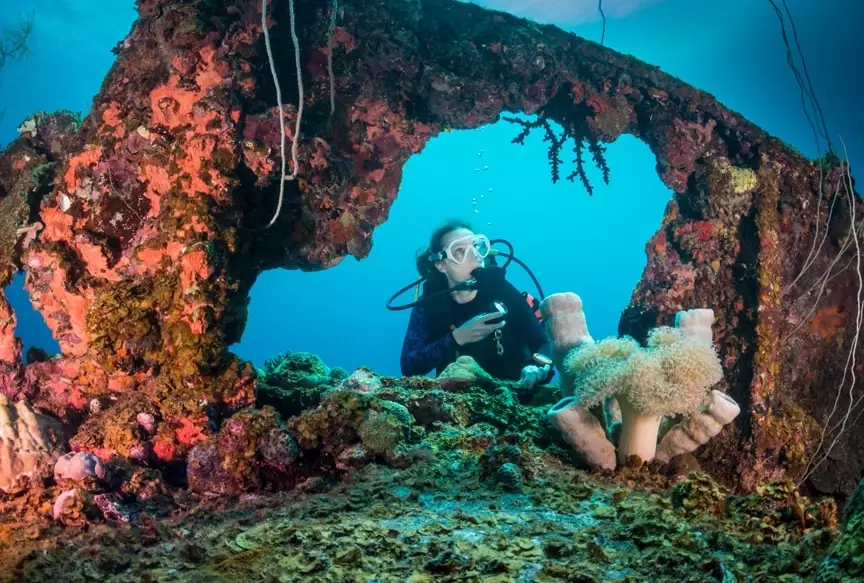
Pillar 1: Mental and Physical Readiness
Are you genuinely comfortable in the water? Can you handle a minor equipment issue at 15 meters without panic? If not, build more shallow dives first. Get your buoyancy perfect. Fitness matters too—good cardiovascular health helps with gas efficiency and stress management. A cramp at depth is more than an annoyance.
Pillar 2: Formal Training is Non-Optional
You need a Deep Diver Speciality certification. This isn't a cash-grab by agencies; it's vital. A good course, like those from PADI or SDI, covers gas planning, narcosis management, safety procedures, and includes supervised deep dives. It forces you to run the numbers and think through scenarios.
Pillar 3: The "Practice Dive" Scenario
Before your target deep dive, do a shallower dive that mimics the conditions. If you're planning a 30-meter wreck dive in currents, do a 20-meter dive in similar currents first. Use it to test your gear configuration, check your weighting, and calibrate your air consumption. This rehearsal is invaluable.
The Non-Negotiable Deep Diving Gear Checklist
Your standard recreational kit needs upgrades. Here’s what changes:
| Gear Item | Standard Dive Role | Deep Dive Critical Function | Pro Tip / Watch-Out |
|---|---|---|---|
| Primary Dive Computer | Tracks depth, time, NDL. | Your lifeline for tracking fast-changing NDLs and ascent rates. Must be set to conservative settings. | Have a backup (a second computer or depth/time tables). I've seen computers fail. The Recreational Dive Planner (RDP) table, while old-school, is a reliable backup. |
| Alternate Air Source (Octopus) | For out-of-air emergencies. | Same function, but the stress of an OOA at 30m is immense. It must be easily accessible and tested. | Don't let it dangle. Secure it with a rubber holder or bungee loop in the triangle between your chin and ribs. |
| Surface Marker Buoy (SMB) | Nice to have for boat pick-up. | Mandatory. Your ascent will likely be in open water. Deploying it from depth (a skill to practice) alerts boats and marks your position. | Practice deploying it at 5 meters in a pool first. Fumbling with a spool at depth while managing buoyancy is a classic stressor. |
| Dive Light | For night dives or caves. | Colors are muted at depth. A light restores reds and yellows, making the dive more vibrant and helping you read gauges. | Even on a sunny day, bring a small primary light. It's for color, not for seeing in the dark. |
| Timing Device | Your computer tracks time. | A simple bottom timer or watch is a backup if your computer resets or fails. Knowing your exact bottom time is crucial for backup planning. | A $50 digital watch on a bungee wrist strap is perfect. Don't rely on memory. |
Notice I didn't list a bigger tank as mandatory. While an aluminum 100 or steel 15-liter offers more gas, the real key is managing your consumption and turning the dive based on pressure, not time.
Executing the Deep Dive: A Phase-by-Phase Safety Protocol
Phase 1: The Pre-Dive Briefing & Plan
This is the most important conversation of the day. With your buddy, agree on: Maximum depth. Stick to it. Turn pressure. The pressure in your tank when you'll begin your ascent. For a 30m dive to a sandy bottom with an 80-cubic-foot tank, I might set a turn pressure of 100 bar/1500 psi. Ascent rate. 9 meters/30 feet per minute, no faster. Safety stop. 5 minutes at 5 meters/15 feet, always. Communication signals. Agree on a "I'm feeling narced" signal (often tapping the temple). What-ifs. What if we get separated at the bottom? (Answer: Search for 1 minute, then ascend alone).
Phase 2: The Descent
Descend along the anchor line or upline if possible. Equalize your ears early and often—before you feel pressure. A trick: start equalizing on the surface and continue every meter/foot. At depth, the pressure change is too great to overcome if you wait. Look at your buddy frequently. Are they okay? Descend together.
Phase 3: The Bottom Time
You've arrived. First, STOP. Hold onto the wreck or the line for a moment. Take three slow breaths. Check your computer, check your pressure, check your buddy. This 30-second pause lets you assess narcosis. If the gauges look like hieroglyphics, you're too narced. Signal your buddy and ascend 5 meters—it often clears instantly.
Move slowly and deliberately. Fast movement increases air consumption and can stir up silt, ruining visibility. Stick to the plan. The deep is mesmerizing, but it's not the place for improvisation.
Phase 4: The Ascent & Safety Stop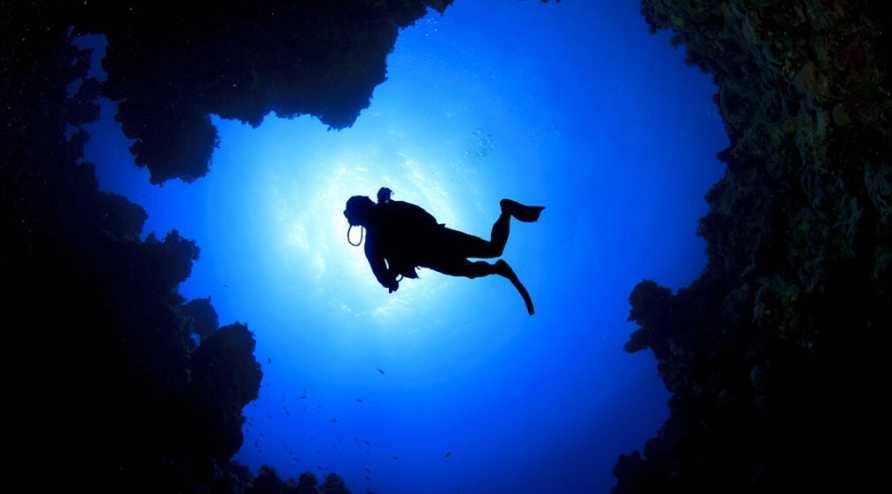
This is where dives are made safe or risky. Start your ascent before you hit your turn pressure. Look up and around for boats. Inflate your SMB from depth if in open water. Control your buoyancy with your breath, not the inflator. Your computer will scream at you if you ascend too fast—listen to it.
The 5-meter safety stop is sacred. It's not optional. Hang there, relaxed, breathing slowly. This is where you off-gas a significant amount of nitrogen. Use this time to reflect on the dive, watch the fish, and stabilize before the final surface swim.
3 Common Deep Diving Mistakes Even Experienced Divers Make
- Chasing a Gauge: "We planned 30 meters, but the wreck is at 32... let's just go a tiny bit deeper." That "tiny bit" increases pressure, narcosis, and gas consumption disproportionately. The plan is the law.
- Ignoring the First Sign of Narcosis: That feeling of mild euphoria or confusion isn't a bonus. It's a warning. The most dangerous response is to ignore it or think you can fight through it. Ascend a few meters.
- Running a "Hot" Ascent: Coming up at 12 meters per minute because you're cold or low on air. A fast ascent drastically increases the risk of decompression sickness. A controlled ascent is the most important skill in diving, period.
Your Deep Diving Questions Answered
 I have trouble equalizing my ears. Should I even consider deep diving?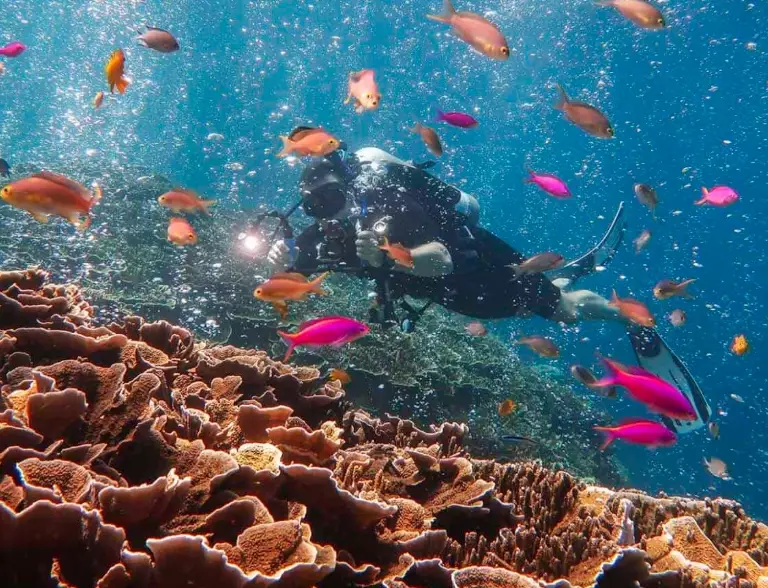
Comments