You're here because you want to know how to dive underwater. Not just holding your breath and splashing around in a pool, but really diving—descending into that silent, weightless world where fish glide past and sunlight dances through the water. Let's cut to the chase: the gateway to that world is through scuba diving. And contrary to what action movies show, it's not about jumping off a boat with a tank on your back. It's a skill, a fantastic one you can learn. I've been teaching it for over a decade, and the biggest mistake I see? People trying to skip the fundamentals. This guide is your roadmap, from that first curious thought to your inaugural open water dive.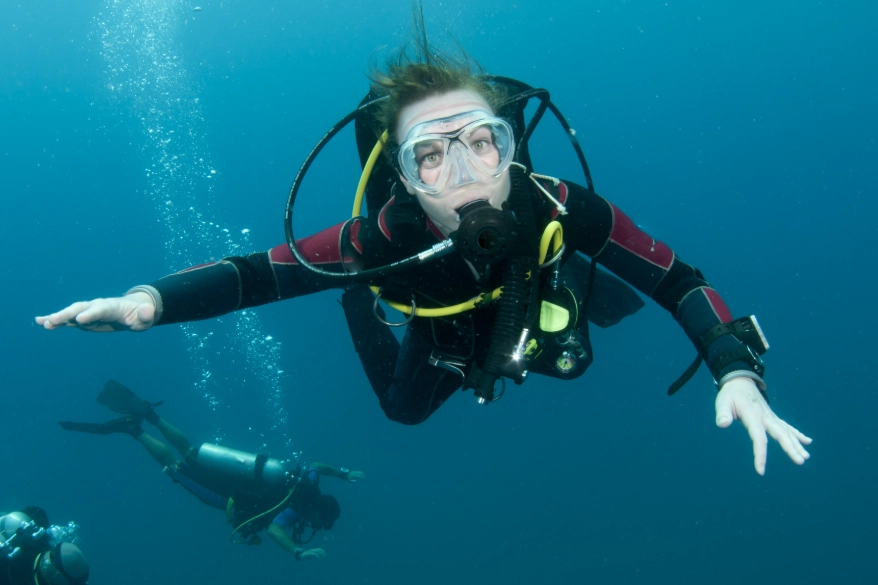
What's Inside: Your Dive Plan
Why Learning to Scuba Dive is Your Best Bet
Snorkeling is great, but it only lets you skim the surface. Freediving (breath-hold diving) is an intense sport with its own risks and training. For most people wanting to explore underwater realms comfortably and safely, recreational scuba diving is the answer. A scuba tank gives you time—typically 45 to 60 minutes on a shallow reef—to relax, observe, and truly be part of the environment. The training, governed by agencies like PADI or SSI, is standardized globally. It's designed for regular people, not athletes. I've certified everyone from 12-year-olds to folks in their 70s. The key is following the system.
Think about this: The sensation isn't like swimming. It's more like flying. You use your breath and small fin movements to go up, down, or hover. That's the magic you're after, and it's absolutely learnable.
The 4-Step Path to Your First Open Water Dive
Forget complicated diagrams. Here’s the straightforward journey every certified diver takes. It's not a race; take your time at each stage.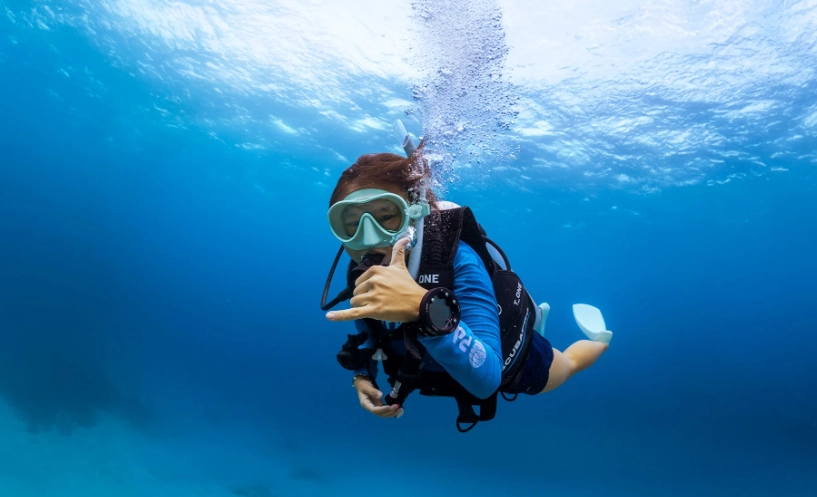
Step 1: Knowledge Development – The "Why" Behind the Skills
This is where you learn the theory. How pressure affects your body and your gear, basic dive planning, and underwater communication. Most dive shops offer this online (e.g., PADI eLearning), so you can binge it over a weekend. Don't just click through—actually understand concepts like ear equalization and no-decompression limits. This knowledge is what separates a nervous newbie from a confident beginner.
Step 2: Confined Water Training – The Pool is Your Playground
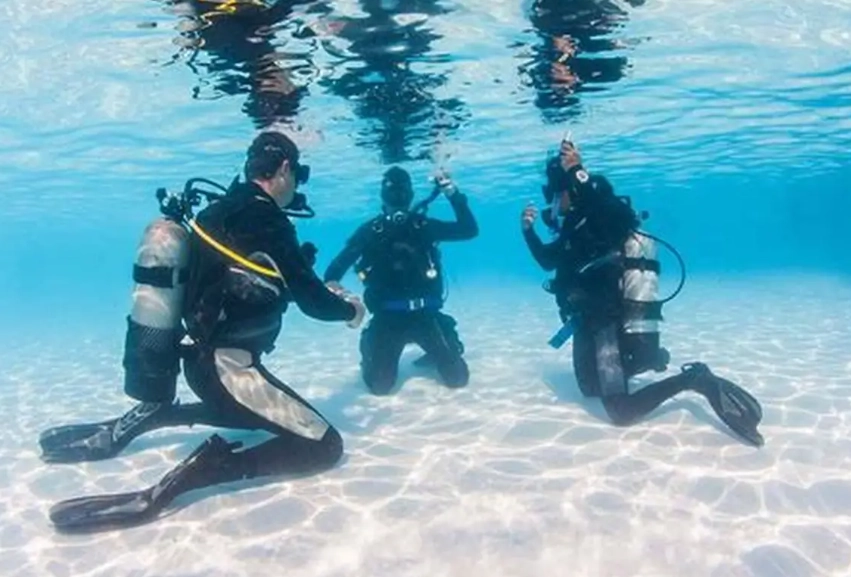
Here’s where you get wet in a pool or calm, shallow water. You'll learn to assemble your gear, clear water from your mask underwater, recover your regulator (the thing you breathe from), and practice buoyancy control. The pool session is low-stakes. My advice? Embrace the awkwardness. Everyone looks silly fumbling with gear at first. The goal is muscle memory, not perfection.
Step 3: Open Water Dives – The Real Deal
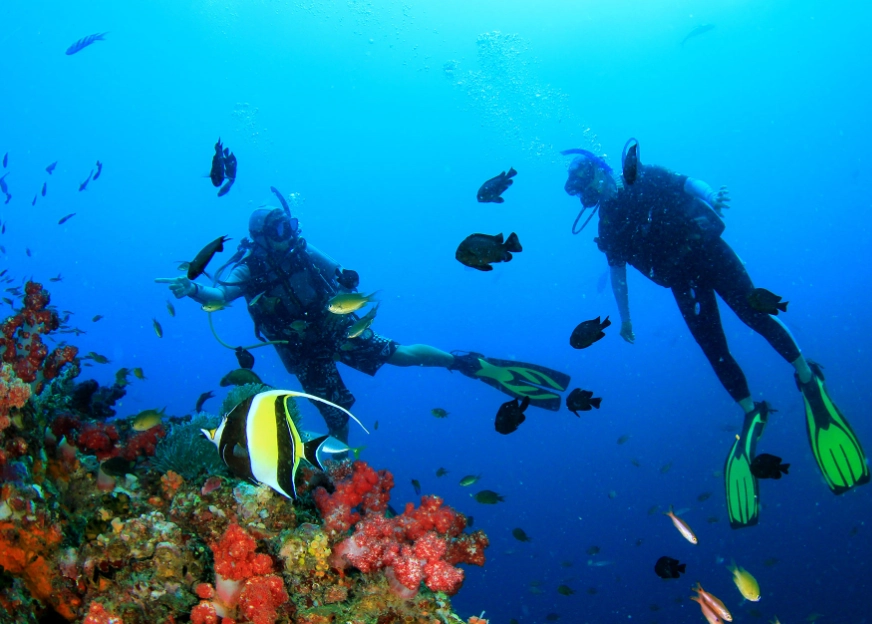
This is the certification finale: typically four dives over two days in a real dive environment (ocean, lake, quarry). You'll demonstrate the skills you learned in the pool, but more importantly, you'll just... dive. You'll follow your instructor, manage your buoyancy, and start looking at fish instead of your gauges. The first open water dive is a revelation. The noise of the world vanishes. Your own breathing becomes the loudest sound. It's meditative.
Step 4: Choosing the Right Dive Shop & Instructor
This isn't a formal step, but it's the most critical decision. Don't just pick the cheapest or closest shop.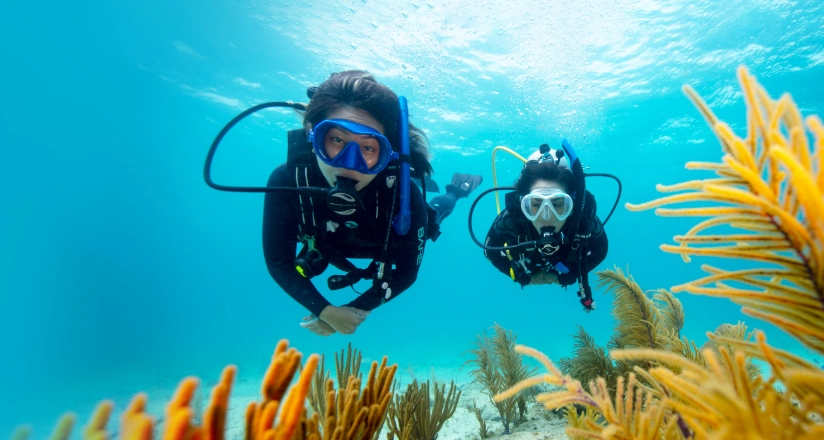
- Visit in person. Is the rental gear well-maintained? Is the staff friendly and patient?
- Ask about instructor-to-student ratio. In confined water, 1:4 is ideal. In open water, 1:2 or 1:3 is best for personalized attention.
- Read recent reviews specifically about the learn-to-dive experience.
A great instructor makes all the difference in managing those initial nerves.
Your Scuba Gear Checklist: What You Really Need (and What to Rent)
You don't need to buy a full set of gear to start. In fact, I recommend against it. Rent first, then invest in pieces you love. Here’s the breakdown.
| Gear Item | What It Does | Buy Now or Rent? | Beginner-Friendly Tip |
|---|---|---|---|
| Mask, Snorkel, Fins | Your personal viewing and propulsion system. | BUY. Fit is everything, especially for the mask. | For the mask, press it to your face without the strap. Inhale slightly through your nose. It should stay suctioned on by itself. No pinching! |
| Buoyancy Compensator (BCD) | The jacket-like device that holds your tank and lets you control your ascent/descent. | Rent initially. Try different styles. | Look for a BCD with plenty of d-rings to clip things to. It keeps your hands free. |
| Regulator | Your lifeline. Delivers air from the tank to you. | Rent for certification. Consider buying later for comfort/hygiene. | Your dive shop will maintain rental regs meticulously. Trust their equipment. |
| Wetsuit | Provides thermal protection (and a bit of buoyancy). | Rent. Sizing can be tricky. | A 3mm-5mm "shorty" is perfect for most tropical first dives. If you get cold easily, go for a full suit. |
| Computer | The essential brain. Tracks your depth, time, and safe ascent rate. | Rent. Learn to use one model first. | Don't be intimidated. Your instructor will show you the 2-3 readings you must watch. |
Total cost for a basic personal mask/fins/snorkel set? Around $150-$250. Worth every penny for the comfort and hygiene.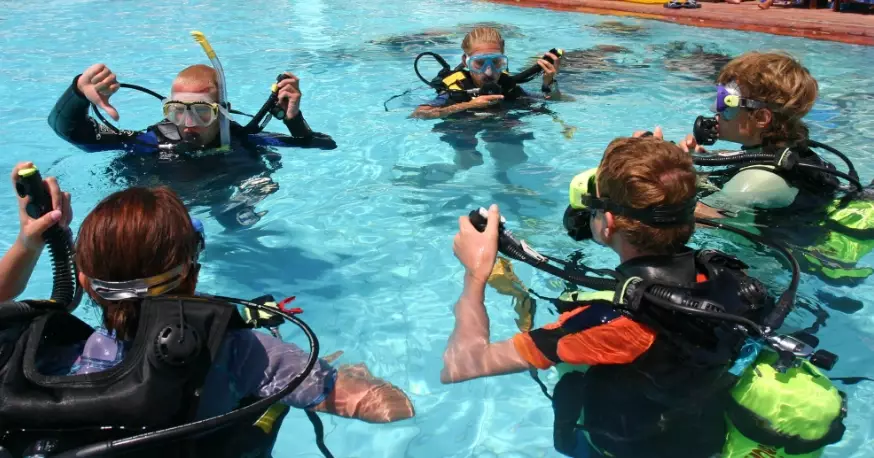
Where Should You Go for Your First Dive?
Location matters. You want calm, clear, warm water with minimal current and interesting but not intimidating marine life. Here are three proven winners for beginners. I've dived them all and sent countless students there.
1. The Florida Keys, USA
Why it's great: Easy access, tons of dive shops, consistent conditions. The reefs are shallow (15-30 feet) and teeming with life—parrotfish, angelfish, maybe a nurse shark napping under a ledge.
Logistics: Fly into Miami (MIA) or Fort Lauderdale (FLL), drive 1.5-3 hours south. Key Largo is the dive capital. A 2-tank morning boat dive costs ~$110-$140, including gear rental.
My pick: John Pennekamp Coral Reef State Park (Key Largo). The park regulations help protect the reef, and the operators are top-notch.
2. Roatán, Bay Islands, Honduras
Why it's great: Part of the Mesoamerican Barrier Reef. The water is bathwater-warm (80°F+ year-round), visibility is often 100+ feet, and the reef starts just a few fin kicks from shore at many resorts.
Logistics: Direct flights from several US cities to Roatán (RTB). Many dive resorts offer all-inclusive "learn-to-dive" packages. A 7-night package with certification and unlimited diving can run $1,500-$2,200 per person.
My pick: The West End area. It's laid-back, with a great variety of dive sites suitable for new divers.
3. The Big Island of Hawaii, USA
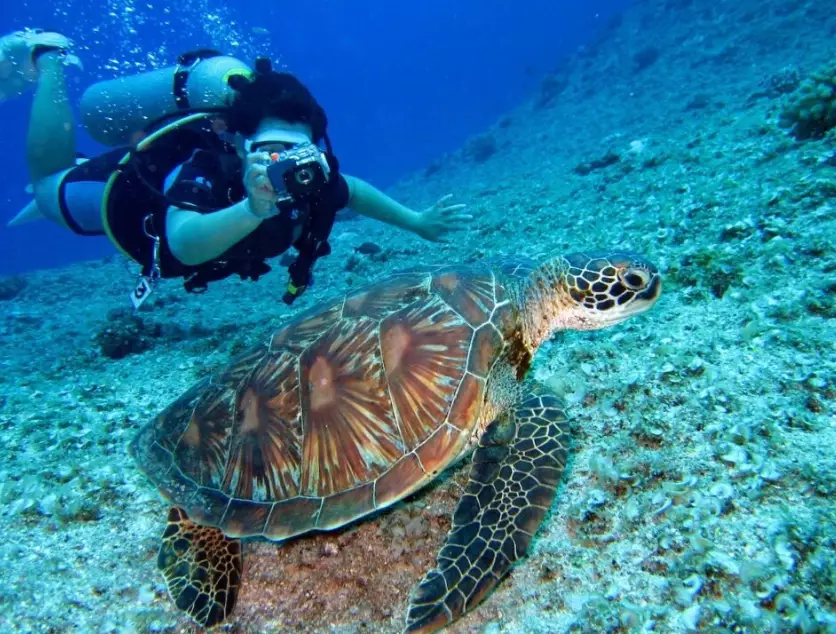
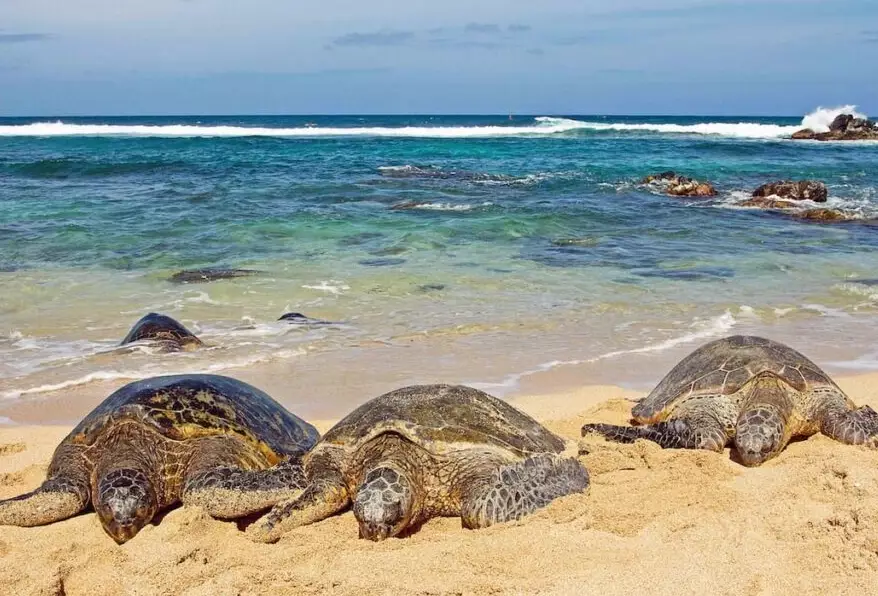
Why it's great: Incredible biodiversity. You might see manta rays on a night dive (an advanced activity, but something to dream about), green sea turtles, and vibrant coral. The Kona coast is protected and generally calm.
Logistics: Fly into Kona (KOA). Dive shops are plentiful in Kailua-Kona. Shore diving is a big thing here—you can walk in from the beach! A guided 2-tank boat dive runs ~$130-$170.
My pick: Kahalu'u Beach Park. It's a sheltered cove, perfect for practicing skills or a super easy first shore dive after certification. Turtles are almost guaranteed.
Remember, any reputable dive operator at these locations will ask for your C-card (certification card) before taking you out. No card, no diving. That's the safety rule.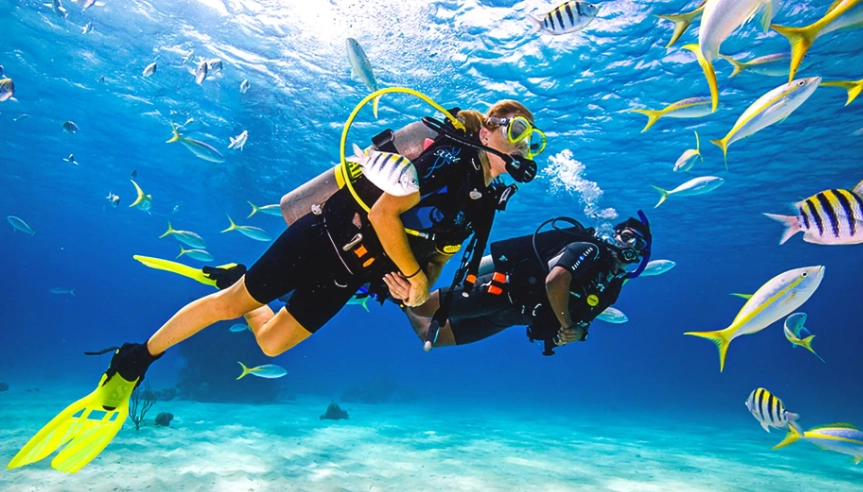
Your Burning Questions, Answered by an Instructor
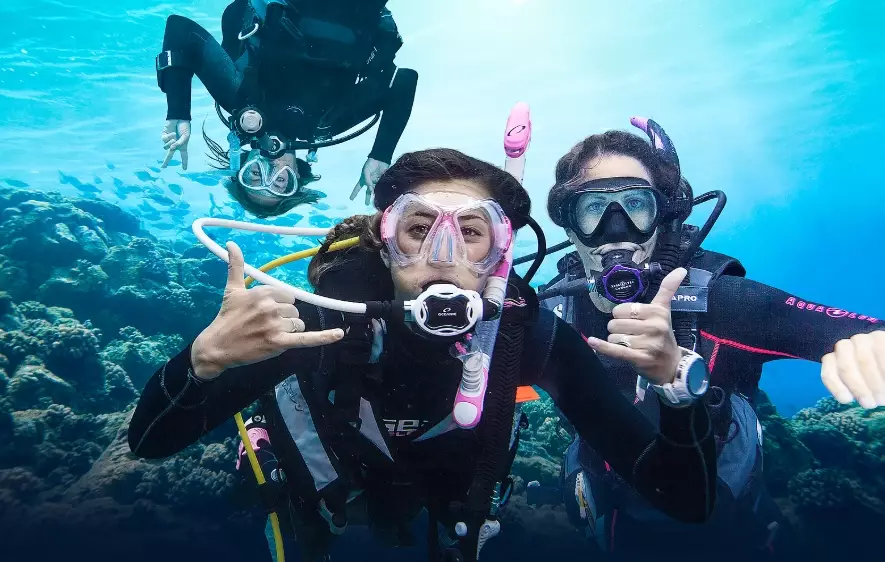
This is more common than you think. The training is designed to build confidence in stages. In the pool, you're always in control and can stand up. The regulator guarantees you can breathe—focusing on the slow, deep inhale and exhale is incredibly calming. Many people with mild anxiety find diving therapeutic because it forces mindful breathing. Be upfront with your instructor. A good one will go at your pace.
That pain is water pressure squeezing your eardrums. You have to equalize the pressure in your middle ear. The key is to start early and often, before you feel any discomfort. Pinch your nose and gently try to blow out through it (the Valsalva maneuver). You'll feel a "pop" in your ears. Do this every 2-3 feet as you descend. If it doesn't work, stop your descent, go up a foot, and try again. Never force it. A slight congestion from a cold can block your tubes—it's best not to dive if you're congested.
 Is scuba diving expensive? What's the real total cost to get started?
Let's break down a typical Open Water Diver certification in a non-tropical location (like a local quarry or lake):
- Certification Course (eLearning, pool, open water dives): $500 - $800.
- Personal Gear (mask, fins, snorkel, boots): $150 - $300.
- Optional but recommended: Dive Computer (for after certification): $200 - $500.
So, you're looking at roughly $700 - $1,300 to get certified and personally geared up. After that, the cost is per dive trip. It's an investment in a lifetime of travel and adventure.
Buoyancy control. New divers tend to either kick up sand from the bottom (swimming too high) or struggle to stay off the reef (too heavy). It's a dance between your BCD inflation, your breathing, and your weight. The secret no one talks about? You're probably overweighted. Divers, especially men, often take too much lead weight because they think they need it to sink. Excess weight makes you less agile and you have to put more air in your BCD to compensate, which makes you more buoyant at the surface. Ask your instructor to do a proper weight check at the end of your first dive when your tank is near empty. You should float at eye level with a full breath and sink when you exhale. Getting this right is the single biggest skill upgrade for a new diver.
Beyond visiting in person, use the agency locators. For PADI, go to PADI's Dive Shop Locator. For SSI, use their dealer locator. These shops must meet certain standards. Look for ones with a high number of certifications and "5-Star" or "Career Development Center" ratings. They're usually fully equipped and focused on education. Also, check if they are recognized by DAN (Divers Alert Network) for safety standards.
 The path to diving underwater is clear: get certified with a good instructor, start with the right gear, pick a beginner-friendly location, and respect the ocean's rules. That first time you hover weightlessly over a coral garden, watching a school of blue tangs drift by, you'll realize it was worth every bit of the effort. The door to 70% of our planet is waiting. All you have to do is take the first step and learn how to open it.

Comments