Mexico isn't just a single diving destination; it's a continent of underwater experiences packed into one country. You've got the world's second-largest barrier reef system on the Caribbean side, a sea so rich it's called "the aquarium of the world" on the Pacific side, and inland, a network of mystical freshwater caves unlike anything else on the planet. Asking for the "best" spots is tricky because it depends entirely on what you're after. Are you a new diver wanting calm, fish-filled waters? A thrill-seeker hunting for massive pelagics? Or maybe an adventurer ready to float through ancient limestone cathedrals? After over a decade of diving here, from guiding trips to just exploring for fun, I've put together this no-fluff guide to help you cut through the hype and find the perfect Mexican dive site for you.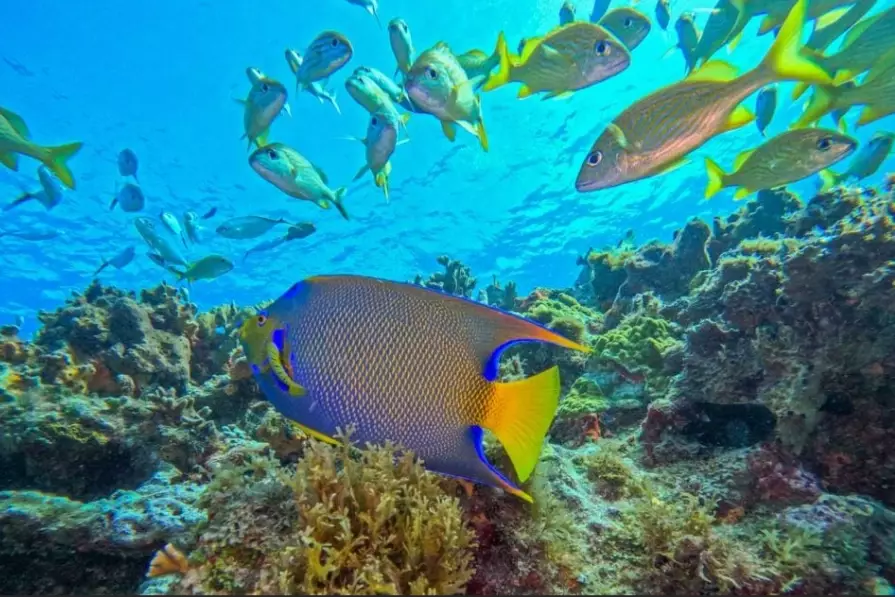
Quick Dive Site Finder
Top 5 Scuba Diving Destinations in Mexico
Forget generic lists. Here’s a breakdown of Mexico's diving heavyweights, with the real details you need to plan.
Cozumel: The Caribbean Reef King
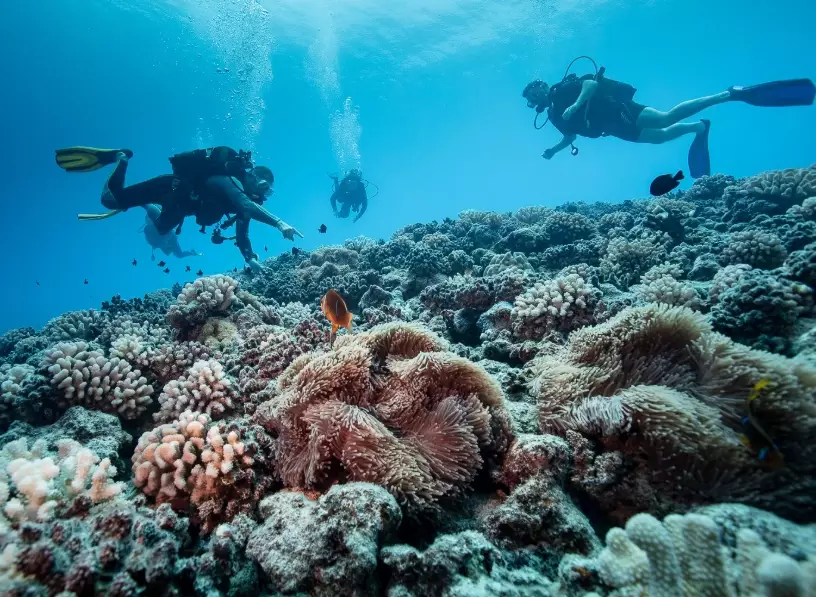
This island is legendary for a reason. The west coast is one long, dramatic wall dive, swept by a consistent north-to-south current. This means you fly along the reef in what's called a "drift dive," covering huge distances with minimal effort. The coral health here is noticeably better than many over-dived Caribbean spots, thanks to strong marine park protections.
Must-Dive Sites: Palancar Reef (famous for its enormous coral formations, can be deep), Santa Rosa Wall (sheer drop-offs covered in sponges), Punta Sur (advanced site known for strong currents and big fish).
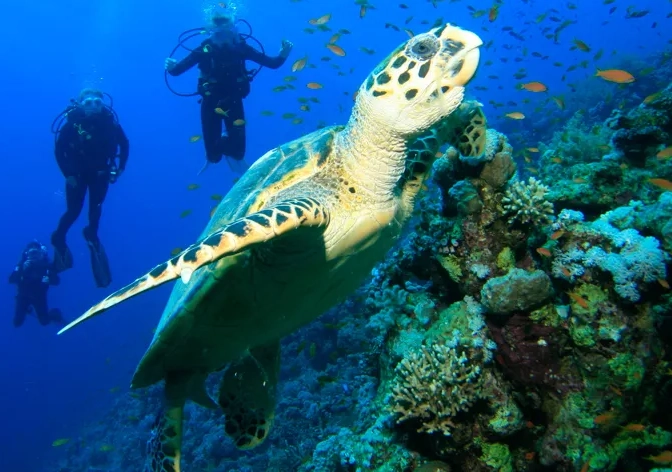
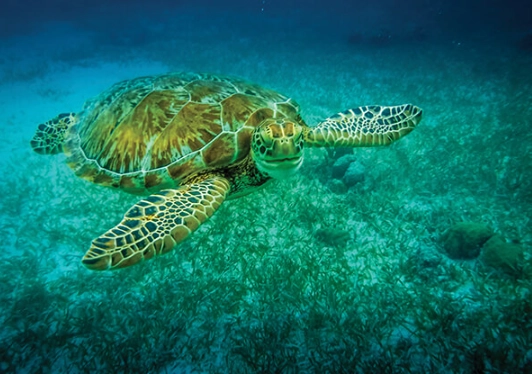
What You'll See: Eagle rays, turtles, nurse sharks, massive schools of grunts and snapper. Macro life is fantastic too—seahorses, frogfish.
The Local Truth: Cozumel is a well-oiled machine. The dive ops are professional, and everything is easy. The downside? It can feel a bit crowded, especially at the famous sites. For a more relaxed vibe, ask your operator about the less-visited southern sites.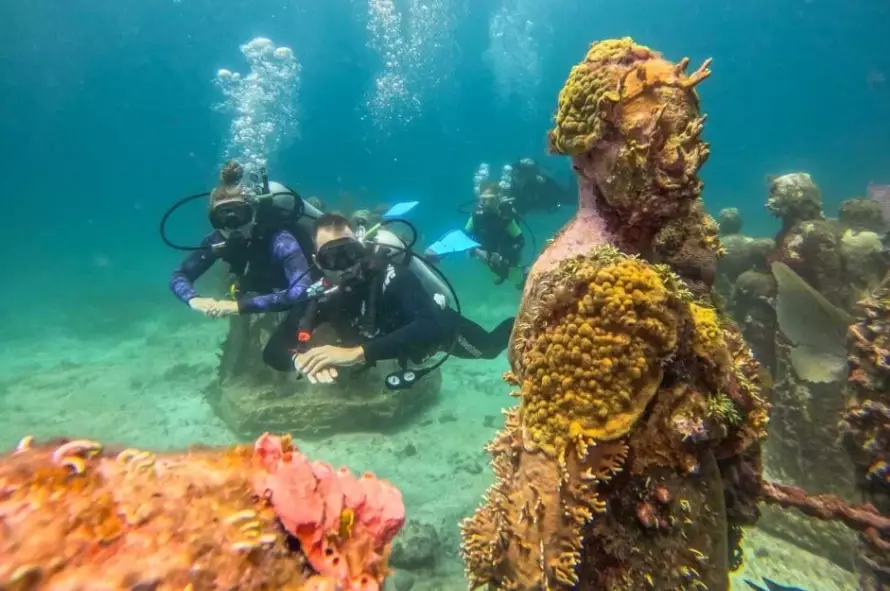
Playa del Carmen & Tulum: The Cenote Gateway
The mainland coast opposite Cozumel offers a fantastic one-two punch: ocean dives and cenote dives. The ocean diving here is often overlooked but is excellent for beginners—shallower reefs, lots of turtles, and the famous bull shark season (November to March). But the real magic is inland.
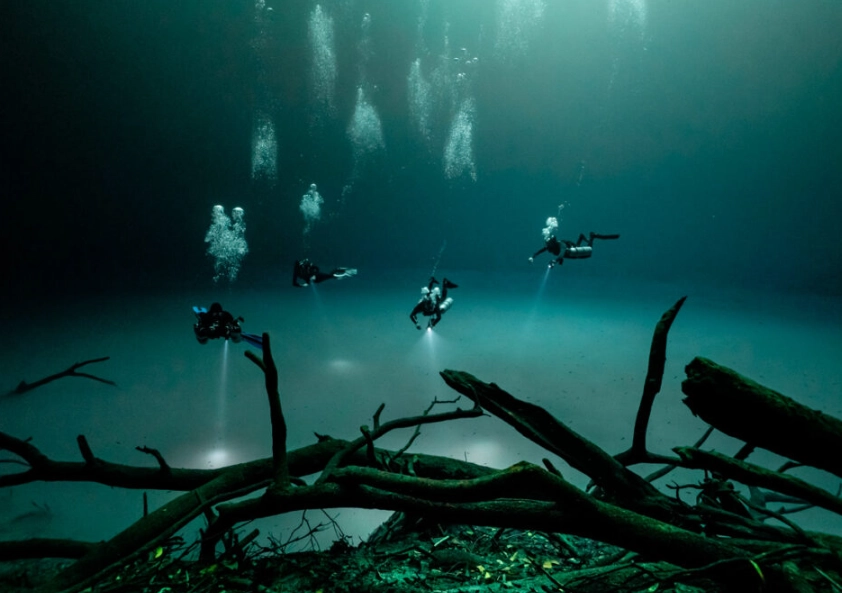
Top Cenotes: Dos Ojos (the most famous, perfect for first-timers), The Pit (a deep, eerie cavern with a hydrogen sulfide cloud), Angelita (a "sunken river" of hydrogen sulfide at 30m).
Isla Mujeres: Whale Sharks & Drift Dives
Just north of Cancun, Isla Mujeres is more laid-back. The diving is good, but it's often the seasonal events that steal the show. From June to September, it's one of the best places on Earth to snorkel with whale sharks. From February to March, you can dive with massive congregations of bull sharks at sites like El Embudo.
The regular reef diving features healthy coral gardens and reliable drift dives. It's less intense than Cozumel's currents, making it a great middle-ground.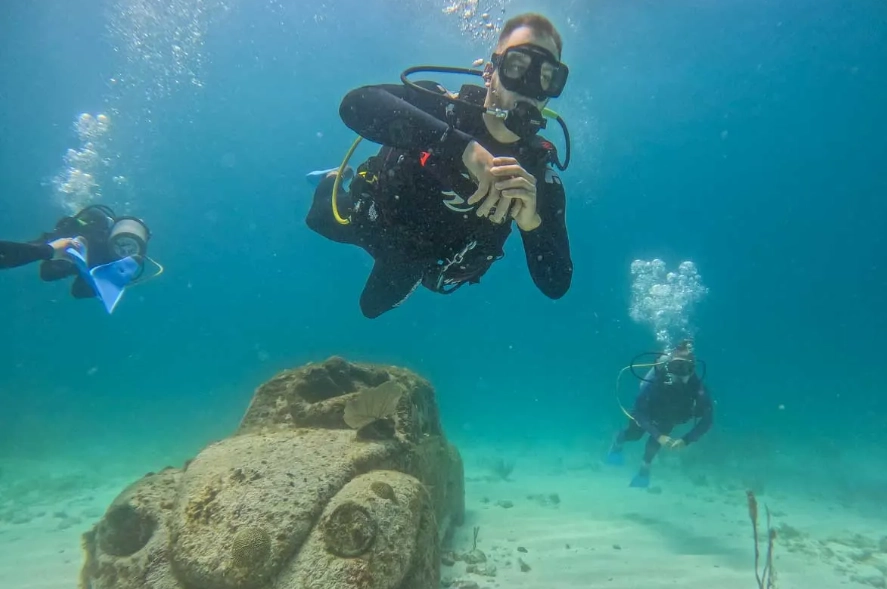
La Paz & The Sea of Cortez: "The Aquarium of the World"
Flip to the Pacific side, and everything changes. The water is cooler (wet-suit territory, even in summer), visibility is different (often 15-25m, not the Caribbean's 30m+), but the marine life diversity is insane. Jacques Cousteau wasn't kidding.
Signature Experience: Diving with sea lions at Los Islotes. These playful pups will zoom around you, bite your fins, and stare right into your mask. It's pure joy.
What You'll See: Mobula rays (in huge schools), whale sharks (October-April), hammerhead sharks, dolphins, and endemic species like the Cortez angelfish. The topography is wild—underwater mountains, swim-throughs, and walls covered in brittle stars.
Revillagigedo Archipelago (Socorro Islands): The Big Animal Mecca
This is bucket-list, liveaboard-only territory. Located about 250 miles off the coast of Cabo San Lucas, "Socorro" is for advanced divers seeking pelagic action. It's cold, it's deep, the currents can be fierce, and it's absolutely worth it.
The Draw: Giant mantas with wingspans over 6 meters that interact with divers. Huge schools of hammerhead sharks. Dolphins, tuna, and from December to April, the chance to hear (and sometimes see) humpback whales. This is raw, wild diving.
| Destination | Best For | Water Temp | Best Time to Visit | Diver Level |
|---|---|---|---|---|
| Cozumel | Drift diving, healthy reefs, ease of travel | 78-84°F (26-29°C) | Year-round (rainy season: Sep-Oct) | All levels (some advanced sites) |
| Playa del Carmen / Tulum | Cenotes, bull sharks (winter), beginner reefs | 77-82°F (25-28°C) | Nov-May (dry season) | All levels (cenotes require OW + some experience) |
| Sea of Cortez (La Paz) | Sea lions, pelagics, unique biodiversity | 65-80°F (18-27°C) | Jun-Nov (warmer water), Oct-Apr (whale sharks) | Beginner to Intermediate |
| Revillagigedo (Socorro) | Giant mantas, hammerheads, humpback whales | 70-80°F (21-27°C) | Nov-May | Advanced (strong currents, deep dives) |
How to Choose Your Mexico Diving Destination
Picking the right spot is more than just picking a name. Ask yourself these questions:
What's your dive experience? New divers should stick to the shallow reefs of Playa del Carmen, Isla Mujeres, or Cozumel's protected sites. Cenotes require good buoyancy control—don't make them your first dives after certification. Socorro is strictly for seasoned divers.
What animals are on your must-see list? Mantas and hammerheads? Head to Socorro. Playful sea lions? La Paz. Whale sharks? Decide between snorkeling with them in Isla Mujeres (summer) or seeing them while diving in La Paz (winter). Bull sharks? Playa del Carmen in winter.
What's your budget and trip style? Cozumel and Playa offer all-inclusive resorts and easy shore diving. La Paz is more rustic and adventurous. A Socorro liveaboard is a major investment ($4,000-$7,000 for a week). Cenote diving adds cost (guides are mandatory and pricier than ocean guides).
Do you want a pure dive trip or a mix? The Riviera Maya (Playa, Tulum) wins for mixing world-class diving with incredible food, Mayan ruins (like Tulum or Coba), and nightlife. Cozumel is dive-focused but has great food. La Paz is about the natural world, above and below the surface.
Essential Tips for Diving in Mexico
Here’s the stuff you won't always read in brochures, learned from plenty of mistakes and successes.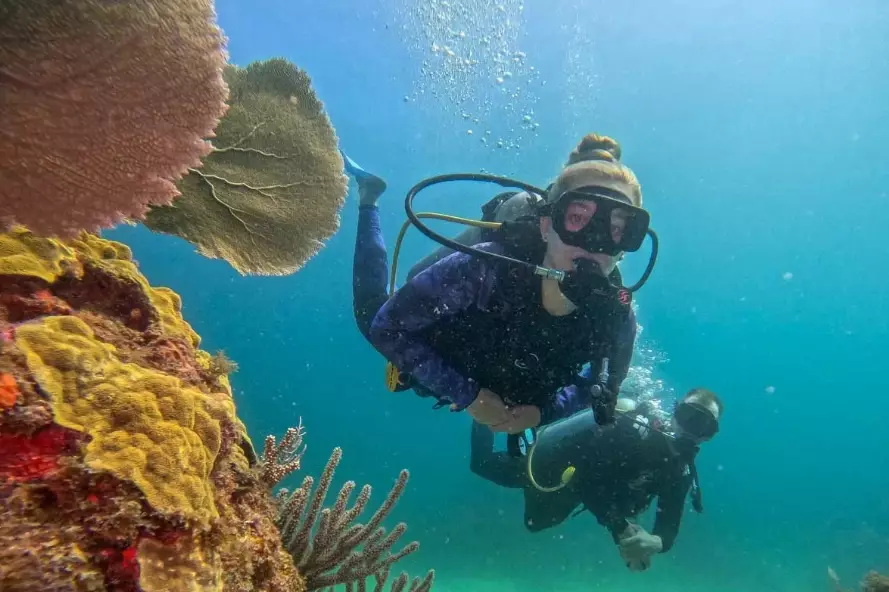
Booking Your Dives: You can book ahead with big international operators, but I often find better service and prices by researching and emailing a few well-reviewed local shops a month or two out. Look for shops that limit their boat capacity. A crowded boat means a crowded dive.
Getting There: Most Caribbean diving uses Cancun International Airport (CUN). For Cozumel, you fly into CUN then take a 45-minute ferry. For the Pacific side, fly into Los Cabos (SJD) for Cabo/Socorro, or La Paz (LAP) for La Paz.
Marine Park Fees: Almost all good sites are in protected areas. Expect to pay a daily marine park fee (around $4-10 USD). This is non-negotiable and crucial for conservation. Keep the receipt.
A Common Mistake: Overpacking dive gear. Most shops have decent rental gear. Bring your mask, computer, and wetsuit if you're picky. For the Pacific, a 5mm wetsuit is essential. For cenotes, a 3mm shorty over a full 3mm is smart—the fresh water is cooler (around 77°F/25°C).
Safety: Dive operations in major destinations are generally professional. Always check your operator's safety credentials. If something feels off, walk away. Your health insurance likely doesn't cover diving accidents—get proper dive insurance from DAN or similar.
Comments