If you've ever watched a volleyball match, you've seen those moments—a player launches themselves across the court, scraping the floor to save a ball that seemed impossible to reach. That's a dive. It's not just about throwing your body around; it's a calculated defensive move that can turn points around. But here's the thing: most players think diving is all about guts, not technique. After coaching for over a decade, I've seen too many athletes hurt themselves or mess up plays because they don't know the different types of dives. Let's fix that.
Quick Navigation: What's Inside This Guide
What is a Dive in Volleyball?
A dive in volleyball is a defensive technique where a player quickly moves horizontally or diagonally to the ground to reach a ball that's low and far from their position. It's not a reckless fall—it's a controlled maneuver to keep the ball in play. Think of it as a last-resort save when shuffling or lunging won't cut it. The FIVB, volleyball's governing body, emphasizes defensive skills like diving in their coaching manuals, but they rarely break down the nuances. That's where experience kicks in.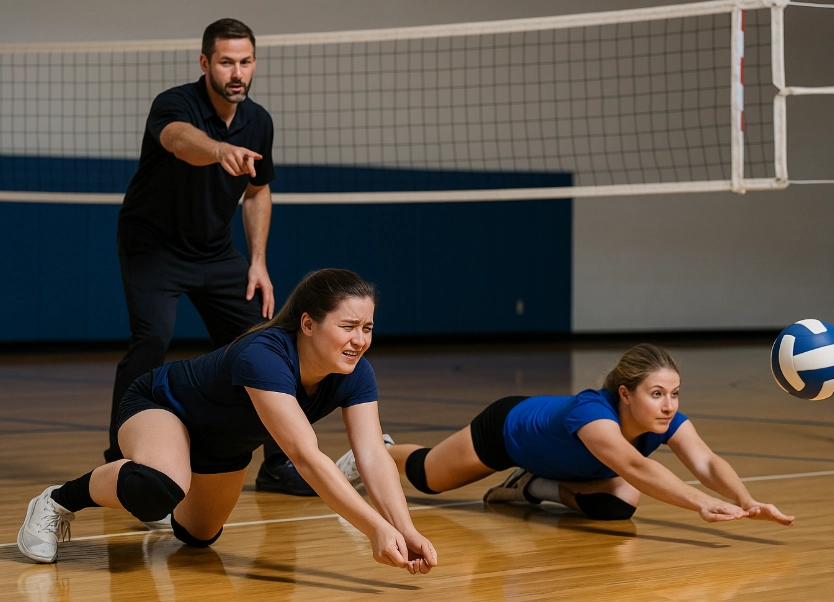
I remember my first season playing competitively; I'd dive for everything, only to end up with bruised knees and missed opportunities. It took a veteran player to point out that I was using the wrong type of dive for the situation. Diving isn't one-size-fits-all. It's about reading the ball's trajectory, your position, and the game context.
The 3 Main Types of Volleyball Dives You Need to Know
Most guides list a few dives, but they miss the subtle variations that matter in real games. Based on my coaching, I categorize dives into three core types, each with specific applications. Forget the fancy names—focus on the mechanics.
Forward Dive
The forward dive is the most common. You propel yourself forward, landing on your chest and hands to reach a ball in front of you. It's ideal for balls that are dropping fast near the net or in the front row. Key points: keep your arms extended to cushion the landing, and tuck your chin to avoid hitting your head. A mistake I see? Players land flat, which shocks the joints. Instead, aim to slide a bit on impact.
Side Dive
For balls to your left or right, the side dive lets you cover lateral ground quickly. You push off one foot and extend sideways, landing on your hip and forearm. It's great for digs on sharp angles. But here's a tip many overlook: pivot your hips toward the ball to generate more reach. If you just flop sideways, you'll lose balance and struggle to recover.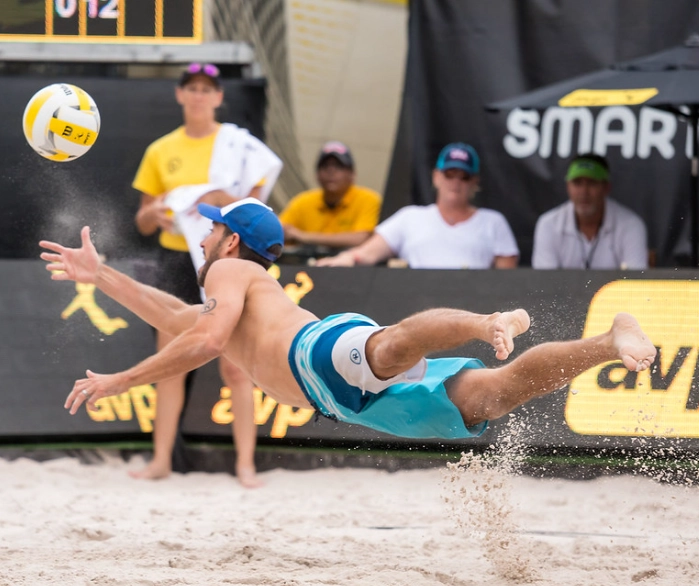
Rolling Dive
The rolling dive, or barrel roll, is advanced but safer for your body. After making contact with the ball, you roll over your shoulder and back to your feet in one fluid motion. It minimizes impact and lets you get up faster for the next play. I teach this to my players early—it reduces knee strain compared to hard landings. However, it requires practice; botch the roll, and you might disorient yourself.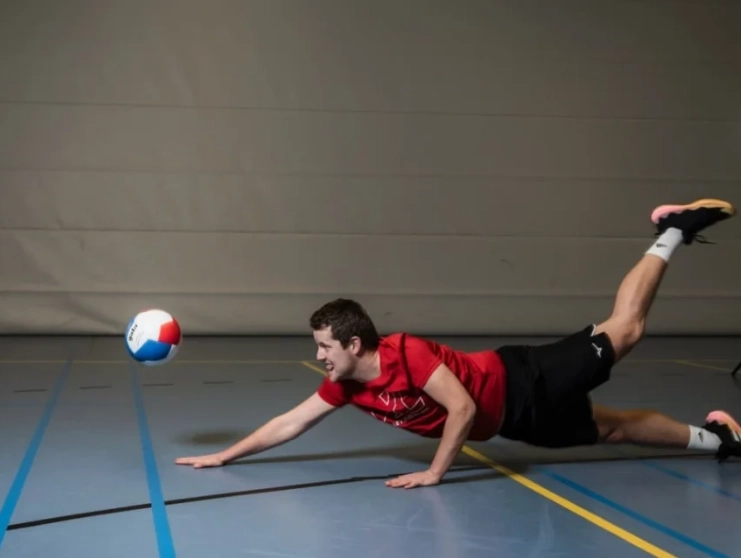
Some coaches argue for a "sprawl" as a separate type, but in my view, it's a hybrid of a forward dive with a wider leg spread. The core idea remains: match the dive to the ball's path.
How to Execute a Dive Correctly: Step-by-Step
Let's break down a forward dive, since it's the foundation. I've drilled this with hundreds of athletes, and the devil is in the details.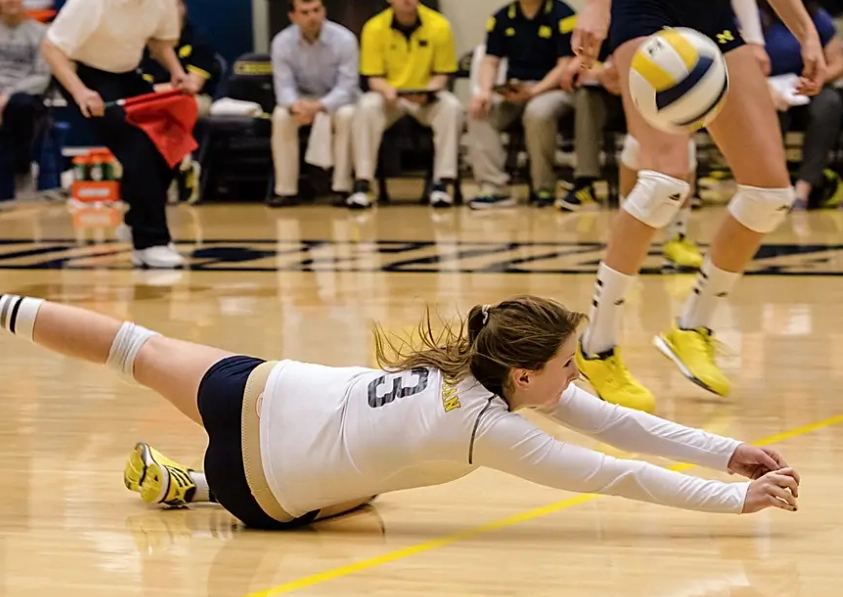
Step 1: Read the Ball. Anticipate where it's going. If it's a hard spike, you might have less than a second. Drop your hips low—I mean, really low—to get into a defensive stance.
Step 2: Initiate the Movement. Push off your back foot, driving forward with your arms reaching toward the ball. Don't jump upward; think of it as a controlled fall forward.
Step 3: Land Safely. Contact the ground with your hands first, then your forearms and chest. Absorb the impact by bending your elbows slightly. Keep your core tight to avoid collapsing.
Step 4: Recovery. Immediately push up with your hands or roll to your feet. This is where many players lag; they admire their save and get caught out of position.
For side dives, the push is more lateral, and for rolling dives, practice the shoulder roll separately on a mat first. I've seen players skip this and end up with shoulder injuries—not worth it.
Common Diving Mistakes and How to Fix Them
Even pros slip up. Here are the top errors I've cataloged over years, with fixes that actually work.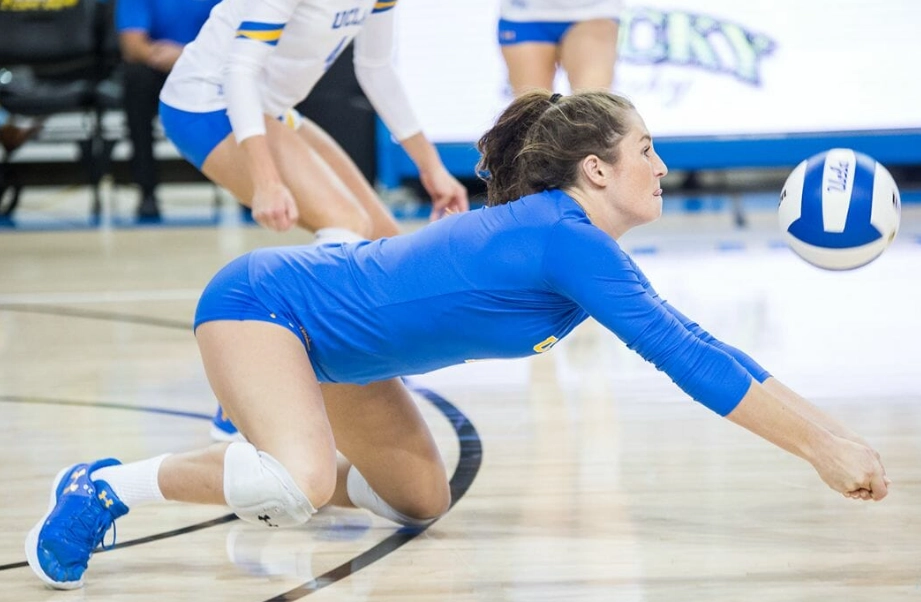
Mistake 1: Landing on Your Knees. This is brutal on the joints. I cringe when I see it. Fix: Focus on landing on your thighs or forearms. Use knee pads, but don't rely on them as a crutch—technique comes first.
Mistake 2: Not Using Your Arms. Players sometimes dive with their arms tucked, leading to face plants. Fix: Extend your arms like you're reaching for something precious. It distributes weight and protects your head.
Mistake 3: Diving Too Early or Late. Timing is everything. Dive too soon, and you commit; too late, and you miss. FixDrill reaction times. Have a partner toss balls unpredictably—it sharpens instincts.
Mistake 4: Ignoring the Roll-Out. After a dive, staying down wastes seconds. Fix: Practice getting up immediately. Do ladder drills combined with dives to build muscle memory.
I'll be honest: some coaching programs overemphasize diving frequency, but in reality, a well-timed dive beats ten sloppy ones. Quality over quantity.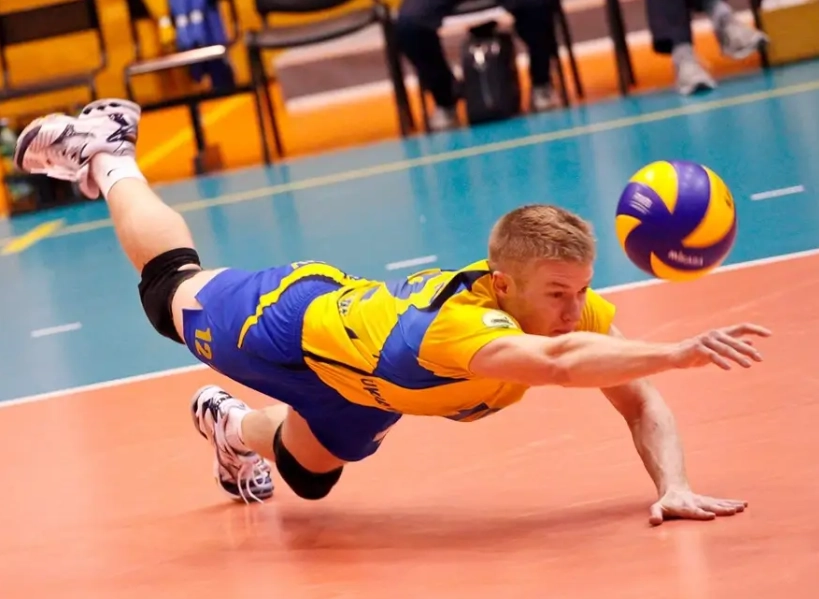
Drills to Master Your Diving Technique
Theory is fine, but you need reps. Here are drills I use with my team, adapted from resources like the USA Volleyball coaching guides. Do these 2-3 times a week.
Drill 1: Cone Dive Series. Set up cones in a zigzag pattern. Start in a defensive stance, shuffle to each cone, and execute a forward dive at the last one. Focus on form, not speed. 3 sets of 10 reps.
Drill 2: Partner Toss and Roll. Have a partner toss balls to your sides. Perform side dives, then immediately roll to your feet and pass the ball back. It builds recovery speed. 5 minutes per side.
Drill 3: Game-Simulation Scramble. In a small court area, one player attacks while another defends with dives only. Mix in spikes and tips. This mimics real pressure—you'll see where your technique cracks.
I often add resistance bands to these drills to strengthen the push-off muscles. It's a small tweak, but it prevents fatigue during long matches.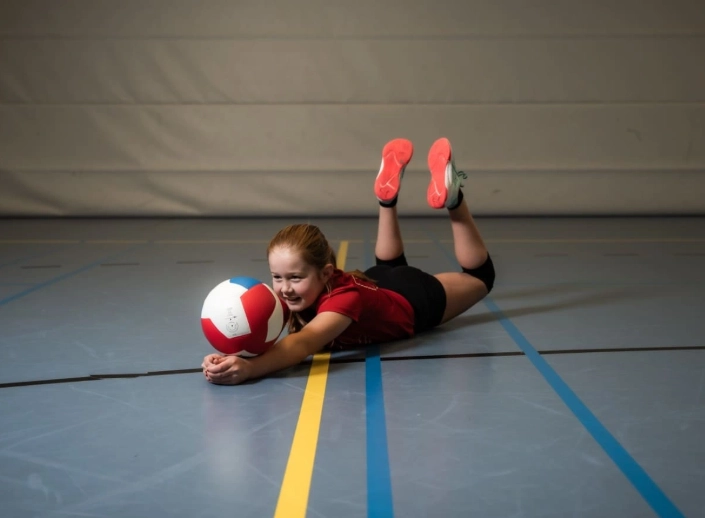
When to Dive and When Not To: Strategic Insights
Diving isn't always the answer. In some situations, a lunge or a sprawl might be safer and more effective. Here's my rule of thumb: dive only if the ball is out of reach by two steps or more, and if saving it gives your team a strategic advantage. For example, in a tight set, a dive to keep the ball alive can shift momentum. But if you're up by a lot, maybe let a ball go to avoid injury.
Consider the surface too. On hard courts, I advise more rolling dives to reduce impact. On sand, forward dives are easier but require adjustments due to footing.
From a coaching perspective, I've noticed that teams that drill diving strategically—like in defensive rotations—tend to have fewer errors. It's about integrating it into your system, not as a panic move.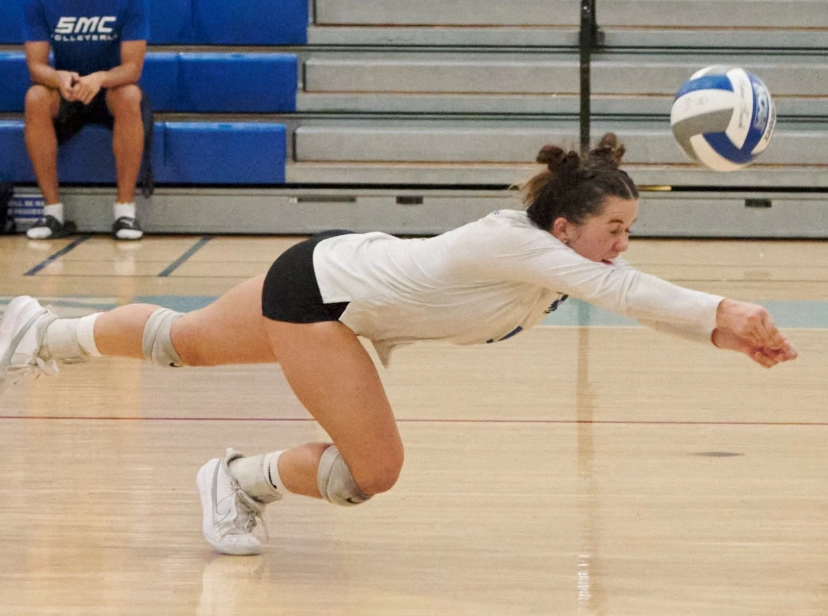
Your Diving Questions Answered
How can I dive without hurting my knees?
Focus on landing on your forearms and thighs, not directly on your knees. Use knee pads for protection, but more importantly, practice rolling dives—they distribute impact across your back and shoulders. I've found that players who master the roll have way fewer knee issues over seasons.
What's the difference between a dive and a sprawl in volleyball?
A sprawl is a wider, flatter move where you extend your legs back while reaching forward, often used for balls closer to you. A dive involves more horizontal motion and a full body launch. In practice, sprawls are for quick reactions, dives for extreme reaches. Many beginners confuse them, but the key is the distance covered.
Can I practice diving at home without a court?
Yes. Use a mattress or soft mat to practice the landing mechanics. Work on the push-off from a low stance and the roll-out. Shadow drilling—mimicking the motion without a ball—helps build muscle memory. I tell my players to do this daily; it's boring but effective.
How do I know which type of dive to use in a game?
It depends on the ball's direction and your position. Forward for balls in front, side for lateral shots, and rolling for when you need quick recovery. Drill each type so it becomes instinctive. In games, I advise players to think less—overthinking leads to hesitation and errors.
Is diving more important for liberos or all players?
Liberos specialize in defense, so they dive more, but all back-row players should be proficient. Front-row players might use it less, but knowing how to dive can save points in pinch situations. I've seen middles make crucial dives on blocked balls—it's a team skill.
Diving in volleyball isn't about being a hero; it's about being smart. Master these types, drill them relentlessly, and you'll not only save more balls but also play longer without injuries. Now get out there and practice—start slow, focus on form, and watch your defense transform.



Comments