If you've ever watched a swim race, the first thing you see isn't swimming—it's diving. A powerful launch off the blocks that can decide the race in the first second. But diving in swimming isn't just for Olympians. It's the fundamental skill of entering the water efficiently, whether you're racing, doing laps for fitness, or just trying to avoid a painful belly flop at the public pool. At its core, diving in swimming is the controlled, aerodynamic entry into the water from a raised surface, designed to minimize resistance and maximize forward momentum. It connects the static world on the deck with the fluid world in the pool. Get it wrong, and you start every lap fighting against the water. Get it right, and you feel like you're flying.
I've taught this skill for years, and the biggest mistake I see? People treat it as a leap of faith instead of a precise skill. They think about "jumping" far, not about "sliding" into the water. That mental shift changes everything.
What You'll Learn in This Guide
Diving Defined: From Pool Fun to Race-Day Speed
Let's break down the two main worlds of swimming dives. Most of us learn the recreational pool dive first. You stand at the edge, bend your knees, and push off, aiming to enter the water cleanly, usually at a shallow end. The goal is safety and a splash-free entry. It's practical.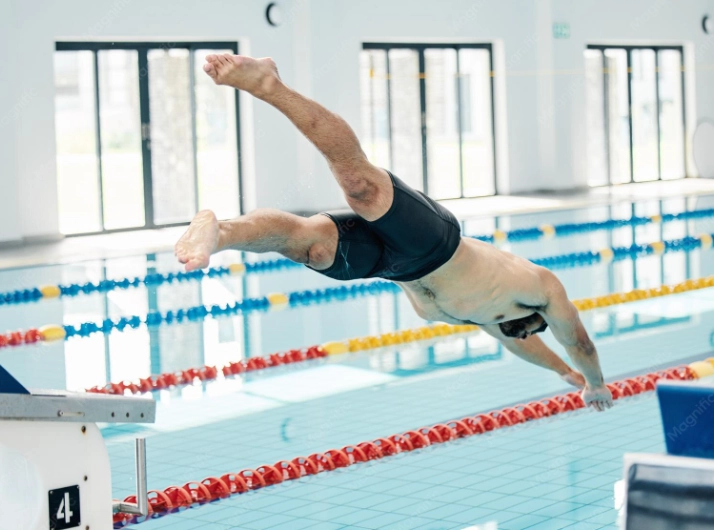
Then there's the competitive racing dive. This is a different beast. Performed from starting blocks, its sole purpose is to generate explosive speed for the first 10-15 meters of a race, a phase swimmers call "the breakout." Every movement is optimized under the rules of the International Swimming Federation (FINA). The posture, the angle of entry, even how deep you go—all of it is studied and practiced relentlessly.
But there's a third, often overlooked type: the racing turn dive. When a swimmer pushes off the wall during a flip turn or open turn, that's also a form of diving—a launch from a solid surface into a streamlined glide. The principles are remarkably similar.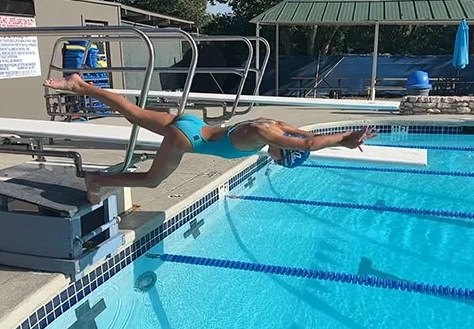
Here’s a quick comparison to show how context changes the dive:
| Dive Type | Primary Goal | Starting Position | Key Focus |
|---|---|---|---|
| Recreational Pool Dive | Safe, comfortable entry | Pool edge, feet together | Clearing the ledge, avoiding belly flops |
| Freestyle/Crawl Racing Dive | Maximize distance & speed off the block | Starting blocks, track start or grab start | Explosive leg drive, tight streamline |
| Backstroke Start | Powerful launch from in the water | In water, gripping the block or gutter | Arching back, powerful leg thrust |
| Turn Push-Off | Efficient momentum from the wall | Submerged on the wall | Strong push, instant streamline |
How to Perform a Basic Swimming Dive?
Let's start with the foundation. A good basic dive is your ticket to confident pool entries. Forget racing for a moment.
The Step-by-Step Breakdown
Positioning: Stand at the very edge of the pool, toes curling over. Feet should be together or hip-width for stability. Arms are extended straight up, biceps by your ears. This is your "upward streamline." Look forward at the water, not down at your feet. This head position is crucial—looking down forces your hips down, guaranteeing a belly flop.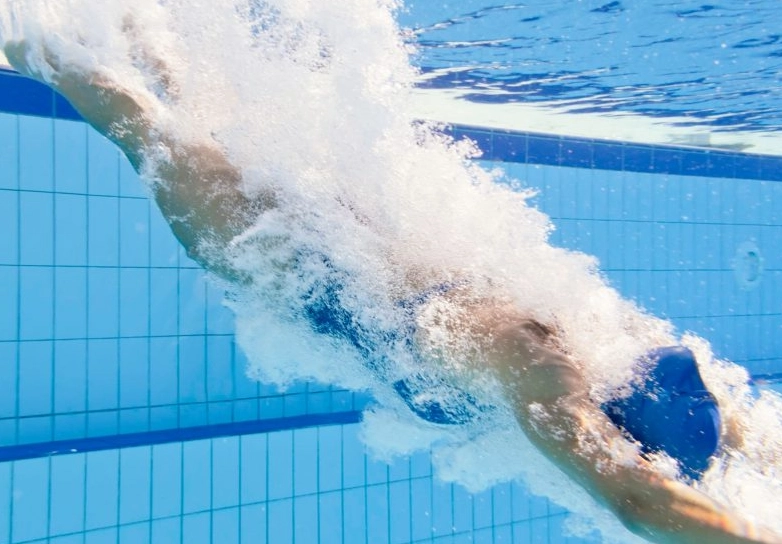
The Bend and Lean: Bend your knees slightly. Now, here's the magic move: don't jump up, lean forward. Tip your body forward from the waist until you feel like you're about to fall. Your arms and head lead the way. Your weight shifts from your heels to the balls of your feet.
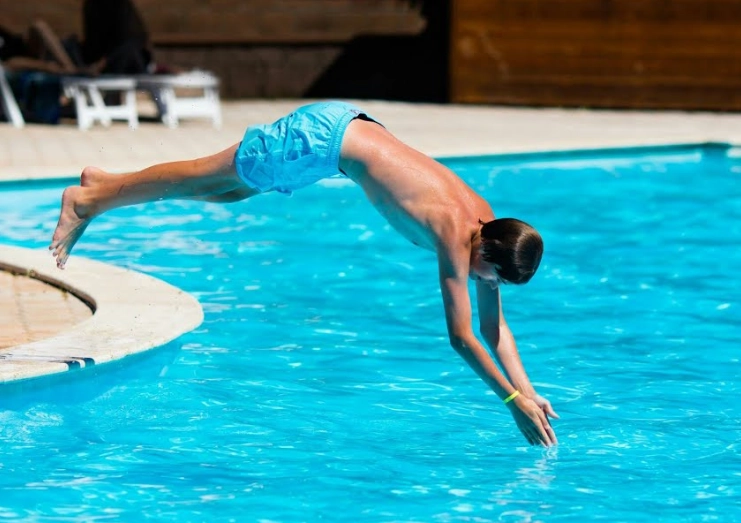
The Launch and Entry: When you can't lean any further without falling, push off gently with your legs. Don't try to leap to the other end of the pool. The goal is to follow through with the lean. Your body should enter the water in this order: fingertips, head, arms, torso, hips, legs, feet. Aim to enter at a shallow angle, like sliding your hand into a sleeve.
The Underwater Glide: Once submerged, hold your streamline. Let your momentum carry you forward for a few feet before you begin to kick and pull to the surface.
How to Master Competitive Starts and Turns?
This is where diving gets technical. A world-class start can be up to a second faster than an average one. In a 50-meter sprint, that's the race.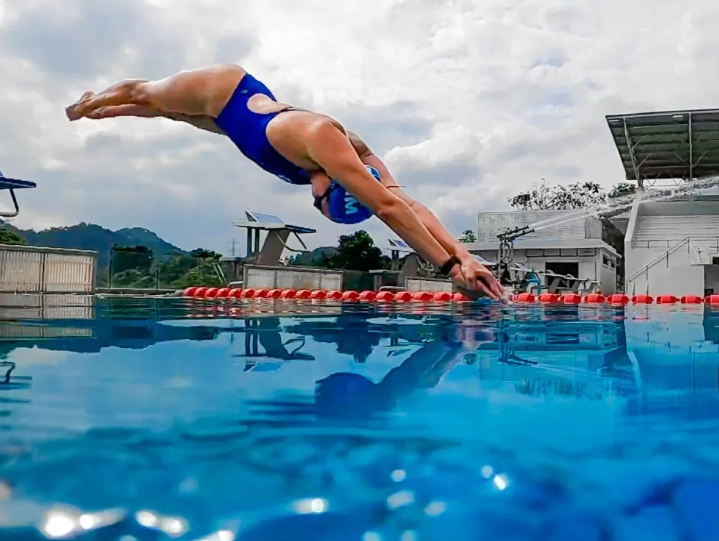
The Track Start (The Modern Standard)
Most elite swimmers use a track start. One foot is forward, toes gripping the front of the block. The other foot is back, providing the primary driving power. It offers better balance and a quicker reaction time to the starting signal.
On the command "Take your marks," you lower into a crouch, grabbing the front of the block. Your back is rounded, head down. You're coiled like a spring. At the beep, you explode forward, not upward. Your arms swing back and then immediately snap forward into a streamline as your legs drive you off. The entry is a tight, head-between-arms hole punch into the water.
The Grab Start (The Power Option)
Less common now, but still used. Both feet are at the front of the block, side-by-side. You grab the block between your feet. It can generate more raw power off the block but is slightly slower on reaction time. The launch mechanics are similar—explosive drive forward into a tight entry.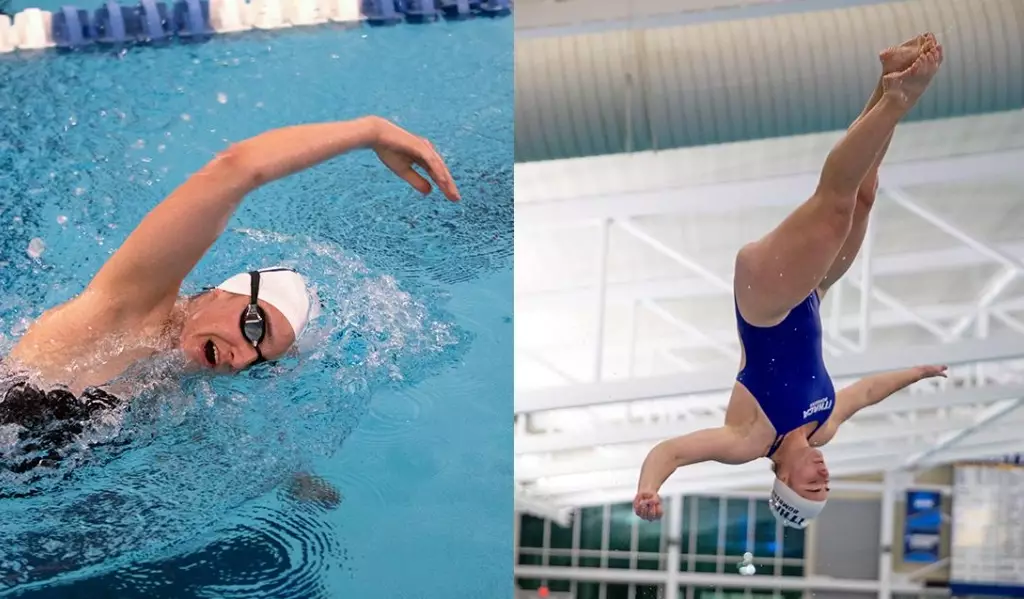
After entry, you don't just start swimming. You maintain a powerful underwater dolphin kick (for freestyle and backstroke) in a tight streamline. FINA rules limit this to 15 meters before you must surface. Finding the perfect breakout point—the moment you start your stroke—is a skill in itself. Surface too early, you lose the speed of the glide. Surface too late, you lose momentum.
Common Diving Mistakes (And How to Fix Them)
Let's diagnose the typical pain points. You've probably experienced one of these.
The Belly Flop: The classic. It happens when your body is flat or your hips drop. Fix: Ensure your arms and head are leading. Think "fingertips to water first." Practice leaning further forward before you push.
The Over-Jump: You launch too high and come down vertically, stalling your momentum. Fix: Remember, you're diving *forward*, not *up*. Focus on driving your energy horizontally. A good cue is to try and "skim" just over the surface of the water.
The "Bouncing" Entry: Your legs are bent or apart as you enter, causing drag and slowing you down instantly. Fix: Squeeze your legs together tightly, point your toes, and engage your core to keep your body rigid like a plank from fingers to toes.
Looking Down on Entry: This kills streamline and can strain your neck. Fix: Keep your head in a neutral position, locked between your arms. Your eyes should look at the pool bottom a few meters ahead, not right beneath you.
Drills and Exercises to Improve Your Dive
You don't need a pool for all of these. Dryland practice builds the muscle memory.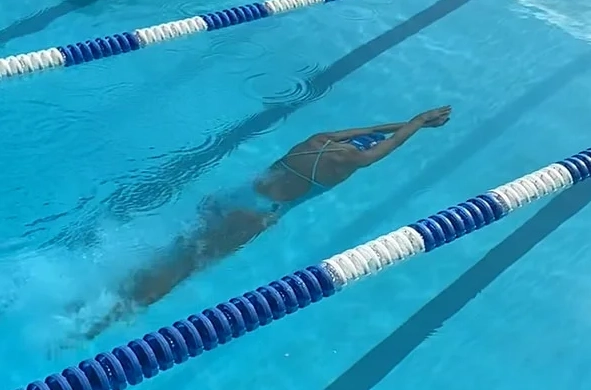
1. The Lean Drill (Dryland): Practice the lean on dry ground. Stand, get into your starting position, and lean forward until you have to step forward to catch yourself. This builds confidence in that forward-fall sensation.
2. Kneeling Dive (In Pool): Start kneeling on one knee at the pool edge. This lowers your center of gravity and simplifies the motion. Focus on leading with your hands and entering cleanly.
3. Streamline Kicking off the Wall: Forget the dive for a moment. Push off the wall on your back or front in a perfect streamline and see how far you can glide. This teaches you what a good, resistance-free body position feels like. That feeling is what your dive is trying to achieve.
4. Block Reaction Drills: With a partner or coach, practice just the reaction to an auditory cue (a clap or a word). Work on the speed of your initial movement from the "take your marks" position.
Consistency beats intensity. Ten focused dives at the end of each swim session will do more for you than one frantic hour of practice a month.




Comments