The proper way to dive isn't just a checklist. It's a mindset and a series of connected actions that keep you safe, protect the marine environment, and maximize your enjoyment underwater. Getting it right means the difference between a stressful, gas-guzzling ordeal and a serene, almost effortless glide. I've seen too many divers, even after certification, struggle with basics because they rushed or skipped steps an instructor hammered home. Let's fix that.
Quick Dive Guide: What You'll Learn
Why Diving the Proper Way is Non-Negotiable
Think of proper diving protocol as the seatbelt of the underwater world. You might get away without it for a while, but when you need it, you really need it. It's about risk management. The ocean doesn't forgive shortcuts. A proper buoyancy check on the surface prevents a runaway descent. A thorough gear inspection spots a leaking O-ring before you're 60 feet down. Following a disciplined ascent profile is your only defense against decompression sickness.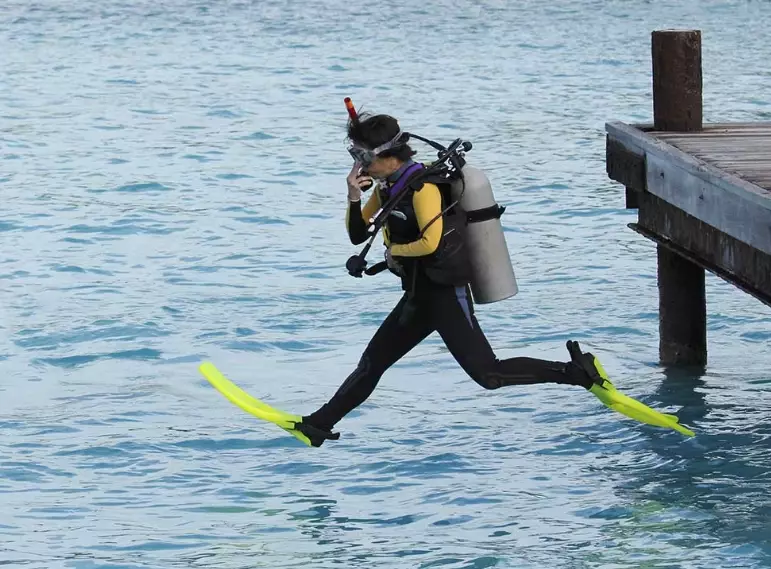
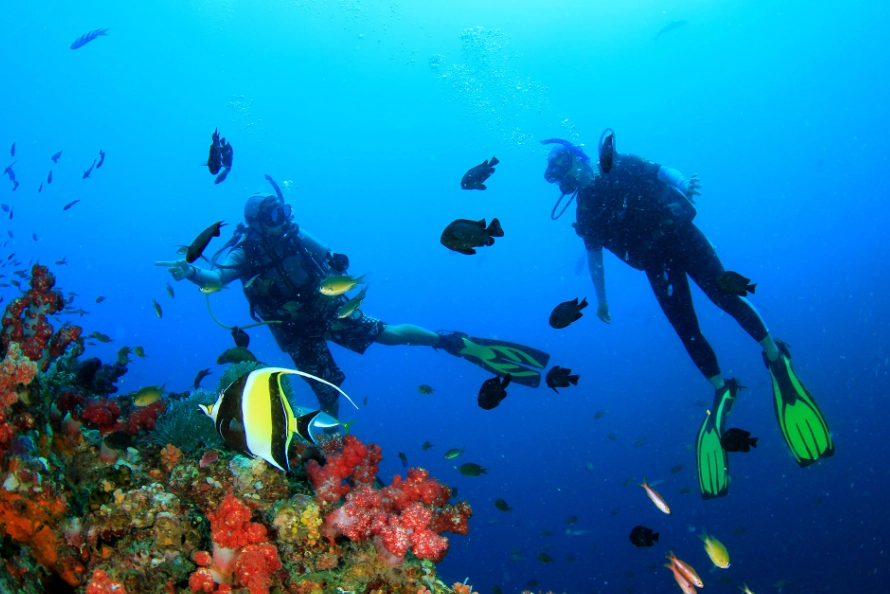
Beyond safety, it's about competence and ecology. Good divers don't crash into coral or stir up the bottom. They move efficiently, conserving air and energy. They have more fun because they're not fighting their equipment or their own body position. The proper way to dive transforms you from a passenger to a pilot.
Your Pre-Dive Ritual: More Than a Checklist
This starts long before you get wet. Most accidents have roots in poor preparation.
Body and Mind Prep
Hydrate well the day before. A dehydrated body is more susceptible to decompression sickness. Eat a light, easily digestible meal a few hours before. Coffee is fine for most, but know your body—it can be a diuretic. Mentally, run through the dive plan. Who's your buddy? What's the max depth? What's our turn-around pressure? Visualize the entry, the route, and the exit.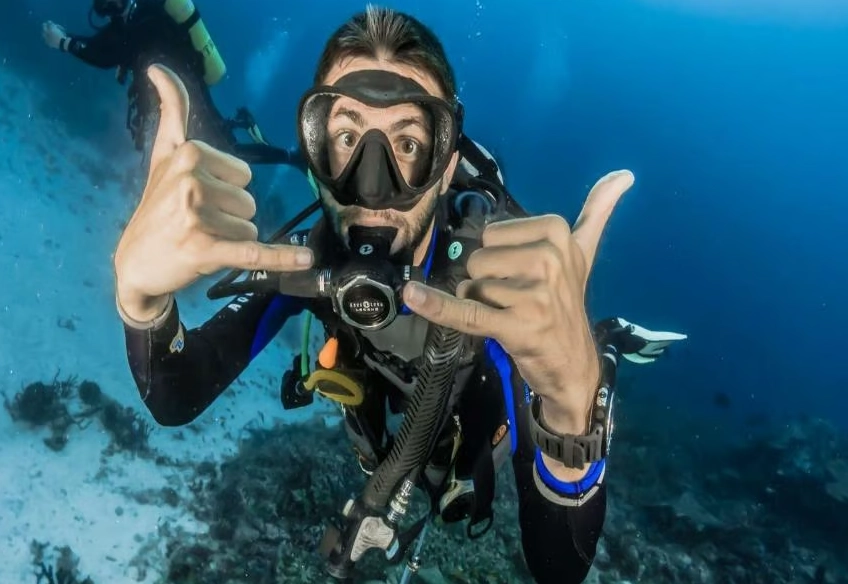
Gear Selection and the BWRAF Check
Your gear is your life support. The pre-dive buddy check (often called BWRAF) is sacred.
- Buoyancy (BCD): Inflate/deflate orally and via the power inflator. Check all dump valves work.
- Weights: Confirm they're secure and you know how to ditch them. Ask your buddy, "How much weight do you have?"
- Releases: Snap and unsnap every buckle and clip on your BCD and tank strap.
- Air: Turn on the tank. Check your SPG (pressure should be high). Inhale from the regulator, then purge it. Check your alternate air source.
- Final Okay: A final visual scan. Hood? Mask? Fins? Computer on? Signal "OK."
I can't stress this enough: do this every single dive. I once had a student's tank band come completely undone during a giant stride entry because we skipped the "R". The tank slid down their back, a terrifying moment that was 100% preventable.
Mastering Entry and Exit Techniques
How you get in and out sets the tone. Choose based on the site.
| Entry Type | Best For | Key Action Most Get Wrong |
|---|---|---|
| Giant Stride | Boats, high docks | Not holding mask & regulator firmly with one hand, leading to them being knocked off. |
| Seated Roll | Low-sided boats (inflatable ribs) | Rolling backwards before the boat is clear, hitting the engine or another diver. |
| Shore Entry | Beaches, rocky shores | Walking backwards in fins (trip hazard). Walk sideways or put fins on last in waist-deep water. |
Upon entry, immediately establish positive buoyancy. Inflate your BCD so you float comfortably at eye level. Give your buddy the "OK" signal. Then, and only then, begin your descent.
The Three Underwater Skills That Define a Good Diver
Once submerged, these are the pillars of proper diving.
1. Buoyancy Control: Your #1 Priority
Perfect buoyancy isn't just cool; it's safe and eco-friendly. It's a constant, tiny adjustment using your breath and BCD. Inhale slightly to rise a foot; exhale to sink. Use short, controlled bursts from your inflator for bigger adjustments. The goal is neutral buoyancy: hovering without moving up or down. A common mistake is over-weighting. If you need more than 4-5 seconds of air in your BCD to stay neutral at your safety stop, you're probably too heavy.
2. Ear Equalization: Start Early, Go Slow
Equalize before you feel pain. The moment your head goes underwater, start. Use the Valsalva maneuver (pinch nose and gently blow) or the more advanced Toynbee (swallow while pinching nose). Descend feet-first, which helps. If you feel pressure, stop descending. Ascend a foot or two until it relieves, equalize again, then continue. Never force it. A trick few use: gently wiggle your jaw from side to side while equalizing; it can help open the tubes.
3. Efficient Finning: The Frog Kick
The flutter kick you learned first is inefficient and kicks up silt. The frog kick is the proper way to move underwater. From a horizontal position, draw your heels up toward your body, then kick out and back in a circular motion, like a frog. It provides powerful thrust with minimal effort and almost zero disturbance to the bottom. It takes practice but doubles your air time and keeps visibility crystal clear for you and others.
The Most Critical Phase: Your Ascent and Safety Stop
This is where discipline is paramount. Follow your computer, but the golden rules are:
- Ascend slower than your smallest bubbles. A rate of 30 feet (9 meters) per minute is the max. That's painfully slow. Look at your computer's ascent rate indicator.
- Make a safety stop at 15 feet (5 meters) for 3 minutes on every dive, even if your computer doesn't require it. It's a cheap insurance policy against decompression sickness. Hang there, check your gauges, watch the fish.
- At the surface, inflate your BCD before you take your regulator out of your mouth. Sound obvious? You'd be surprised how many exhausted divers gasp for air while still sinking.
Troubleshooting Common Dive Problems
The proper way to dive is a journey, not a destination. It's about building habits so solid they become instinct. It's about respecting the medium you're in. Start with the basics in this guide—the BWRAF check, the slow ascent, the frog kick. Master those, and you're not just diving; you're diving properly. The ocean will reward you with longer, safer, and far more beautiful experiences.




Comments