You typed "how many techniques are there in swimming?" into Google. You probably expect a simple number. The short, textbook answer is four—the four competitive strokes: freestyle, backstroke, breaststroke, and butterfly. But if you've ever watched a lifeguard patrol, seen an older swimmer glide effortlessly, or tried to swim with your clothes on, you know there's more to it. That simple number doesn't capture the full picture. The real answer is more layered. At its competitive core, yes, there are four official techniques governed by bodies like FINA (Fédération Internationale de Natation). But expand your view to include survival, recreation, and training, and you're looking at a dozen or more distinct ways to move through the water. This guide dives past the basic count to explore what each technique is, who it's for, and why knowing more than just freestyle can make you a safer, more versatile swimmer.
In This Article
The Core Four: Competitive Swimming Strokes
These are the stars of the Olympic pool. Every swimmer serious about speed or fitness needs to know them. They're defined by specific rules for starts, turns, and arm/leg movements. Mastering even one can transform your workout.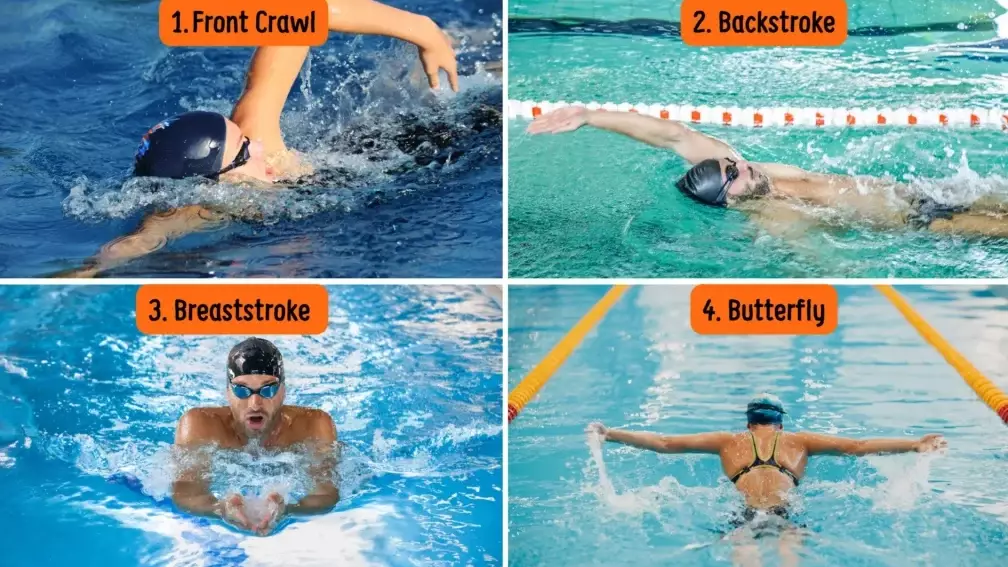
Freestyle (Front Crawl)
It's the fastest and most efficient for most people. The name's a bit misleading—in races, you can swim any style, but everyone chooses front crawl because it's quick. The motion is an alternating windmill arm pull with a flutter kick. Breathing is to the side. The biggest mistake beginners make is lifting their head to breathe instead of rotating it, which sinks the hips and creates drag. A tip from coaching: think about driving your elbow high and forward during the recovery, like you're reaching over a barrel.
Backstroke
Imagine freestyle, but on your back. It uses an alternating arm motion and a flutter kick. The challenge is spatial awareness—you can't see where you're going. Swimmers use overhead flags to count strokes into the wall. A common flaw is letting the hips sink too deep, creating a "sitting" position. The key is to keep your head still, eyes looking up, and press your chest slightly upward to keep the body line flat.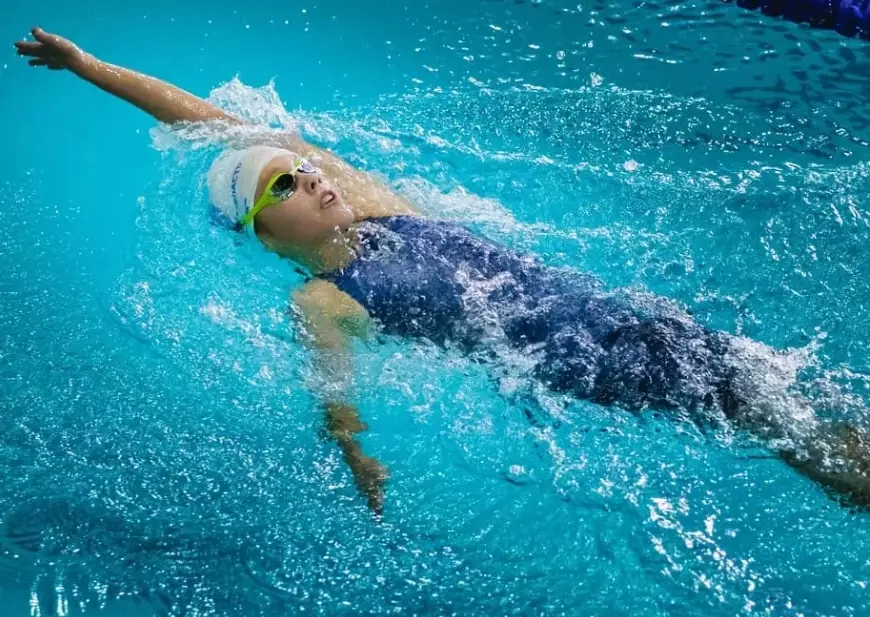
Breaststroke
This is the slowest competitive stroke but arguably the most technical. It's the only one where the arms and legs move symmetrically and underwater. The kick is a whip-like motion, not a frog kick. The timing is crucial: pull, breathe, kick, glide. Most people rush the glide. That moment of streamline is where you recover and let your momentum carry you. Get it wrong, and you fight the water instead of moving with it.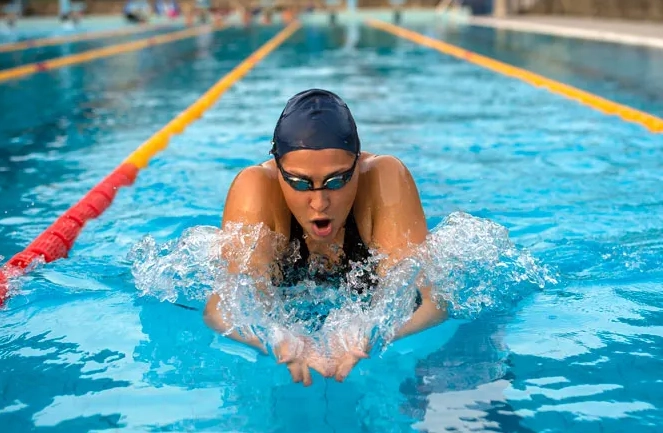
Butterfly
The powerhouse. It's demanding, requiring strong core and shoulder strength. The body moves in an undulating dolphin motion, with both arms recovering simultaneously. It's not about brute force; it's about rhythm and wave propagation. A subtle error even intermediates make is kicking too much from the knees. The power should initiate from the core and chest, with the legs following as one unit. The second kick (as the hands enter) is often weaker but vital for maintaining rhythm.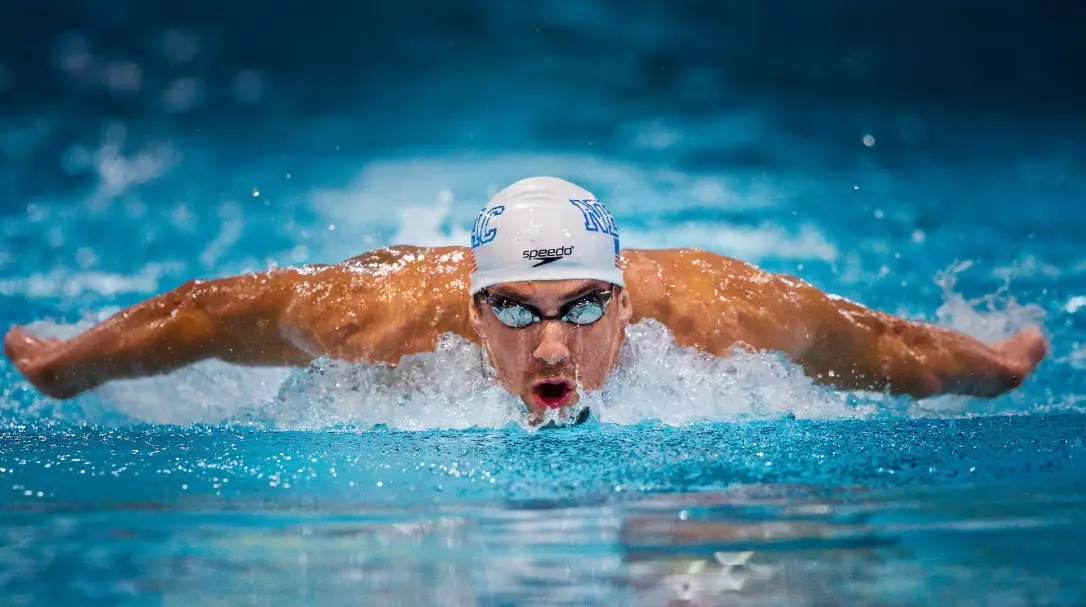
| Stroke | Key Technical Focus | Best For | Common Beginner Hurdle |
|---|---|---|---|
| Freestyle | Body rotation & side breathing | Speed, endurance, fitness | Breathing without swallowing water |
| Backstroke | Body position & straight arm recovery | Shoulder-friendly swimming, back strength | Swimming in a straight line |
| Breaststroke | Timing (pull-breathe-kick-glide) & whip kick | Conservation of energy, recreational swimming | Inefficient kick causing drag |
| Butterfly | Core-driven undulation & two-kick rhythm | Power development, advanced technique | Lack of core coordination, fatigue |
Beyond Competition: Essential & Recreational Techniques
This is where the "how many" question gets interesting. If you only know the four competitive strokes, you're missing a toolkit for real-world water situations.
Sidestroke. You won't see this in a race, but lifeguards and military personnel swear by it. You swim on your side with a scissor kick and an asymmetric arm pull. It's incredibly efficient for long distances while towing someone or carrying equipment because your face stays above water. It's the unsung hero of survival swimming.
Elementary Backstroke. Think of it as a relaxed, survival-oriented cousin of competitive backstroke. The arms perform a simultaneous, sweeping "chicken, airplane, soldier" motion, and the legs do a whip (breaststroke) kick. It's slow, stable, and conserves energy. Perfect for a calm, restorative swim or if you need to float and move with minimal effort.
Survival Strokes & Treading Water. This isn't one stroke, but a category. It includes techniques like the survival backstroke (a slower elementary backstroke) and sculling with small hand movements to keep your head above water. The goal isn't speed, but keeping your airway open with the least energy. The U.S. Navy SEALs' drown-proofing techniques fall here. Treading water effectively, using an eggbeater kick (circular motions with each leg), is a fundamental technique everyone should master.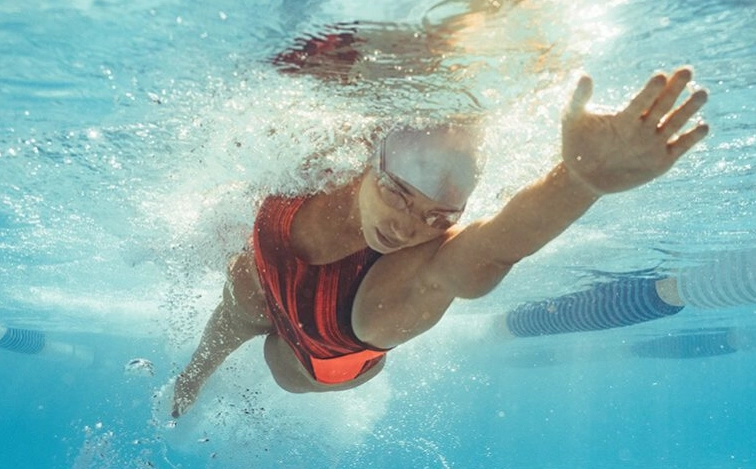
Personal Take: I spent years only focused on freestyle times. Then I took a lifeguard course and learned the sidestroke. It was a revelation. The stability and ease of breathing completely changed how I view "efficiency" in the water. It's not always about going fast; sometimes it's about going far, or just staying safe.
How to Choose Your First (or Next) Stroke
Don't just pick the fastest one. Match the technique to your goal.
For absolute beginners: Start with freestyle for its overall utility and transferable skills. But if putting your face in the water is a major barrier, begin with elementary backstroke to build comfort and body awareness. It gets you moving without the stress of breathing coordination.
For fitness swimmers with joint concerns: Backstroke is fantastic for shoulder mobility and strengthening the back muscles often neglected by desk jobs. Breaststroke can be gentle if you have a good, fluid technique, but a poor kick can strain the knees. Listen to your body.
For triathletes or open water swimmers: Freestyle is non-negotiable for efficiency. However, practicing a few lengths of sidestroke or elementary backstroke is a smart safety skill. If you get a cramp or need to sight in rough water, switching to a stable, heads-up stroke can be a race-saver.
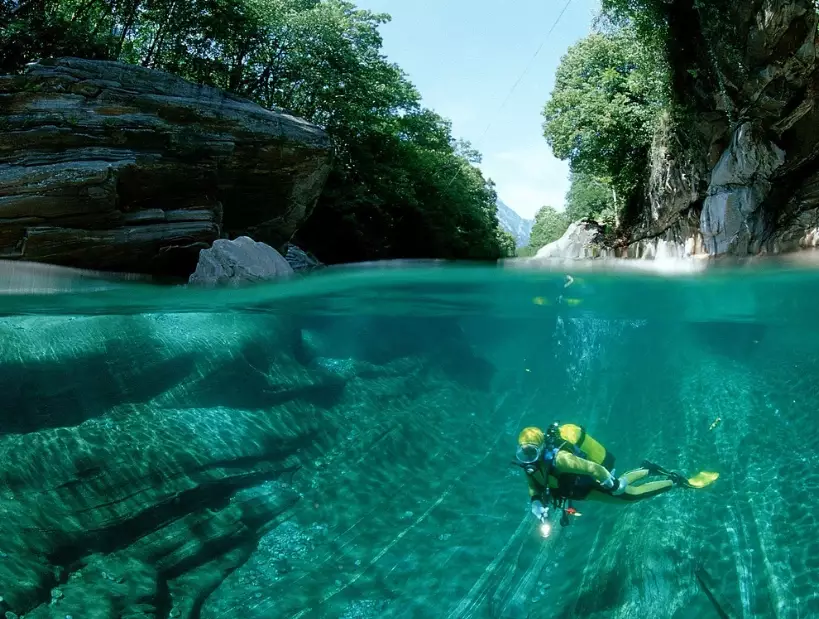
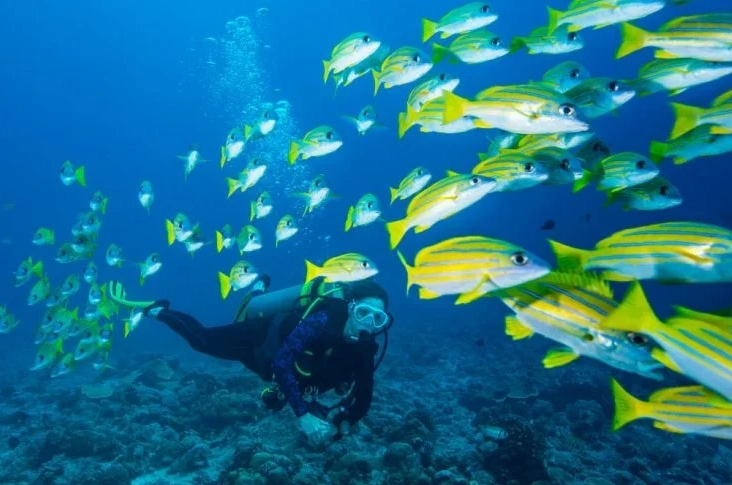
For divers and snorkelers: A modified, slow breaststroke or sidestroke with fins is often more practical than a splashy freestyle, allowing you to move while observing below.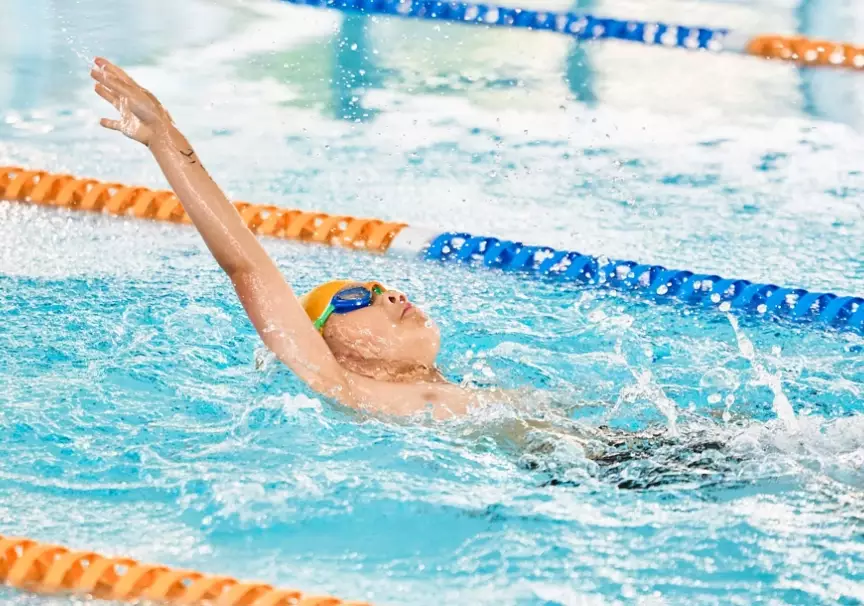
What Are the Most Common Swimming Technique Mistakes?
Here's where experience talks. Beyond "breathe to the side," there are subtle errors that hold people back.
Freestyle: The Sinking Legs
It's not just about kicking harder. The root cause is usually in the upper body. If you're looking straight down instead of at the bottom of the pool, or if you're over-reaching and crossing your hand over the centerline, your hips will twist and drop. Fix the head and hand position before blaming the kick.
Breaststroke: The Pause That Doesn't Exist
New swimmers often perform the stroke in distinct, separate parts: pull, THEN breathe, THEN kick. This kills momentum. The motion should be fluid and overlapping. You start the breath as you initiate the pull, and you start the kick as your hands come together. The glide happens naturally at the end.
Butterfly: The Over-Kicker
People think a huge kick is needed. It leads to exhaustion. The power comes from the core undulation. The kick should be a natural extension of that body wave, not a frantic knee-bend. Focus on feeling the wave move from your chest to your toes, not on forcefully slamming your legs down.
Taking It Further: Drills, Hybrids, and Specialized Techniques
Once you have the basics, the world expands. Coaches use countless drills to isolate parts of a stroke. Fingertip drag for freestyle recovery. One-arm butterfly for rhythm. These aren't new techniques per se, but they are specific methods for improving them.
Then there are adapted techniques for specific gear. Fin swimming uses a totally different, monofin-driven dolphin kick. Combat sidestroke, used by the U.S. military, is a hyper-efficient, low-profile version of the sidestroke designed for stealth.
So, back to the original question. A strict count? Four primary competitive strokes. A practical, real-world count including survival and recreational styles? At least eight to ten distinct, named techniques that every well-rounded swimmer should be aware of.
Your Swimming Technique Questions Answered
I'm a total beginner. Which swimming technique should I learn first?
Most learn-to-swim programs start with freestyle fundamentals because the flutter kick and body position are foundational. However, if you have a deep fear of putting your face in the water, starting with elementary backstroke can build crucial water confidence. You'll be moving and floating successfully, which makes tackling freestyle breathing less daunting. The best first technique is the one that gets you comfortable and coming back to the pool.
Is there one "best" swimming technique for overall fitness?
Not really. Each stroke works different muscle groups. Freestyle is great for cardio and overall tone. Breaststroke engages more inner thigh and chest. Butterfly is an intense core and shoulder workout. Backstroke counters hunched posture. For the best overall fitness, incorporate multiple strokes into your workout. A mix challenges your body in different ways and prevents overuse injuries from repetitive motion.
Why does my breaststroke feel so slow and tiring compared to others?
You're likely fighting drag. The two biggest culprits are a wide, inefficient kick that acts like a brake, and a lack of glide. During the kick, your heels should snap towards your buttocks (not wide apart) and then whip back together. After the kick, you must have that streamlined glide with arms extended and head down. Rushing to the next pull before you've finished gliding is like hitting the gas and brake at the same time. Focus on a narrow, powerful whip kick and consciously extend your glide for a full second.
I know the four strokes. What's the next most useful technique to learn?
The sidestroke. It feels different but it's a game-changer for open water confidence, rescue scenarios, or just a change of pace. It's the most energy-efficient way to swim with your head up. Learning it also improves your feel for the water and body alignment. After that, master efficient treading water using the eggbeater kick—it's a fundamental survival skill that many casual swimmers never properly learn.
How important is perfect technique if I'm just swimming for fun and health?
Moderately important, but don't let the pursuit of perfection stop you. Good technique isn't about looking like an Olympian; it's about efficiency and injury prevention. A sloppy freestyle with a crossed-over arm pull can lead to shoulder pain over time. A breaststroke with poor kick mechanics can hurt your knees. Aim for "good enough" technique that allows you to swim continuously, comfortably, and without pain. A few lessons to correct major flaws are a worthwhile investment for any regular swimmer.


Comments