Let's be honest. When you first see a scuba diver suited up, it looks complicated. All those hoses, gauges, and straps. But here's the truth: every single piece of scuba diving equipment serves a clear, often life-sustaining purpose. Understanding what each item does, and more importantly, how to choose the right one for you, is the difference between a stressful, uncomfortable dive and feeling like you're flying. This isn't just a gear list. It's a manual for making smart decisions, whether you're renting for a vacation or building your own kit, potentially saving you thousands and countless headaches.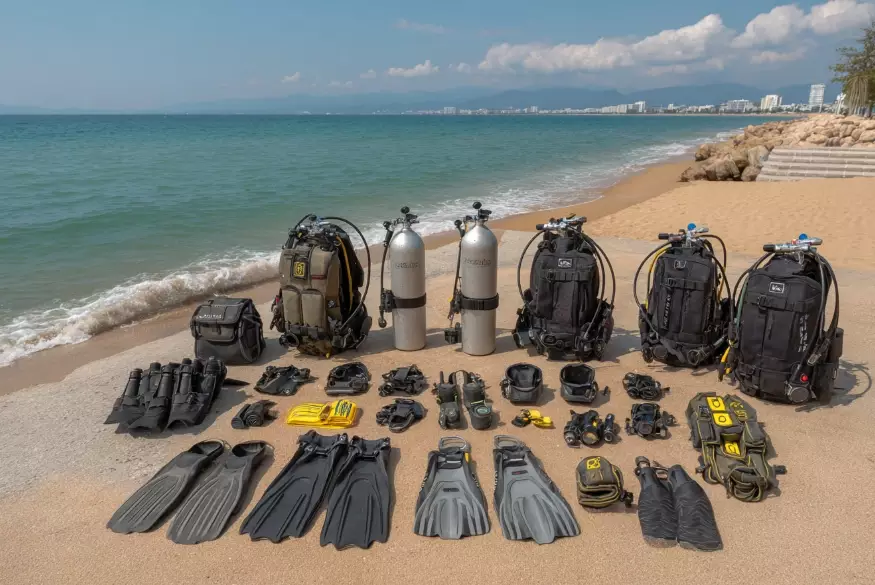
Your Quick Dive Gear Navigation
What is Scuba Diving Equipment? The Core Components
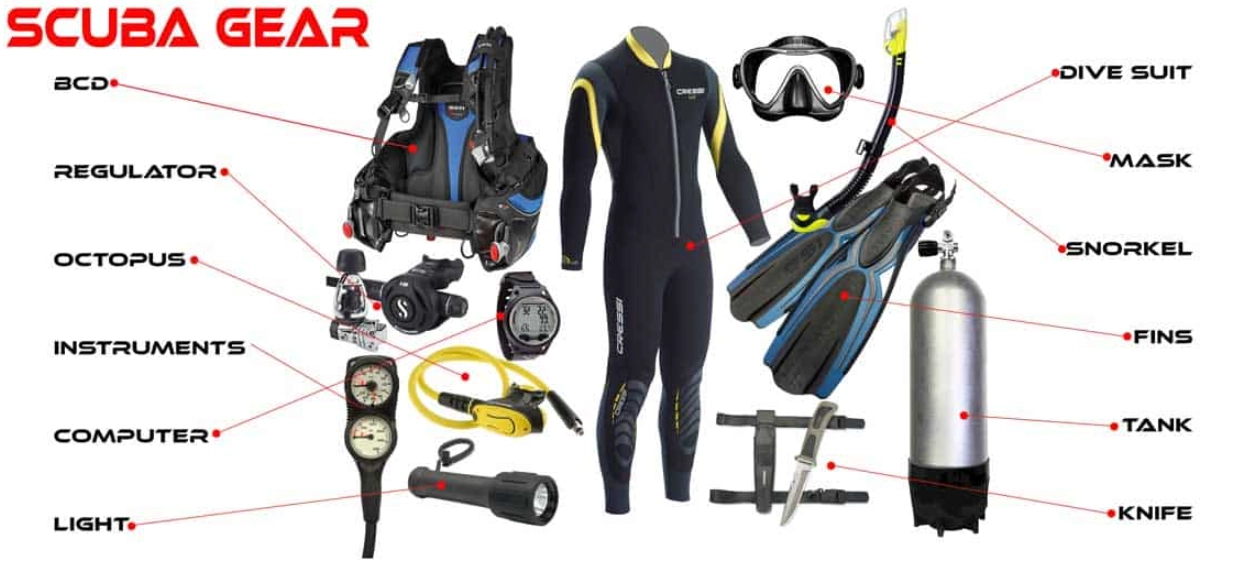
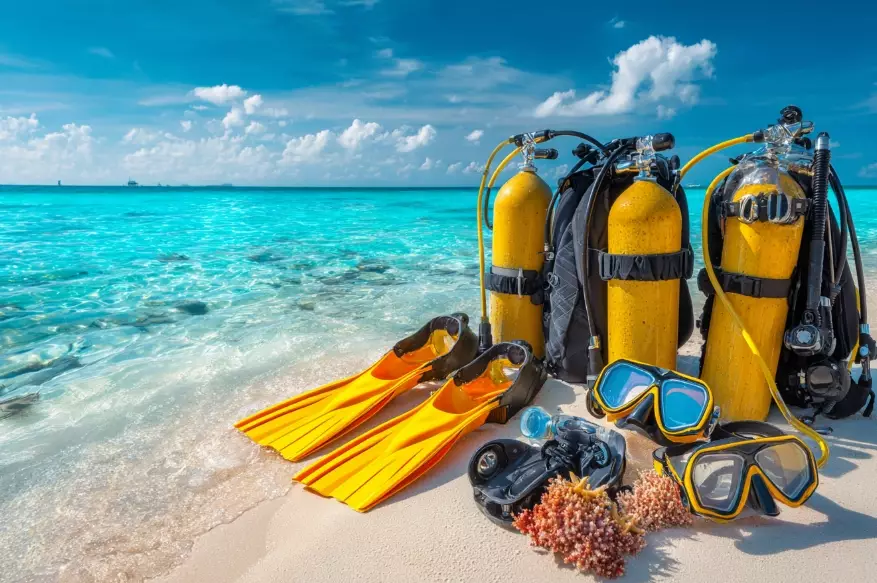
Scuba gear breaks down into four systems: what you breathe with, what you wear, what you control buoyancy with, and what keeps you informed. Miss one, and you're not going diving.
The Life Support System: Regulator, Tank, and Gauges
This is the heart of the operation. The scuba tank holds high-pressure air. The regulator is a genius piece of engineering that reduces that tank pressure to something you can breathe comfortably. It consists of a first stage (attaches to the tank), a primary second stage (the mouthpiece you breathe from), and an alternate air source (your buddy's backup).
Most new divers focus on the brand of the regulator. A more critical factor is its performance in cold water and its service network. A mid-range regulator from a major brand like Apeks or Scubapro that can be serviced at any dive shop in the world is a wiser choice than a fancy boutique brand you can't get fixed on a liveaboard in the Maldives.
The console or your dive computer shows your depth, tank pressure, and direction. This is your dashboard.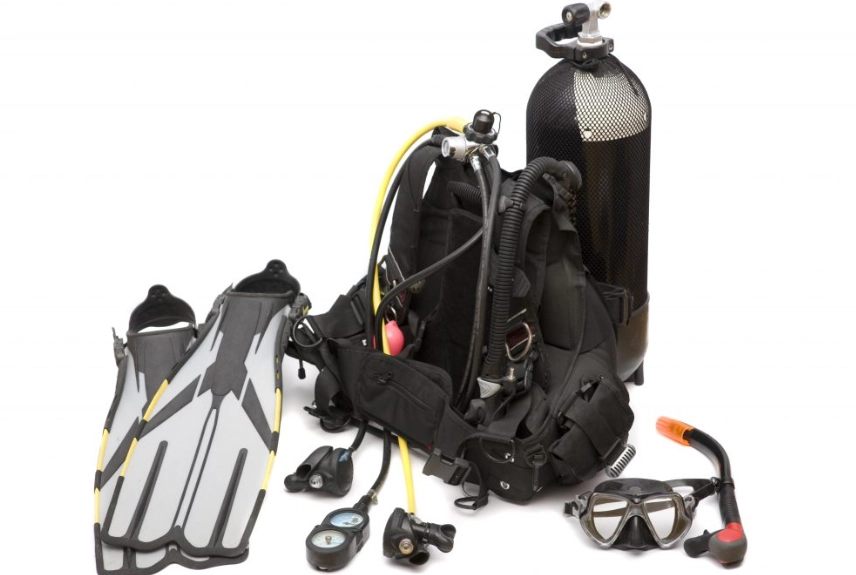
Exposure Protection: Wetsuits, Drysuits, and Skins
You lose heat 25 times faster in water. A wetsuit doesn't keep you dry; it traps a thin layer of water that your body heats up. Fit is everything. A loose wetsuit flushes with cold water constantly, making you shiver. I made this mistake on my first cold-water dive in Monterey—I rented a suit that was too big, and I was miserably cold after 20 minutes.
Thickness (3mm, 5mm, 7mm) depends on water temperature. For tropical diving (80°F/27°C+), a 3mm shorty or full suit is fine. For cooler temps (60-75°F/15-24°C), you need a 5mm or 7mm, often with a hood. Below that, consider a dry suit, which keeps you completely dry—a game-changer but requiring specialized training.
Buoyancy Control: The BCD (Buoyancy Compensator Device)
The BCD is your underwater elevator. You add air to it from your tank to ascend or become neutrally buoyant, and release air to descend. It also carries your tank. The big choice is between jacket-style and back-inflation (wing) BCDs.
Jacket styles wrap around you and are common in rentals. They can feel restrictive to some. Back-inflation wings provide more freedom of movement and often better trim (horizontal position in the water), preferred by many experienced divers. Try both in a pool before you buy.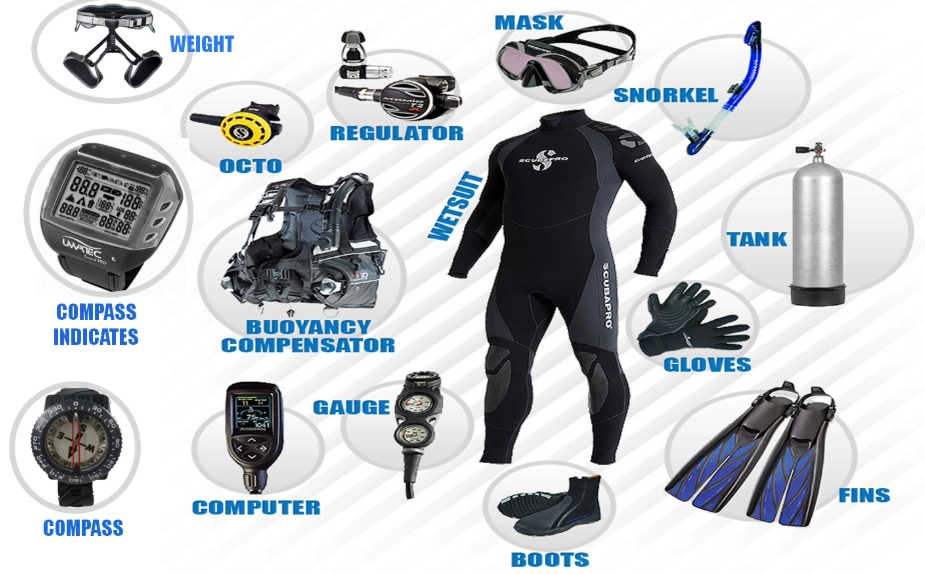
Vision, Mobility, and Safety: Mask, Fins, Snorkel & Accessories
These are personal. A leaking mask ruins a dive. To test fit, place the mask on your face without the strap, inhale gently through your nose, and let go. It should stay suctioned to your face. No hair in the skirt. Fins need to match your leg strength and diving style. Paddle fins are simpler; split fins can reduce fatigue. A snorkel is useful for surface swims. Don't forget a surface marker buoy (SMB) and a dive knife or cutting tool—not for fighting sharks, but for entanglements.
| Equipment | Primary Function | Key Consideration for Choosing |
|---|---|---|
| Regulator | Delivers breathable air at ambient pressure | Cold-water performance, service availability, environmental sealing |
| Buoyancy Compensator (BCD) | Controls ascent/descent, carries tank | Fit (jacket vs. back-inflation), integrated weight pockets, lift capacity |
| Exposure Suit | Preserves body heat | Material (neoprene thickness), fit (must be snug), seam construction |
| Mask | Provides air space for clear vision | Skirt fit (no leakage), field of view, low volume for easy clearing |
| Fins | Provides propulsion and maneuverability | Foot pocket comfort, blade stiffness (power vs. effort), open heel vs. full foot |
| Dive Computer | Tracks depth, time, and no-decompression limits | Air integration, nitrox capability, user interface readability |
How to Choose Scuba Diving Equipment: A Step-by-Step Guide
Buying gear is an investment. The wrong approach is to walk into a shop and buy the shiniest setup. The right approach is methodical.
Start with the Mask, Fins, and Snorkel. These are relatively low-cost, highly personal, and you'll use them on every dive, even when renting other gear. A good mask lasts a decade. Go to a physical store, try on every mask that fits your face shape. For fins, consider if you'll mostly be traveling (lighter, compact fins) or diving locally (more powerful, possibly heavier fins).
Move to Exposure Protection. Your diving location dictates this. A diver in Thailand needs a different wetsuit than a diver in Scotland. If you dive in varied climates, a 5mm might be your best all-rounder. Remember, you can always add a hooded vest for cooler dives.
Invest in a Reliable Regulator and Dive Computer. This is where you should not automatically choose the cheapest option. Your regulator is your lifeline. Look for models with good reviews for breathing ease and durability. Your dive computer is your brain. Get one that supports the type of diving you plan to do (e.g., nitrox, maybe trimix later). A wrist-mounted computer is often more convenient than a console.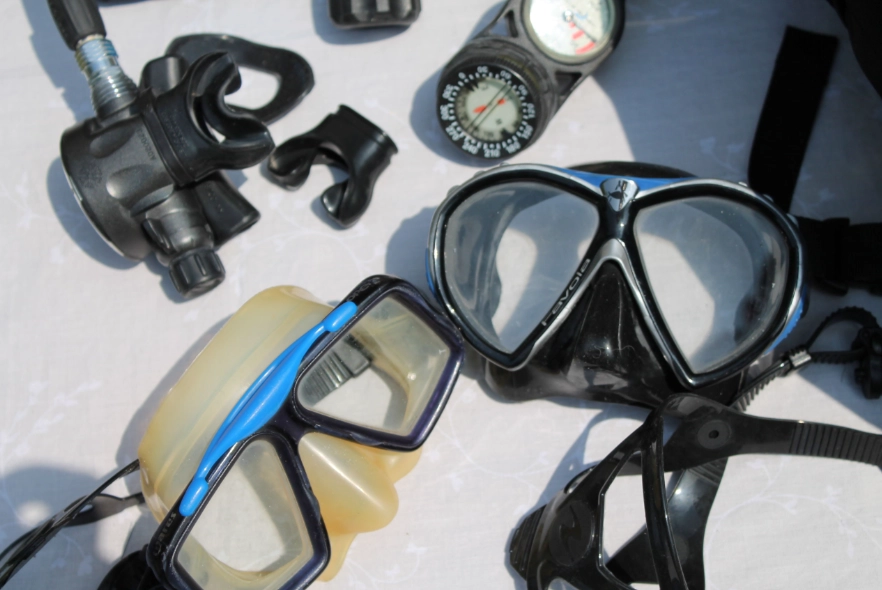
Select Your BCD Last. Why? Because your BCD needs to work with your body, your tank, and your exposure suit. A BCD that's perfect when you're wearing a swimsuit might be too tight with a 7mm wetsuit. Try it on with the thickness of exposure suit you'll typically wear.
A common mistake is buying a full set of entry-level gear as a package. Often, you'll outgrow the BCD and regulator quickly. It's sometimes better to buy a mid-range regulator/computer first and rent the BCD until you're sure of your preferred style.
How Do You Maintain Your Scuba Diving Equipment?
Neglecting maintenance is how good gear dies early and, more importantly, how it fails you underwater.
- Post-Dive Rinse: This is non-negotiable. Rinse everything—regulator, BCD, tank, computer, suit—with fresh water after every dive, especially if you've been in salt water. Salt crystals are corrosive and abrasive.
- Regulator Servicing: Follow the manufacturer's schedule, typically annually or every 100 dives. This isn't a suggestion. An unserviced regulator can experience creep (a slow leak) or, worse, a freeflow or failure to deliver air. I send mine in every winter, like clockwork.
- BCD Care: Rinse the inside by partially inflating it and swishing fresh water through the oral inflator. Let it dry fully inflated, out of direct sunlight. Check for leaks periodically.
- Wetsuit Care: Rinse inside and out. Use wetsuit shampoo occasionally. Hang on a thick, padded hanger to dry—never a wire hanger, which creates permanent shoulder bumps.
- Storage: Store gear in a cool, dry place out of sunlight. Regulator hoses should be stored in large, loose loops, not kinked. Keep dust caps on your regulator first stages.
Smart Budget Options: New, Used, and Rental Gear
Not everyone needs or wants to buy everything new. Here's a realistic breakdown.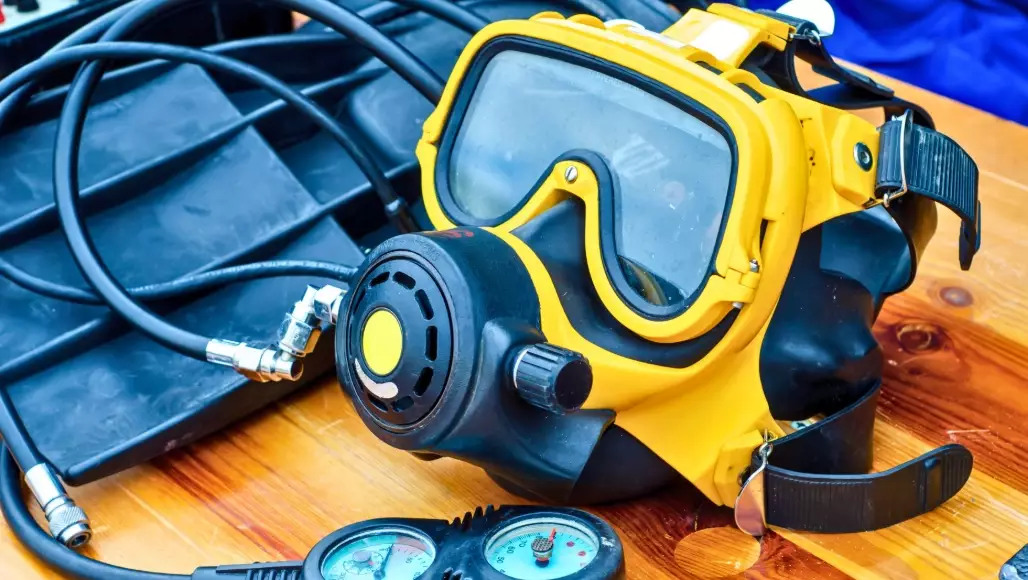
Renting: Perfect for beginners, occasional vacation divers, or trying new gear types. It's hassle-free travel. The downside? Fit and condition can be inconsistent. Always do a thorough pre-dive check on rental gear.
Buying Used Scuba Diving Equipment: This can be a fantastic way to save 30-50%. But you have to be smart.
What's generally safe to buy used? Tanks (if they have a current visual inspection and hydrostatic test stamp), weights, weight belts, maybe a BCD if it holds air and the bladder isn't cracked, and exposure suits if they fit perfectly. Masks and fins are cheap enough new that used often isn't worth it.
Buying New: You get warranties, the latest tech, and peace of mind. Shop around at local dive stores (LDS) and online retailers. Support your LDS for services like fitting and repairs, even if you buy some items online.
Your Scuba Gear Questions Answered
 How often does scuba gear need to be replaced?

Comments