Ask any group of divers which of the 11 basic scuba diving equipment items is most important, and you'll start a passionate debate. The mask enthusiast will argue for clear vision. The wetsuit loyalist will preach thermal protection. The gadget lover will champion the dive computer.
But after guiding hundreds of students and logging over a thousand dives, I've learned the hard way that this is the wrong question. Thinking about gear as a "top 10" or "top 11" list is a beginner's trap. It frames everything as equally optional, which it is not.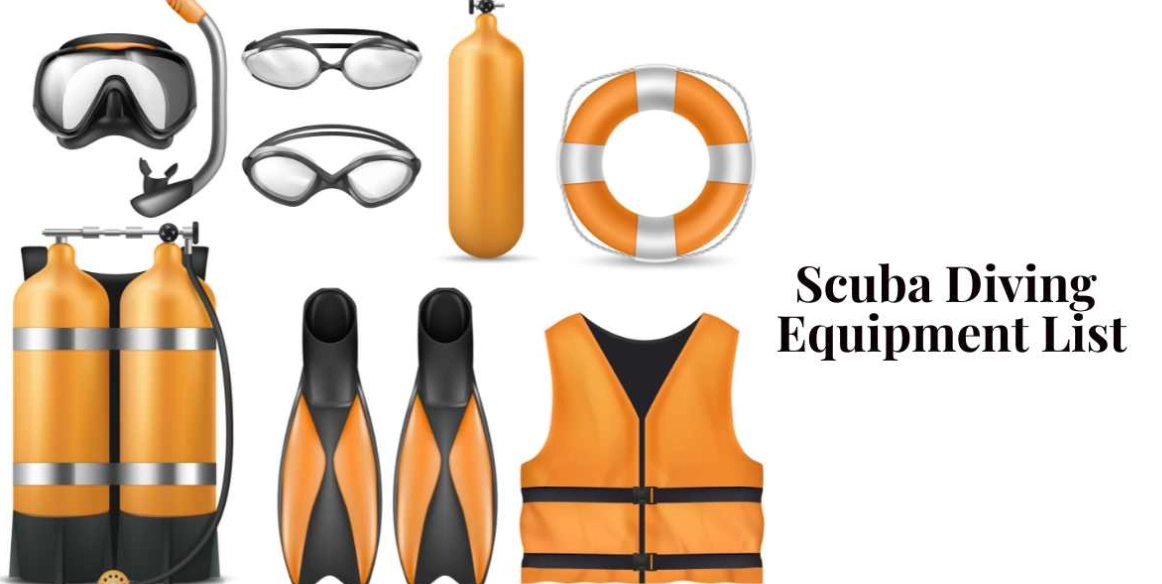
The real answer isn't about picking a favorite toy. It's about understanding a hierarchy of survival. Some equipment is for comfort. Some is for function. A very small subset is for keeping you alive when things go sideways. That's the lens we need to use.
So, let's reframe. Instead of asking "which one?", we ask: "Which category of gear is non-negotiable for a safe return to the surface?" The answer becomes blindingly obvious, and it reshapes how you buy, maintain, and think about your entire kit.
Your Quick Dive Plan
The Survival Hierarchy: Rethinking the 11 Basics
Forget alphabetical lists. We need to group the 11 basic scuba diving equipment pieces by their fundamental purpose. I break them into three tiers, and this mental model is more valuable than any product review.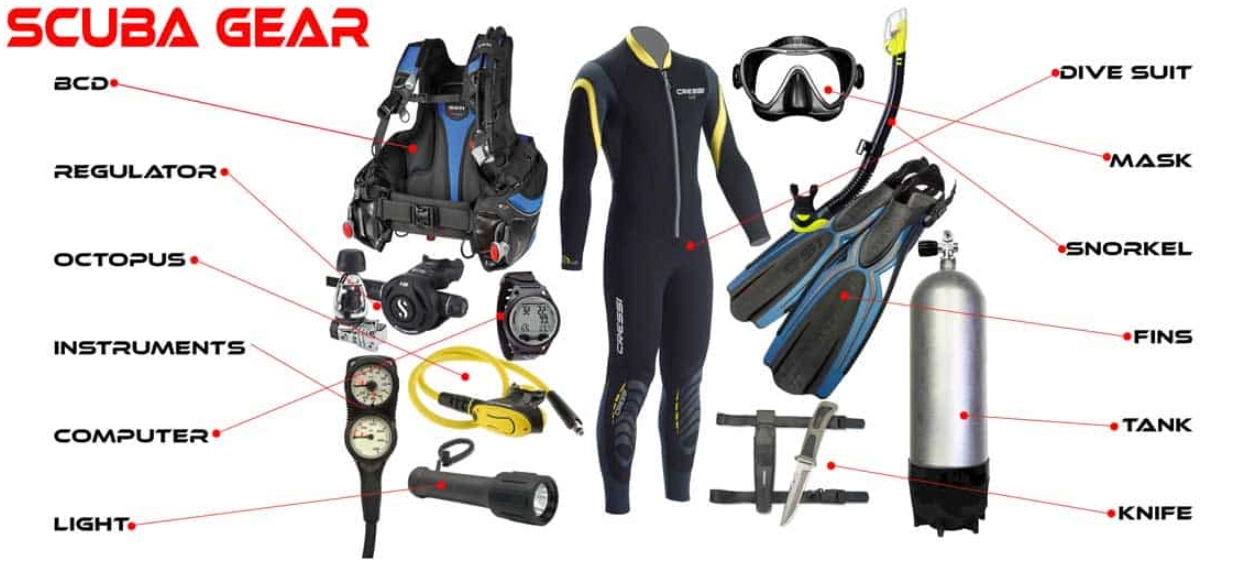
| Tier | Purpose | Equipment Examples | Mindset |
|---|---|---|---|
| Tier 1: Life Support | Directly enables breathing and controlled ascent. Failure here can lead to serious injury or death within minutes. | Regulator, Buoyancy Control Device (BCD), Cylinder (Tank) | Zero compromise. Invest first. Maintain religiously. |
| Tier 2: Critical Interface | Connects you to the environment. Failure causes major stress, aborts the dive, but usually allows a safe exit. | Mask, Fins, Exposure Suit (Wetsuit/Drysuit), Weight System | Personal fit is king. Comfort directly impacts safety and air consumption. |
| Tier 3: Information & Enhancement | Improves safety, planning, and enjoyment. Diving is possible without them, but far less safe or enjoyable. | Dive Computer, Surface Marker Buoy (SMB), Snorkel, Dive Light (for day dives) | Adds layers of safety. Acquire after Tiers 1 & 2 are solid. |
See the shift? The "most important" gear lives in Tier 1. But even within Tier 1, there's a pecking order.
The Non-Negotiable One: Life Support Over Everything
If you forced me to name one single piece of the 11 basic scuba diving equipment as the most important, it's the regulator.
Not the shiny dive computer. Not the camera. The regulator.
It's the device that takes high-pressure air from your tank and delivers it to your lungs on demand, at ambient pressure. It's a literal lifeline. A failure here isn't an inconvenience; it's an immediate, life-threatening emergency.
Think of it this way: Your BCD manages your buoyancy. Your tank holds the air. But the regulator is the gatekeeper. A free-flowing regulator can empty your tank in under a minute. A regulator that freezes or breathes hard increases your work of breathing, skyrocketing your air consumption and stress levels. A regulator that suddenly stops delivering air initiates the most critical emergency procedure in diving.
I remember a dive in cold, murky water where my primary regulator started to free-flow. The roar of bubbles was deafening, and my vision vanished in a cloud of escaping air. My dive was over in that instant. My focus snapped entirely to switching to my alternate air source (my octopus) and making a controlled ascent. Nothing else on my body mattered at that moment except that backup regulator working flawlessly. It did, because I serviced it on schedule. That experience wasn't in the manual; it burned the regulator's paramount importance into my brain.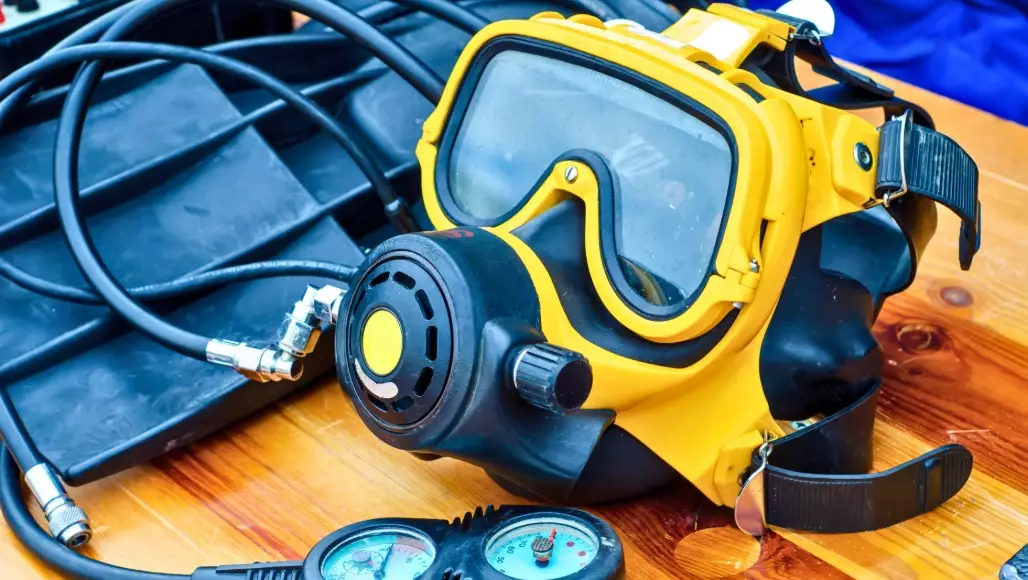
The $1000 Mistake Most New Divers Make
New divers often get this backwards. They blow their budget on a high-end dive computer with color screens and wireless air integration while renting a regulator that's been knocked around by a hundred other beginners. They prioritize data over the air the data is about.
This is a subtle, costly error. A rental BCD that's a bit worn? Manageable. A rental regulator with unknown service history? You're betting your life on a maintenance log you've never seen. When you start buying gear, your first major investment should be a reliable regulator set (first and second stage) from a reputable brand, and then committing to annual servicing without fail. Organizations like PADI emphasize regulator care, but the temptation to skip service "just one more year" is a real danger.
How to Prioritize Your Scuba Gear Investment?
So, you're ready to buy. Follow this order, which aligns with the survival hierarchy. It's the financially smart and safe way to build your kit.
Phase 1: Personal Interface Gear (Tier 2 First?! Hear me out.)
This seems counterintuitive, but start with a mask, fins, snorkel, and boots. Why? Because fit is everything, and these are the items that make diving comfortable from day one. A leaking mask ruins dives. Ill-fitting fins cause cramps. You'll use these on every single dive, even on vacation with rental gear. They're also relatively low-cost and have no service requirements. Getting these right first makes learning easier and more enjoyable.
Phase 2: The Life Support Core (Tier 1)
Now, invest in your regulator and then your BCD. Buy new or from a very trusted source with full service records. Never buy a used regulator off an online auction site. Ever. For your BCD, focus on fit, simplicity, and adequate lift capacity for the diving you plan to do. A tech-style wing-and-harness might be overkill for tropical reef diving.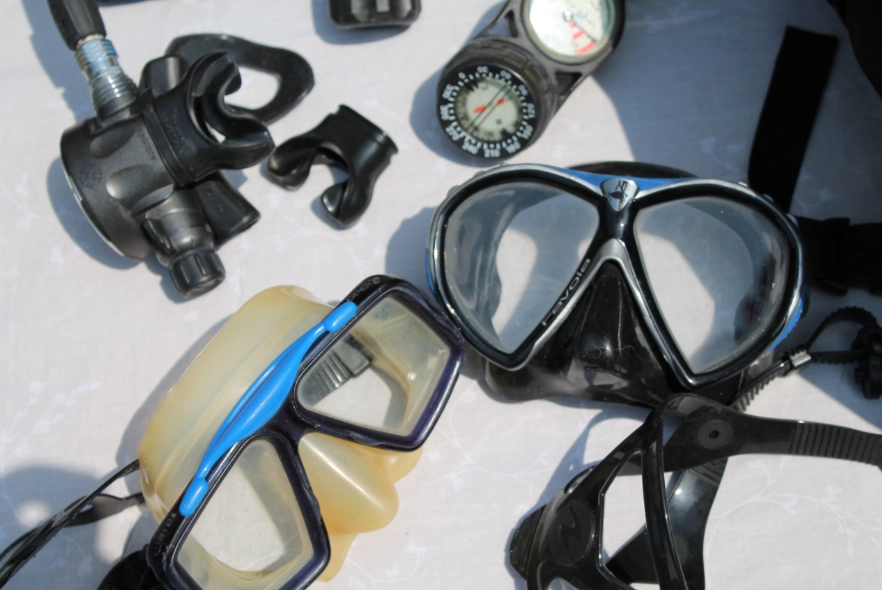
Phase 3: Information & Safety Layers (Tier 3)
Now add a dive computer. It's your personal dive planner and safety monitor. Then get a Surface Marker Buoy (SMB) and reel—this is arguably the most important piece of safety gear after your life support system, crucial for being seen by boats during ascent. A basic dive light is next, useful even in daylight to restore color and look under ledges.
Phase 4: The Final Pieces
Finally, consider your exposure suit (a well-fitting wetsuit) and then your own tank. Tanks are heavy, require hydrostatic testing, and are often cheap to rent. Owning one is usually the last step.
What Are the 11 Basic Scuba Diving Equipment Items?
Let's quickly define all 11, but now through the lens of our hierarchy. This is the checklist, but the context above is what gives it meaning.
1. Mask: Creates an air space for clear vision. Fit is 100% critical. A $200 mask that leaks is worse than a $50 mask that seals perfectly.
2. Snorkel: For surface swimming without wasting tank air. Simple is best. The fancy foldable ones break.
3. Fins: Provide propulsion. Open-heel with booties offer more versatility and warmth than full-foot fins.
4. Exposure Suit (Wetsuit/Drysuit): Protects from cold, sun, and abrasions. Thickness depends on water temperature.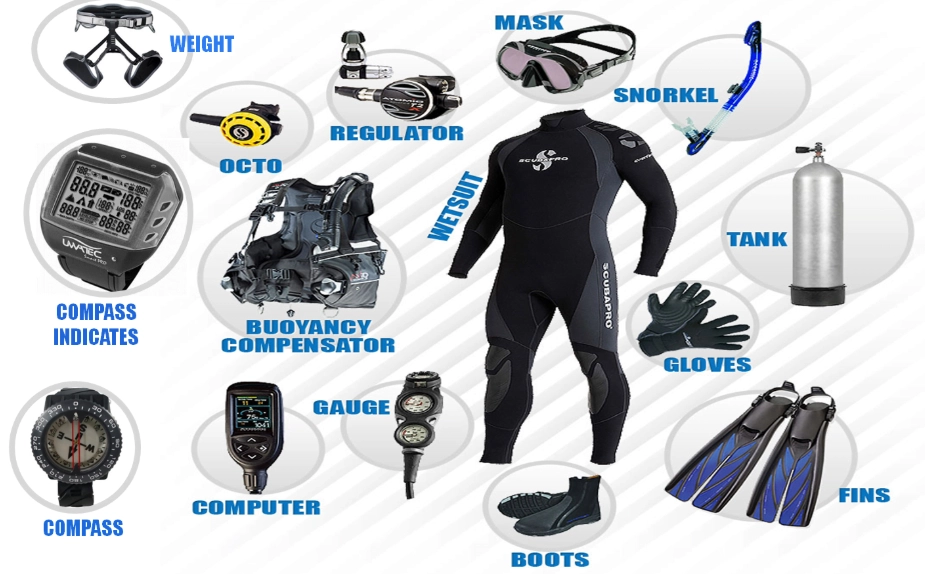
5. Buoyancy Control Device (BCD): The jacket or wing that holds your tank and lets you adjust buoyancy via an inflator/deflator. It's your elevator in the water column.
6. Regulator: Your lifeline. Consists of a first stage (attaches to tank), a primary second stage (the mouthpiece you breathe from), an alternate second stage (octopus), and a submersible pressure gauge (SPG).
7. Cylinder (Tank): Holds the compressed breathing gas (usually air). Aluminum 80 cubic feet is the standard recreational tank.
8. Weight System: Integrated weights in the BCD or a weight belt. Offsets the buoyancy of your suit and body.
9. Dive Computer: Tracks depth, time, and calculates no-decompression limits in real-time. Eliminates the need for manual tables.
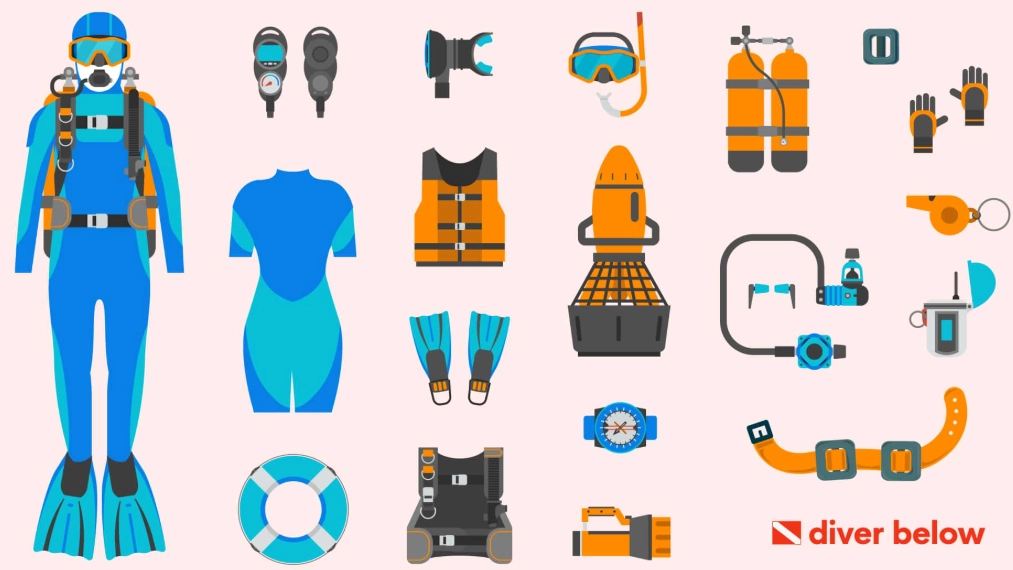
10. Surface Marker Buoy (SMB) & Reel/Spool: A bright inflatable tube deployed at the end of a dive to signal your position to surface support. Non-negotiable for boat or current diving.
11. Dive Light: Even on day dives, colors disappear below 10m. A light brings the reef back to life and is essential for checking inside holes.
Your Burning Gear Questions Answered
Is it okay to buy a used BCD to save money?
I see divers without snorkels all the time. Is it really essential?
 My dive shop says my regulator only needs servicing every two years. Should I follow that?
Can a dive computer be considered the most important piece of safety gear?
What's the one piece of gear I should never rent?






Comments