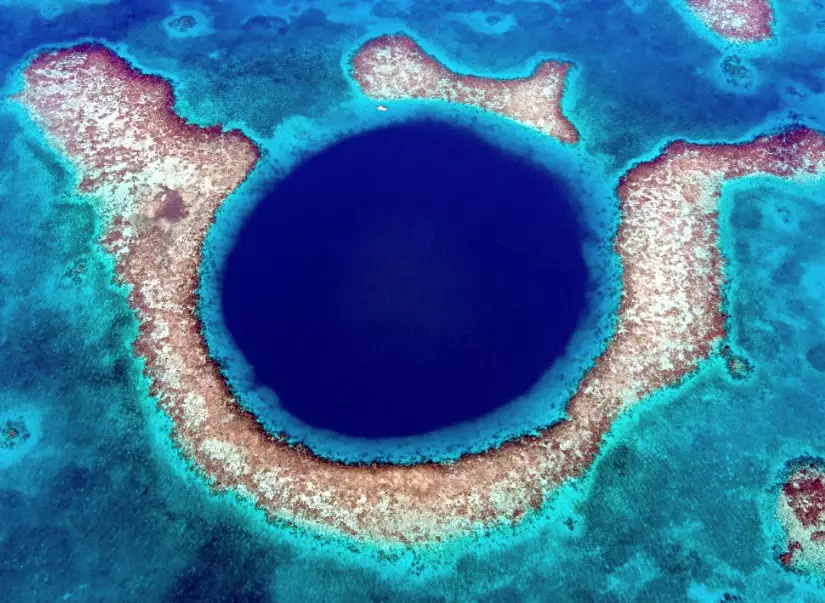
I remember my first dive trip to Belize. I was pumped. The boat ride was smooth, the sun was out, and then I put on the rental gear. The wetsuit smelled faintly of mildew and was stiff as a board. The mask leaked. Not a little—a constant, annoying trickle that had me clearing it every two minutes. The regulator breathed like it had asthma. Halfway through the dive, I wasn't looking at coral; I was mentally calculating how much this mediocre experience was costing me per minute. That's when the question really hit me: is buying my own diving gear worth it?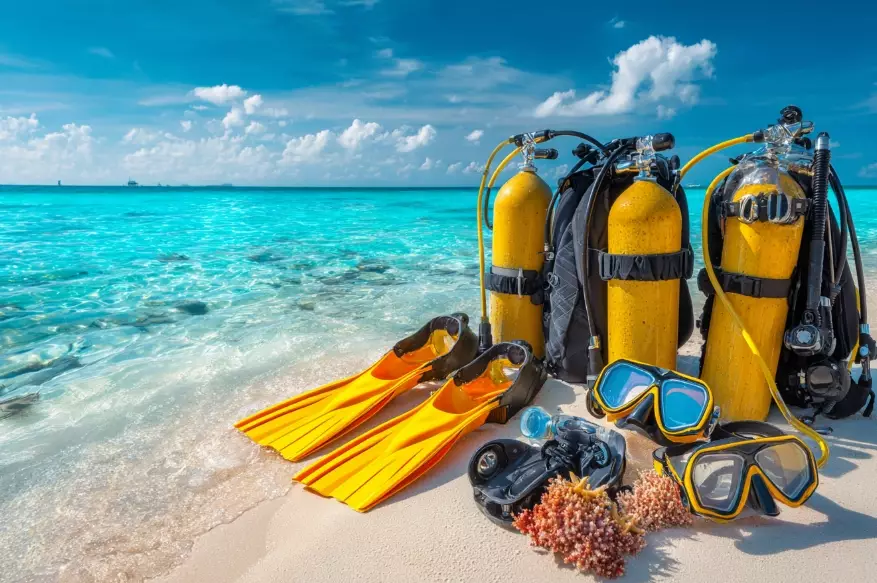
It's not just a question of money. It's about comfort, safety, hygiene, and how much you actually enjoy being underwater. The internet is full of generic advice, but let's get specific. We'll look at real costs, not guesses. We'll talk about the stuff rental shops don't mention. And I'll tell you the exact pieces I think you should buy first, based on a decade of watching divers waste money.
What You'll Find in This Guide
The Real Annual Cost: Renting vs. Owning
Forget the sticker price of a brand-new regulator. Let's talk about what you pay year after year. I've seen divers rent for 10 years, spending far more than a full kit would have cost. Let's assume a typical warm-water diver who does two one-week dive vacations per year (about 14-16 dives total).
| Cost Category | Renting Annually (Approx.) | Owning Annually (After Initial Purchase) |
|---|---|---|
| Full Gear Set (BCD, Reg, Computer, etc.) | $400 - $700 | $0 (depreciation ignored for simplicity) |
| Exposure Suit (Wetsuit) | $100 - $200 | $0 |
| Mask, Snorkel, Fins, Boots | $50 - $150 (often included, sometimes extra) | $0 |
| Regulator Servicing | $0 (shop's responsibility) | $80 - $150 every 1-2 years |
| BCD Servicing | $0 | $30 - $60 (if needed) |
| Computer Battery Replacement | $0 | $10 - $50 |
| Travel Bag/Transport | $0 (you carry less) | Potential airline oversize fees ($50-$150 RT) |
| Storage & Insurance | $0 | Minimal (home storage) |
| Total Annual Recurring Cost | $550 - $1,050 | $120 - $410 |
See the crossover point? If you buy a decent mid-range setup for $2,500, you could break even with renting in about 3 to 5 years. Every dive after that is essentially cheaper. The math gets even better if you dive more frequently.
But that's just the cash. It doesn't account for the value of a mask that fits perfectly and never fogs. Or a wetsuit that's yours alone, with no... mysterious previous occupant stories.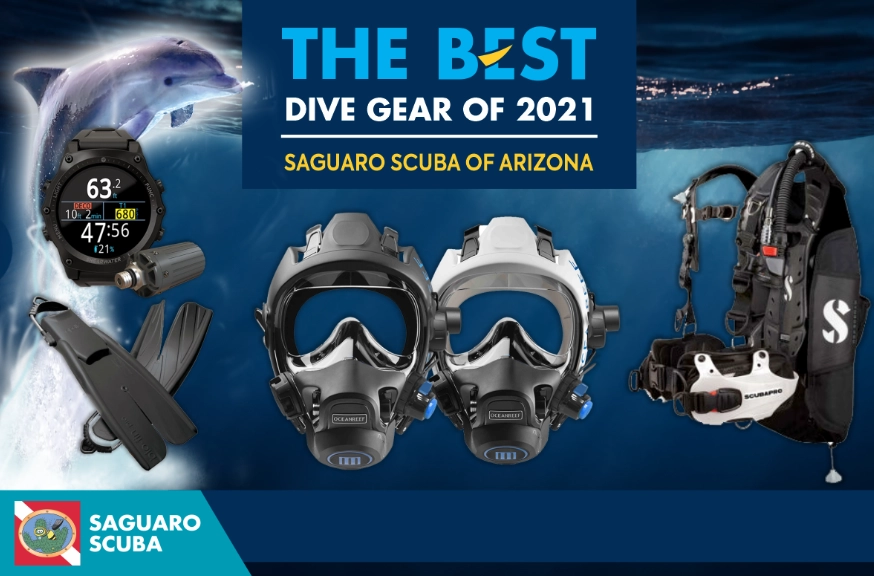
The Hidden Costs of Owning Gear (Nobody Talks About)
Here's where the "10-year expert" perspective kicks in. New buyers often get blindsided by these.
Annual Servicing is Non-Negotiable, Not Optional. You can't skip regulator servicing to save money. A failure at depth isn't a "whoops" moment. Budget for it like a car oil change. A pro tip? Find a local shop you trust before you buy. Some brands have longer service intervals or cheaper service kits, which can save you money long-term.
Travel is a Headache. Your 50lb gear bag will cost you. Airlines are ruthless with oversize baggage fees. You'll need a sturdy, sometimes expensive bag. You'll worry about it getting lost. I've had a bag show up three days into a trip. Always pack your mask, computer, and a swimsuit in your carry-on.
Storage and Care. You can't just chuck it in a damp basement. You need space to hang your wetsuit, rinse your gear thoroughly after every dive (not just saltwater dives—chlorine from pools is worse), and store it dry. Mildew in a BCD bladder is a $300 repair.
How to Decide if Diving Gear is Worth It for You
Don't just look at the math. Ask yourself these questions.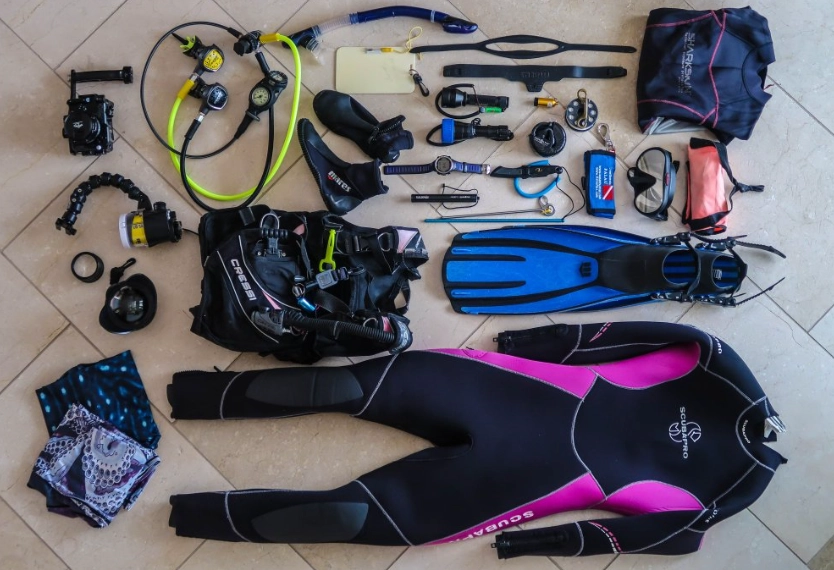
How Often Do You Actually Dive?
This is the number one factor.
The Vacation Diver (1-2 trips/year): Gear ownership is harder to justify financially. Focus on buying personal items first—mask, snorkel, fins, boots. The comfort upgrade is massive, and they last forever. Rent the rest.
The Local/Regular Diver (10+ dives/year): Owning gear almost always makes sense. You'll save on rental fees quickly, and you'll be more likely to jump on last-minute local dive opportunities.
How Much Does Fit and Comfort Matter to You?
If you have a common body type, rental gear might be fine. If you're particularly tall, short, or have wide/narrow feet, rental gear can ruin a dive. A poorly fitting BCD can ride up and choke you. Ill-fitting fins cause cramps. This isn't a minor annoyance—it's a safety and enjoyment issue.
Are You a Hygiene Person?
Let's be real. Rental wetsuits and regulators go in other people's mouths. Shops disinfect them, but it's a personal comfort thing. Having your own regulator is like having your own toothbrush.
What to Buy First (And What to Skip)
You don't need to buy everything at once. Here's my recommended priority list, based on impact per dollar.
1. Mask, Snorkel, and Boots/Fins. Non-negotiable first purchase. A perfect mask seal is everything. Try on dozens with a snorkel in your mouth (to simulate your face shape when gripping a regulator). Buy boots that fit with your fins. Don't buy fins online until you've tried them with your boots.
2. Dive Computer. This is your brain underwater. Owning one means you learn its interface inside out. You're not fumbling with a new rental model every trip. You have your personal dive log built in. A basic, reliable computer is a game-changer.
3. Exposure Protection (Wetsuit/Rash Guard). The hygiene and fit winner. A 3mm full wetsuit that's yours will change your life. It's also easy to pack and travel with.
4. Regulator. Your life support system. It's a big investment, but the breathing performance and hygiene factors are top-tier. Once you own one, you know its service history intimately.
5. Buoyancy Compensator (BCD). I'd buy this last. Why? Rental BCDs, while often bulky, are generally functional. The jump in personal comfort from a rental BCD to a owned one is smaller than the jump from a rental regulator to your own. It's also the bulkiest item to travel with.
Skip for now: Tanks and weights. They're cheap to rent, a nightmare to travel with, and have strict testing requirements. Never buy these unless you have a dedicated dive boat or live on a coast.
Keeping Your Gear Alive: Simple Maintenance That Saves Thousands
Your gear's lifespan is 90% determined by how you treat it after the dive. Here's the quick rinse routine that will add years: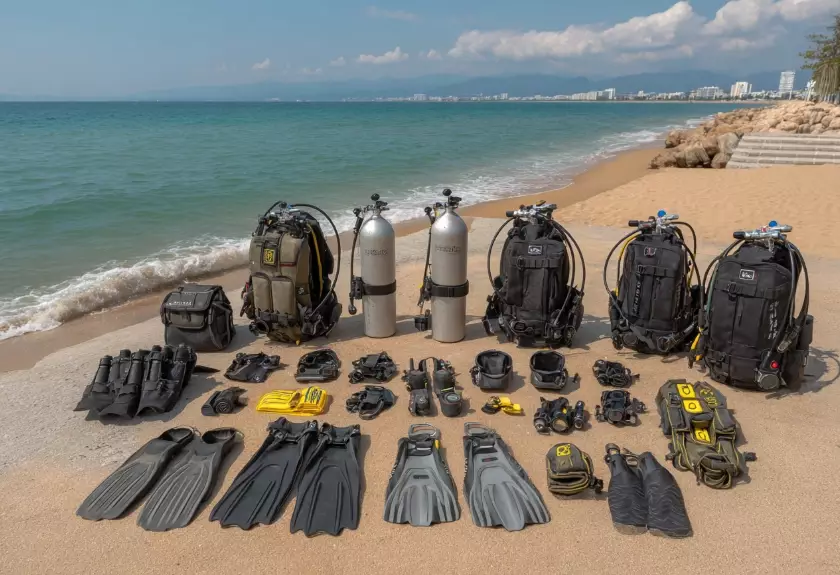
Soak everything in a tub or bin of fresh water for 15-30 minutes. Don't use a hose with high pressure—it can force salt/sand into seals.
Regulator: Never press the purge button while rinsing. Water goes straight into the first stage. Rinse the mouthpiece thoroughly.
BCD: Inflate it partially, rinse the outside. Use a BCD inflator hose attachment (a $10 tool) to flush some fresh water through the inside of the bladder. Deflate, hang it upside down to dry fully.
Wetsuit: Use wetsuit shampoo occasionally. Hang it on a wide, padded hanger—never a wire hanger, which creates shoulder bumps.
Store everything out of direct sunlight, in a cool, dry place. A gear closet is better than a hot garage.
Your Gear Investment Questions Answered
I only dive once a year on vacation. Should I buy gear?
Probably not a full set. The numbers won't work in your favor. However, invest in a high-quality mask, snorkel, and travel fins. The immediate improvement in comfort and enjoyment is worth every penny, and these items will last you a decade or more with zero maintenance. Rent the "big ticket" items (regulator, BCD, computer) from a reputable shop at your destination. Call ahead to reserve good gear.
Is used diving gear a good way to save money?
It can be, but it's a minefield. Never buy a used regulator or BCD unless you can have it inspected and serviced by a professional technician before you pay. Internal corrosion is invisible. A used regulator that hasn't been serviced in 5 years might cost you $300 to overhaul, wiping out your savings. Used wetsuits, masks, fins, and computers (with a fresh battery) are much safer bets. Always ask for service records.
 What's the one piece of gear most divers regret buying cheap?
The mask. They buy a $40 mask online because it looks cool, and it leaks constantly. You will hate every dive. Go to a dive shop, spend $80-$120, and try on every mask until one suction-cups to your face with no strap. It's the best money you'll ever spend on diving.
How does owning gear affect my dive insurance?
It usually doesn't. Organizations like DAN (Divers Alert Network) provide medical and evacuation coverage for you, not your equipment. Your gear is not covered against loss, theft, or damage by standard dive insurance. You'd need to add it to your homeowner's or travel insurance policy. Check the policy details—many have exclusions for "sporting equipment" or require a specific rider.
 I'm convinced. What's a realistic budget for a full, good-quality starter kit?
For new gear from reputable brands (like Aqualung, Cressi, Mares, etc.), expect to budget between $2,000 and $3,500 for everything: regulator, BCD, computer, wetsuit, mask/fins/snorkel/boots, and a gear bag. You can spend less by buying last year's models on sale or focusing on value-oriented brands. Don't forget to add sales tax and the cost of an initial regulator service (sometimes included). A good local dive shop package deal is often the best value, as it includes support.
Comments