Yes, investing in basic diving gear is almost always worth it for anyone planning to dive more than a few times. I've been guiding and teaching for over a decade, and the difference between a diver with their own core kit and one relying solely on rentals is night and day. It's not just about money. It's about comfort, safety, and how much you actually enjoy the sport. Renting everything seems cheaper upfront, but it often leads to a frustrating experience with ill-fitting, worn-out equipment that can make you question diving altogether.
Let's cut through the generic advice. We'll look at real numbers, the gear that actually matters first, and the hidden costs of renting that nobody talks about.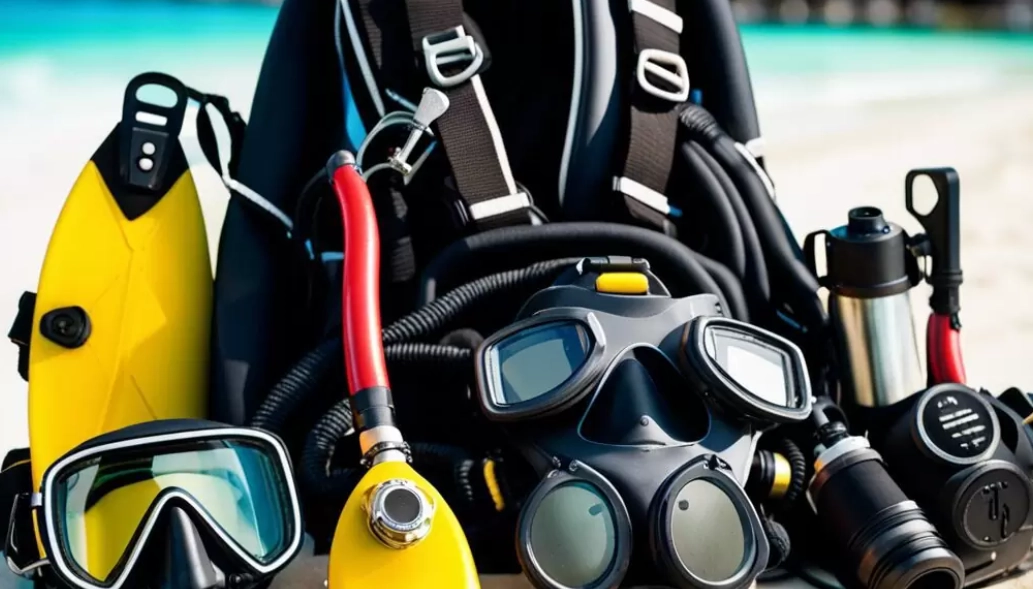
What's Inside This Guide?
What Counts as "Basic" Diving Gear?
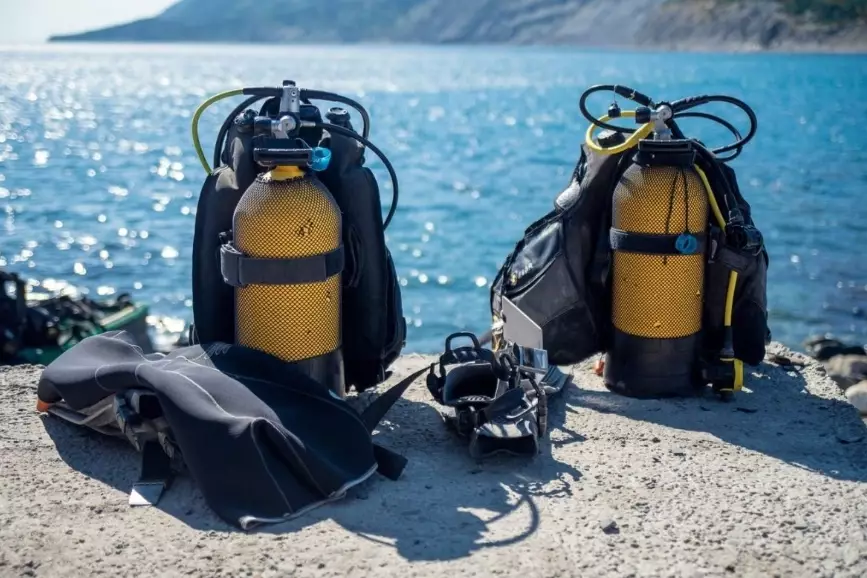
When divers talk about "basic" or "personal" gear, they're not referring to tanks and regulators. That's life-support equipment, and it's perfectly fine to rent that when you're starting. The core personal kit is what touches your body directly. Getting this right transforms your dive.
The Non-Negotiable Trio
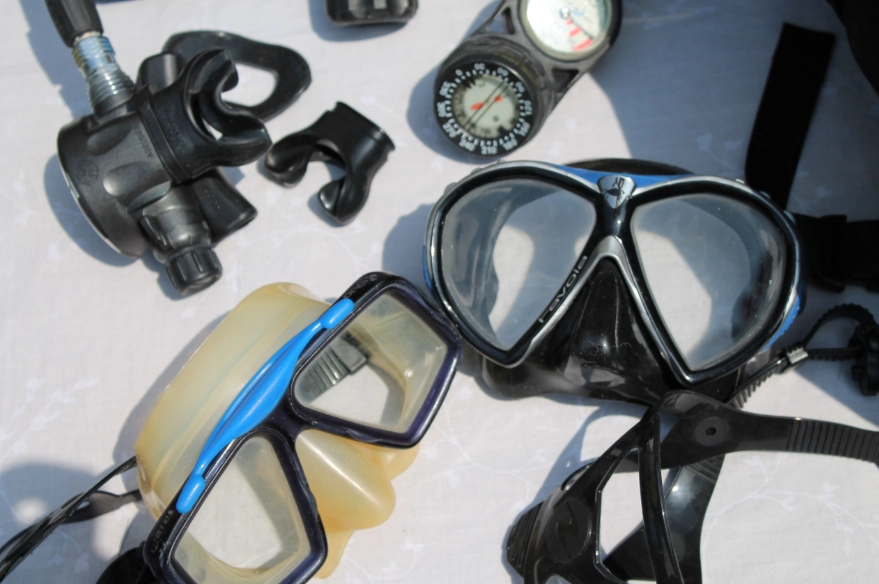
Mask: This is your window to the underwater world. A leaky, foggy rental mask is the single biggest joy-killer. A mask that fits your face shape seals properly, doesn't fog up as easily (once treated), and offers a clear, wide view. I've seen more divers call a dive early due to a flooding mask than almost any other equipment issue.
Snorkel: Often dismissed, but a good snorkel is about surface efficiency. Rental snorkels are usually basic J-tubes that can gulp water. A dry or semi-dry snorkel has a valve that prevents water from entering when you submerge. It means you can conserve energy and air on the surface swim out to the dive site without constantly clearing your tube.
Fins: Your propulsion. Rental fins are often stiff, one-size-fits-none, and have broken or missing straps. Fins that fit your foot snugly and match your kicking style (full-foot or open-heel with boots) reduce leg cramps and fatigue dramatically. You'll move more with less effort.
The "Highly Recommended" Fourth Item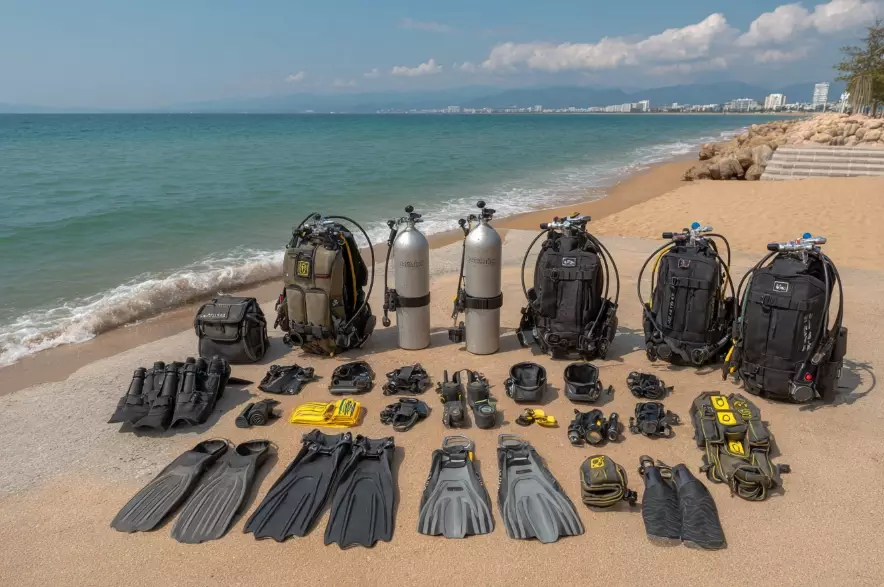
Exposure Protection (Wetsuit Boots or a Full Wetsuit): This is where personal gear gets a major comfort and hygiene win. Rental wetsuits are... well, they've been worn by countless people. They can be stretched out, thin in spots, and they never seem to dry properly between uses. Having your own boots for open-heel fins is a cheap entry point. They keep your feet warm, protect them from rocks, and ensure your fin straps don't chafe. Your own shorty or full wetsuit, sized for you, provides consistent warmth and a much better fit.
A quick tip most beginners miss: When trying a mask for fit, don't just strap it on. Place it on your face without the strap, inhale gently through your nose, and let go. A good-fitting mask will stay suctioned to your face for a few seconds without you holding it. If it falls immediately, it's leaking air and will leak water.
The Real Cost: Owning vs. Renting Scuba Gear
Let's talk numbers. People think renting is cheaper. In the very short term, it is. But the break-even point comes much faster than you'd think.
Here’s a realistic cost breakdown for mid-range, reliable beginner gear (prices in USD):
| Gear Item | Average Purchase Price (Mid-Range) | Average Rental Cost per Dive Trip |
|---|---|---|
| Dive Mask | $60 - $120 | $5 - $10 |
| Snorkel (Dry/Semi-Dry) | $30 - $60 | $3 - $7 |
| Fins | $80 - $180 | $10 - $15 |
| Wetsuit Boots | $30 - $60 | $3 - $8 |
| Total Basic Kit | $200 - $420 | $21 - $40 per trip |
Now, run the math. If you rent this basic kit for $30 per trip, you've paid for a $300 personal set in just 10 dive trips. For someone who goes on one diving vacation a year (doing, say, 6-8 dives), that's less than two years. For someone who dives locally a few times a season, it's one season.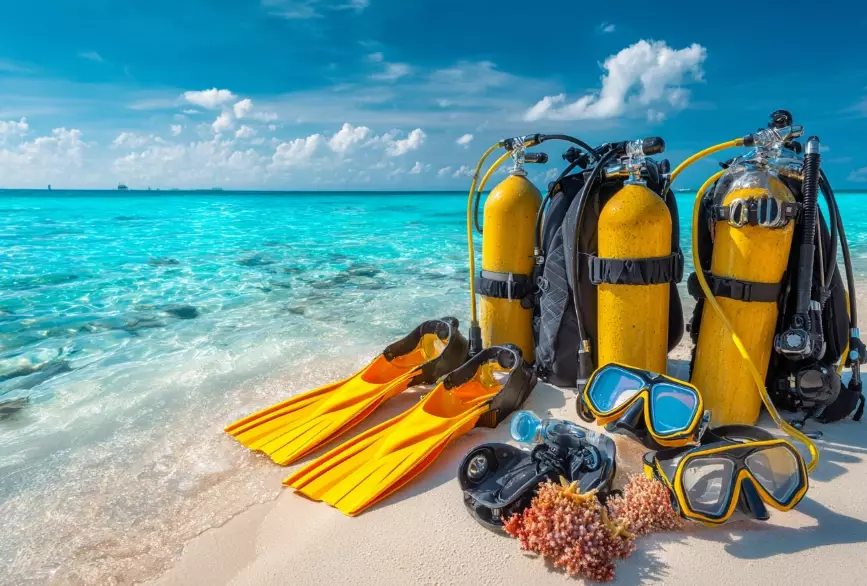
But the cost isn't just monetary. What's the cost of a ruined dive because your mask kept flooding? What's the cost of foot blisters from ill-fitting rental boots? What's the value of feeling confident and comfortable from the first splash? That's where owning your gear pays dividends you can't put a price on.
I remember a student who rented gear for his first ocean dives after certification. His fins were too big, causing him to kick inefficiently. He burned through his air 10 minutes before the rest of the group, missing half the reef. He was ready to quit. We got him fitted with proper fins, and on the next trip, his air consumption improved by 20%. He saw the whole dive. That's the real cost of bad rental gear.
How to Choose Your First Set of Dive Gear
Don't just buy the shiniest or most expensive kit. This is personal equipment. Fit and function trump brand names every time.
Step 1: The Mask is King
Go to a dive shop. Try on every mask in your budget. Use the suction test I mentioned earlier. Look for a low volume design (less air inside means easier equalization). Silicone skirt should be soft. Consider your vision – prescription lens inserts are a game-changer if you need them.
Step 2: Fins Follow Function
Are you diving mostly in warm water from a boat? Full-foot fins might suffice. Diving in cooler climates or from shore? You'll need open-heel fins with boots. Try them on with the socks or boots you'll wear. They should be snug but not pinch. Stiff fins are for power and current, flexible fins are for easier kicking and less fatigue. As a beginner, err on the side of medium flexibility.
Step 3: Snorkel and Boots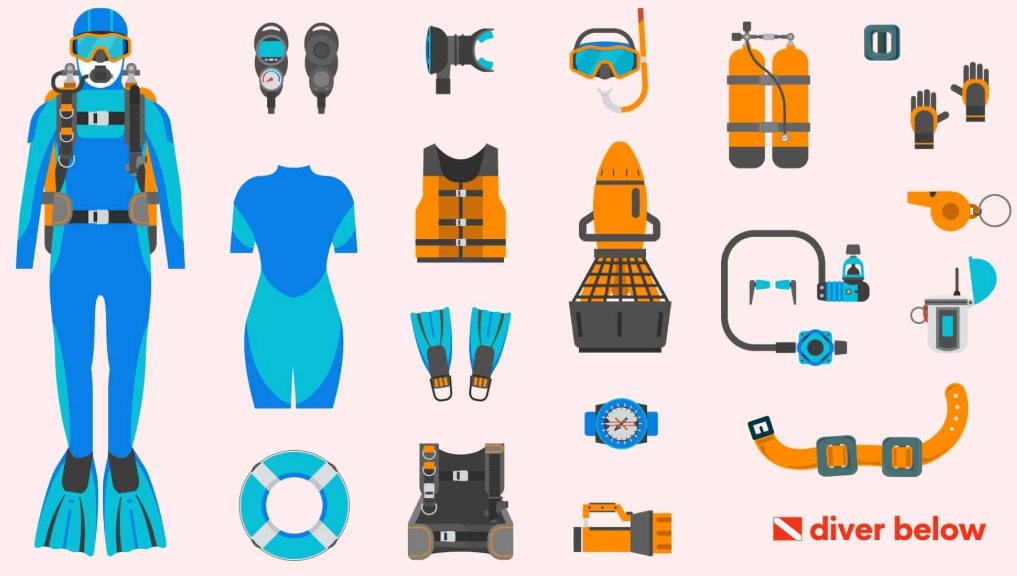
For snorkel, a simple semi-dry is perfect. Avoid overly complex purge systems. For boots, get neoprene boots with a sturdy sole. They should be tight when dry – neoprene compresses in water.
A common mistake I see: People buy gear online without trying it on because it's cheaper. You might save $20 on a mask, but if it leaks, you've wasted the entire amount. Support your local dive shop for the fitting. The advice is worth the potential small premium.
- Priority 1 (Buy Now): Mask, Snorkel, Boots.
- Priority 2 (Buy Soon): Fins that match your common diving conditions.
- Priority 3 (Consider): Your own wetsuit or dive computer (but that's moving beyond "basic").
What Are the Hidden Benefits of Owning Your Gear?
Beyond cost and comfort, owning your basic gear has subtle advantages that improve your entire diving journey.
Familiarity Breeds Confidence. You know how your mask strap adjusts. You know the exact feel of your fin buckle. There's no fumbling on the boat or at the shore entry. You gear up faster and with less stress. This mental comfort directly translates to calmer breathing and better air consumption.
Consistent Performance. Your fins have the same flex and thrust every time. You develop muscle memory for your kick. You're not adapting to a new, possibly inferior, piece of equipment on each trip.
Hygiene. Let's be honest, that's a game-changer. That rental snorkel mouthpiece? Dozens of other mouths have been on it. Your own mask skirt is against your face, not a stranger's. After the pandemic, this became a top concern for many divers, and rightly so.
It Makes You a Diver. There's a psychological shift. When you have your own kit, you start thinking about maintenance (rinsing it after dives), storage, and planning your next outing. It deepens your connection to the sport. You're not just a tourist trying diving; you're a diver.
I advise all my students after certification: before you book your next exotic dive trip, invest the money in your personal mask, snorkel, fins, and boots. The trip will be infinitely more enjoyable.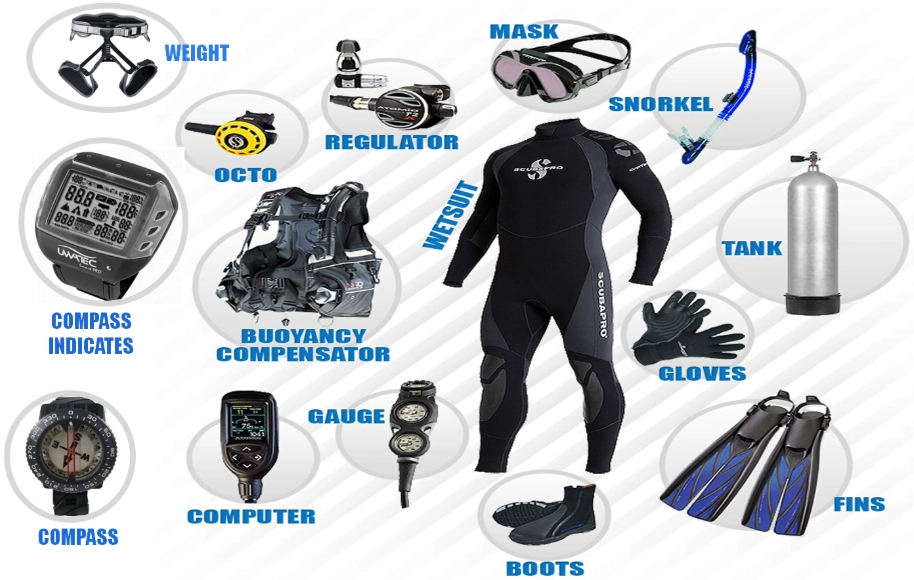
Your Basic Dive Gear Questions Answered
 What's the one piece of basic gear I should never cheap out on?
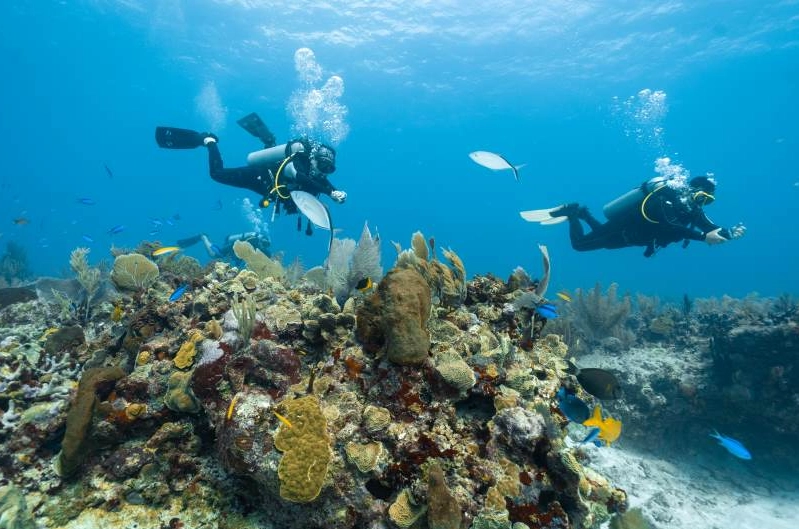
 So, is basic diving gear worth it? From where I sit, after thousands of dives and hundreds of students, the answer is a resounding yes. It's the single most effective upgrade a new diver can make to increase their enjoyment, safety, and progression in the sport. Start with the mask. Get the fit right. Build from there. You're not just buying equipment; you're investing in better underwater memories.

Comments