You're planning a trip to Thailand and want to dive. The problem? Thailand has dozens of islands, and every blog post seems to list a different "top 5." It's overwhelming. I've been diving here for over a decade, leading trips and exploring sites most tourists miss. The truth is, there's no single "best" island—it depends entirely on what you're looking for. Are you a newbie getting certified? A photographer chasing whale sharks? A wreck enthusiast? This guide cuts through the noise. We'll compare the major regions—the Andaman Sea and the Gulf of Thailand—and dive deep into the specific islands that deliver, based on marine life, visibility, dive conditions, and overall vibe. Forget generic lists; this is about matching you with the right underwater adventure.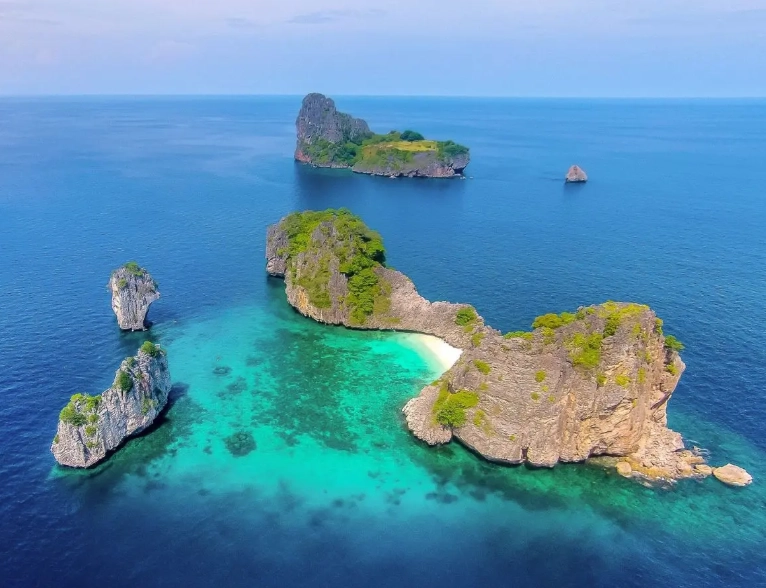
Your Dive Trip Roadmap
- Andaman Sea vs. Gulf of Thailand: The Big Choice
- The Similan & Surin Islands: Thailand's Premier Diving
- Koh Tao: The World's Dive Certification Capital
- Phi Phi & Krabi: Dramatic Scenery & Accessible Dives
- Koh Chang & the Eastern Gulf: The Quiet Alternative
- Planning Your Thailand Diving Trip: Logistics & Timing
- Your Thailand Diving Questions Answered
Andaman Sea vs. Gulf of Thailand: The Big Choice
Your first decision is ocean side. It shapes everything.
The Andaman Sea (West Coast) is where Thailand's postcard diving lives. Think granite boulders, sheer drop-offs, and consistently stronger currents that bring in the big pelagics. Visibility here is generally superior, often hitting 30+ meters (100+ feet) in the dry season. The season is crucial: most premier Andaman sites, like the Similan and Surin Islands, are only accessible from mid-October to mid-May. The national parks close during the monsoon. This side is for divers who prioritize world-class marine life and dramatic seascapes and are willing to plan around the season or invest in a liveaboard.
The Gulf of Thailand (East Coast) offers year-round diving. The waters are typically calmer, warmer, and the sites are closer to shore. You won't get the same sheer scale of life as the Andaman's best days, but the Gulf has its own charm—extensive coral gardens, fun swim-throughs, and a huge population of friendly reef fish. This is the home of Koh Tao, making it ideal for beginners and those on a tighter budget or schedule. The downside? Visibility can be more variable, especially after rains.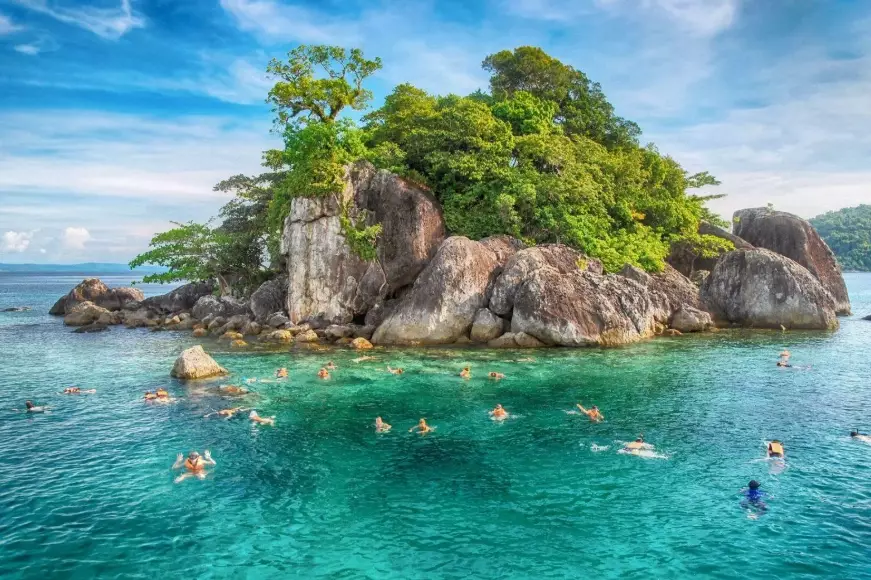
The Similan & Surin Islands: Thailand's Premier Diving
Let's be clear: if your goal is to see the most impressive underwater life Thailand has to offer, the Similan and Surin Islands National Marine Parks are the answer. This is bucket-list stuff.
Access is exclusively by boat from Khao Lak or Phuket. Day trips are long (2+ hours each way) and only reach the southern Similans. To truly experience it, you need a liveaboard. A 4-day/3-night trip is the sweet spot, allowing you to reach Richelieu Rock—a horseshoe-shaped pinnacle in the Surin park that is arguably Thailand's single best dive site.
What You'll See & Top Dive Sites
The landscape is otherworldly: huge granite boulders covered in soft corals, sea fans, and anemones. Currents sweep the sites, bringing nutrient-rich water.
- Richelieu Rock: Famous for frequent whale shark sightings (especially Feb-April). It's also a macro paradise—seahorses, ghost pipefish, and countless nudibranchs. The topography is stunning.
- Elephant Head Rock (Similan Island #8): A maze of swim-throughs and channels at 18-25 meters. You'll see giant trevally, barracuda schools, and maybe a leopard shark resting on the sand.
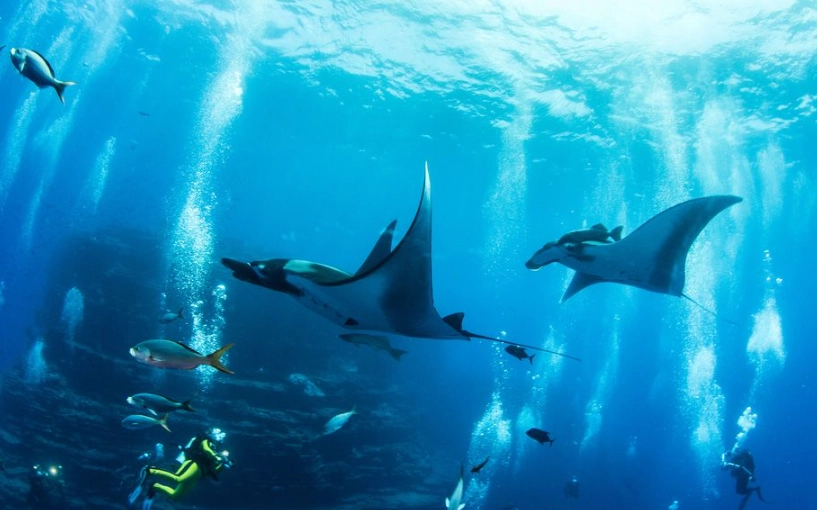
- Koh Bon & Koh Tachai: These submerged pinnacles are manta ray cleaning stations. Koh Tachai's "dome" is a massive coral formation attracting huge schools of fish. Currents can be strong here; it's for experienced divers.
A common mistake? People book a cheap day trip from Phuket, get seasick on the long journey, do two rushed dives on crowded sites, and miss the magic. If your budget allows only one major dive splurge in Thailand, make it a Similan/Surin liveaboard.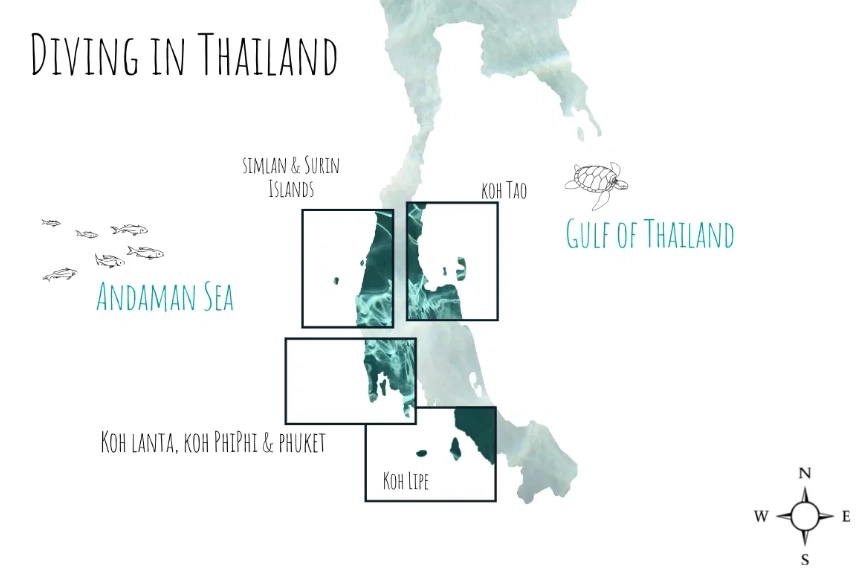
Logistics: Fly into Phuket (HKT) or stay in Khao Lak. Liveaboard prices range from $800 to $2000+ per person for a 4D/3N trip, depending on boat luxury. Book months in advance for peak season (Dec-Apr). Operators like Similan Diving Tours or LiveAboard.com are good starting points. Remember, you're also paying a 500-600 THB National Park fee.
Koh Tao: The World's Dive Certification Capital
Koh Tao is a phenomenon. It certifies more new divers than anywhere else on Earth. That brings pros and cons.
The pros: It's incredibly affordable. An Open Water course can be half the price of elsewhere. The infrastructure is seamless—dozens of dive schools, boats leaving constantly, and a social scene built around divers. The diving is reliable, with over 25 sites within 20 minutes of the main piers. Sites like Chumphon Pinnacle (known for bull sharks and giant groupers) and Southwest Pinnacle offer challenging, rewarding dives for the experienced. For beginners, Japanese Gardens and White Rock provide gentle, fish-filled coral slopes.
The cons: It can feel like a diver factory. Boats can be crowded. Some sites, especially the popular beginner ones, show signs of wear from heavy traffic. Don't come expecting pristine, untouched reefs.
My take? Koh Tao is perfect for getting certified or doing your Advanced course on a budget. It's also great if you want to dive daily without much planning and enjoy a lively island atmosphere. For seasoned divers, pick your dive operator carefully—some smaller shops run trips to the deeper, less-visited pinnacles where the crowds thin out.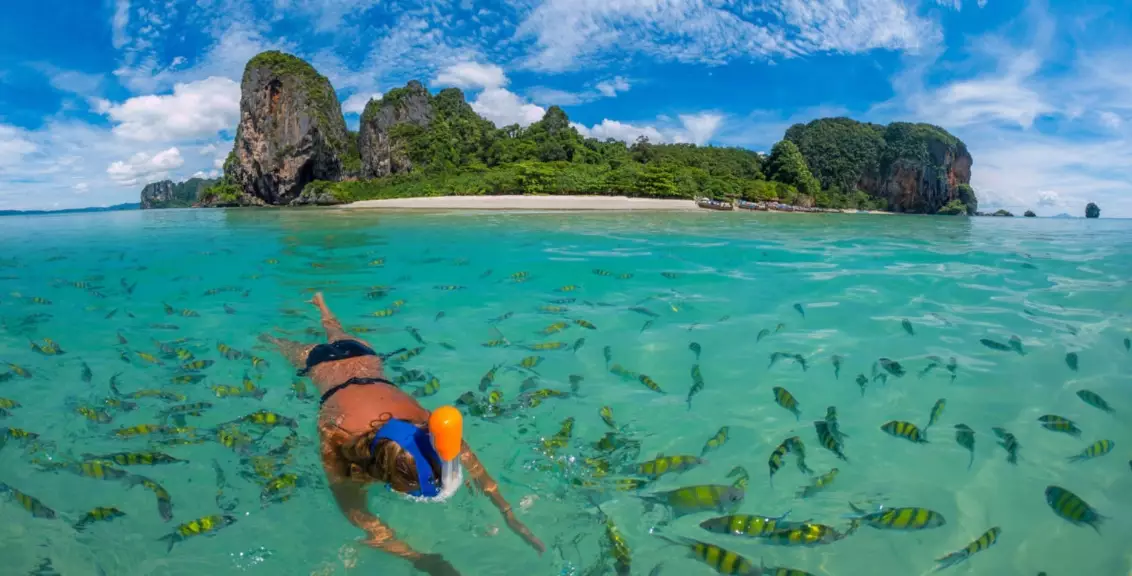
Phi Phi & Krabi: Dramatic Scenery & Accessible Dives
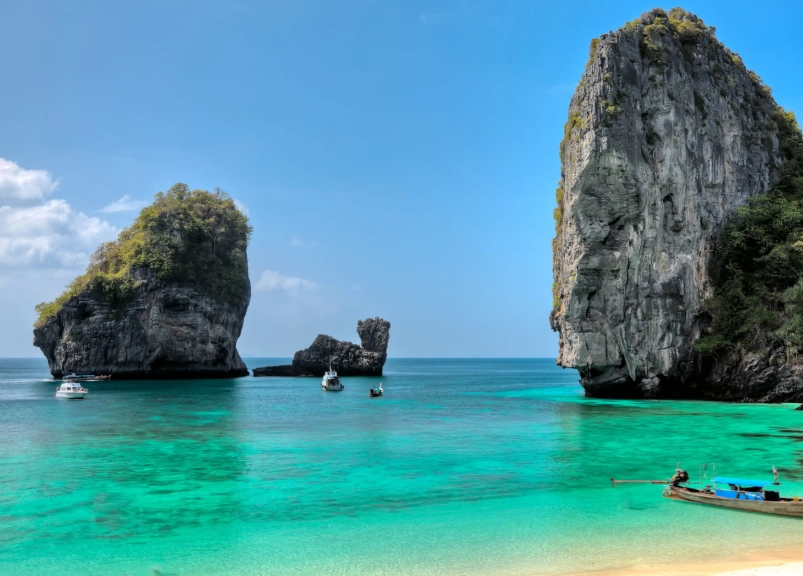
The Phi Phi Islands and the Krabi coastline (Railay, Ao Nang) offer the easiest access to decent Andaman Sea diving. The above-water scenery—towering limestone karsts—is breathtaking. The underwater scenery is good, not great, compared to the Similans.
From Phi Phi Don, you can do day trips to sites like Hin Bida and King Cruiser Wreck (a sunk car ferry now home to lionfish and morays). The diving is generally suitable for all levels, with milder currents. It's convenient if you're based in Phi Phi for the party and beach scene anyway.
From Krabi mainland, boats head to Hin Daeng and Hin Muang ("Red Rock" and "Purple Rock"). These are deeper seamounts, known for soft corals, occasional manta rays, and strong currents. They're advanced dives and are often combined on long day trips. The ride can be rough.
The verdict? This region is ideal for mixed groups where some want to dive and others want to rock climb, kayak, or just relax on stunning beaches. The diving is a solid B+, with the convenience factor being the main draw.
Koh Chang & the Eastern Gulf: The Quiet Alternative
Often overlooked, Koh Chang and the nearby islands like Koh Wai and Koh Mak offer a chilled-out diving experience. It's the polar opposite of Koh Tao's hustle.
The reefs here are healthy and relatively quiet. You'll find good coral coverage, plenty of reef fish, and interesting macro life like harlequin shrimp and various nudibranchs. The HTMS Chang wreck, a deliberately sunk warship, is a fantastic artificial reef now covered in life and perfect for wreck penetration training.
This is the place for relaxed, uncrowded diving. You won't see whale sharks, but you might have a site to yourself. It's best suited for beginners looking for a peaceful course setting or experienced divers wanting a slow-paced, macro-focused trip. Fly to Trat airport or take a bus from Bangkok.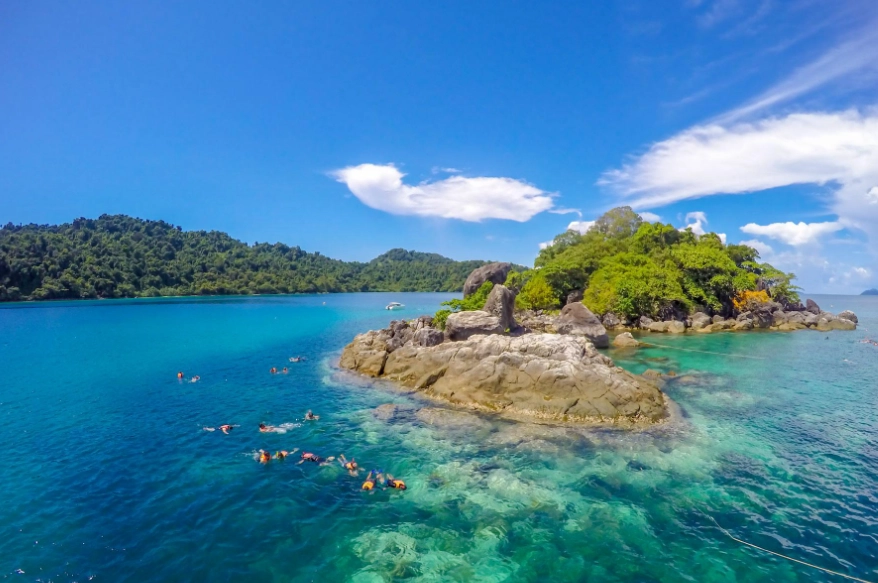
Planning Your Thailand Diving Trip: Logistics & Timing
Here’s a quick comparison to help you decide:
| Island/Region | Best For | Marine Life Highlights | Best Season | Access & Base |
|---|---|---|---|---|
| Similan & Surin Islands | Advanced divers, photographers, liveaboard fans | Whale sharks, manta rays, leopard sharks, big schools | Nov - May | Liveaboard from Khao Lak/Phuket |
| Koh Tao | Beginners, budget divers, courses, social diving | Bull sharks (seasonal), giant groupers, reef fish | Year-round (Mar-Oct best) | Fly to Samui, ferry to Koh Tao |
| Phi Phi & Krabi | Mixed-activity trips, easy Andaman access | Reef life, wrecks, occasional mantas at Hin Daeng | Nov - Apr | Fly to Krabi, ferry to Phi Phi |
| Koh Chang | Relaxed diving, macro, beginners, avoiding crowds | Healthy reefs, macro critters, HTMS Chang wreck | Oct - Jun | Fly to Trat, ferry to Koh Chang |
A Non-Consensus Tip on Timing
Everyone says "dry season is best." True for visibility. But consider the shoulder months. April-May in the Andaman sees fewer liveaboards, so sites are less crowded. You might get more rain, but you also might get a whale shark encounter with just your dive group. Similarly, late October/early November openings can be fantastic. It's a gamble, but the payoff in solitude can be huge.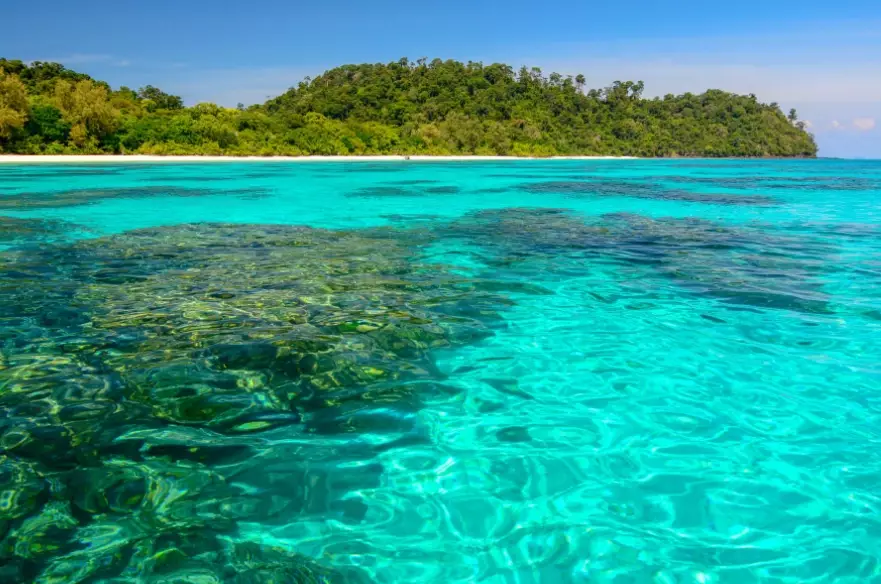
Your Thailand Diving Questions Answered
 I'm an underwater photographer. Where should I go for the best macro and wide-angle opportunities?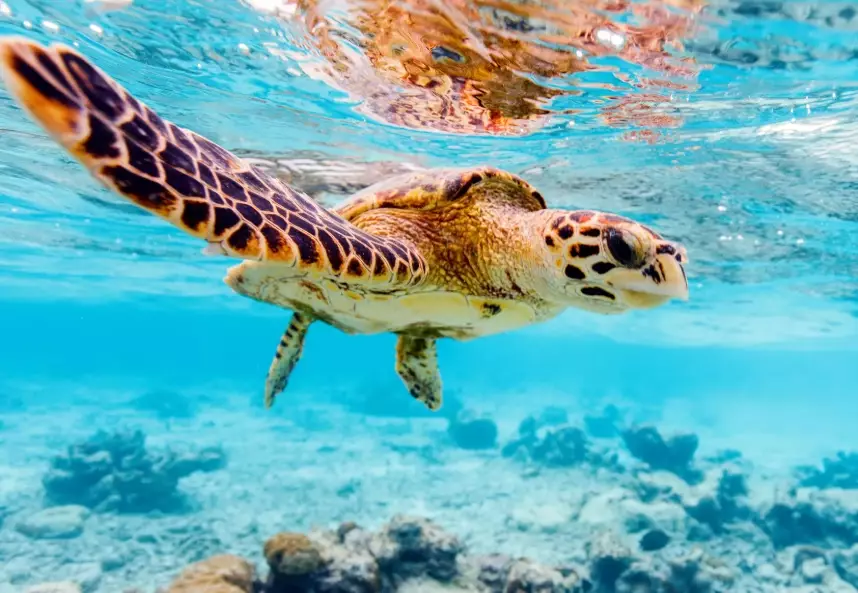


Comments