You've caught the bug. The silence, the weightlessness, that otherworldly feeling. Now you're staring at a shop wall or an endless online catalog of shiny gear, wallet in hand, completely paralyzed. Should you buy the dive computer everyone raves about? What about that regulator that costs as much as a used car?
Here's the straight answer most shops won't give you: Start with the gear that is most personal, most critical to your comfort, and most likely to be gross in a rental bin. Forget the flashy tech for a minute. Your first purchases should solve immediate problems and build a foundation of confidence. This guide cuts through the marketing to give you a logical, budget-friendly path to building your own kit.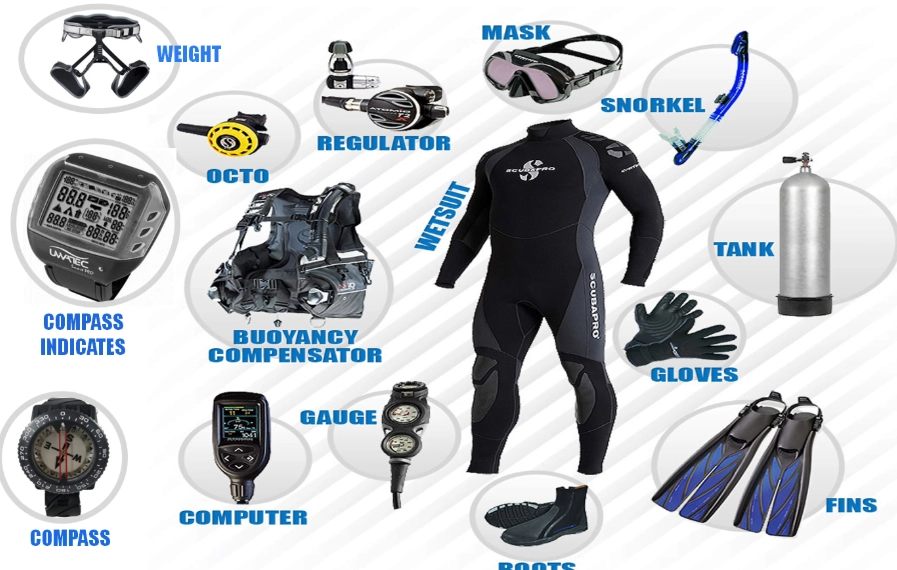
Your Quick Gear Guide
Why "Just Rent Everything" Is a Bad Long-Term Plan
Renting is perfect for try-dives and holidays. But if you're committing to the sport, relying solely on rentals holds you back.
Think about a rental mask. It's been on dozens of faces. The skirt is often stiff or slightly degraded. It might not fit your face shape perfectly, leading to constant leaks that distract you from the dive. Rental fins are usually basic, one-size-fits-nobody-well models that are inefficient. This isn't just about comfort—it's about air consumption. Fighting a leaky mask or struggling with floppy fins makes you work harder, burning through your air faster.
Owning your core gear means consistency. You learn exactly how your mask seals, how your fins propel you. Your dives become more relaxed and efficient from the first kick. The Professional Association of Diving Instructors (PADI) emphasizes the importance of properly fitted personal equipment for both safety and skill development.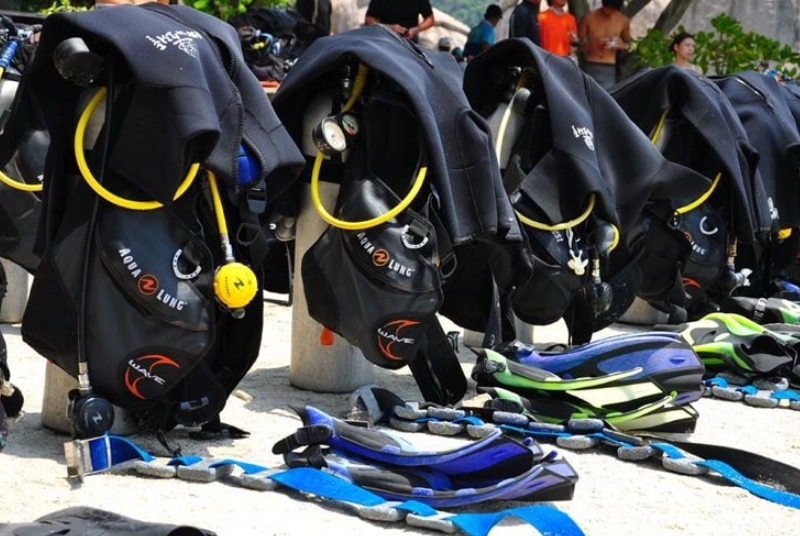
Priority One: The Non-Negotiables (Buy These Now)
This is your foundation. Gear that is 100% personal, relatively affordable, and transforms every dive.
1. Mask, Snorkel & Boots
The Mask: This isn't just a window; it's a seal against the water. A poor fit is misery. Go to a shop. Place the mask on your face without the strap. Inhale gently through your nose. It should stick to your face by suction alone. Now check the field of view and the skirt material (silicone is softer and more durable than rubber). A common mistake? Buying a mask that looks cool but presses on your forehead or bridge of your nose. That headache isn't from nitrogen; it's from your gear.
The Snorkel: Simple is better. Avoid complex purge valves and splash guards that just break. A basic J-shaped snorkel is reliable and cheap.
Boots: Not glamorous, but essential if your fins require them (most open-heel fins do). They protect your feet from rocks, sand, and blister-inducing fin straps. Neoprene, 3-5mm thick.
2. Fins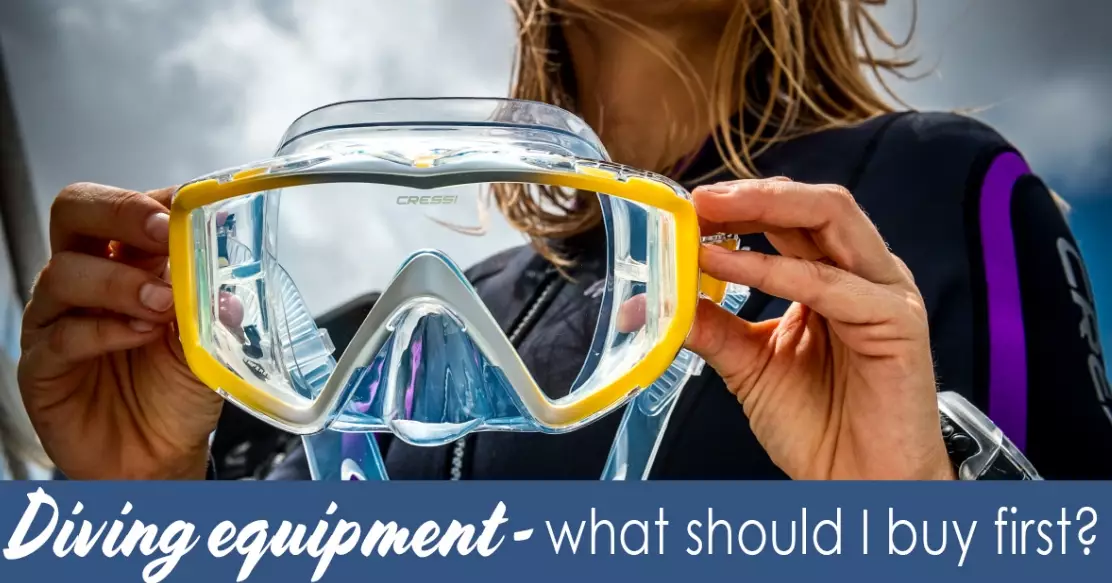
Your engine. The right fins make you feel powerful; the wrong ones feel like dragging anchors.
You have two main choices: Open-heel fins (worn with boots) and full-foot fins (slipped on like shoes, for warm water only). For versatility, open-heel is the way to go.
Focus on the blade. Stiff blades deliver more thrust but require stronger legs. More flexible blades are easier on the calves but less efficient. As a new diver, a medium-flexibility blade is a safe bet. Brands like Mares, Cressi, and Scubapro offer great entry-level models. I made the mistake of buying the stiffest, most "technical" fins I could find for my first trip to Cozumel. My calf muscles were screaming after two dives. Lesson learned.
| Gear Item | Why Buy First | Budget Range (USD) | Key Buying Tip |
|---|---|---|---|
| Mask, Snorkel, Boots | Hyper-personal fit, hygiene, fundamental comfort. A leaking mask ruins dives. | $100 - $250 | Fit over features. Try on at least 10 masks in a shop. |
| Fins | Dramatically improves propulsion and reduces fatigue. Rental fins are universally terrible. | $80 - $200 | Match flex to your leg strength. Open-heel for versatility. |
| Exposure Suit (Wetsuit/Skin) | Hygiene and consistent thermal protection. A wet, ill-fitting rental suit is cold and saps energy. | $100 - $400+ | Thickness depends on your local water temp. Get a proper suit, not a "shorty". |
3. Exposure Protection
If you dive anywhere besides the tropics, this jumps to the top of the list. A wetsuit is not just for warmth; it's for protection from scrapes, stings, and sun.
Rental wetsuits are often stretched out, thin in places, and… let's just say they've seen things. A suit that fits you well retains water (which your body heats) efficiently, keeping you warmer longer. For tropical diving, a 3mm full wetsuit or even a dive skin (0.5-1mm) is perfect. For cooler waters (60-70°F/15-21°C), a 5mm or 7mm is essential.
Don't cheap out too much. A $100 suit might seem like a deal, but if it's poorly constructed with weak seams and low-grade neoprene, it'll lose its warmth and fall apart in a season.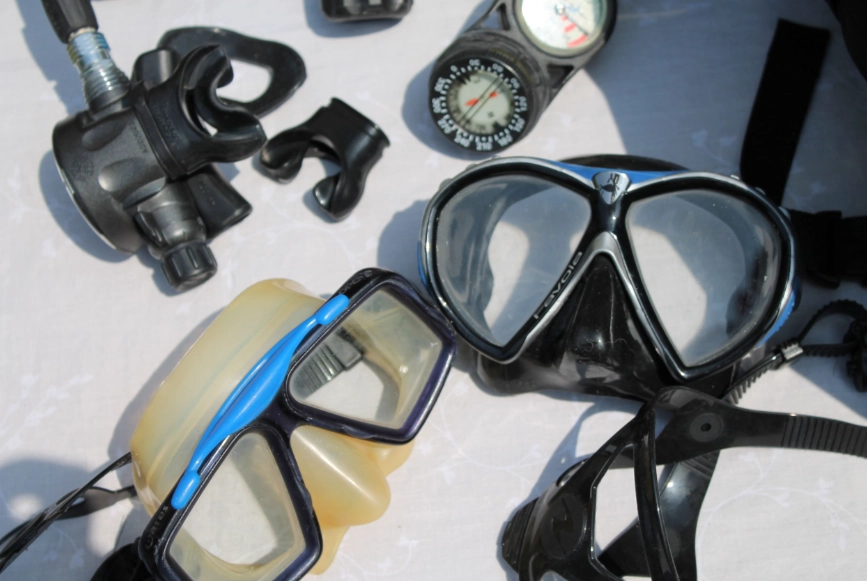
Priority Two: The Performance & Safety Upgrades
Once you own your personal kit, you can focus on gear that elevates your diving and gives you more control.
1. Regulator
Your life support system. This is where the "buy once, cry once" adage often applies. A good regulator breates easily at any depth. While rental regs are serviced, they are also heavily used. Having your own means you know its service history intimately.
You don't need the top-of-the-line model with all the bells and whistles. A reliable, environmentally sealed (protects against sand/silt) intermediate regulator from a major brand (like Apeks, Scubapro, Atomic Aquatics) is a fantastic investment. The difference in breathing ease, especially when you're a bit task-loaded or deeper, is noticeable.
2. Buoyancy Control Device (BCD)
Your inflatable jacket or wing. Ownership here means you know where every dump valve, pocket, and inflator hose is by muscle memory.
The big debate: Jacket vs. Wing/Backplate. Rental fleets are 95% jacket BCDs. They're fine. But many experienced divers prefer a backplate and wing (BP/W) system for its streamlined profile and superior trim in the water. It's a more modular system. As a new diver, a jacket is familiar and a safe buy. But if you're certain you'll stick with diving and want gear that grows with you, researching a simple BP/W setup early might save you from buying twice. It's the less common, but often wiser, long-term path.
3. Dive Computer
This is the tech toy everyone wants first. It's tempting. And yes, it's incredibly useful. But here's the controversial take: It shouldn't be your absolute first purchase.
Why? Because for your first 20-30 dives, you should be building fundamental skills—buoyancy, trim, awareness—not staring at a screen. Renting a computer or using tables for a while forces you to understand dive planning at a conceptual level. When you do buy, you'll have a better idea of what features you actually need (air integration? digital compass? nitrox capability?). A basic, reliable computer like a Suunto Zoop or Cressi Leonardo is a workhorse that will last years.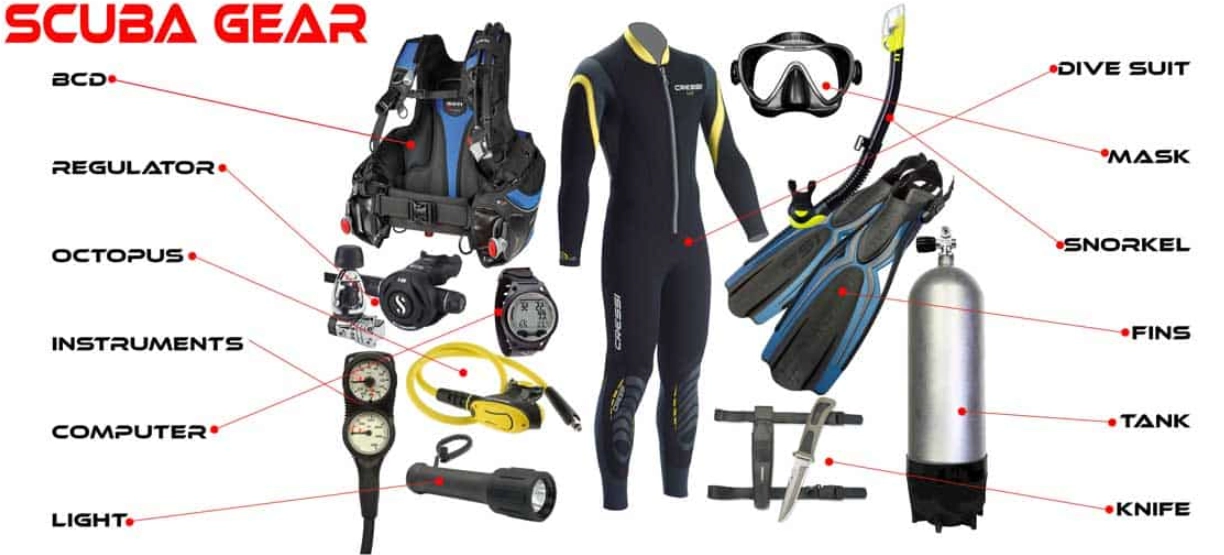
Priority Three: The "Nice-to-Haves" & Specialized Gear
This is for when you've caught dozens of dives and know your specific interests.
- Dive Lights: Essential for night diving or exploring wrecks/overhangs. Even a small torch adds color on deep daytime dives.
- Surface Marker Buoy (SMB) & Reel: Critical safety gear for boat diving or any dive with current. Shows boats your position.
- Camera System: Don't be the diver who buys a $2000 camera housing before they can hold a stable hover. Master buoyancy first.
- Drysuits: For cold-water diving. A significant investment and a new skill set to learn.
How to Actually Buy Gear Without Regret
Don't just click "add to cart."
Try Before You Buy: Visit a local dive shop (LDS). They let you try masks, hold regulators, try on BCDs. Their advice is valuable, even if you later buy online (though consider supporting them).
Consider Used Gear… Carefully: Sites like ScubaBoard have classifieds. Masks, fins, wetsuits (if sanitized), and BCDs can be great used finds. Never buy a used regulator or dive computer unless you are having it fully serviced by a professional—the cost of service might negate the savings.
Think About Service: Where will you get your regulator or computer serviced? Buying a brand with a local authorized service center is smart.
Packages Aren't Always Deals: A shop might offer a "starter package" with a BCD, regulator, computer, and gauges. Scrutinize it. Is it all entry-level, discontinued, or overpriced? Sometimes it's good, often it's a way to move old stock. Buy items individually based on the priority list above.
Your Burning Gear Questions, Answered
Should I buy a dive computer as my first piece of gear?
Resist the urge. It's a fantastic tool, but it's not a core comfort/safety item like a mask that fits. Use rentals or borrow one for your first 15-20 dives. This delay helps you focus on skills rather than data, and you'll make a more informed purchase when you understand your diving style.
Is it okay to buy a used BCD or wetsuit?
A used BCD can be a great value. Inspect it thoroughly: inflate it and leave it for an hour to check for slow leaks. Check all straps and buckles. A used wetsuit is fine if it's in good condition—no tears, seams intact, neoprene still flexible. Soak it in a wetsuit cleaner or diluted disinfectant before use.
 How much should I realistically budget for my first set of gear?
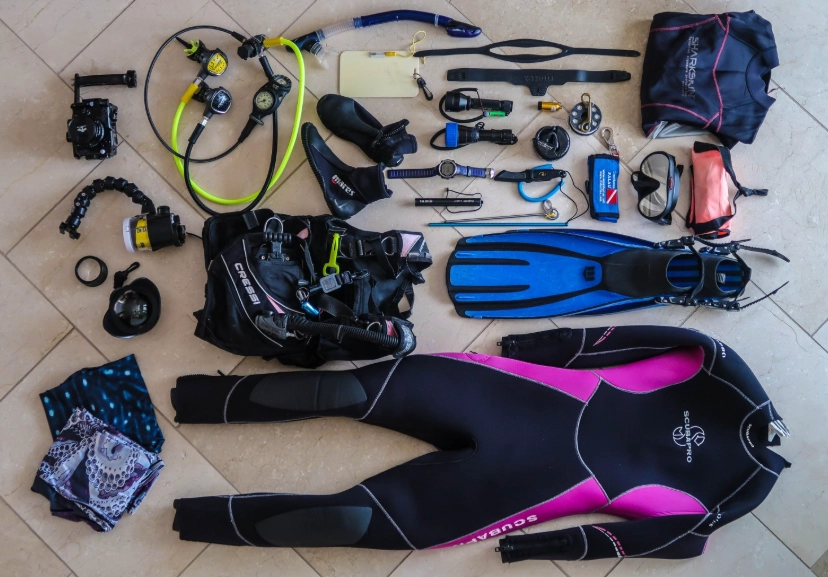
For Priority One items (mask, snorkel, boots, fins, 3mm wetsuit), expect to spend $300-$600 for reliable, good-quality gear. If you add a computer and regulator/BCD later, a full mid-range kit might total $1500-$2500 over time. You don't need to buy it all at once.
Jacket BCD or Backplate/Wing? Which is better for a beginner?
Most instructors will say jacket for familiarity. I'll give you the contrarian view: if you are a quick learner and committed to the sport, a simple backplate/wing (like a single-tank aluminum plate and basic wing) teaches you better trim and buoyancy habits from the start. It's less "floaty" and forces you to use proper weighting. The initial learning curve is slightly steeper, but the long-term benefit is huge. Try both in a pool if you can.
What's one piece of gear most new divers overlook but shouldn't?
A proper gear bag. Not a mesh bag that drips everywhere in the car or boat, but a heavy-duty, well-ventilated bag with separate compartments. Organizing your kit reduces pre-dive stress and protects your investment. It seems trivial until you're frantically searching for your fin strap in a puddle on the dock.
The path isn't linear. Start with what touches your body directly—mask, fins, exposure suit. Build comfort and consistency. Then, invest in the life-support (regulator) and control systems (BCD). Finally, add the technology and specialty items. By prioritizing this way, every purchase immediately makes your dives better, safer, and more enjoyable. Now go get fitted for that mask.


Comments