So, you've caught the diving bug. The silence, the weightlessness, that otherworldly feeling. Now you're staring at rental gear and wondering, "How much does it cost to get a full set of scuba gear of my own?" Let's cut straight to it: a complete, reliable setup typically ranges from $1,000 to $5,000+. But that's a uselessly wide range, like saying a car costs between $5,000 and $100,000. The real answer depends entirely on whether you're a casual vacation diver, a dedicated local enthusiast, or an aspiring techie. I've been guiding and teaching for over a decade, and the biggest mistake I see is divers mismatching their budget to their actual diving habits. This breakdown will show you exactly where the money goes, so you can invest wisely—or know when renting is the smarter play.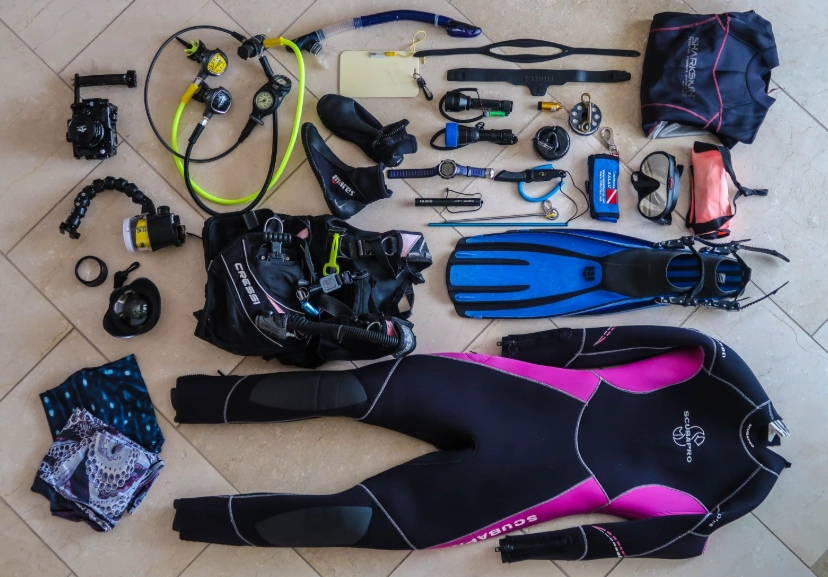
Your Quick Guide to Scuba Gear Pricing
What is a "Full Set" of Scuba Gear?
Before we talk money, let's define the shopping list. A full set means the essential life-support equipment you need to breathe, see, move, and stay comfortable underwater. We can split it into two categories: the Core Life-Support System and the Exposure & Comfort Gear.
The Non-Negotiables (Core Life-Support)
This is the gear that keeps you alive. Never, ever compromise on quality or servicing here.
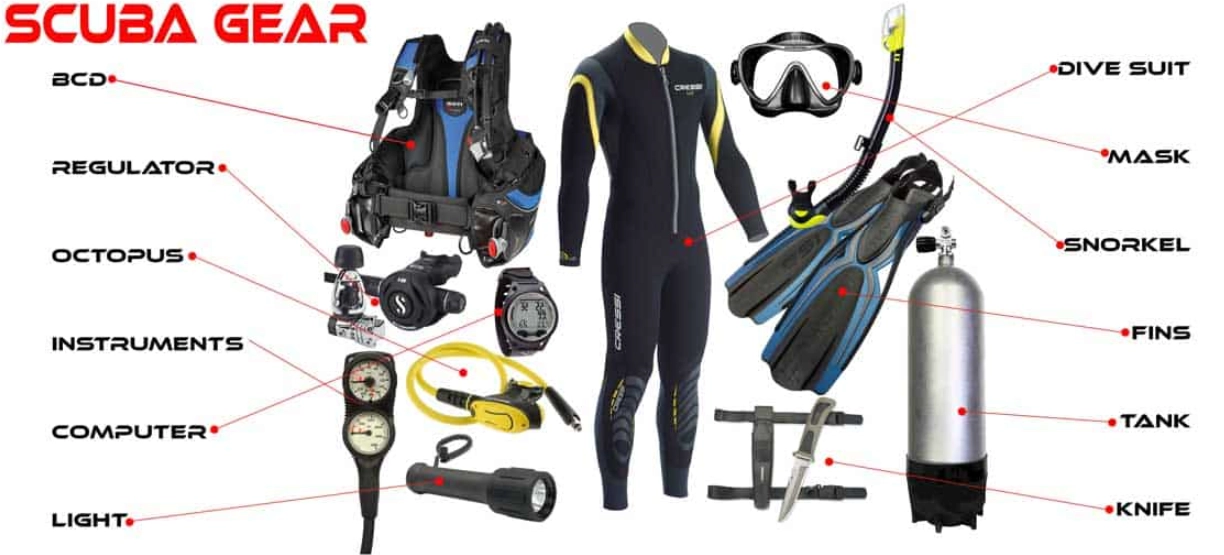
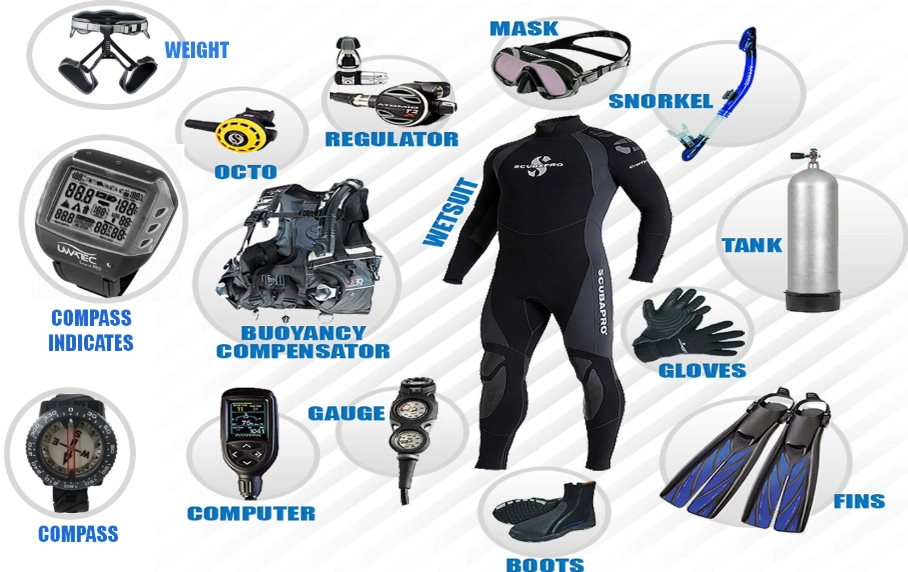
- Regulator (1st & 2nd Stages, Octopus, Gauge Console/Computer): Delivers air from your tank to your mouth. The octopus is your backup second stage. The console houses your pressure gauge and depth gauge, often integrated into a dive computer.
- Buoyancy Control Device (BCD): The jacket or wing you wear that holds your tank and lets you control your ascent/descent by adding or releasing air.
- Dive Computer/Wrist Gauges: Tells you your depth, time, no-decompression limits, and ascent rate. A dedicated computer is non-negotiable for safe modern diving.
- Scuba Tank: The high-pressure cylinder holding your air (or other gas). Often rented due to weight and inspection requirements.
The Comfort & Performance Gear
This gear protects you from the environment and makes the dive enjoyable. Poor fit here can ruin a trip.
- Wetsuit/Drysuit: Thermal protection. Thickness (3mm, 5mm, 7mm) depends on water temperature.
- Mask, Snorkel, Fins: Your personal interface with the water. Fit is everything, especially for the mask.
- Weight System: Integrated into the BCD or a separate weight belt.
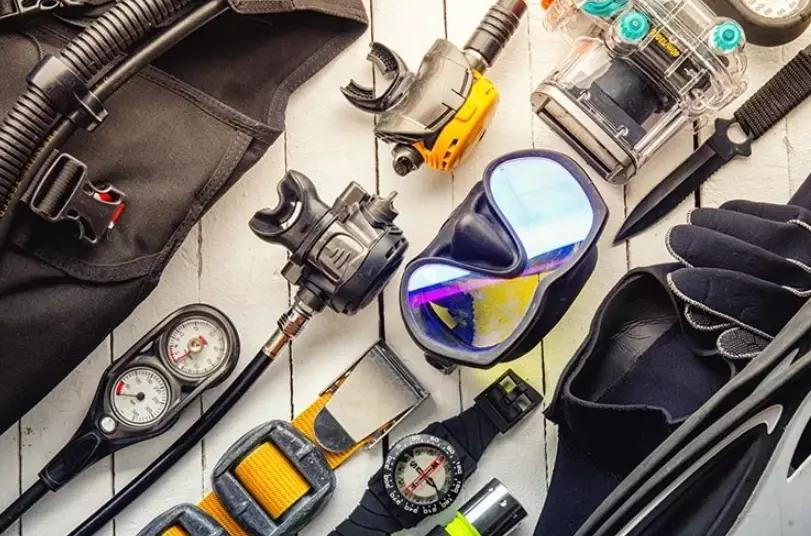
- Accessories: Dive light, surface marker buoy (SMB), reel, gloves, hood, boots.
Scuba Gear Cost: A Detailed Price Breakdown
Here’s where we get concrete. The table below outlines realistic price ranges for new equipment in 2024. I've based this on years of helping students kit themselves out and countless conversations with shop owners.
| Equipment | Budget / Entry-Level | Intermediate / Enthusiast | Professional / Technical | Notes & Why the Price Varies |
|---|---|---|---|---|
| Regulator | $300 - $600 | $700 - $1,200 | $1,300 - $2,500+ | Entry-level uses simpler materials. Mid-range adds environmental sealing (cold water) and better breathing performance. Pro-level is for tech diving, with multiple second stages and ultra-high performance. |
| BCD (Jacket Style) | $250 - $500 | $550 - $900 | N/A | Jacket BCDs are common for recreation. Price jumps for better materials, more adjustment, integrated weight systems. |
| BCD (Backplate & Wing) | N/A | $600 - $1,000 | $1,100 - $1,800 | Preferred by tech divers and many enthusiasts for trim. Cost includes plate, wing, harness, and hardware. |
| Dive Computer | $200 - $400 | $450 - $800 | $900 - $1,500+ | Basic computers do air integration (via transmitter) and nitrox. Mid-range adds color screens, digital compasses. Pro models handle trimix, multiple gas switches, and have brighter screens. |
| Wetsuit (5mm Full) | $150 - $300 | $350 - $600 | $700 - $1,200 | Off-the-rack vs. semi-custom vs. fully custom. Custom fit is a game-changer for warmth and comfort but costs significantly more. |
| Mask, Snorkel, Fins | $150 - $250 | $260 - $450 | $460 - $700 | Mask fit is personal. Fins vary by material (rubber vs. composite) and style (full foot vs. open heel with boots). |
| Accessories Kit (Light, SMB, Reel, Bag) |
$100 - $250 | $300 - $600 | $700 - $1,500+ | Often overlooked in initial budgets. A good dive light and safety SMB are essential, not optional, for many dive environments. |
Let's add that up. A sensible beginner setup (Entry-Level Reg, Jacket BCD, Basic Computer, 5mm Wetsuit, Mask/Fins/Snorkel) lands you squarely in the $1,100 to $2,050 range, before taxes or any packages.
An intermediate enthusiast wanting better performance and comfort (Mid-Range Reg, Backplate & Wing, Feature-Rich Computer, Good Wetsuit, Quality Fins) is looking at $2,660 to $4,750.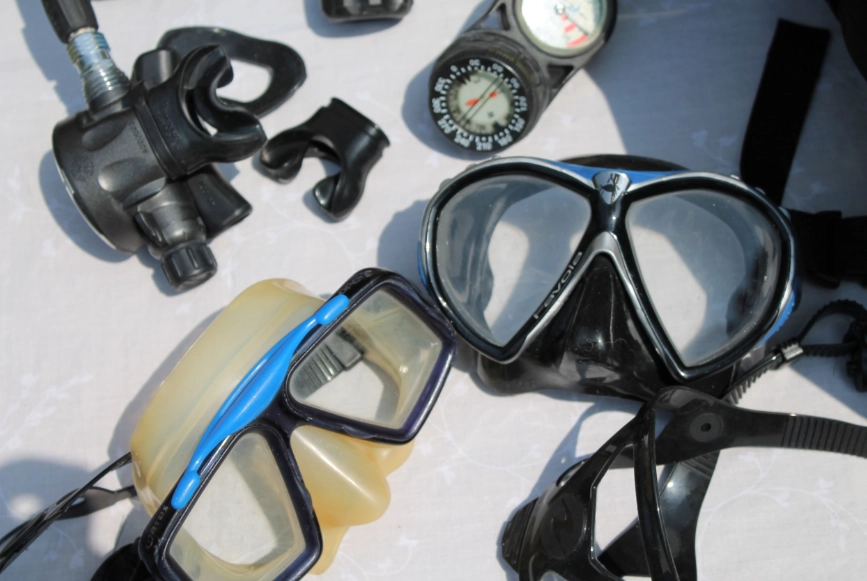
Here's the insider tip everyone misses: The single biggest price driver isn't the brand name on the regulator, it's the dive computer and exposure suit. Wanting air integration, a color screen, and a custom-fitted wetsuit can easily add $1,500 to your total compared to basic models. Ask yourself if you really need those features now, or if you can add them later.
Renting vs. Buying Scuba Gear: The Math & The Mindset
Renting seems cheap—$50 to $150 per trip for a full set. But the calculus changes fast. Let's run a scenario.
You dive twice a year on vacation. Rental costs $100 per trip. That's $200 annually. After five years, you've spent $1,000 on rentals and still own nothing. For that same $1,000, you could have bought your own mask, fins, snorkel, boots, and a good wetsuit—the items where personal fit matters most. You'd be more comfortable on every dive, and you'd own assets.
When renting makes perfect sense:
- You dive infrequently (once a year or less).
- You're traveling to a remote location and don't want the baggage hassle or fees.
- You're still new and unsure if you'll stick with the sport.
- You want to try different types of gear (e.g., a backplate vs. a jacket) before committing.
The hidden cost of renting: Ill-fitting gear. A leaky mask or fin blisters can turn a dream dive into a miserable experience. That's a cost you can't quantify.
How to Buy Scuba Gear Smartly (A 10-Year Pro's Advice)
If you've decided to buy, do it strategically. Don't walk into a shop (or go online) and buy everything at once.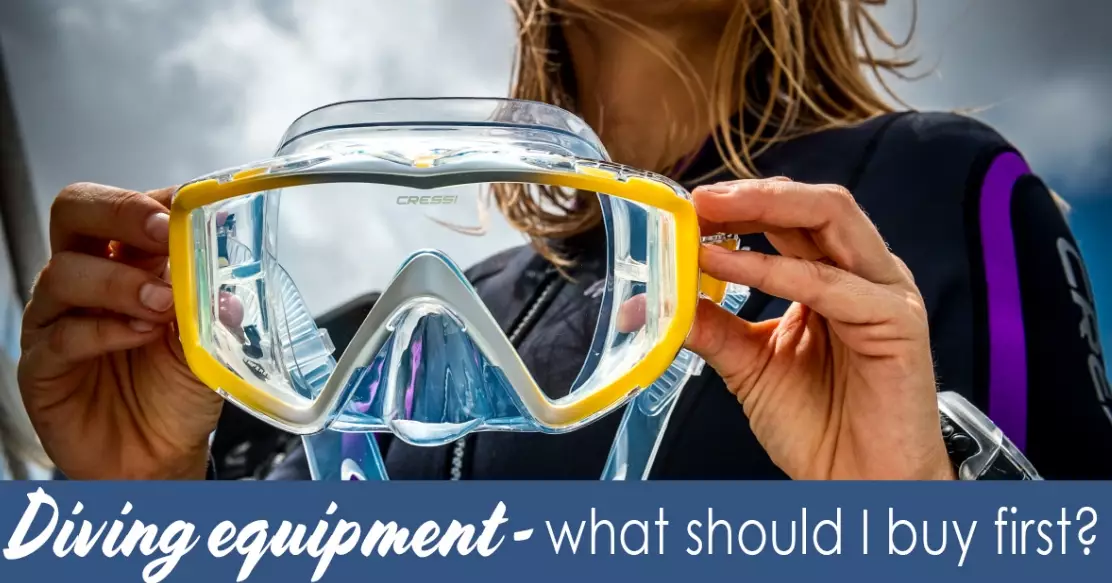
Phase 1: Buy the Personal Fit Items First
Start with what touches your body directly. This is non-negotiable for comfort and performance.
- Mask, Snorkel, Boots: Go to a physical shop. Try on every mask that fits your budget. The one that seals perfectly with just a gentle inhale through your nose—that's your mask. Don't buy it online based on looks.
- Fins: Try them with your booties. Are they too stiff? Too floaty?
- Exposure Suit (Wetsuit/Drysuit): If you can afford even a semi-custom suit, get it. The difference in warmth and mobility is staggering. I suffered with off-the-rack suits for years; buying a custom one was the best gear decision I ever made.
Phase 2: Invest in Your Life Support (Regulator & Computer)
Now, allocate the biggest chunk of your remaining budget here. A regulator is a 10-15 year investment if serviced properly.
- Prioritize Servicing: Buy from a reputable local dive shop (LDS) that has a good service department. A cheap regulator with expensive or poor service becomes expensive. Ask about their service turnaround time and cost before you buy.
- Computer Strategy: Do you need air integration now? Probably not. A solid mid-range nitrox computer with a clear screen is the sweet spot for 90% of recreational divers. You can always add a wireless transmitter later.
Phase 3: Complete the System (BCD & Accessories)
Finally, get your buoyancy device and safety tools.
- BCD Choice: Try both jackets and backplates in a pool if possible. It's a personal preference, not a "one is better" rule.
- Don't Skimp on Safety: Budget for a Surface Marker Buoy (SMB) and a reel or spool from the start. It's not just for boat dives; it's for signaling in any current or surface swim. A basic SMB and reel can be had for under $50.
Consider buying last year's model or high-quality used gear from a trusted source (like your instructor or a shop's bulletin board) for the regulator and BCD. These items have long lifespans.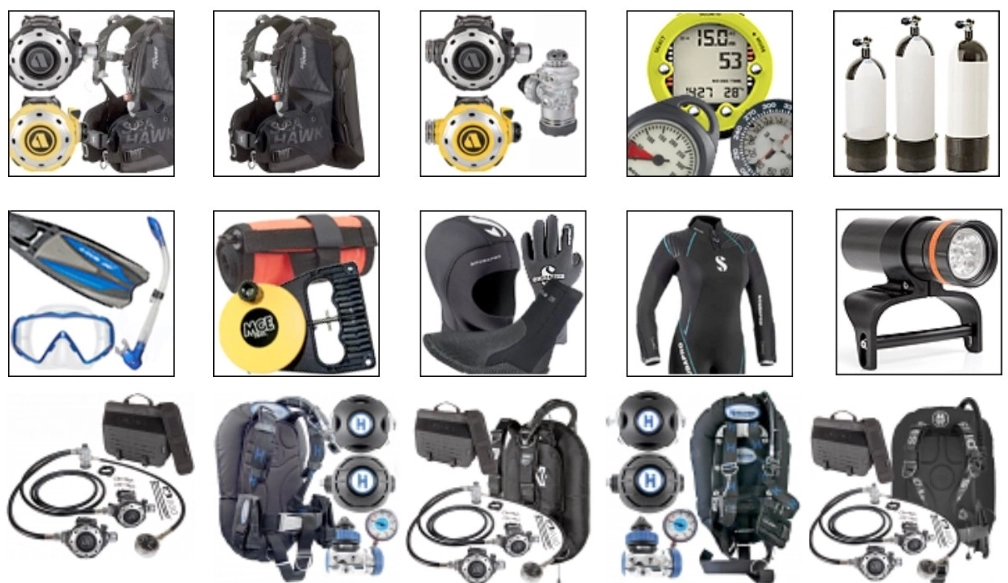
Your Scuba Gear Cost Questions Answered
 How much should I budget for annual scuba gear maintenance?
 The final number on your scuba gear receipt shouldn't be a shock. It's the price of a passport to another world. By understanding the breakdown—prioritizing fit and life-support, and making a clear-eyed choice between renting and buying—you make an investment that pays back in comfort, safety, and countless hours of underwater freedom. Start with the mask that fits, and build from there.

Comments