You hear "best diving in Thailand" and pictures of crystal water and endless reefs flood your mind. The hype is real, but the reality is more nuanced. Having logged dives here for over a decade, I've seen sites transform, seasons shift, and crowds come and go. Thailand's underwater world is incredible, but calling one spot the "best" is like picking a favorite child—it depends entirely on what you're looking for. Are you a new diver on a budget? A seasoned photographer chasing whale sharks? A family wanting easy snorkeling? This guide cuts through the generic lists. We'll map out the top regions, pinpoint exactly what makes each unique, and—crucially—warn you about the common pitfalls that can turn a dream trip sour.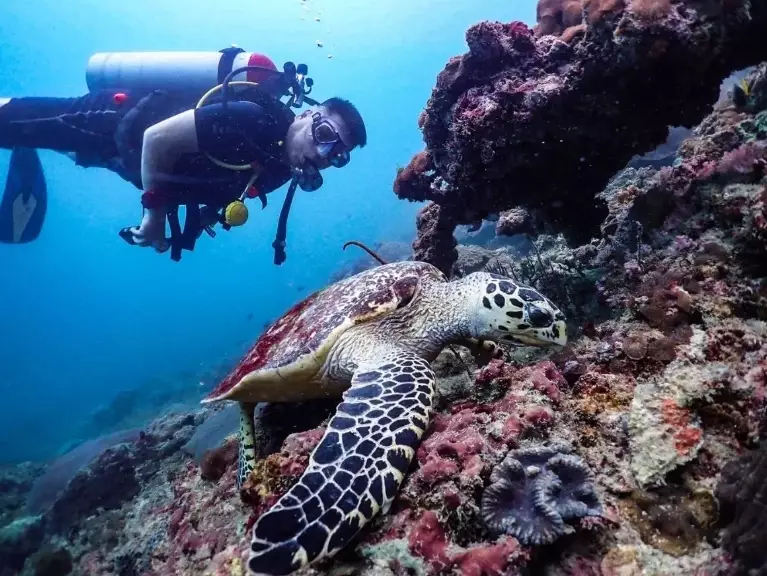
What's Inside This Guide
Andaman Sea vs Gulf of Thailand: The Big Choice
Your first decision isn't which island, but which coast. This choice dictates everything—marine life, trip cost, and even the season you should visit.
The Andaman Sea (West Coast) is the poster child. Think the Similan and Surin Islands, Richelieu Rock, Koh Phi Phi. This is where you find the iconic granite boulders, deeper walls, and the big pelagic action. The water is often clearer. But there's a catch: it's primarily a liveaboard territory. The best sites are 60-90km offshore. Day trips from Phuket exist, but they involve 3+ hour boat rides each way, leaving you exhausted with limited bottom time. The season is strict: mid-October to mid-May. Outside that, the monsoon shuts everything down.
The Gulf of Thailand (East Coast), centered around Koh Tao, Samui, and Phangan, is the learner's and budget diver's haven. The sites are closer, cheaper to reach, and operate year-round (though visibility drops in the Nov-Dec monsoon). You won't find the same dramatic seascapes or guarantee of big fish, but you'll find incredible biodiversity on the reefs, frequent turtle sightings, and a vibrant, social diving community. It's accessible.
The Top Dive Regions Broken Down
Let's get specific. Here’s a detailed breakdown of Thailand's major diving hubs. I've included not just the "what," but the "who it's for" and the logistical reality.
| Region / Key Sites | Signature Experience | Best For | Best Season | Access & Real-World Notes |
|---|---|---|---|---|
| Similan & Surin Islands (e.g., Elephant Head Rock, Richelieu Rock) |
Massive boulder formations, swim-throughs, pelagics (manta rays, whale sharks), pristine hard coral gardens. | Experienced divers, underwater photographers, liveaboard enthusiasts. Strong currents are common. | Dec to Apr (peak for whale sharks: Feb-Apr). | Liveaboard only (3-7 day trips from Khao Lak/Phuket). Book months ahead for peak season. A day trip is a waste—you'll spend 8 hours on a boat for 2 dives at marginal sites. |
| Koh Tao & Sail Rock (Chumphon Pinnacle, Southwest Pinnacle) |
Vibrant reef life, schooling fish (barracuda, batfish), frequent turtles, whale sharks at Sail Rock (seasonal). The pinnacles are stunning. | Beginners, budget travelers, digital nomad divers, getting certifications. Great social scene. | Mar to Oct (best viz). Diving year-round, but Nov-Dec can be choppy with lower viz. | Ferry from Chumphon or Surat Thani. Hundreds of dive shops. Shop around—price often correlates with group size. Sail Rock is a day trip and worth every minute. |
| Koh Phi Phi & Hin Daeng/Muang | Dramatic walls (King Cruiser wreck), leopard sharks, and at Hin Daeng: possible manta rays and the rare, site-specific Hin Daeng anemonefish. | Divers who want Andaman action with a lively island base. Hin Daeng is advanced due to depth/current. | Nov to May. Hin Daeng/Muang are seasonal (same as Similans). | Day trips from Phi Phi Don or Koh Lanta. Phi Phi is crowded; Lanta is a chiller base. The famous Maya Bay (from the film The Beach) is closed to swimming/diving for rehabilitation—respect that. |
| Phuket & Local Sites (Shark Point, Anemone Reef, Racha Yai) |
Convenient, reliable diving. Good for macro life (seahorses, ghost pipefish), reef sharks at Shark Point. | Short on time, families mixing diving with other activities, check-out dives before a liveaboard. | Nov to Apr. | Half-day or day trips from various beaches. Don't expect Similan-level grandeur. It's solid, convenient diving. Racha Yai is good for beginners and snorkelers. |
What About the Lesser-Known Spots?
Everyone targets the big names. For something different, look east. Koh Chang and the nearby islands in the eastern Gulf offer relaxed diving with healthy corals and a fraction of the crowds. It's not big animal territory, but the peacefulness is a selling point. Further south, near the Malaysian border, Tarutao National Marine Park is remote and pristine, accessed via liveaboard from Pak Bara. It's for true adventurers.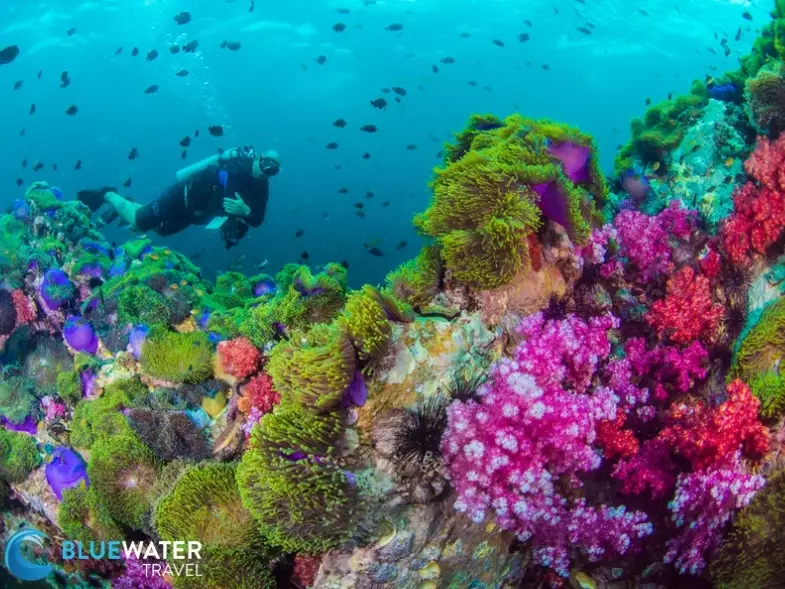
Planning Your Thailand Diving Trip: Season, Budget, Logistics
You can't just show up. Well, you can, but you'll pay more and get less.
Season is Everything: The Andaman season (Oct-May) is gospel. A "shoulder season" trip in late October might mean rougher seas but fewer boats. The Gulf's rainy season (Nov-Dec) is diveable, but visibility can drop to 5-10 meters. I've had great dives in September in the Gulf—warm water, few tourists.
Budget Realities:
• Budget (Koh Tao): A fun dive can cost as little as 1,000 THB ($30). Open Water courses are famously cheap.
• Mid-Range (Phi Phi/Lanta day trips): Expect 3,500-5,000 THB ($100-$140) for a 2-tank trip to good sites.
• High-End (Andaman Liveaboard): This is the investment. A 4-day/3-night trip starts around 30,000 THB ($850) and goes way up. It includes all dives, food, and accommodation. It's worth it for the access.
Logistics Tip: Fly into the closest airport. For the Andaman coast, that's Phuket (HKT) or Krabi (KBV). For Koh Tao, you fly to Samui (USM) for convenience or Surat Thani (URT) for a cheaper ferry combo. Allow a full travel day between coasts—it's not a quick hop.
Common Mistakes & How to Avoid Them
I've seen these too many times.
Mistake 1: Trying to do both coasts in a short trip. The travel time will eat 2 days. Pick one coast and explore it deeply.
Mistake 2: Choosing a dive shop on price alone. In places like Koh Tao, the cheapest shop might put 8-10 divers with one instructor. Ask about group size. Paying 10-20% more for a 4:1 ratio is a game-changer for safety and enjoyment.
Mistake 3: Not checking the boat. Look at photos. Is it a crowded speedboat with 40 people, or a converted fishing boat with space to move? The boat experience is half the day.
Mistake 4: Ignoring marine conservation. Touching corals, chasing turtles, feeding fish—it still happens. Choose operators affiliated with Project AWARE or Green Fins. Your money votes for the ocean's health. The Department of Marine and Coastal Resources has guidelines all divers should follow.
Your Thailand Diving Questions Answered
I'm not certified. Can I still experience the best diving in Thailand?
Absolutely, but manage your expectations. The iconic deep sites with currents (Similans, Richelieu Rock) require an Advanced Open Water certification. However, you can do a Discover Scuba Diving (DSD) experience at most resorts, which lets you dive to 12 meters with an instructor. Koh Tao's shallow reefs are perfect for this. For snorkelers, places like the Similans (on a liveaboard with a snorkel package) or the Racha Islands offer breathtaking coral gardens right from the surface.
Is it safe to dive in Thailand during the rainy season?
This depends entirely on the coast. On the Andaman coast (Phuket, Similans, Phi Phi), the monsoon from May to October brings strong winds and rough seas. Most operators shut down. It is not safe or feasible. On the Gulf coast (Koh Tao, Samui), the main rainy period is November-December. Diving continues, but conditions can be unpredictable—lower visibility, surface chop. It's a trade-off: you get cheaper deals and fewer people, but the underwater viewing might be compromised. July-October in the Gulf is often excellent.
 What's one piece of gear you always bring to Thailand that most divers forget?
A good surface marker buoy (SMB) and reel. Many rental sets don't include them, especially for recreational divers. Currents can be unexpected, even on sites described as "easy." Being able to signal the boat from a distance during your safety stop is a basic safety skill that gives you and your guide peace of mind. It's a small item that shouts "experienced diver."
Are whale sharks guaranteed on a Similan Islands liveaboard?
No. Any operator that guarantees them is lying. Whale sharks are wild, pelagic animals. Your chances are highest from February through April at sites like Richelieu Rock and Koh Bon. Even then, it's luck. A good liveaboard will manage expectations and emphasize that the dive sites themselves are the main attraction. Seeing a whale shark is a glorious bonus, not a promise.
How do I choose between a liveaboard and day trips?
Ask yourself about time, budget, and stamina. Liveaboards are for immersion: you wake up at the best sites, do 3-4 dives a day (including night dives), and travel while you sleep. It's the only way to reach the premier Andaman sites properly. Day trips are more flexible and social. You're back on land each evening for restaurants and nightlife. If your primary goal is world-class diving and you have the budget, the liveaboard is unmatched. If you want to mix diving with island exploration or have a tighter budget, day trips from Koh Tao, Phi Phi, or Lanta are fantastic.
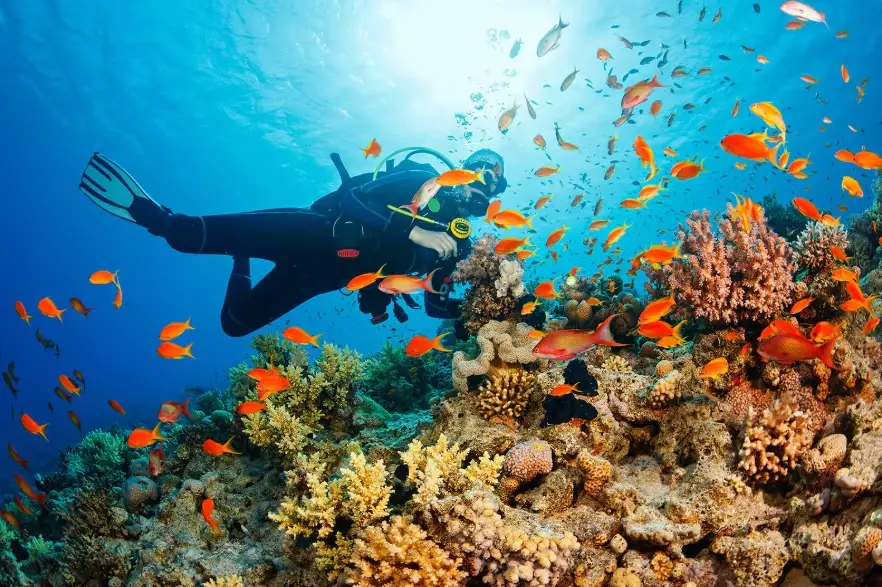 The best diving in Thailand isn't a single pin on a map. It's the experience that matches your skills, interests, and travel style. Whether it's the adrenaline of a current-swept pinnacle in the Similans or the calm wonder of watching a turtle nap on a Koh Tao reef, it's all there. Plan with the seasons in mind, choose your operator carefully, and always dive with respect for the ocean. That's how you find your personal best.


Comments