If you're expecting a single month as the magic answer, I've got news for you. After a decade of guiding trips here, I can tell you that picking the best time to dive in Thailand depends entirely on two things: which coast you're visiting and what you want to see. The short, oversimplified answer is November to April. But that's like saying "food is good"—it's true but useless for planning a meal.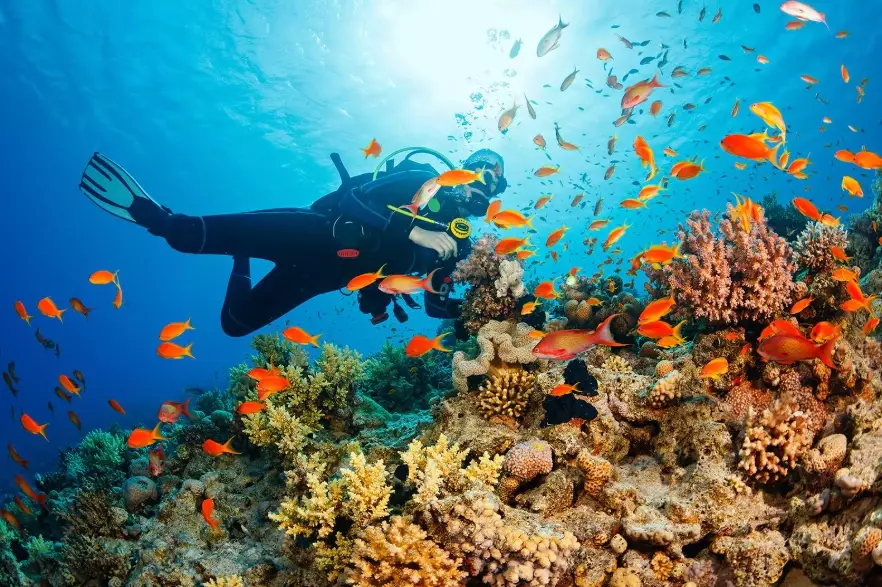
The real key is understanding that Thailand has two completely different dive coasts—the Andaman Sea (west) and the Gulf of Thailand (east)—with opposing weather patterns. Get this wrong, and you'll be staring at a rain-swept pier instead of swimming with whale sharks.
What's in This Guide?
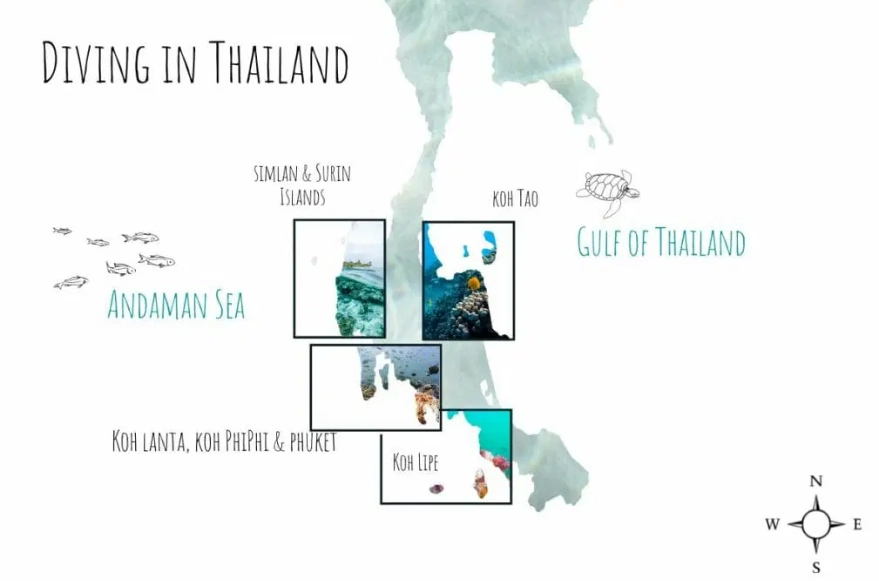
Understanding Thailand's Two Dive Coasts
This is the single most important concept. Most first-timers book flights to Bangkok or Phuket and then pick dive sites randomly. Big mistake.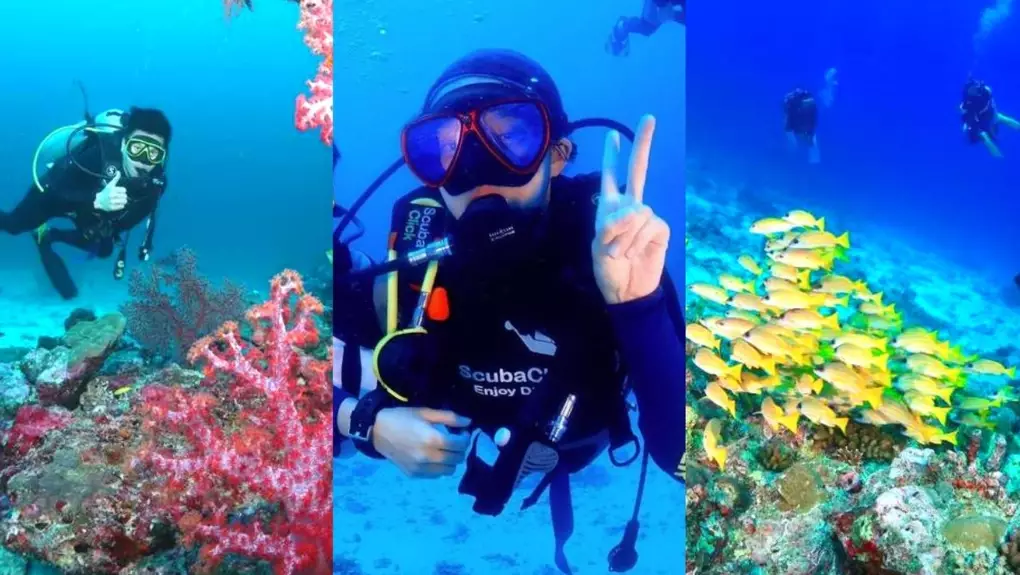
The Andaman Sea (West Coast)
This is the poster child for Thai diving. Think of the iconic limestone karsts of Phang Nga Bay, but underwater. Key gateways are Phuket, Khao Lak, and the Ranong province. From here, you access the legendary liveaboard routes to the Similan Islands, Surin Islands, Richelieu Rock, and Koh Bon. The water is typically clearer here, with stronger currents that bring in the big pelagics. The season is strictly dictated by the monsoon.
The Gulf of Thailand (East Coast)
A different beast altogether. Gateways are Koh Samui, Koh Phangan, and Chumphon. The diving revolves around islands like Koh Tao, Koh Phangan, Sail Rock, and the Samui archipelago. The Gulf is generally calmer, shallower, and famous for its coral gardens and resident populations of smaller critters. It's the go-to for beginner divers and underwater photography focusing on macro life. Its season runs counter to the Andaman.
The Dry Season (November to April): Peak Conditions with a Caveat
This is the broad high season. The southwest monsoon has ended, seas calm down, and visibility shoots up. But it's not uniformly perfect across the country.
| Region | Peak Months | Conditions & What to Expect | The Caveat |
|---|---|---|---|
| Andaman Sea | Dec - Apr | Prime time. Similan/Surin parks open (approx. Oct 15 - May 15). Visibility 20-40m. Best chance for manta rays, whale sharks at Richelieu Rock. Water temp: 28-30°C. | It's busy and expensive. Liveaboards book out months in advance. February-March can feel like a diver highway at popular sites. |
| Gulf of Thailand | Mar - Aug | Its own dry season. Calm seas, good visibility (15-25m). Excellent for learning in Koh Tao. Sail Rock is consistently good. | April-August can get very hot and humid on land. Algae bloom sometimes reduces viz in late summer, but diving remains operational. |
My personal favorite window in the Andaman is late November or early December. The parks have just reopened, the crowds from the Christmas rush haven't arrived yet, and the marine life is hungry and active after the quieter monsoon period. I've had some of my most memorable dives with multiple whale shark sightings during this shoulder period.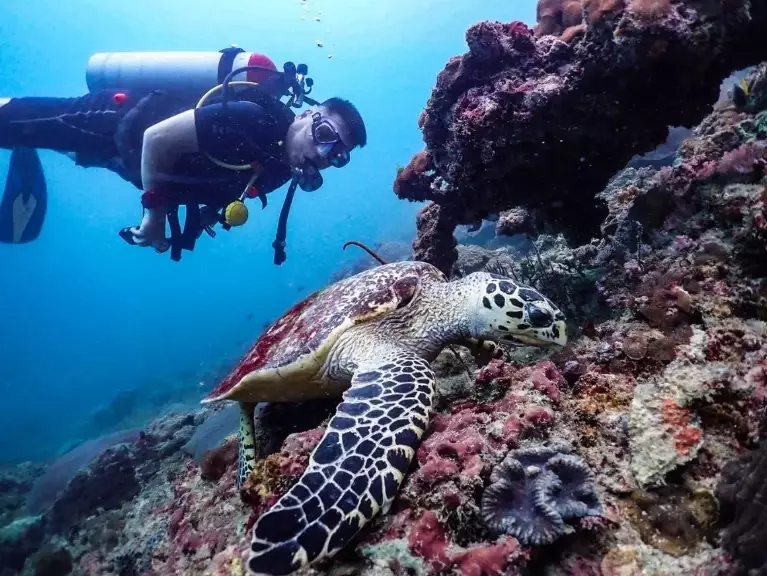
The Wet Season (May to October): Don't Write It Off
Many blogs will tell you to avoid these months. That's lazy advice. While the Andaman Sea takes a hit, the Gulf of Thailand comes into its own.
The Andaman (May-Oct): The southwest monsoon brings rain, wind, and rough seas. The Similan and Surin National Marine Parks are officially closed (usually May 15 - Oct 14). Diving shifts to sites closer to Phuket (like Koh Phi Phi, Racha Islands, Shark Point). Visibility drops (10-20m), rain runoff can affect near-shore sites, and trips get cancelled more often. However, it's cheap, empty, and the marine life is still there. You might get a whole site to yourself.
The Gulf (Sep-Dec): This is its wet season, but it's less severe than the Andaman's. You'll get short, heavy afternoon showers, but mornings are often clear. Diving continues year-round around Koh Tao and Samui. The water is warm, and it's a great time for macro life—frogfish, ghost pipefish, and nudibranchs are plentiful. It's the budget-friendly, crowd-free alternative.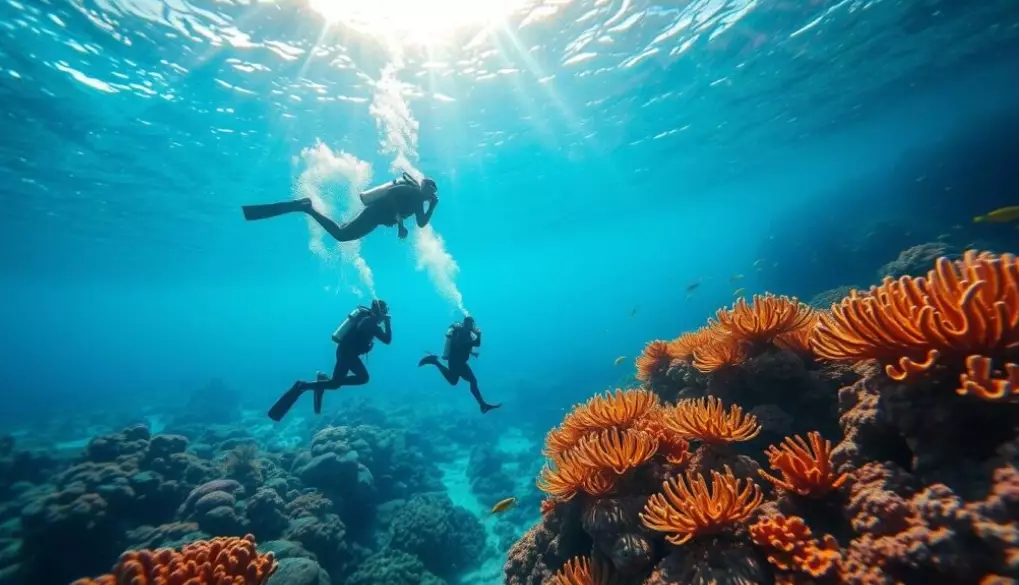
A Month-by-Month Dive Planner
Let's get specific. Here’s what you can realistically plan for each month.
- January & February: Andaman peak. Fantastic conditions, whale shark season at Richelieu Rock kicks in. Gulf is good, starting to get warm. Book everything far ahead.
- March & April: Andaman still excellent, water is crystal clear, but surface can be hot. Gulf is in its sweet spot—great conditions before the heat peaks. Thai New Year (Songkran) in mid-April means domestic travel chaos.
- May: Transition month. Andaman parks close mid-month, seas get rougher. Gulf conditions remain very good. A good month for the Gulf.
- June, July, August: Gulf season. Andaman diving is limited to near-shore Phuket sites, weather-dependent. Good for learning in Koh Tao without the crowds.
- September & October: The trickiest months. Andaman is wet, Gulf is getting wetter. However, October often sees the Andaman parks reopen mid-month—early birds get fresh sites. Can be a gamble with weather.
- November & December: Andaman parks are open, conditions improving weekly. My top recommendation for value and quality. Gulf is entering its wet season but still diveable, especially early November.
Spotlight on Key Dive Sites & Logistics
Knowing the season is one thing. Knowing how to actually get to these places is another.
Similan Islands Liveaboard (Andaman Sea)
This is a bucket-list trip. You don't "day trip" to the Similans properly. You need a 3-5 day liveaboard from Khao Lak or Phuket.
- Access Point: Khao Lak (1.5 hours north of Phuket Airport) is the dedicated liveaboard hub. Thap Lamu Pier is where boats depart.
- Season: Strictly mid-October to mid-May. Outside this, you cannot go.
- Booking: Book at least 4-6 months in advance for peak season (Jan-Mar).
- Cost: A 4-day/3-night trip ranges from $800 to $1500+ depending on boat luxury.
Koh Tao (Gulf of Thailand)
The backpacker and dive certification capital of Asia. A completely different vibe.
- Access: Fly to Koh Samui (expensive) or Surat Thani (cheaper). From Samui, a 1.5-hour ferry. From Surat Thani, a combined bus+ferry (about 4 hours total).
- Season: Diving is year-round. Best viz: March-August. Wet season (Sep-Dec) brings more rain but also plankton, attracting whale sharks occasionally.
- Dive Shops: Hundreds. Do your research. Don't just pick the cheapest—look at instructor-to-student ratios and safety records.
- Logistics: It's a small island. Everything is walkable or accessible by scooter taxi. Accommodation ranges from $10 hostels to $200+ resorts.
I have a soft spot for the less-hyped Surin Islands north of the Similans. The dive sites are just as good, if not better for macro, and the liveaboards there feel more remote. The downside is the longer sail time, which means shorter itineraries spend more time traveling.
Your Thailand Diving Questions Answered
 I only have one week. Should I try to dive both coasts?
Comments