Let's cut to the chase. After over a decade of diving here, I can say yes, diving in Thailand is absolutely worth it for most people. But it's not a simple yes. It depends on what you're looking for, your budget, and your experience level. I've seen beginners blown away by the vibrant reefs and advanced divers disappointed by crowded sites. This guide will give you the real scoop, not just the glossy brochure stuff.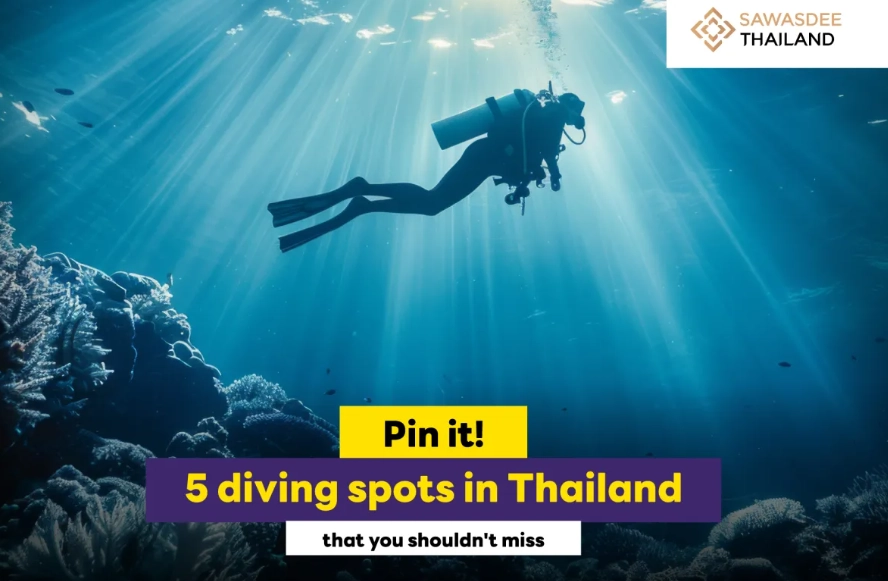
What You'll Find in This Guide
Why Thailand is a Top Diving Destination
Thailand isn't just about beaches and pad thai. Underwater, it's a whole different world. The country sits in the heart of Southeast Asia, with warm waters year-round and insane marine diversity. From whale sharks to tiny nudibranchs, you'll see it all.
World-Class Marine Biodiversity
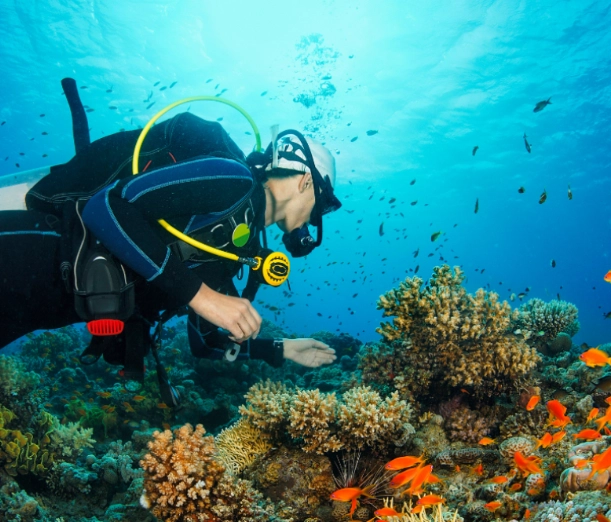
The Andaman Sea and Gulf of Thailand are like underwater cities. I remember my first dive at Richelieu Rock—schools of barracuda, mantas gliding by, and more colors than a rainbow. According to a report by the Department of Marine and Coastal Resources Thailand, the region hosts over 300 coral species and 1,000 fish species. That's not just numbers; it means every dive feels new.
Affordable Diving Packages
Here's the kicker. Compared to places like the Maldives or Australia, Thailand is cheap. A fun dive can cost as low as $30, and certification courses are half the price of Western countries. But cheap doesn't mean low quality. Many operators follow PADI standards, so safety isn't compromised.
I've dived with budget shops in Koh Tao and luxury liveaboards in the Similans. Both have their perks. The key is knowing where to look.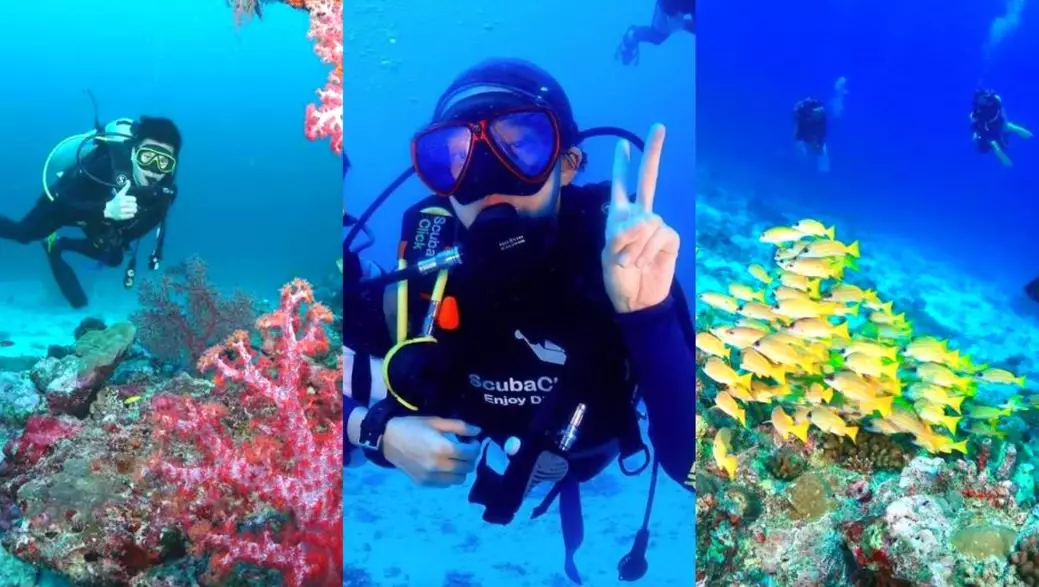
Top Diving Spots in Thailand: A Detailed Breakdown
Not all dive sites are created equal. Some are overhyped, others are hidden gems. Let's break down the top spots based on my experience.
Similan Islands: The Underwater Paradise
Located about 84 km off the coast of Phang Nga Province, the Similan Islands are a national park. Access is mainly via liveaboard from Khao Lak or Phuket. The best time is November to April when seas are calm.
What to expect: Granite boulders, crystal visibility (up to 30 meters), and big pelagics. Sites like Elephant Head Rock are advanced due to currents, but worth it for the adrenaline. Park fees are around 500 THB ($14) per person. Liveaboards range from $300 to $800 for 3-4 days, including meals and dives.
My take? It's stunning, but can get crowded in peak season. Book early.
Koh Tao: The Beginner's Haven
Koh Tao, in the Gulf of Thailand, is famous for cheap dive certifications. The island is accessible by ferry from Chumphon or Surat Thani. Diving is year-round, but avoid October-November for heavy rains.
Spots like Chumphon Pinnacle offer chances to see whale sharks. A fun dive costs $25-$40, and a PADI Open Water course is about $300-$400. I got certified here years ago—the instructors were great, but some shops rush through training. Do your research.
Richelieu Rock: For the Advanced Divers
This is a submerged pinnacle in the Andaman Sea, near the Surin Islands. It's part of a liveaboard itinerary, usually from Khao Lak. Visibility is insane, and you might spot mantas, whalesharks, and even rare seahorses.
It's deep and current-heavy, so not for newbies. A 4-day liveaboard including Richelieu Rock starts at $600. The marine life is unparalleled, but the journey is long. Pack seasickness pills.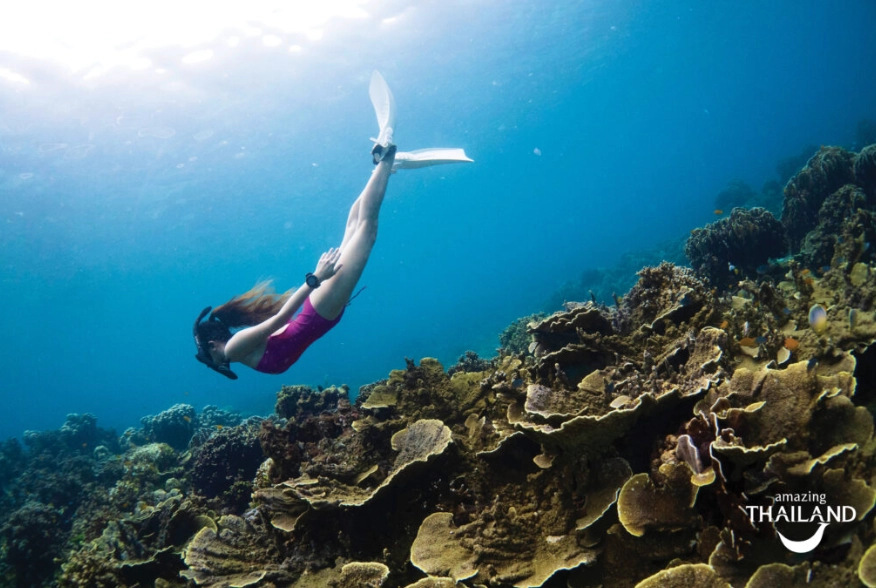
Here's a quick comparison table to help you choose:
| Dive Site | Location | Best For | Avg. Cost per Dive | Best Time to Visit |
|---|---|---|---|---|
| Similan Islands | Andaman Sea, Phang Nga | Advanced divers, big animals | $40-$60 | Nov-Apr |
| Koh Tao | Gulf of Thailand | Beginners, certifications | $25-$40 | Dec-Sep |
| Richelieu Rock | Andaman Sea, near Surin Islands | Experienced divers, photography | $50-$70 (via liveaboard) | Dec-Apr |
Cost Analysis: Is Diving in Thailand Budget-Friendly?
Let's talk money. Diving in Thailand can be a steal if you plan right. But hidden costs can add up. I've seen tourists blow their budget on fancy gear rentals when they didn't need to.
A typical day of two fun dives in Koh Tao costs around $50-$70, including gear. In Phuket or Krabi, it's $60-$90. Liveaboards are pricier but offer more value. For example, a 3-day Similan trip might cost $500-$800, but that covers accommodation, food, and 8-10 dives.
Pro tip: Book directly with local operators online or in person for discounts. Avoid peak season (December-January) when prices spike by 20%.
Gear rental is cheap—$10-$20 per day for a full set. But if you're serious, bring your own mask and snorkel. I've had leaky masks ruin dives.
Accommodation varies. Hostels in Koh Tao start at $10/night, while resorts in Phuket can be $100+. Transportation between islands adds up; ferries cost $20-$40 per trip.
Overall, a week of diving in Thailand can cost $500-$1500 per person, excluding flights. That's half of what you'd pay in the Caribbean.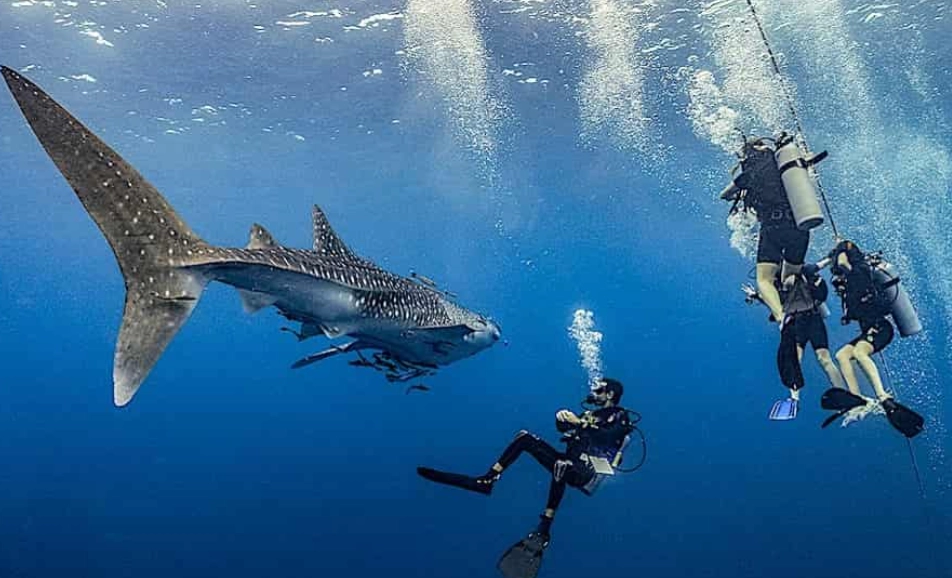
How to Plan Your Diving Trip to Thailand
Planning makes or breaks your trip. I've helped friends avoid disasters by following a simple checklist.
Best Time to Visit
Thailand has two main diving regions with different seasons. Andaman Sea (west coast) is best from November to April. Gulf of Thailand (east coast) is year-round, but avoid October-November for monsoons.
If you want to avoid crowds, go in shoulder seasons like May or September. I did that once—fewer boats, more marine life.
Essential Gear and Preparation
You don't need to bring everything. Most shops provide gear, but here's what I recommend:
- Must-haves: Dive certification card, travel insurance that covers diving (like DAN), and a logbook.
- Nice-to-haves: Your own mask, dive computer, and wetsuit (3mm is enough for 28°C waters).
- Skip: Heavy tanks and weights—rent them there.
Health-wise, get a check-up if you have issues. I've seen divers get turned away for ear infections.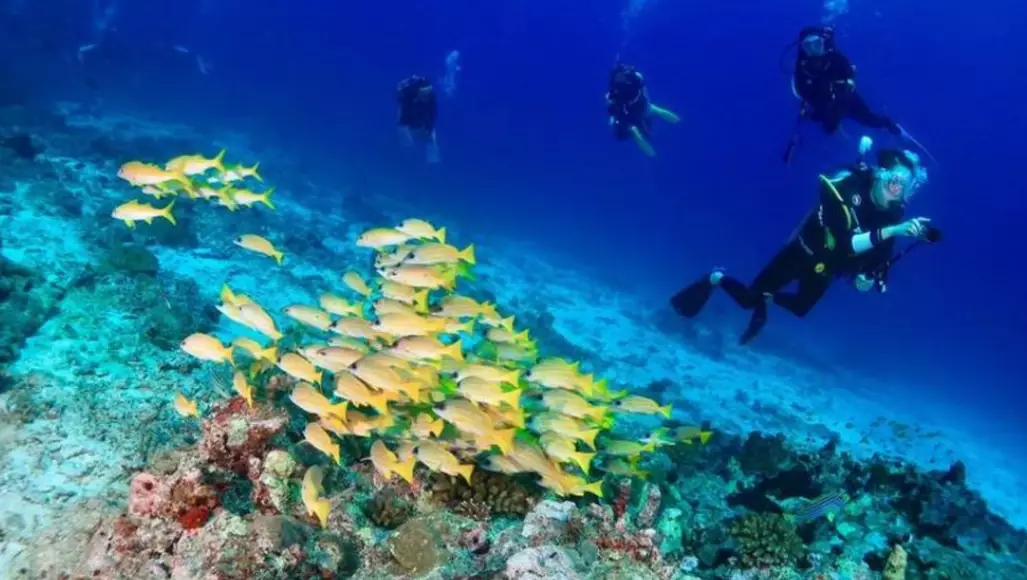
Sample 7-Day Itinerary
For beginners: Fly into Bangkok, take a bus/ferry to Koh Tao (2 days travel). Spend 3 days doing a PADI Open Water course ($300). Then, 2 days of fun dives at nearby sites. Total cost: around $600.
For advanced divers: Fly to Phuket, join a 4-day liveaboard to Similan Islands ($700). Rest days in Phuket for local dives. Total: $900+.
Common Pitfalls and How to Avoid Them
Here's where most guides fail. They don't tell you the ugly parts. After 10 years, I've made my share of mistakes.
Overcrowding: Popular sites like Sail Rock can have 50 divers at once. It feels like a subway rush hour underwater. Solution: Go early in the morning or choose less-known spots. Ask local guides for hidden sites—they often know secluded reefs.
Environmental damage: Sadly, some areas suffer from coral bleaching due to tourism. A study by the Thai Marine Department shows that 30% of reefs are degraded. Support operators who follow sustainable practices, like Eco Koh Tao, which organizes clean-up dives.
Safety shortcuts: Not all dive shops are equal. I once saw an instructor take too many students, compromising safety. Check reviews on Scubaboard or ask for operator credentials. Don't just go for the cheapest option.
Weather surprises: Monsoons can cancel trips last minute. I got stuck in Koh Lanta once when boats stopped for a week. Have a flexible schedule and backup plans, like inland tours.
My personal gripe? The lack of enforcement in marine parks. Some boats drop anchors on coral. As a diver, speak up—choose eco-friendly tours.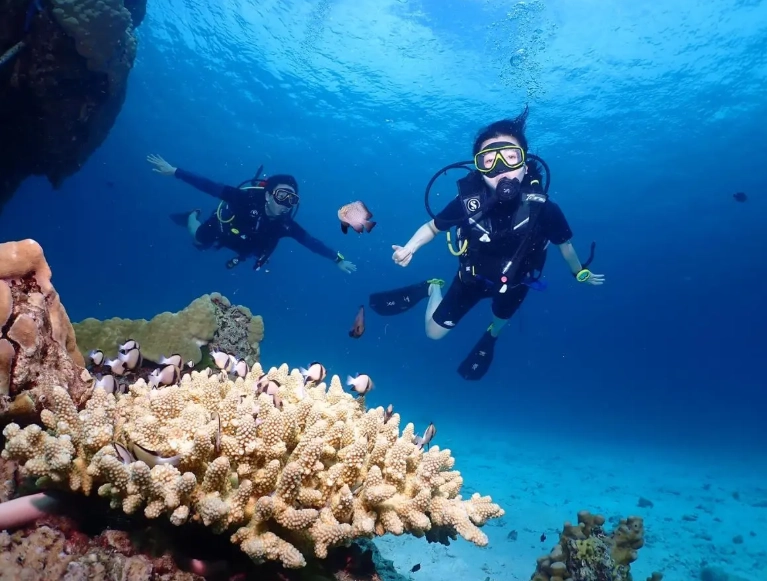
Frequently Asked Questions
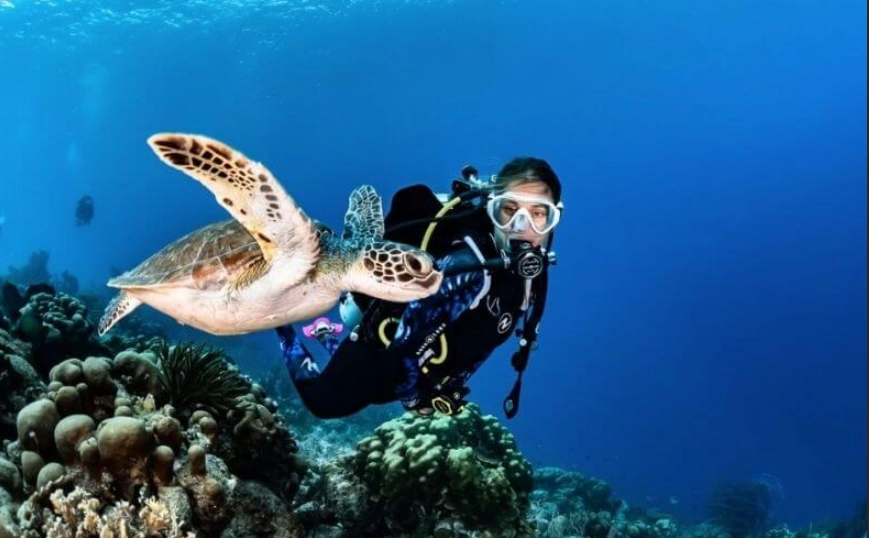 To wrap up, diving in Thailand is worth it if you approach it with eyes open. The value for money, diversity of sites, and warm waters make it a top choice. But be smart—plan ahead, choose responsibly, and respect the ocean. Whether you're a newbie or a pro, there's something here for you. Now, go book that ticket and see for yourself.

Comments