So you're in Phuket, looking at those turquoise waters, and the idea of scuba diving has popped into your head. Maybe you saw a video of someone gliding with turtles, or a friend won't stop talking about it. But you've never done it before. The equipment looks complicated. Is it safe? What if you panic? Where do you even start?
Relax. Phuket is arguably one of the best places on the planet to take your first breath underwater. The water is warm, the marine life is forgiving and fascinating, and there's an entire industry built around introducing people like you to the silent world. I've been diving here for over a decade, teaching hundreds of first-timers, and I can tell you that the biggest barrier is usually just making the booking. This guide will walk you through every single step, from that initial thought to floating weightlessly among the fish.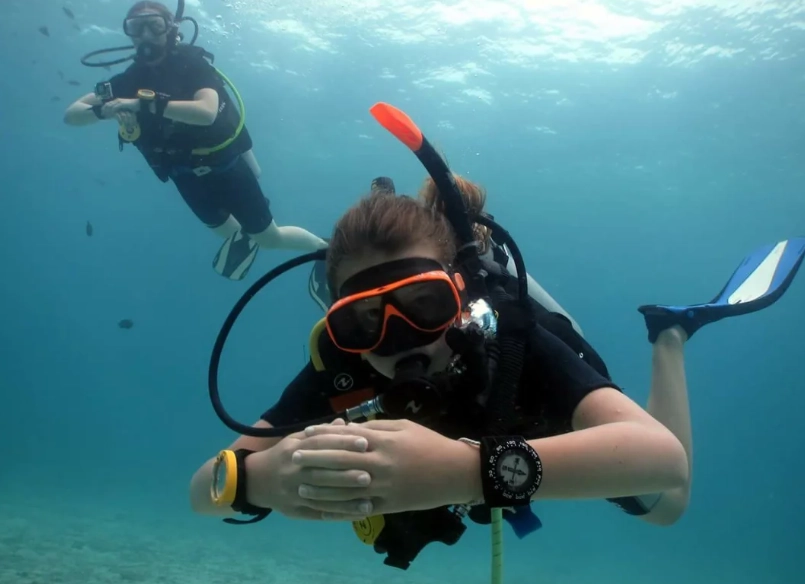
What's Inside This Guide?
Why Phuket is the Perfect Place to Start Diving
It's not just marketing. Several factors converge here to create a beginner-friendly diving ecosystem.
Calm Conditions (Most of the Time): The Andaman Sea on Phuket's west coast is protected by the mainland and islands, meaning the waters are generally sheltered. Sites like Racha Yai and Coral Island have gentle currents and good visibility, especially from November to April. You won't be thrown into raging ocean swells on day one.
Shallow, Sheltered Learning Areas: Many dive shops use the sandy, shallow bays of islands like Koh He (Coral Island) or specific spots around Racha for confined water training. You'll be standing in waist-deep water while you learn to use your gear, which does wonders for your confidence.
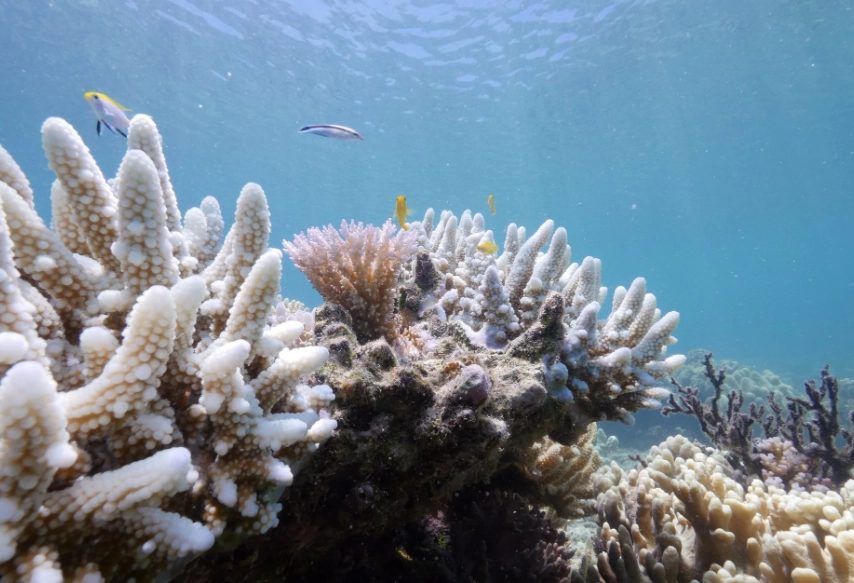
An Abundance of Life, Not Overwhelming: You'll see plenty—colorful reef fish, maybe a leopard shark resting on the sand, moray eels peeking from holes, and if you're lucky, a turtle. But you're not jumping into a channel of hundreds of sharks (that comes later, if you want it). The life is engaging but not intimidating.
Infrastructure and Choice: From budget-friendly operations in Patong to high-end resorts in Kamala, there's a dive shop for every style and budget. This competition generally raises safety and service standards. Plus, everyone speaks English.
A Local's Tip: The most common mistake beginners make when choosing a dive shop in Phuket is picking based solely on the cheapest price advertised online. That rock-bottom price often means large groups, rushed briefings, and older, less-comfortable equipment. Paying 10-20% more usually gets you a smaller group, more attentive guides, and a vastly better—and safer—first experience.
What You Need Before You Book Anything
You don't need to be an Olympic swimmer, but there are a few boxes to tick.
Health: The Non-Negotiable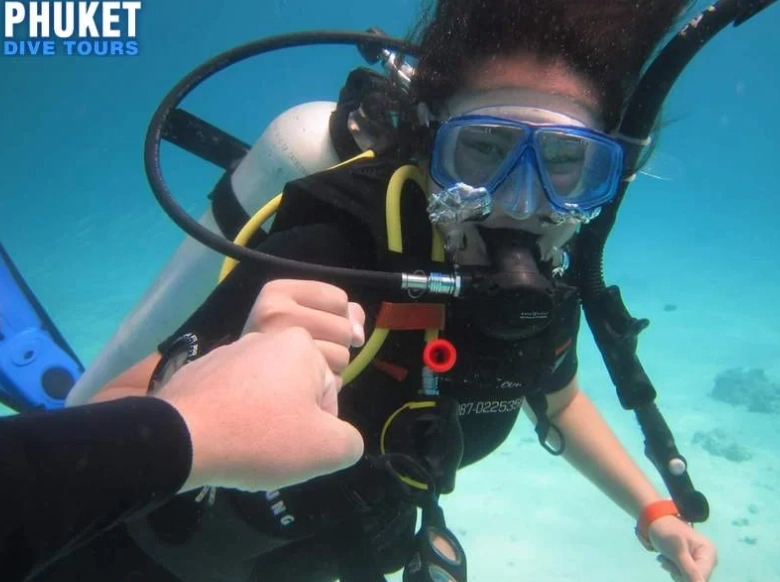
This is the most important part. Scuba diving is safe, but it puts unique pressures on your body. You must complete a medical questionnaire before any dive shop will take you. It asks about conditions like asthma, heart issues, recent surgeries, ear problems, and diabetes.
If you answer "YES" to any question, you'll need a doctor's clearance. Don't try to hide anything. A reputable shop will insist on this. I've seen people turned away because of uncontrolled asthma or a recent ear infection. It's for your safety.
Comfort in the Water
You don't need to be a strong swimmer, but you must be comfortable in the water. You'll need to swim 200 meters (any style, no time limit) and tread water for 10 minutes during your entry-level course. If you can't do that, consider taking a swimming lesson first. The goal is to prevent panic, not to test your speed.
Mindset Over Muscle
The best beginner divers are the ones who listen carefully, ask questions, and stay calm. It's normal to feel a bit nervous. Tell your instructor! A good one will take extra time with you. The cocky guy who says "I got this" often ends up struggling the most.
How to Choose Your First Dive Shop in Phuket
This decision makes or breaks your experience. Here’s a breakdown of the main types and what to look for.
| Type of Operation | Best For | Typical Vibe | What to Watch For |
|---|---|---|---|
| Large Resort/Chain Shop (e.g., in Patong, Karon) | Convenience, often have pools for practice, standardized procedures. | Efficient, professional, can feel a bit impersonal. Groups may be larger (6-8 divers per guide). | Ask about group size. Ensure their briefing is thorough, not rushed. |
| Small, Independent Shop (e.g., in Chalong, Rawai) | Personalized service, smaller groups, often run by passionate dive masters. | More relaxed, family-like. You might get more flexible itineraries. | Check their boat and equipment maintenance closely. Ask about their safety protocols. |
| Liveaboard Operator (for a multi-day trip) | NOT for absolute first dives. This is for after you get certified and want to see remote sites like the Similan Islands. | Immersive, focused on diving. You sleep on the boat. | Only consider after certification. Requires good "sea legs." |
My personal checklist when I recommend a shop to friends: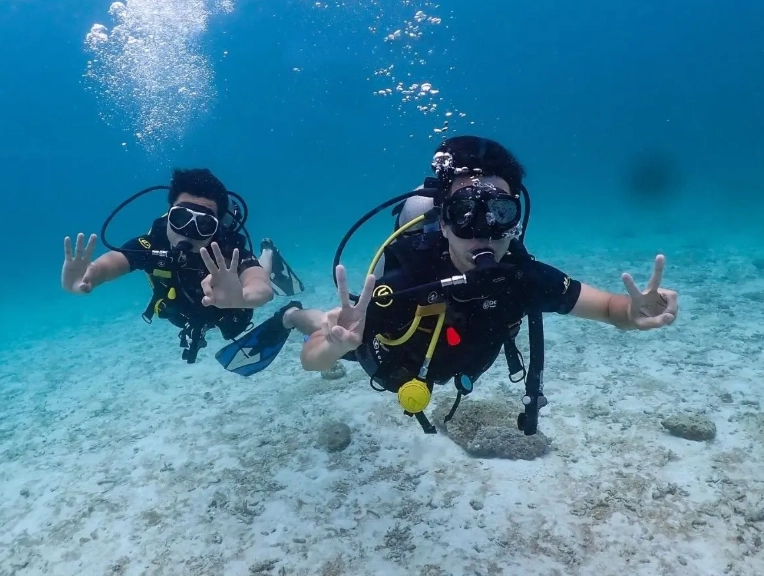
- Group Size: Ask directly: "What is the maximum number of beginners you will put with one instructor/guide?" Four or fewer is ideal. More than six is a red flag for a first-timer.
- Boat Quality: Look at photos. Is it a speedboat (fast, can be bumpy) or a larger, slower dive boat (more space, stable platform)? Neither is inherently better, but know what you're getting.
- Communication: Are they patient and clear in answering your emails or messages? If they're dismissive now, they will be on the boat.
- Equipment: You can ask how old their beginner regulator sets and BCDs (the buoyancy jacket) are. Well-maintained is key; brand new isn't always necessary.
- Focus on Buoyancy: Ask if they include a buoyancy skills session in shallow water before the dive. The best shops do. Mastering buoyancy is the #1 skill for enjoying diving and protecting the reef.
Based on my experience, spending time in the shops in Chalong Bay is a good bet. Many are run by long-term expat divers who are strict on safety and love teaching.
A Minute-by-Minute Look at Your First Dive Day
Let's walk through a typical day for a "Discover Scuba Diving" (DSD) experience, which is a one-day intro, not a full certification.
7:00 AM - 7:30 AM: Pick-up from your hotel. Don't be late. Have a light breakfast, but avoid a huge, greasy meal.
8:00 AM: Arrive at the dive shop in Chalong. Paperwork—the medical form and liability release. You'll meet your instructor and small group.
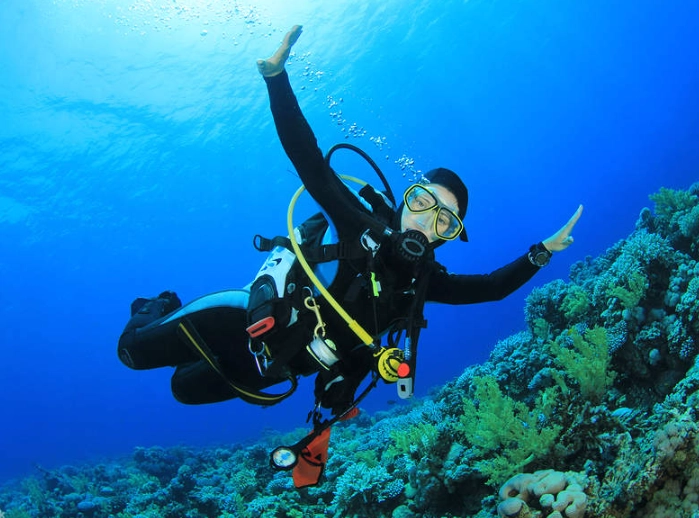
8:30 AM: Gear fitting. They'll give you a wetsuit (usually a shorty 3mm), mask, fins, snorkel, BCD, and regulator. This is the time to speak up if something feels pinchy or loose, especially the mask.
9:00 AM: Theory and pool/shallow water session. For 45-60 minutes, your instructor will explain the absolute basics: how to breathe, hand signals, clearing your mask, what to do if the regulator comes out of your mouth. Then you'll get in a pool or a very calm, shallow beach area to practice these skills. This is where nerves melt away.
10:30 AM: Board the boat. The ride to the dive site (like Racha Yai) takes 45-60 minutes. Enjoy the views, stay hydrated, and listen to the dive site briefing.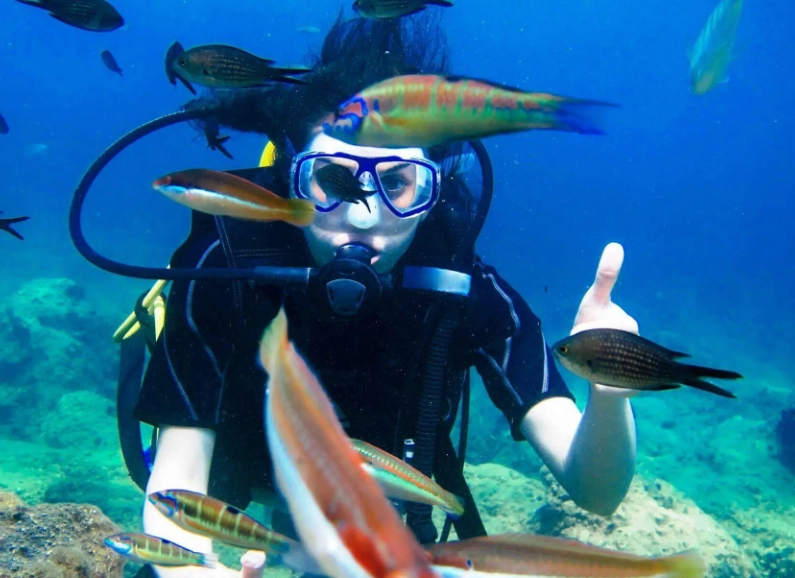
~11:30 AM: First Dive. You'll gear up with help. Do a "giant stride" off the boat. Your instructor will be holding onto you. You'll slowly descend along a mooring line, equalizing your ears every meter. You'll go down to maybe 6-8 meters (20-25 feet). The goal is just to get comfortable breathing and moving. The dive lasts 30-40 minutes. You'll probably see a lot more than you expect.
12:30 PM: Surface interval. Lunch on the boat. You must wait at least an hour before a second dive to let nitrogen dissipate. Relax, chat, drink water.
~1:45 PM: Second Dive. A different site, maybe a bit deeper (up to 12 meters/40 feet). You'll feel much more confident. This dive is purely for fun and exploration.
3:00 PM: Head back to shore. Gear rinse-down. Share stories. You'll likely be offered a link to purchase photos/videos taken by the guide.
4:30 PM: Drop-off at your hotel. You'll be tired in the best way possible.
Top Beginner Dive Sites Around Phuket
These are the go-to spots for introductory dives. Conditions vary by season.
| Site Name | Location (from Phuket) | Max Depth (Beginner Area) | What Makes it Great for New Divers | Likely Sightings |
|---|---|---|---|---|
| Racha Yai ("Raya") | South, ~45 min by speedboat | 8-15 meters | Calm bays, sandy bottoms, excellent visibility. Multiple sites around the island suit all conditions. | Anemonefish, trevallies, barracuda schools, occasional leopard shark. |
| Koh He (Coral Island) | South, ~20 min by boat | 5-10 meters | Extremely sheltered, often used for training. Very shallow reefs. | Hard and soft corals, clownfish, parrotfish, sea urchins. |
| Shark Point (Anemone Reef) | East of Phuket, ~60 min | 12-18 meters | A bit more advanced but often included for confident beginners. Dramatic seascape. | Leopard sharks (almost guaranteed), moray eels, incredible soft coral formations. |
| Phi Phi Islands (Bida Nok/Noi) | ~90 min by speedboat | 10-20 meters | Longer trip, but stunning biodiversity. Can have mild currents. | Blacktip reef sharks, turtles, huge schools of fusiliers, possibly a hawksbill turtle. |
Most one-day intro dives will stick to Racha Yai or Coral Island for their predictability and ease.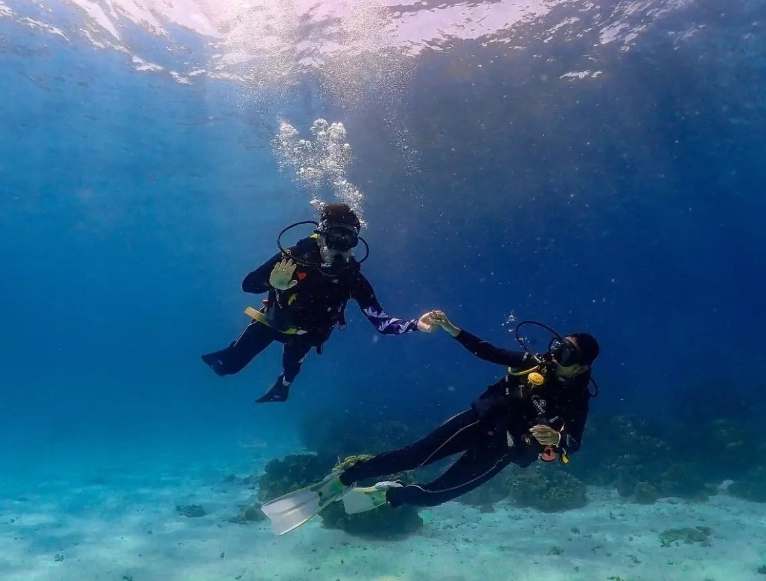
FAQs for First-Timers (The Real Questions You Have)
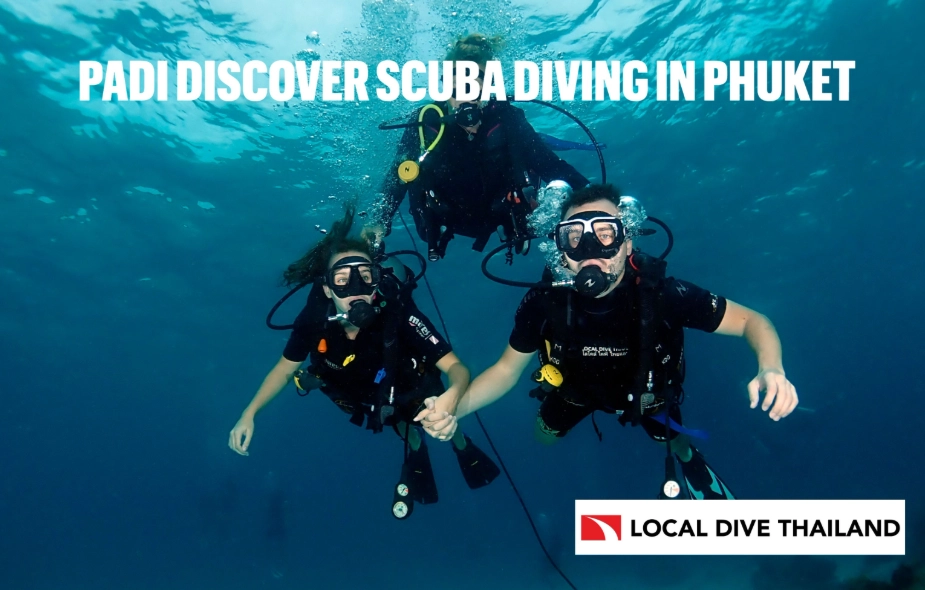 How do I avoid feeling claustrophobic with the mask on?
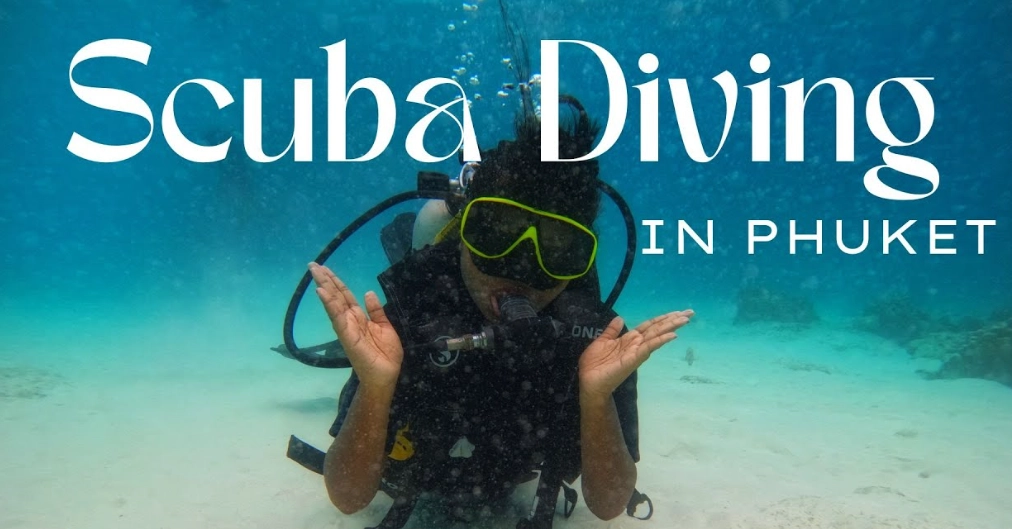 The final piece of advice? Go with a sense of wonder, not just a checklist. Listen to your instructor, breathe slowly, and look around. That moment you forget about the equipment and just become an observer in a whole new world—that's the magic. And Phuket is a brilliant place to find it.
See you underwater.


Comments