Let's cut through the noise. Everyone says Thailand has amazing diving, but figuring out where to go is a headache. Is it the whale sharks of the Similan Islands? The easy reefs of Koh Tao? Or the quirky macro life of the Gulf? The "best" spot doesn't exist—it depends entirely on what you want. I've spent over a decade diving here, guiding trips from the Andaman to the Gulf. This isn't a generic list; it's a breakdown to match the right underwater experience to you, whether you're a nervous first-timer or a jaded tech diver looking for a challenge.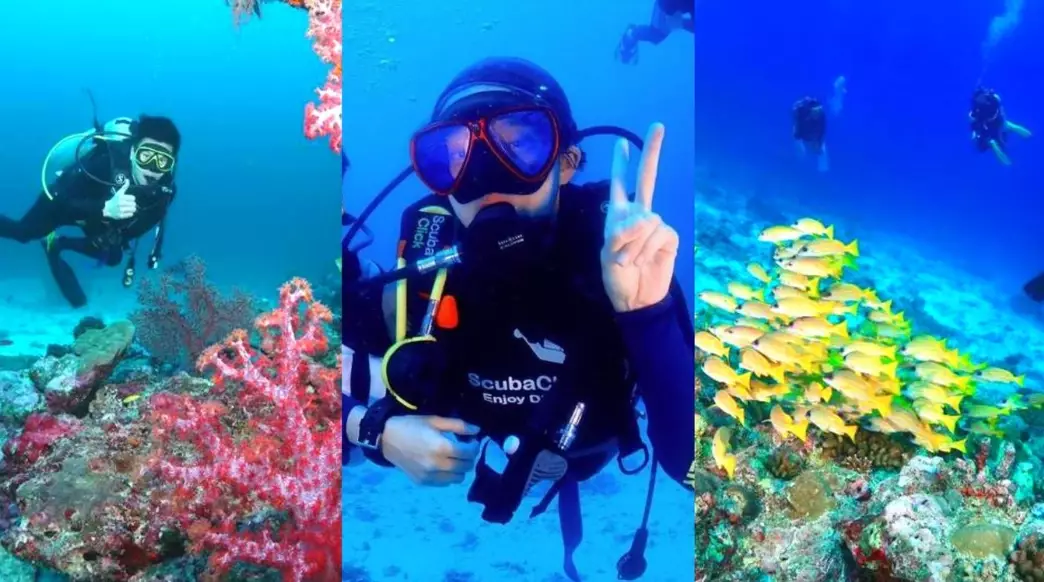
Your Dive Planning Jumpstart
Thailand's Two Diving Worlds: Andaman vs. Gulf
First, geography. Thailand's diving splits between two coasts: the Andaman Sea on the west (Phuket, Krabi, Ranong) and the Gulf of Thailand on the east (Koh Tao, Koh Samui, Pattaya). They're different planets. Picking the wrong coast for your trip dates or skill level is the biggest mistake I see.
The Andaman is the poster child. Think dramatic granite boulders, sheer walls, and that famous powder-blue water. Visibility often hits 30 meters. The big draws are pelagics—manta rays, whale sharks (seasonally), and schooling fish. But it's more exposed. The season is strict (roughly November to April), trips are longer, and currents can be serious. It feels more like an expedition.
The Gulf is the workhorse. It's protected, diveable year-round (though best November-August), and the trips are short. You won't get the same dizzying visibility (15-20m is typical), and the landscape is more coral-covered slopes than dramatic seascapes. But what it lacks in grandeur, it makes up for in accessibility and fascinating small stuff—frogfish, seahorses, ghost pipefish. It's also the global capital for learning to dive, centered on Koh Tao.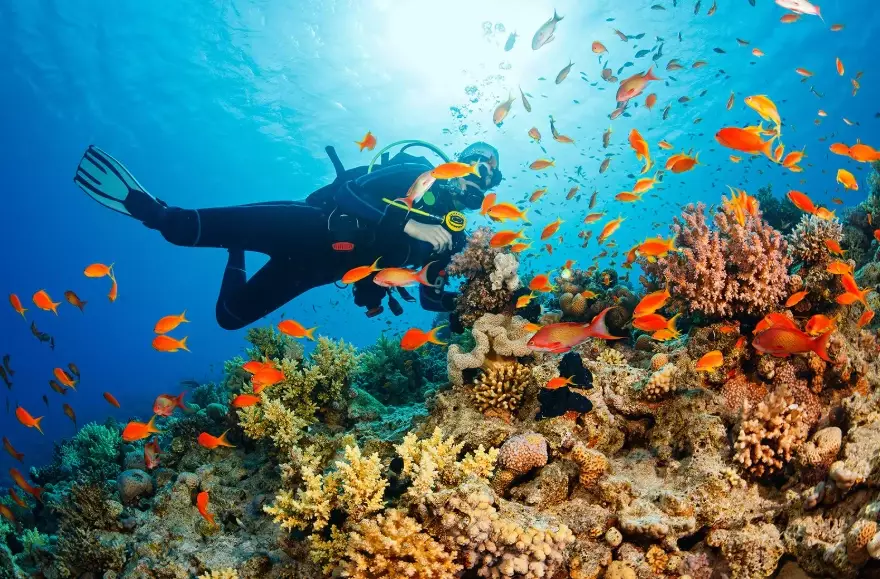
A quick reality check: Don't believe every Instagram shot. The Andaman's "crystal clear" water can get choppy and green during the monsoon (May-Oct), and many sites close. The Gulf can have plankton blooms that cut visibility but bring in whale sharks. Managing expectations is half the battle.
Top Andaman Sea Dive Sites & How to Reach Them
This is where you go for the bucket-list dives. Access is almost exclusively by liveaboard from Phuket or Khao Lak, or long day trips. Here’s the real deal on the major zones.
Similan Islands & Richelieu Rock
The Similan Islands are a national park, about 60km offshore. The signature site is Richelieu Rock, a horseshoe-shaped pinnacle in the middle of nowhere. It's a cleaning station, so the marine life is ridiculous. From February to April, spotting a whale shark here is a genuine possibility, not just a brochure promise. I've had dives here with manta rays circling above and a school of chevron barracuda below—sensory overload.
How to get there: Liveaboard is the only practical way. Trips range from 3 to 7 days, departing from Khao Lak (closest) or Phuket. A 4-day trip hitting Similans and Richelieu starts around 35,000 THB. Day trips exist from Khao Lak but involve 2+ hours each way and only reach the southern Similans, missing the best sites.
Best for: Advanced beginners to experienced divers. Strong currents are common.
Koh Phi Phi & The King Cruiser Wreck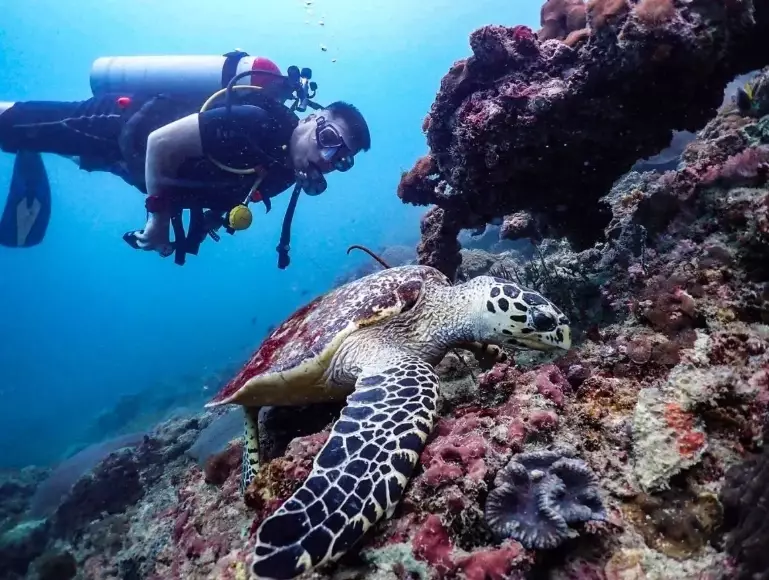
More accessible than the Similans. The landscape is stunning above and below water. The highlight is the King Cruiser, a car ferry that sank in 1997. It's huge, sits upright at 30m, and is now a thriving artificial reef. It's covered in soft corals and home to big lionfish, moray eels, and batfish. It's a great first major wreck dive.
How to get there: Day trips run from Phuket (1.5-2hr speedboat), Krabi/Ao Nang (1hr), or directly from Phi Phi Don island. This makes it a flexible add-on to a beach holiday.
Best for: All levels. The wreck has sections for beginners and deeper penetration for advanced divers (with guide).
Koh Lipe & The Hin Daeng/Hin Muang Complex
Way down south near the Malaysian border. Koh Lipe itself has nice coral gardens, but the real magic is 40km out at Hin Daeng (Red Rock) and Hin Muang (Purple Rock). These are submerged seamounts that act as magnets for pelagics. Manta sightings are more reliable here than almost anywhere in Thailand. The walls are draped in soft corals (the "purple" comes from a type of soft coral).
How to get there: Fly to Hat Yai, then van/ferry to Koh Lipe. Dive trips to Hin Daeng/Muang are long day trips (2+ hours by speedboat) or liveaboard itineraries. It's a commitment.
Best for: Experienced divers. These are open ocean sites with often strong currents. Not for newbies.
Top Gulf of Thailand Dive Sites & How to Reach Them
The Gulf is about convenience, value, and critter hunting. The vibe is more relaxed, the water is warmer, and you can often do 3-4 dives a day without exhaustion.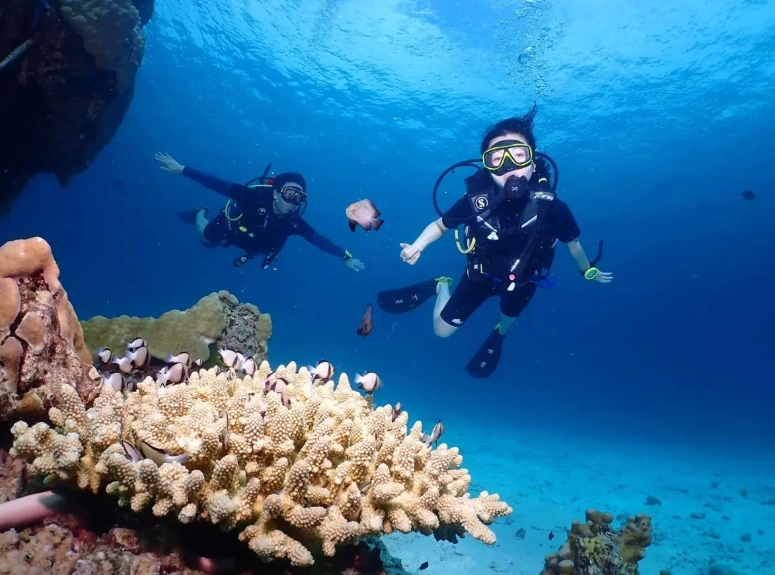
Koh Tao & Sail Rock
Koh Tao is a diving factory, and that's not a bad thing. The infrastructure is unbeatable. Dozens of schools mean prices are competitive and schedules are flexible. The local reefs are perfect for learning—shallow, calm, and full of life. For something more advanced, Sail Rock, a pinnacle about 90 minutes north, is the Gulf's premier site. It has a famous vertical swim-through and often attracts big schools of jacks and trevally.
How to get there: Fly to Koh Samui or Surat Thani, then ferry to Koh Tao. Everything is walkable or accessible by scooter on the island.
Best for: Absolute beginners and divers on a budget. Also great for getting lots of dives in quickly.
Chumphon Pinnacle & Koh Samui Departures
North of Koh Tao lies Chumphon Pinnacle, another deep-water pinnacle. It's known for occasional whale shark visits (especially March-June) and bigger fish action. It's a common dive on liveaboard trips from Koh Samui or as a special day trip from Koh Tao for more experienced divers.
How to get there: Typically accessed via liveaboard from Koh Samui (2-4 day trips) or as a long day trip from Koh Tao.
Best for: Intermediate to advanced divers looking for a chance at bigger life without going to the Andaman.
Quick Comparison: Andaman vs. Gulf of Thailand Diving
| Factor | Andaman Sea (Similan, Phi Phi) | Gulf of Thailand (Koh Tao, Samui) |
|---|---|---|
| Best Season | Nov - April (Monsoon May-Oct) | Year-round, best Nov-Aug |
| Water Visibility | High (20-30m+ on good days) | Moderate (10-20m) |
| Marine Life Focus | Pelagics (Whale Sharks, Mantas), Big Schools | Macro Critters, Reef Fish, Occasional Whale Sharks |
| Typical Trip Style | Liveaboard Cruises, Long Day Trips | Resort-Based, Short Boat Rides |
| Diver Skill Level | Beginner+ to Advanced (site dependent) | Perfect for Beginners, Good for All |
| Underwater Landscape | Dramatic Boulders, Walls, Pinnacles | Gentle Slopes, Coral Gardens, Pinnacles |
| Cost Example (3 Days Diving) | $$$ (Liveaboard from ~30,000 THB) | $ (Koh Tao packages from ~10,000 THB) |
How to Plan Your Thailand Diving Trip: A Realistic Guide
Okay, you've got the lay of the land. Now, let's build a plan. Throw out the idea of doing it all in one go. The coasts are too far apart.
Step 1: Match the season to your dates. Coming in July? The Andaman is mostly closed. Your only solid option is the Gulf (Koh Tao/Samui). Coming in December? You have the pick of both.
Step 2: Be honest about your skill and comfort. Less than 20 dives? The Gulf is less intimidating. Want to do your Open Water? Koh Tao is efficient and affordable. An experienced diver craving adrenaline? An Andaman liveaboard is your ticket.
Step 3: Budget realistically. A 4-day Similan liveaboard costs as much as a week of diving and accommodation on Koh Tao. Factor in travel: flying to Phuket for the Andaman is often cheaper than flying to Samui for the Gulf.
Step 4: Book smart. For liveaboards, book 3-6 months ahead for the best boats/rooms. For Koh Tao, you can book a course or fun dives a week out. Always check operator reviews on ScubaBoard or TripAdvisor, not just their own website.
My personal take? If it's your first time in Thailand and you're a diver, split the trip. Do 3-4 days learning or warming up on Koh Tao, then head to Phuket/Khao Lak for a 3-day Andaman liveaboard. You get the best of both worlds.
Your Thailand Diving Questions, Answered
The Gulf, specifically Koh Tao, wins for beginners. The water is calmer, shallower, and warmer, which reduces stress. The courses are streamlined and cost-effective because of the high volume. Learning on a liveaboard in the Andaman sounds glamorous, but it's expensive, and if you struggle with a skill, you're stuck on a boat without the flexibility of a big dive school's resources. Get certified in the Gulf, then come back for an Andaman adventure.
Koh Tao is your only real answer. Fly into Koh Samui on a Friday afternoon, catch the ferry, and you can be on a dive boat Saturday morning. You can easily do 4-5 dives over a weekend. Trying to squeeze in a Similan trip in a weekend is a logistical nightmare involving overnight travel on both ends. From Phuket, a weekend at Phi Phi is doable, but you'll spend more time on ferries and have fewer dive options than on Koh Tao.
 Are whale shark sightings in Thailand guaranteed?
Absolutely not. Anyone who guarantees it is lying. They are wild, pelagic animals. Your chances are highest at specific sites during specific seasons: Richelieu Rock (Feb-Apr) and Chumphon Pinnacle (Mar-Jun). I've been on trips where we saw them three days in a row, and trips in the same season where we didn't see a single one. Book your trip for the great diving you'll see regardless, and treat a whale shark encounter as the incredible bonus it is.
Overestimating their stamina and underestimating the travel. They'll book a 4-day liveaboard in the Similans right after a long-haul flight. Jet lag + sea legs + 3-4 dives a day is a recipe for misery. Build in a rest day on land after you arrive before boarding a liveaboard. Similarly, trying to hit both coasts in a 10-day trip means you'll spend two of those days purely in transit. Pick one region and dive it deeply.
It's a mixed bag, and you should be aware. Yes, some high-traffic areas near Phi Phi or popular Koh Tao sites show damage. But the protected national park areas (Similans, Surin) are still vibrant. The bleaching events have impacted certain coral species, but the fish life remains prolific. The key is to manage expectations—you're not diving a pristine, remote atoll—and to choose operators with good environmental practices (e.g., no gloves, no touching, using mooring lines). The macro life in the Gulf is largely unaffected and fantastic.

Comments