Is scuba diving in Thailand safe? The short answer is yes, overwhelmingly so, if you make smart choices. Thailand is a global diving mecca for a reason—its infrastructure for tourism is mature, and its dive industry is largely professional. But safe doesn't mean risk-free. Your safety hinges almost entirely on two things: the dive operator you pick and your own preparedness. I've been diving here for over a decade, and the difference between a flawless trip and a sketchy one comes down to details most new visitors miss.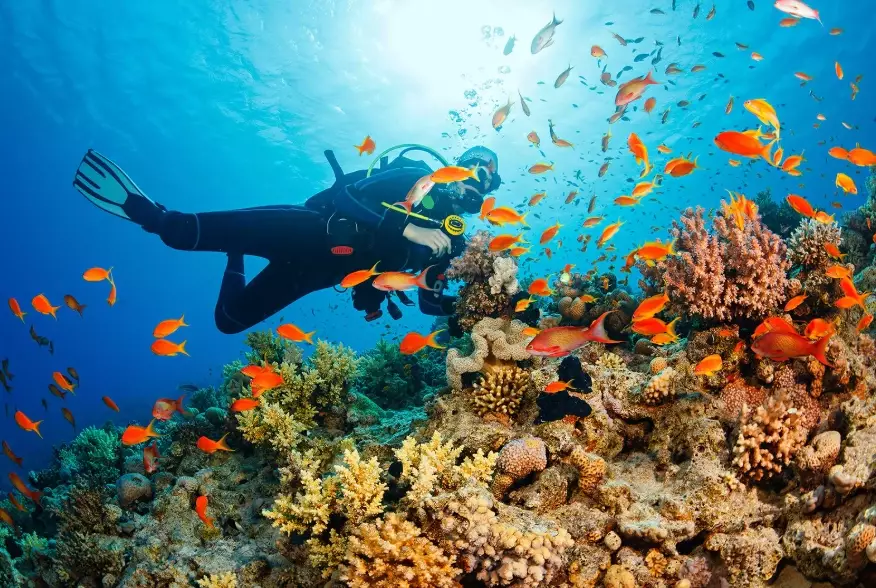
What's Inside This Safety Guide
How to Choose a Safe Dive Operator in Thailand
This is the single most important decision for your safety. A good shop mitigates risks; a bad one creates them. Don't just book the cheapest trip from a street stall. Here's what to look for, beyond just a PADI or SSI logo.
First, visit the shop. Are the tanks lined up neatly or scattered? Is the compressor in a clean, dedicated room? I once walked away from a popular shop in Phuket because their compressor area smelled of oil and had loose tools lying around—a red flag for maintenance standards. Ask to see the service logs for their rental regulators and BCDs. A professional shop won't mind.
Talk to the dive master or instructor. Ask about their guide-to-diver ratio. In Thailand, a ratio of 1:4 is good; 1:6 is the legal max for fun diving, but it's crowded. Anything above that is a no-go. Ask, "If someone in the group is low on air at 15 minutes, what's your procedure?" A confident answer about sending them up with a surface marker buoy (SMB) and a buddy is what you want. A vague answer is a warning.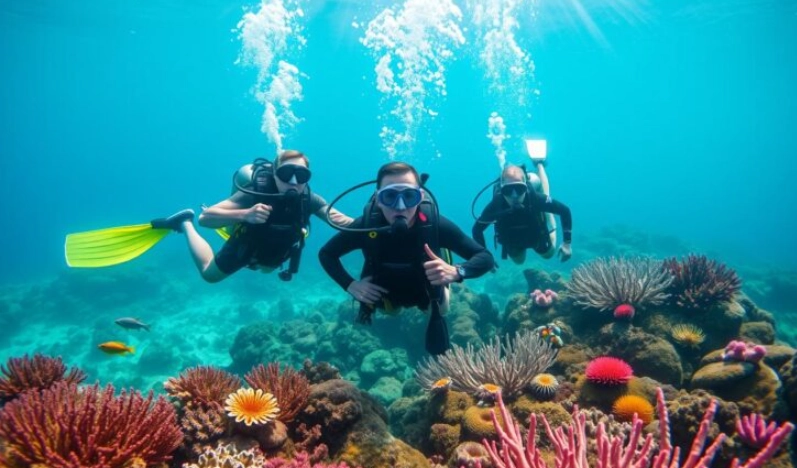
Check their boat. This is a big one. Many accidents are related to boat handling. Does it have proper life jackets, oxygen kits, and a first aid kit in an obvious place? Is there a shaded area? Dehydration and sunstroke are real issues here. The crew's attitude matters too. On a liveaboard to the Similan Islands, I saw the crew doing a full safety briefing and fire drill before departure. That's the gold standard.
The Equipment Check Most Divers Skip
You get your rental gear. You do a buddy check. But do you check the boat's safety gear? I make it a habit. Locate the oxygen unit. Is it a proper dive-specific kit with a demand valve? Or is it just a basic medical oxygen tank? Ask the crew to point out the first aid kit and the radio. This isn't being rude; it shows you're a serious diver and subtly pressures them to maintain standards. I've had crew members thank me for asking because it prompted them to restock an expired item.
Marine Life and Environmental Hazards: What to Watch Out For
Thailand's waters are generally not home to large, aggressive predators. Your main concerns are smaller, often avoidable, critters.
Stonefish and Lionfish: These are the top two hazards. Stonefish, masters of camouflage, lie on sandy or rocky bottoms. They have venomous dorsal spines. The key is never to touch the bottom or use your hands for stability. Wear booties if shore diving. Lionfish are beautiful but their spines are venomous. Keep a respectful distance. I've seen too many novice photographers get too close for a shot.
Jellyfish: Seasonal. During certain times, especially after rains, jellyfish blooms can occur. Wearing a full-length rash guard or a thin wetsuit is smart year-round, not just for warmth but for protection. Box jellyfish are rare but extremely dangerous. Know the season (generally March-October on the Andaman coast) and ask local operators.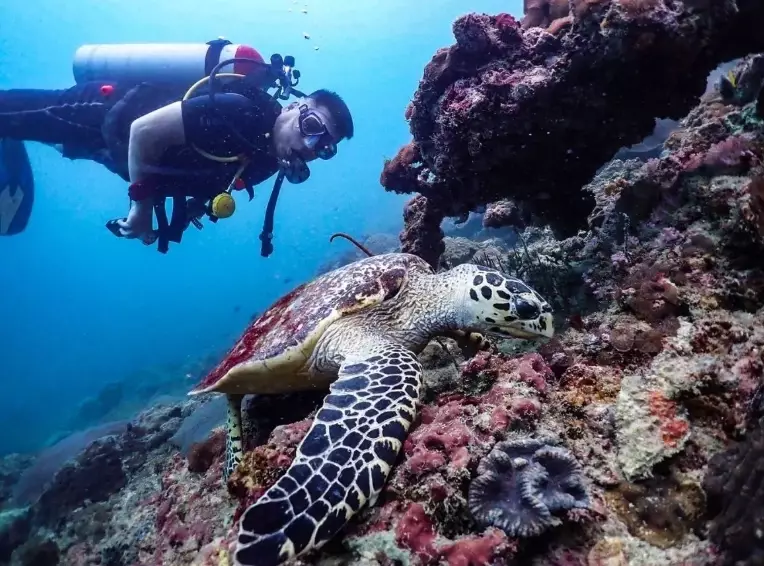
Currents: This is the environmental factor that catches most people off guard. Sites like Richelieu Rock, Hin Daeng, or the pinnacles in the Similans can have strong, unpredictable currents. A good operator will check current conditions and brief you thoroughly. They should explain the descent line, the planned route, and what to do if separated. If they just say "follow me," be wary. Always carry a surface marker buoy (SMB) and know how to deploy it. I never dive without mine, even on an easy reef.
What Are the Most Common Diving Accidents in Thailand?
Based on reports from the Divers Alert Network (DAN) Asia-Pacific and local dive medic discussions, the pattern is clear. It's rarely a shark attack.
- DCS (Decompression Sickness) and Lung Overexpansion: Often linked to rapid ascents, missed safety stops, or flying too soon after diving. The pressure to do four dives a day on a liveaboard can lead to fatigue and poor decision-making. Listen to your body, not the itinerary.
- Boat-Related Incidents: Propeller strikes, falling while boarding, or being left behind. Always do a positive headcount before the boat moves. Make eye contact with the crew when you surface.
- Marine Life Envenomation: As mentioned, stepping on a stonefish or brushing against a lionfish. Almost always preventable with proper buoyancy and awareness.
- Running Out of Air: This is a fundamental skill failure, often exacerbated by deep dives, strong currents, or inattentive guiding. Monitor your gauge religiously.
The common thread? Human error and procedural failure, not inherent danger in the environment.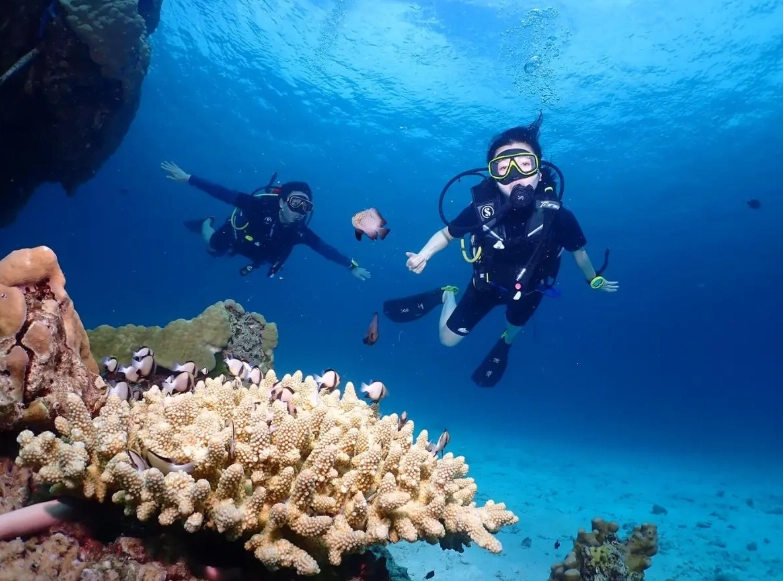
Thailand's Top Dive Sites: A Safety and Conditions Comparison
Not all dive areas in Thailand are equal in terms of challenge. Here’s a breakdown to help you match the site to your experience level.
| Dive Region | Best For | Key Safety Considerations | Typical Operator Quality |
|---|---|---|---|
| Koh Tao | Beginners, Courses, Calm Water | Very mild currents, shallow reefs. High volume of new divers can mean crowded sites and variable instructor attention. Check shop size. | Mixed. Many large, factory-style schools alongside smaller, premium operators. Research is key. |
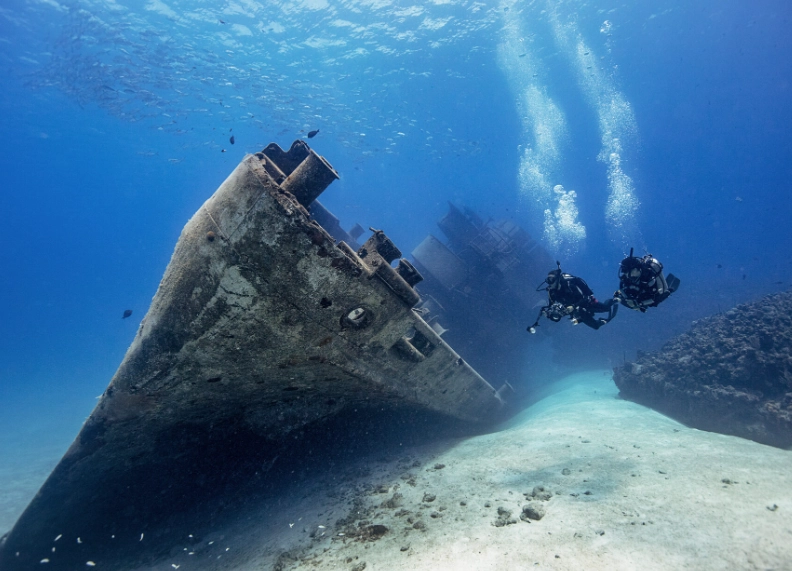
| Phuket / Phi Phi | Variety, Wrecks, Accessible Day Trips | Conditions can change quickly. King Cruiser wreck has strong currents. Racha Islands are usually calm. Boat traffic can be heavy. | Generally professional, but many options range from budget to luxury. Avoid the cheapest speedboat day tours. |
| Similan & Surin Islands (Liveaboard) | Advanced Beginners+, Pelagics, Pinnacles | Stronger currents at pinnacle sites (e.g., Elephant Head Rock). Remote location means help is farther away. Requires good buoyancy. | Higher average standard due to liveaboard costs. Look for boats with a dedicated dive deck and experienced cruise directors. |
| Hin Daeng / Hin Muang | Advanced Divers, Currents, Big Fish | Some of the strongest currents in Thailand. Drift diving is the norm. Not for beginners or those uncomfortable with current. | Specialist operators only. They should rigorously check diver credentials and current forecasts. |
| Koh Chang & Eastern Gulf | Quieter Experience, Macro Life | Visibility can be lower. Less developed dive infrastructure. More reliant on individual shop standards. | Often smaller, owner-operated shops. Personal service can be excellent, but resources may be limited. |
My personal take? For a first-timer, Koh Tao's gentle conditions are safe from an environmental standpoint, but you must vet your school intensely. For certified divers wanting adventure, a Similan liveaboard with a reputable company offers a fantastic balance of thrill and managed risk.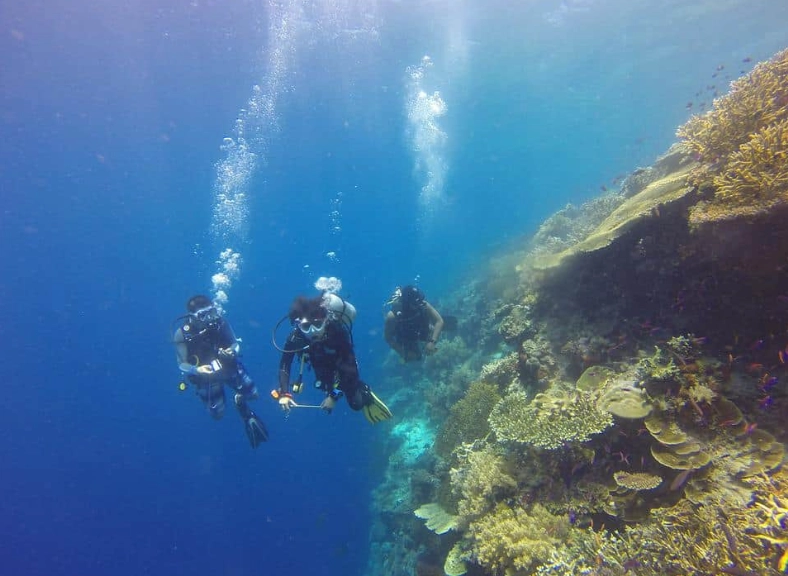
Your Thailand Diving Safety Questions Answered
I'm a new diver with just my Open Water certification. Is it safe for me to dive in the Similan Islands?
It can be, but it's at the edge of a new diver's comfort zone. Many Similan sites are suitable (like East of Eden), but others have currents. The real factor is the liveaboard operator. A good one will group you with similar experience levels, choose appropriate sites, and provide a dedicated guide. Be honest about your log count and comfort in current. A budget operator might just throw you in the water with a large, mixed group. Pay for quality here.
How can I verify a dive shop's safety record in Thailand?
There's no central public database, which is frustrating. You have to be a detective. Start with independent review platforms like TripAdvisor, but read between the lines. Look for repeated mentions of "small groups," "attentive guides," "well-maintained boat." Red flags are "cattle boat," "disorganized," "broken gear." Then, check their social media (Facebook/Instagram). Do they post about staff training, equipment servicing, or safety drills? A shop that prioritizes safety will showcase it. Finally, email them. Ask specific questions about ratios, safety equipment, and guide credentials. Gauge their response time and detail.
 Is it safe to dive in Thailand during the rainy season?
It depends on the coast. Thailand has two main coastlines with opposite seasons. On the Andaman Coast (Phuket, Similans, Krabi), the rainy season (May-Oct) brings southwest monsoons. The sea can be rough, many liveaboards stop running, and visibility drops. Diving is less predictable and potentially less safe due to boat travel. On the Gulf of Thailand (Koh Tao, Samui, Pattaya), the rainy season is different (Sept-Dec) and often less severe. Diving continues year-round, though visibility can fluctuate. The key is flexibility and choosing sheltered dive sites. Always check with operators about current conditions.
What's one piece of safety gear most divers don't bring to Thailand but should?
A dive computer that you own and know how to use. Renting one is fine, but unfamiliarity can lead to mistakes. Knowing your own no-deco time and being able to track your own profile makes you an active participant in your safety, not just a follower. Second to that: a SMB (safety sausage) and reel. Even if the guide has one, having your own means you can signal the boat independently if you surface away from the group—a common occurrence in current. I've used mine twice in Thailand, and both times the boat spotted me instantly.
I have anxiety about diving. How do Thai dive crews typically handle nervous divers?
Experienced Thai dive crews see nervous divers all the time, especially in beginner hubs like Koh Tao. The good ones are incredibly patient and calming. However, in high-volume shops, patience can be thin. Communicate your anxiety clearly before the dive. Say, "I'm a bit nervous, I might need a minute at the surface." This sets expectations. A good guide will stay close, give you simple hand signals, and not rush you. If you feel pressured or ignored, it's okay to abort the dive. Your mental state is a critical safety factor. Consider hiring a private guide for your first few dives—it's often cheaper than you think and transforms the experience.
 So, is scuba diving in Thailand safe? The water itself isn't out to get you. The system, when you choose wisely, is designed to keep you safe. Your mission is to bypass the tourist traps and find the professionals who treat diving as a serious undertaking, not just a holiday activity. Do that, respect your limits, and you're set for some of the most amazing dives on the planet. I still get a thrill every time I drop into the Andaman blue, and that's because I trust the team I'm with. You should never settle for less.


Comments