Quick Guide
Let's cut to the chase. Spearfishing is incredible. The silence, the hunt, the connection with the ocean... it's addictive. But it's also one of the most dangerous hobbies you can pick up if you're careless. I've seen too many close calls, heard too many stories that end with "and then I realized my float line was wrapped around my ankle." Not good.
This isn't about scaring you off. It's the opposite. I want you to enjoy this sport for decades. And that means taking spearfishing security dead seriously. Not as a list of rules to glance at, but as a mindset you breathe. From the moment you plan your trip to the second you step back on the boat or shore.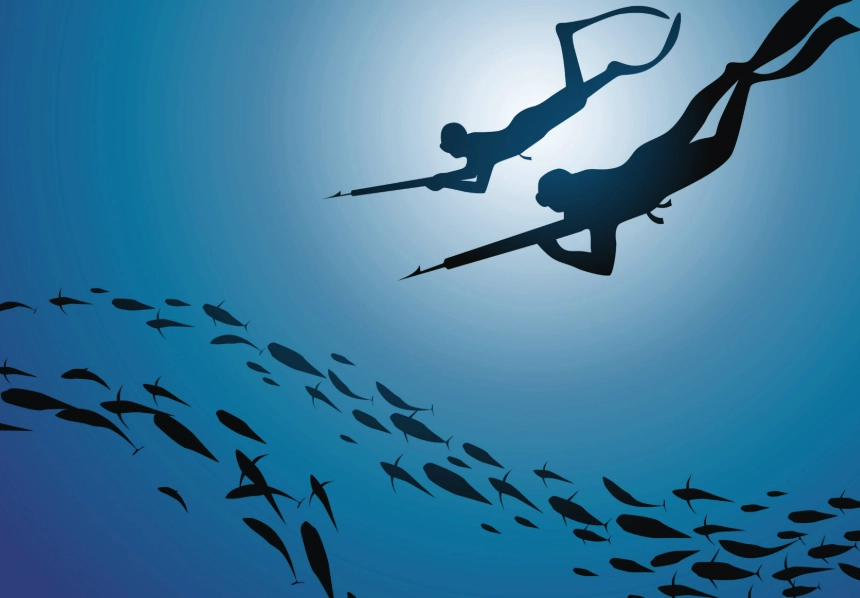
So, what does real security look like? It's layers. Like an onion, but less likely to make you cry. It's your gear, your buddy, your knowledge, your body, and your plan. Miss one layer, and you're vulnerable.
Before You Even Get Wet: The Foundation of Security
Most mistakes happen on land. A rushed check, a forgotten item, a vague plan. Solid spearfishing safety starts hours before you dive.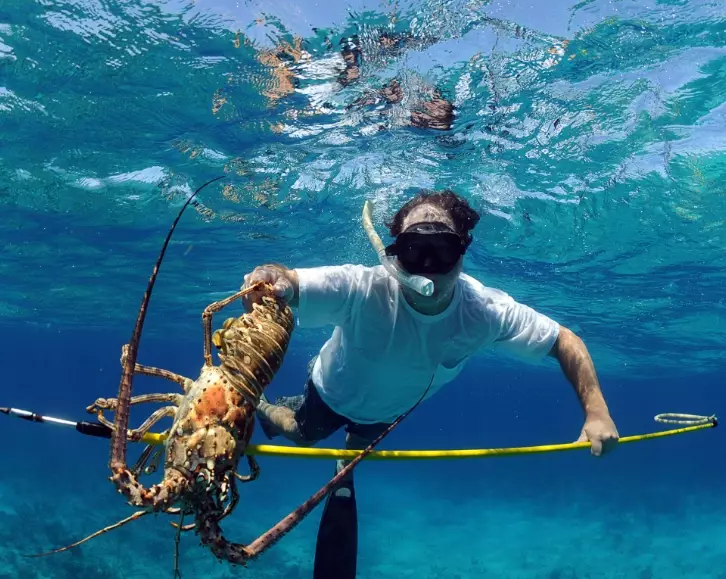
Gear Check: Your Lifeline Inventory
Your gear isn't just tools; it's your life support system. A failure here isn't an inconvenience; it's an emergency. Go through this list like a pilot before takeoff.
| Gear Item | Security Function | Critical Checkpoint |
|---|---|---|
| Mask & Snorkel | Clear vision, continuous breathing on surface. | No cracks or fogging? Strap integrity? Snorkel mouthpiece comfortable? |
| Fins | Propulsion, efficiency, escape power. | Straps/blades intact? No cracks? Fit snugly? |
| Wetsuit | Thermal protection, buoyancy, minor abrasion protection. | No major tears? Zipper works? Appropriate thickness for water temp? |
| Weight Belt | Allows you to sink. The single most dangerous piece of gear if misused. | Quick-release mechanism works INSTANTLY with one hand? Weight correct for your suit/buoyancy? |
| Speargun / Pole Spear | Primary tool. A loaded gun is a hazard. | Never load it out of water. Bands/line in good condition? Safety on if equipped? |
| Float & Flag (Dive Flag) | Visibility to boats, resting platform, can store catch. | Flag is high-visibility (alpha flag). Line is strong and long enough (min 50ft). Inflatable float holds air. |
| Float Line (and Rigging) | Connects you to your float. Snag hazard. | No frays? Swivels move freely? Connected via a quick-release to your gun or belt? |
| Knife | Cutting lines, dispatching fish, prying. Not a weapon. | Sharp? Securely sheathed on inner leg or forearm for easy access? |
See the common thread? Function and attachment. A knife on your ankle under your suit is useless. A weight belt that jams is a death sentence. Check it all.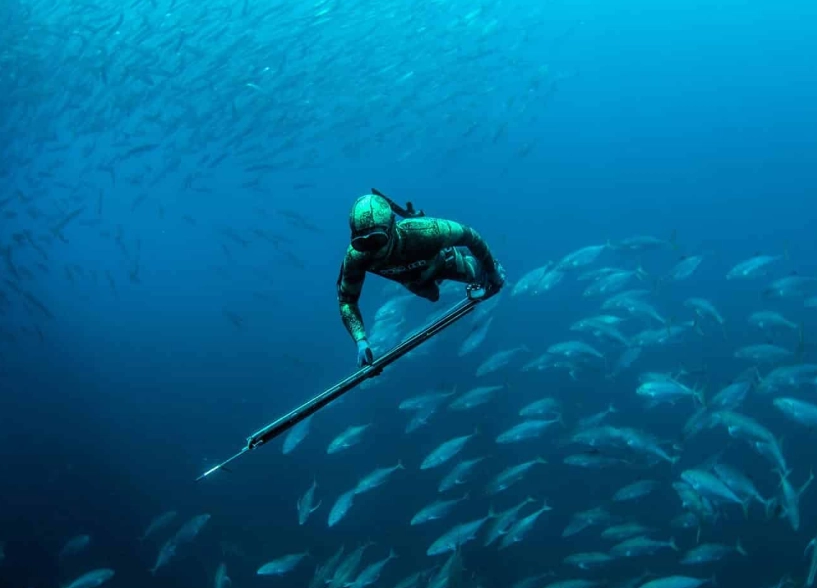
The Non-Negotiable: The Buddy System
I'll say it bluntly: solo spearfishing is Russian roulette. Even the pros rarely do it without surface support. Your buddy is your backup brain, your extra set of eyes, your emergency motor, and your first responder.
But it's not just having someone in the water nearby. You need a spearfishing security protocol with them.
- Pre-dive Brief: "You watch left, I watch right. We surface within sight of each other. If we separate, we meet at the float." Simple. Clear.
- Dive Signals: Not just OK and Trouble. Agree on signals for "Shark," "Current picking up," "I'm tired," "Look at this fish." Hand signals are good; underwater slates are better.
- One Up, One Down: The golden rule. When one dives, the other watches from the surface. You track their bubbles, their float line, their location. You are their guardian for that minute. Then you switch.
And talk about fitness, hydration, how you're feeling. If your buddy had a big night, you need to know. Your safety depends on their alertness.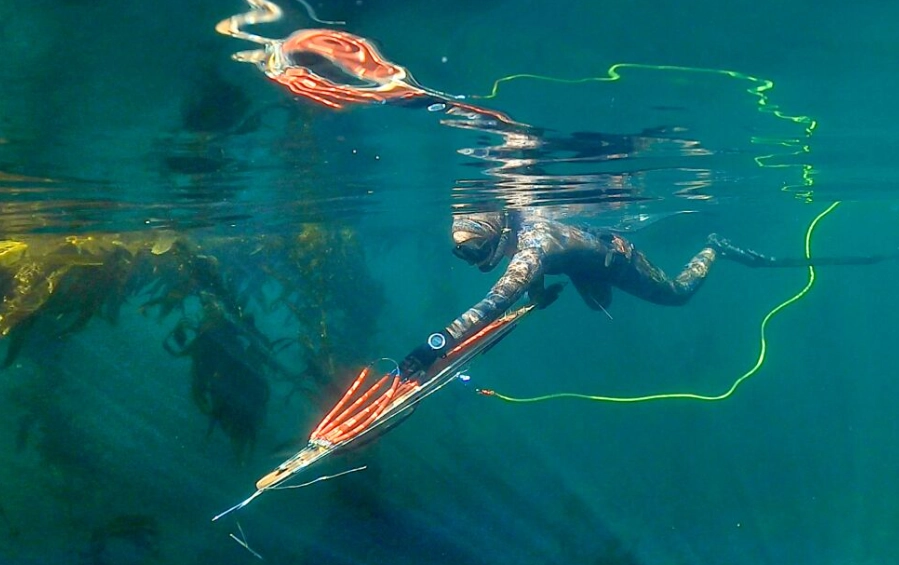
In the Water: Managing the Real-Time Threats
Okay, you're geared up, you've briefed your buddy, you're in the water. This is where your preparation meets reality. Spearfishing security now becomes a continuous loop of observation, decision, and action.
Your Biggest Enemy Isn't a Shark
It's shallow water blackout (SWB). This is the silent killer of freedivers. It's not drowning because you run out of air; it's a sudden loss of consciousness caused by low oxygen just before or as you reach the surface. Your body uses up the last bit of O2, and you black out without warning. No struggle, no panic. You just go to sleep.
How do you fight an invisible threat?
- Never Hyperventilate. Taking 10 quick, deep breaths before a dive is a classic, dangerous mistake. It blows off CO2, which is what gives you the urge to breathe. You'll feel like you can stay down longer, but your blood oxygen is dropping just as fast. You'll black out before you feel the need to breathe. Breathe calmly and deeply for a minute or two to oxygenate, then take one or two final full breaths.
- Always Dive Within Your Limits. If your comfortable dive time is 45 seconds, don't push to 1:10 because you see a big fish. The fish will be there another day. Your ego is a terrible dive computer.
- Your Buddy is Your SWB Safety. This is why the "One Up, One Down" rule is sacred. A good buddy will see if your ascent looks slow or erratic. They will be there to grab you within 15 seconds if you black out at the surface.
Boats, Currents, and Getting Lost
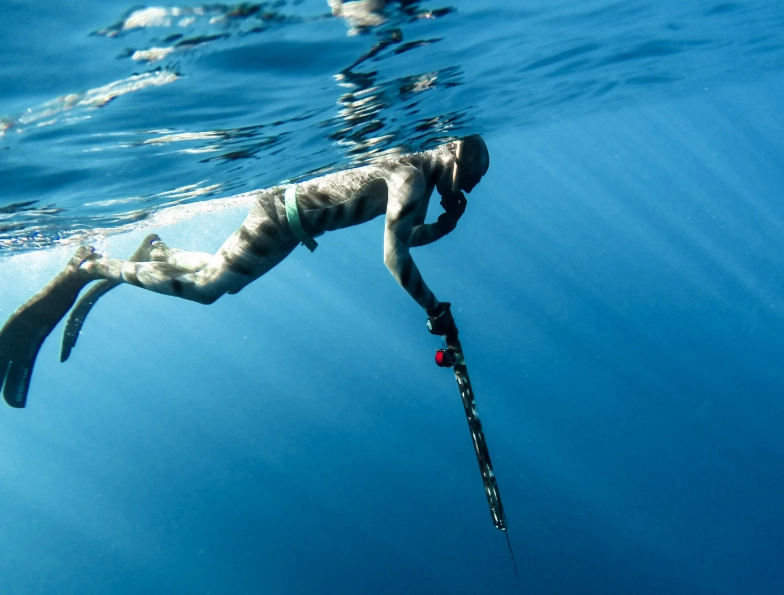
You're a tiny, low-visibility object in a big, busy environment. A boat captain might be looking at a chart, not the water. Your dive flag is your primary defense. Make it big, make it bright (international alpha flag is best), and make sure it's attached to a substantial float. A tiny buoy with a limp flag is worthless.
Currents can be sneaky. You drift off your spot, you swim against it, you get exhausted. Before you get in, note landmarks on shore. Check the current direction by observing your float line. Plan your dive into the current first, so the return trip is easier. Tell someone on land your general area and expected return time. It's old-school, but it works.
The Shark Question (Finally)
It's the first thing people ask about. The reality is less dramatic than TV. Sharks are curious. A speared fish bleeding in the water is a dinner bell. Most encounters are just that—an encounter. They check you out and leave.
Your spearfishing security plan for sharks is mostly about reducing attraction and knowing how to act.
- String Your Fish Quickly: Don't let a bleeding fish dangle from your belt. Get it onto your float as soon as possible. The float puts the scent and blood away from your body.
- Maintain Eye Contact: If a shark shows interest, stay calm. Face it, keep it in your vision. Don't turn and splash frantically—that's prey behavior.
- Back Away Calmly: Move steadily towards your boat or exit point. Give the shark space.
- Your Speargun is a Tool, Not a Weapon: Only in an extremely rare, aggressive contact should you use the speargun to create space (poke, don't shoot). Your goal is to leave, not to fight.
Honestly, I'm more worried about sea urchins in my foot or a bad ear squeeze than a shark attack. But you have to respect their space.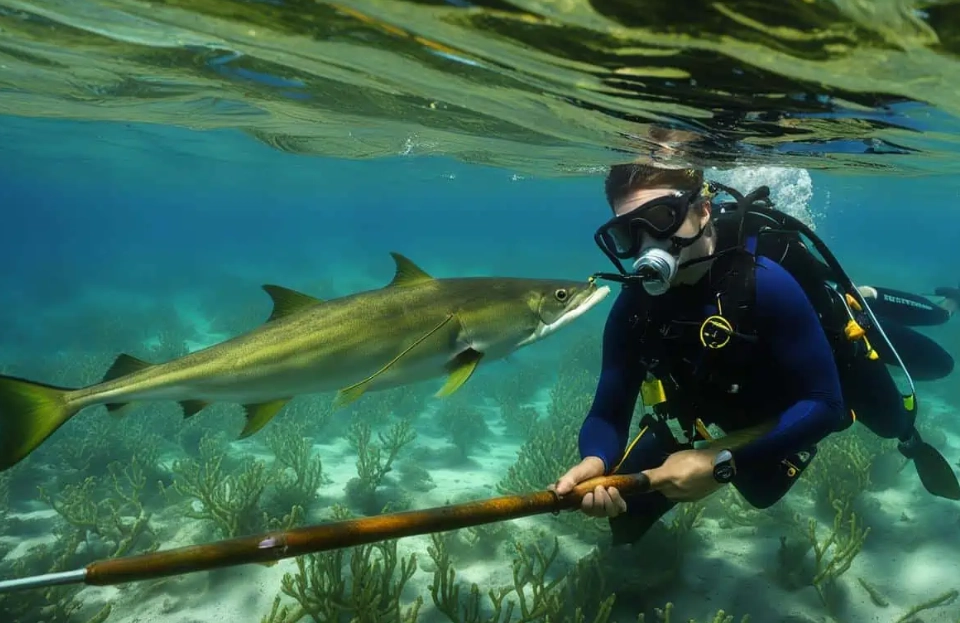
The Invisible Essentials: Knowledge and Training
You can have all the gear and still be unsafe. Knowledge is the final, critical layer of spearfishing security.
Get Formal Freediving Training
This is the single best investment you can make in your safety. Organizations like PADI or FII (Freediving Instructors International) offer courses that teach you the physiology of breath-hold, how to equalize properly, safety protocols, and rescue techniques. You learn in a pool first, then in open water. You practice rescuing a blacked-out diver. It transforms your understanding of your own limits.
I took a Level 1 course years after I started spearfishing, and it was humbling. I realized I'd been doing almost everything wrong on my breath-hold technique. The course didn't make me dive deeper; it made me dive safer.
First Aid Specifically for the Water
A standard CPR/first aid course is great. But you need the marine add-ons.
- Marine Stings: Knowing how to treat jellyfish stings (hot water, not vinegar for all types) or sea urchin spines.
- Cuts & Punctures: Ocean water is full of bacteria. Flushing with fresh water and proper disinfection is crucial to prevent nasty infections.
- Drowning/SUBMERSION CPR: The sequence for a drowned victim is different. You start with rescue breaths immediately.
Carry a small, waterproof marine first aid kit. Not a giant box, but one with tweezers, antiseptic, a pressure bandage, and a space blanket for shock.
Spearfishing Security Questions You Were Afraid to Ask
Putting It All Together: The Security Mindset
At the end of the day, spearfishing security isn't a checklist you complete. It's a mindset you cultivate. It's the voice that says "turn back" when the current feels stronger than you thought. It's the habit of checking your buddy's location every time you surface. It's the discipline to end your dive while you still have energy in the tank, not when you're completely spent.
It's about respecting the ocean enough to know you're a guest in its world. You can be skilled, you can be strong, but you are always vulnerable out there. The right security practices are what turn a potentially deadly hobby into a lifelong, rewarding passion.
So go out. Hunt fish. Enjoy the blue silence. But do it with a plan, with a buddy, and with your head on a swivel. Come back with stories about the one that got away, not about the one that almost got you.

Comments