Guide Overview
- The Non-Negotiables: Medical Fitness to Dive
- Beyond the Doctor's Note: Building Diving Fitness
- The Mind Game: Mental and Psychological Wellness
- Top Scuba Diving Health Concerns (And How to Handle Them)
- A Diver's Health Maintenance Checklist
- Your Scuba Diving Health Questions Answered
- Final Thoughts: A Partnership with Your Body
Let's be honest for a second. When you picture scuba diving, you probably think of colorful fish, serene blue water, and that amazing weightless feeling. Health? That might not be the first thing that pops into your head. But it should be. I learned this the hard way on a trip years ago, pushing through a lingering cold because I didn't want to miss the dive. Big mistake. The sinus squeeze was brutal, and I spent the rest of the day nursing a headache instead of enjoying the reefs. That experience drilled into me that scuba diving health isn't just a box to tick—it's the foundation of every good dive.
This isn't about scaring you off. Far from it. It's about empowering you. Knowing how your body interacts with the underwater world is the key to unlocking safer, longer, and more enjoyable dives. It's what separates a stressful, potentially risky experience from a pure, joyful adventure. So, whether you're a complete newbie nervously filling out that medical form or a seasoned diver wondering about that little niggle in your knee, this guide is for you. We're going to talk about everything from that mandatory medical check to why you're so darn tired after a dive, all in plain English.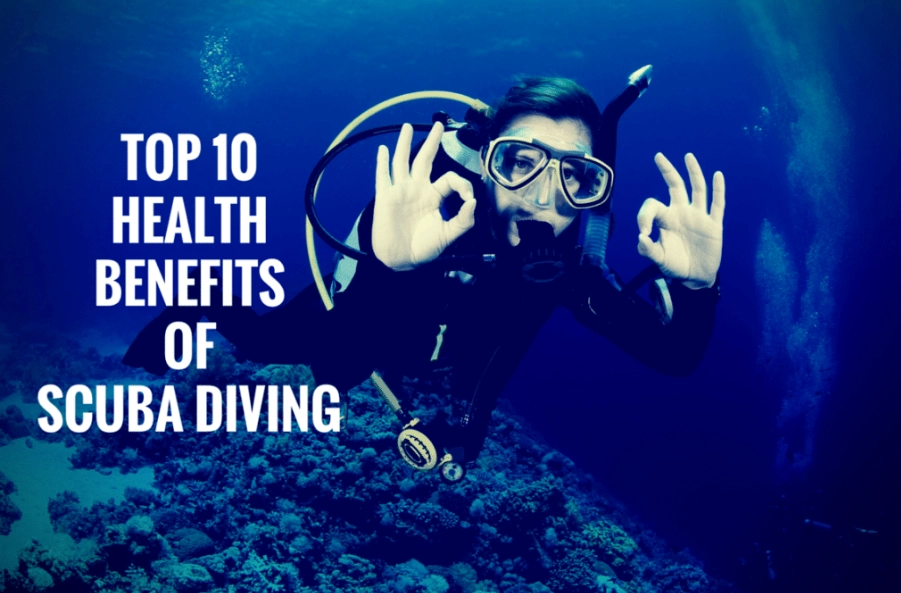
Think of this as your no-nonsense dive buddy's guide to staying well underwater.
The Non-Negotiables: Medical Fitness to Dive
Okay, let's start with the big one. That medical questionnaire. You know, the one with a long list of conditions that asks if you've ever sneezed in your life. It can feel invasive, and there's a huge temptation to just tick "no" to everything to avoid hassle. Don't. This is arguably the most critical aspect of scuba diving health and safety. The physics of diving puts unique stresses on your body—pressure changes, gas absorption, temperature shifts. A condition that's mildly annoying on land can become a serious problem at depth.
The gold standard for screening is the form from the Divers Alert Network (DAN), which most training agencies use. It's not a judgment; it's a diagnostic tool. The goal is to flag potential issues that need a professional opinion.
Conditions That Need a Doctor's Green Light
You'll absolutely need to see a doctor, preferably one trained in dive medicine (a "diving doctor"), if you have any of the following. This isn't an exhaustive list, but it covers the big hitters:
- Cardiovascular stuff: This is the big one. Heart conditions, history of heart attack, high blood pressure that's not well controlled, or even a family history of early heart problems. Your heart works harder when diving, especially in currents or cold water.
- Respiratory issues: Asthma, COPD, or any history of a collapsed lung (pneumothorax). The big concern here is an air trap—a pocket of air that can't escape during ascent, leading to serious injury. Modern guidance on asthma is more nuanced, but you must get it assessed.
- Ear and sinus problems: Chronic issues with equalization, recurrent sinus infections, or recent ear surgery. If you can't clear your ears reliably, you can't dive safely. Full stop.
- Diabetes: Particularly insulin-dependent diabetes. Managing blood sugar levels underwater, where symptoms can be masked, requires careful planning and doctor's guidance.
- Neurological conditions: History of seizures, strokes, or certain types of migraines.
- Pregnancy: This is a firm one. The effects of diving on a fetus are not well studied, so the universal recommendation is not to dive while pregnant or if you suspect you might be.
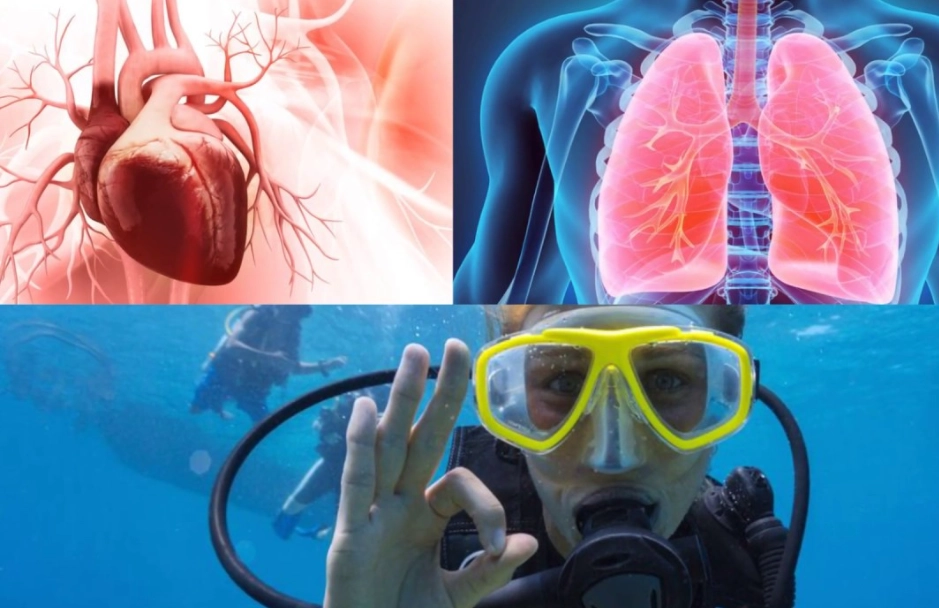
What does the doctor do? It's not just a chat. They'll likely listen to your heart and lungs, check your blood pressure, and might do a basic lung function test (spirometry). For some conditions, they may request more tests like an ECG to check heart rhythm or an exercise stress test. Their job is to say either "clear to dive," "not cleared," or "cleared with limitations" (like depth restrictions).
Beyond the Doctor's Note: Building Diving Fitness
Medical clearance is your passport. But diving fitness is the stamina you need to enjoy the journey. You don't need to be an Olympic athlete, but you do need a base level of fitness. Why? Diving can be physically demanding. Swimming against a current, handling heavy gear on a boat, or simply maintaining good trim in the water all require strength and stamina. Being unfit leads to faster air consumption, quicker fatigue, and a higher risk of panic or poor decision-making.
So, what kind of fitness are we talking about?
The Pillars of Diving Fitness
- Cardiovascular Endurance: This is your engine. It helps you swim efficiently, recover quickly, and reduces overall stress on your body. Good options are swimming (obviously), cycling, brisk walking, or jogging.
- Functional Strength: Focus on your core, legs, and back. You need core strength for stability in the water, leg strength for finning, and back strength for hauling gear. Bodyweight exercises like planks, squats, and lunges are perfect. Don't neglect your back muscles!
- Flexibility: Often overlooked. Good flexibility, especially in your shoulders, back, and ankles, makes you more streamlined, helps with gear handling (like reaching your tank valve), and can prevent muscle strains. Simple stretching or yoga a few times a week works wonders.
A quick fitness self-check? Can you comfortably walk a mile or two at a brisk pace? Can you carry your own gear bag from the car to the dive shop? If the answer is no, it might be time to work on your general fitness before your next dive trip. Trust me, you'll enjoy it so much more if you're not gasping for air on the surface swim.
The Mind Game: Mental and Psychological Wellness
Here's a part of scuba diving health that doesn't get enough airtime. Your mental state is just as important as your physical one. Anxiety and panic are leading contributors to dive accidents. It's completely normal to feel nervous, especially when you're new or trying something more challenging (like a wreck or drift dive). The key is managing it.
First, let's normalize this. I've been diving for years, and I still get a flutter of nerves on the first dive of a trip or before a deep dive. It's your body's alert system. The problem starts when that flutter turns into a storm that clouds your judgment.
Signs Your Mind Might Not Be "Dive-Ready"
- You're feeling pressured to dive by a buddy or a group ("FOMO diving" is a real and dangerous thing).
- You've had a major life stressor recently—a bad argument, work crisis, lack of sleep.
- You're feeling unwell but downplaying it to avoid missing out.
- You have a gut feeling that something just isn't right about the conditions or the plan.
What can you do? Practice mindfulness and breathing techniques on land. The slow, deep breathing you use for buoyancy control is also a fantastic anxiety regulator. Always do a thorough buddy check—it builds confidence in your gear and your team. And most importantly, give yourself permission to call a dive. Any diver can call any dive, at any time, for any reason. No explanation needed. A good buddy will respect that. A dive you skip is always better than a dive you regret.
Top Scuba Diving Health Concerns (And How to Handle Them)
Let's get practical. Here are the health issues divers encounter most often, from the annoying to the serious.
Ear Equalization Troubles
This is the number one complaint, hands down. That feeling of pressure and pain as you descend if you can't "pop" your ears. It happens when the pressure in your middle ear isn't equal to the surrounding water pressure.
How to do it right: Start equalizing before you feel discomfort, the moment you start descending. Equalize gently and frequently. Never force it. If it doesn't work, ascend a few feet and try again. The classic Valsalva maneuver (pinch nose and blow gently) works for most, but there are gentler methods like the Toynbee maneuver (swallow while pinching your nose) or the Frenzel maneuver.
If you have a cold or allergies, your Eustachian tubes are probably swollen and blocked. This is a prime time for ear barotrauma (squeeze). Decongestants can help, but use them with caution and never as a routine crutch. The best advice? If you're congested, skip the dive. It's not worth a ruptured eardrum.
Decompression Sickness (DCS) - "The Bends"
The specter that haunts every diver's education. DCS happens when nitrogen, absorbed into your tissues under pressure, forms bubbles as you ascend too quickly. It's a serious medical emergency.
Key things to remember: It's not just about following your computer's no-decompression limits. Your risk is influenced by so much more: hydration, fatigue, cold, age, fitness, and even how recently you've been flying. The symptoms can be vague and appear hours after a dive: unusual fatigue, joint pain, itchy skin, dizziness, or neurological symptoms like tingling or weakness.
The treatment is 100% oxygen first aid and rapid evacuation to a hyperbaric chamber. This is where your dive insurance (like from DAN or similar) is non-negotiable. Chamber rides are astronomically expensive.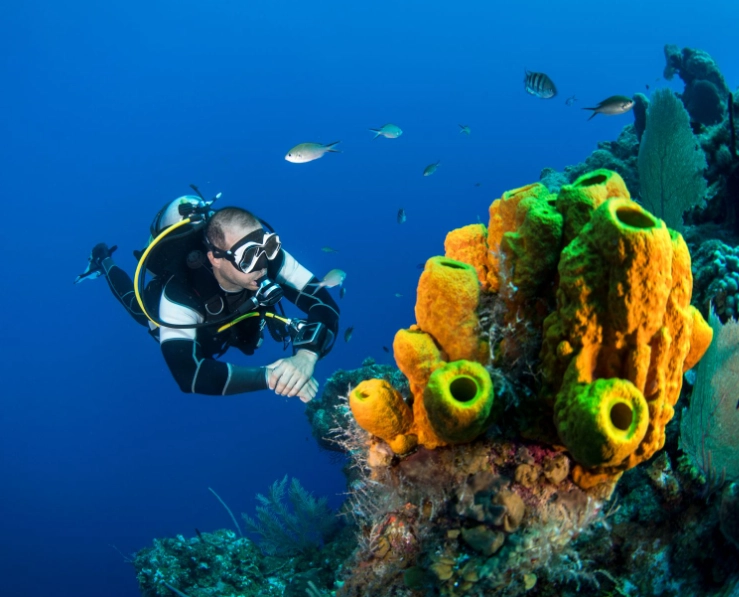
Nitrogen Narcosis
Often called "rapture of the deep." This is a temporary altered state of consciousness caused by the narcotic effect of nitrogen under pressure. It typically starts becoming noticeable around 30 meters (100 feet). Symptoms feel like being drunk: impaired judgment, euphoria, slowed reaction time, and overconfidence.
The cure is simple: ascend to a shallower depth. The effects are completely reversible. The key to managing narcosis is awareness and conservatism. If you or your buddy start acting silly or making poor decisions, it's time to go up.
Post-Dive Fatigue
Ever wondered why you're so exhausted after a day of diving, even if you were just floating around? It's normal! Your body has been working hard: temperature regulation, processing excess nitrogen, the physical effort of diving. It's a sign your body is recovering. Listen to it. Rest, hydrate, and eat well. Pushing yourself to do a night dive when you're completely wiped is a recipe for mistakes.
A Diver's Health Maintenance Checklist
| Timeline | Health Action Item | Why It Matters |
|---|---|---|
| Pre-Trip (Weeks/Months Before) | Schedule a dive medical if your last one was >1-2 years ago or your health has changed. | Catches issues early, avoids last-minute heartbreak. |
| Pre-Trip (Weeks Before) | Ramp up cardio and strength training. Focus on swimming if possible. | Builds the fitness reserve you'll need. Makes diving easier. |
| Day Before Travel | Hydrate well. Avoid excessive alcohol. Get a good night's sleep. | Sets your body up for success. Reduces jet lag and fatigue. |
| Dive Day Morning | Hydrate (water, not just coffee). Eat a light, balanced meal. Check in with yourself mentally. | Fuels your body. A heavy meal can cause discomfort. Mental check prevents stress diving. |
| Between Dives | Hydrate (again!). Eat a snack. Rest in the shade. Log your dive. | Replaces fluids, provides energy, cools down, and helps off-gas nitrogen. |
| Post-Dive Day | Continue hydrating. Eat nutritious food. Get plenty of sleep. Avoid heavy drinking. | Supports full recovery and nitrogen elimination. Alcohol dehydrates and can mask DCS symptoms. |
| Year-Round | Maintain general fitness. Stay on top of dental health (tooth squeeze is real!). Keep vaccinations like Tetanus up to date. | Ensures you're always ready to dive. Prevents unexpected health issues. |
Your Scuba Diving Health Questions Answered
Final Thoughts: A Partnership with Your Body
At the end of the day, prioritizing your scuba diving health isn't about following a list of restrictive rules. It's about forming a partnership with your body. It's about listening to its signals, respecting its limits, and preparing it for the incredible adventure you're about to undertake. It's the difference between just surviving a dive and truly thriving in the underwater world.
Invest in that medical check-up. Work on your fitness, bit by bit. Hydrate like it's your job. And never, ever be afraid to sit one out. The ocean isn't going anywhere. By taking care of your health, you're ensuring you'll be around to explore it for many, many years to come. Now go grab your gear, check in with your body, and have a fantastic, safe dive.


Comments