Quick Guide
- The Brain's Basic Needs (And How Diving Messes With Them)
- The Positive Side: How Diving Can Be a Brain Booster
- The Challenges and Risks: When Diving Stresses the Brain
- Scuba vs. Freediving: A Brain's-Eye View Comparison
- Best Practices for a Brain-Healthy Dive
- Common Questions About Diving and the Brain
- The Final Verdict
Let's be honest, when most people think about diving, they picture colorful fish, serene coral reefs, and the weightless silence. The brain? It's not the first thing that comes to mind. But after my first real deep dive—a murky wreck at 30 meters—I couldn't stop thinking about it. My thoughts felt slower, decisions seemed fuzzy, and the whole experience had a dreamlike, almost silly quality. That wasn't just excitement; that was my brain chemistry changing under pressure. Literally.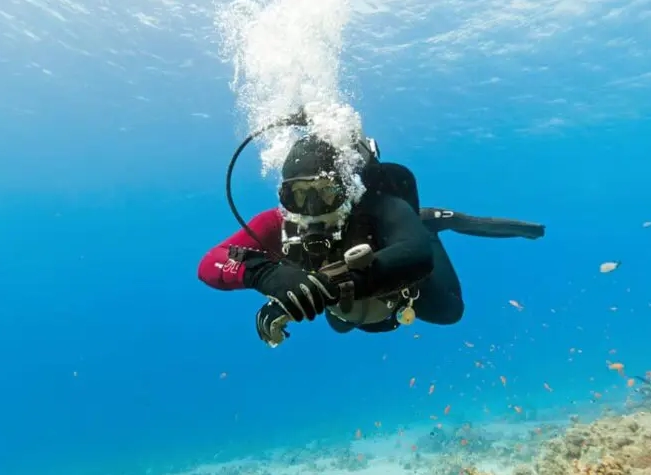
So, how does diving affect the brain? It's a two-sided coin. On one hand, it can be an incredible mental reset, a form of moving meditation that calms the modern world's noise. On the other, it's a profound physiological stress test, where getting the basics wrong can lead to anything from temporary confusion to permanent neurological injury. This isn't about scaremongering; it's about understanding. Because knowing what's happening up there between your ears is the key to safer, more rewarding dives. We're going to peel back the layers, from the instant you submerge to the long-term effects years down the line.
The Brain's Basic Needs (And How Diving Messes With Them)
Your brain is a hungry, delicate organ. It needs a constant, rich supply of oxygen and glucose, its waste products cleared efficiently, and its electrical signals firing crisply along neural pathways. Diving throws a few big wrenches into this finely tuned system.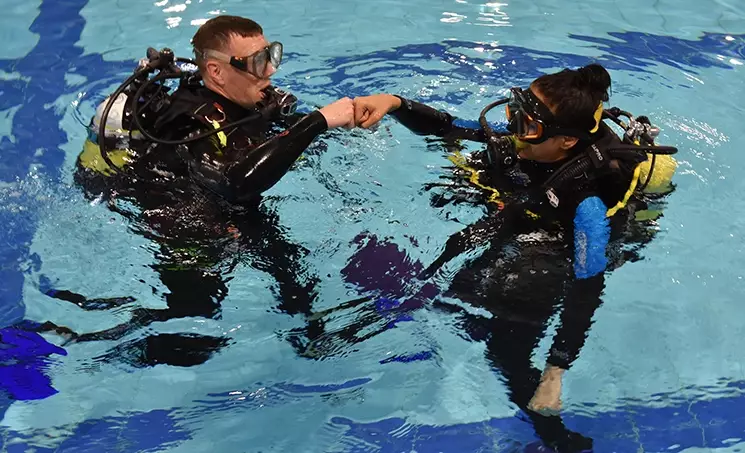
First, there's pressure. For every 10 meters you descend, the ambient pressure increases by 1 atmosphere. Your body is mostly water, which doesn't compress, but the air spaces in your lungs and sinuses do. More critically, the gases you breathe become more potent. The nitrogen in your tank (which makes up about 78% of air) starts acting less like an inert gas and more like a psychoactive drug. The oxygen, vital as it is, can become toxic at high enough partial pressures.
Then there's the breathing apparatus itself. Breathing dense, dry air from a tank through a regulator isn't natural. It can trigger a slight buildup of carbon dioxide (CO2) if you're not breathing deeply and rhythmically. CO2 is your body's main trigger to breathe, and even a small rise can cause anxiety, headaches, and confusion—symptoms that are easy to mistake for something more sinister underwater.
I remember a dive in strong current where I was working hard. My breathing got shallow and rapid. I started feeling a panicky, claustrophobic sensation I'd never had before. It wasn't narcosis; it was likely CO2 buildup (or "hypercapnia"). It taught me that sometimes, the first thing to check when your brain feels "off" underwater is your own breathing pattern.
The Positive Side: How Diving Can Be a Brain Booster
Let's start with the good stuff, because it's significant. When done safely, diving can offer mental benefits that are hard to find elsewhere.
The "Mammalian Dive Reflex" and Instant Calm
Just splashing your face with cold water can trigger it. The mammalian dive reflex is an ancient, hardwired survival mechanism. When your face hits cold water, your heart rate slows (bradycardia), blood vessels in your extremities constrict to preserve oxygen for your heart and brain, and your body shifts into a energy-conserving state. For freedivers, this is a trained art. For scuba divers, it's a subtle background effect. The result? An almost immediate sense of physiological calm the moment you descend. The surface world's chatter—emails, deadlines, noise—just melts away. It's a forced mindfulness.
Underwater Meditation and Stress Reduction
This is the part recreational divers love most. The world is slow, silent (except for your bubbles), and visually mesmerizing. You're forced to focus on the moment—your breathing, your buoyancy, your surroundings. This rhythmic, singular focus is a core principle of mindfulness meditation. Studies on similar activities show they can lower cortisol (the stress hormone) and promote a sense of well-being. Diving isn't just a hobby; for many, it's active stress therapy. You come up feeling mentally scrubbed clean.
Neuroplasticity and Learning a Complex Skill
Learning to dive isn't simple. You're mastering physics (buoyancy, pressure), physiology, equipment mechanics, navigation, and emergency procedures. This complex, continuous learning challenges your brain, potentially encouraging neuroplasticity—the brain's ability to form new neural connections. Planning dives, navigating, identifying marine life—it's a full cognitive workout that keeps your brain engaged and adapting.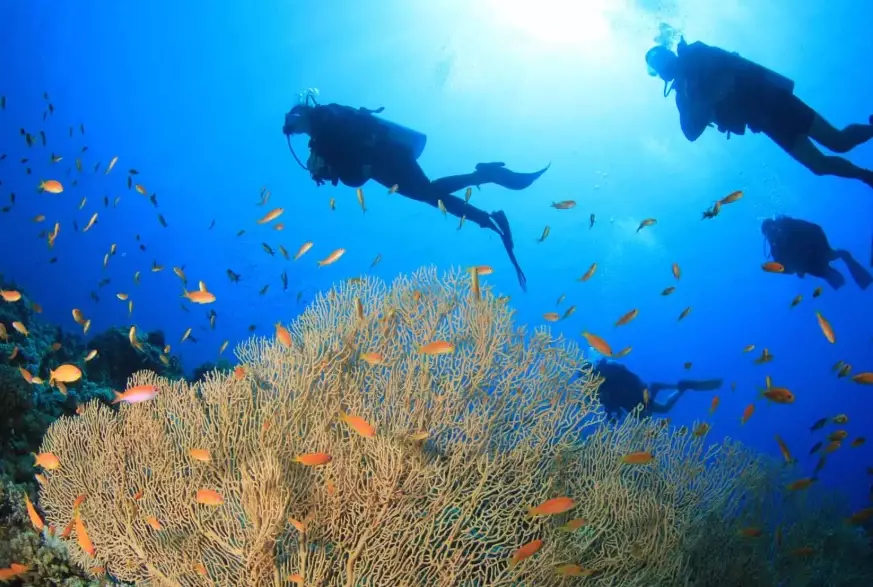
But let's not get carried away. I've seen articles claiming diving "rewires" your brain like learning a language. That's probably overstating it. The cognitive benefits likely mirror those of learning any complex, engaging physical skill, amplified by the unique environment.
The Challenges and Risks: When Diving Stresses the Brain
This is the crucial part. Ignoring these isn't tough or cool; it's dangerous. Understanding them is what separates a informed diver from a statistic.
Nitrogen Narcosis: The "Rapture of the Deep"
Ah, narcosis. My old friend from the wreck dive. How does diving affect the brain through narcosis? It's like a variable, pressure-sensitive alcohol intoxication. As the partial pressure of nitrogen increases with depth, it dissolves into your fatty nerve tissues and interferes with signal transmission. Effects can start as shallow as 30 meters for some people.
- What it feels like: Euphoria, overconfidence, slowed thinking, poor judgment, delayed reaction times, fits of laughter, or anxiety. I felt a detached, "this is all a video game" sensation. A buddy once tried to hand a fish his spare regulator.
- The science: Nitrogen molecules physically disrupt the neuronal membranes. It's not permanent; effects reverse completely upon ascending to shallower depth. But while it's happening, your decision-making is compromised.
- Management: The golden rule is ascend. A few meters up can clear your head. Dive planning, staying within your training limits, and using conservative gas mixes (like nitrox with lower nitrogen content) for deeper dives are key. Organizations like Divers Alert Network (DAN) have extensive resources on managing narcosis.
High-Pressure Nervous Syndrome (HPNS)
This is for the extreme end—technical divers and commercial saturation divers going very deep (below 150m). HPNS is caused by the direct effect of high pressure on nerve cells, not gas toxicity. Symptoms include tremors, nausea, dizziness, and cognitive decline. It's managed by very slow compression rates and using gas mixes containing helium (which is less narcotic than nitrogen). For recreational divers, this is a non-issue, but it shows the brain's limits under extreme pressure.
Oxygen Toxicity (CNS Toxicity)
We need oxygen to live, but too much under pressure is a potent neurotoxin. Breathing air, the risk becomes significant below about 56 meters. However, divers using enriched air nitrox (with higher oxygen percentages) must be acutely aware of their maximum operating depth to avoid it.
How does diving affect the brain with oxygen toxicity? It can cause violent convulsions underwater, which are almost always fatal due to drowning. There's usually little warning—maybe twitching, nausea, or visual disturbances. The key is prevention through rigorous gas management and adhering to established depth limits for your gas mix. The National Oceanic and Atmospheric Administration (NOAA) diving manuals outline strict exposure limits that are the industry standard.
Decompression Sickness (DCS) and the Brain
"The Bends." This is the big one. When you ascend too quickly, dissolved nitrogen comes out of solution and forms bubbles in your bloodstream and tissues. If these bubbles lodge in your spinal cord or brain, it's called neurological DCS, and it's a medical emergency.
- Symptoms: Can range from mild (unusual fatigue, headache, itchy skin) to severe: paralysis, weakness, numbness, dizziness, confusion, personality changes, or even loss of consciousness.
- The aftermath: Prompt treatment in a hyperbaric chamber is critical. Even with treatment, some neurological symptoms can persist, highlighting the potential for long-term brain impact from a severe hit.
- Prevention: This is where dive computers and tables are non-negotiable. They model nitrogen uptake and release. Conservative profiles, safety stops, and proper hydration are your best defenses. DAN's health and safety library is an invaluable resource on DCS recognition and prevention.
Long-Term and Subtle Effects
The research here is ongoing and sometimes contradictory. Some older studies suggested professional divers with thousands of dives might show subtle, subclinical declines in cognitive function, possibly linked to tiny, asymptomatic bubbles ("silent bubbles") or repeated minor physiological insults. However, more recent reviews, like those cited by the Undersea and Hyperbaric Medical Society (UHMS), suggest that recreational divers following safe practices show no such measurable decline.
The consensus leans towards this: For the vast majority of recreational divers who follow safe, conservative profiles and avoid incidents, there is no evidence of long-term negative brain impact. The key phrase is "avoid incidents." A significant DCS hit is a different story.
Scuba vs. Freediving: A Brain's-Eye View Comparison
How does diving affect the brain differently if you're on scuba versus holding your breath? The core pressures are the same, but the physiological journey is wildly different.
| Aspect | Scuba Diving (Recreational) | Freediving (Apnea) |
|---|---|---|
| Primary Brain Challenge | Managing external gas supply, narcosis, decompression obligations. | Managing intense internal CO2 buildup, low oxygen (hypoxia), and the powerful urge to breathe. |
| Key Reflex | Mammalian dive reflex is present but less pronounced. | Mammalian dive reflex is intensely trained and leveraged for longer breath-holds. |
| Mental State | Focused calm, task-oriented awareness (gauges, navigation). | Deep meditative state, extreme focus on bodily sensations and relaxation. |
| Major Neurological Risk | Decompression Sickness (DCS), Nitrogen Narcosis, Oxygen Toxicity. | Shallow Water Blackout (SWB) - loss of consciousness near surface due to hypoxia, often without warning. |
| Long-Term Training Effect | Procedural memory, spatial awareness, mechanical knowledge. | Exceptional interoception (awareness of internal body states), advanced breath and relaxation control. |
Freediving, to me, feels like a more direct conversation with your brainstem and primal instincts. The discipline required to quiet the mind and ignore the screaming lungs is a profound mental exercise. But the risk of shallow water blackout is no joke—it's why the cardinal rule is never dive alone, in either discipline.
Best Practices for a Brain-Healthy Dive
So, you want the benefits and want to minimize the risks? It's all about strategy.
- Get Properly Trained and Stay Current: This is non-negotiable. A good course won't just teach skills; it will explain the why behind the physics and physiology. Refreshers if you've been out of the water are a smart investment in your neural safety.
- Dive Conservatively and Plan Your Dive: Use your computer conservatively. Plan your max depth, time, and safety stop. The question "how does diving affect the brain?" should be part of your pre-dive mental checklist.
- Master Your Breathing: Slow, deep, rhythmic breaths. It manages CO2, conserves air, and maintains calm. It's the single most important skill for your brain underwater.
- Hydrate, Hydrate, Hydrate: Dehydration thickens your blood, making you more susceptible to DCS and fatigue. Drink plenty of water before and after.
- Know Your Limits and Listen to Your Body/Brain: Feeling unusually anxious, tired, or fuzzy? Call the dive. No dive is worth your neurological health. Peer pressure has no place here.
- Get a Fit-to-Dive Medical: Especially as you get older or if you have any underlying health conditions (like a PFO - a heart defect that can increase DCS risk). Be honest with the doctor.
Common Questions About Diving and the Brain
Yes, it can, but it's almost always through a preventable incident: severe decompression sickness, a near-drowning, or arterial gas embolism (AGE). For divers adhering to safe practices, the risk of permanent brain damage is extremely low. The transient effects of narcosis are not brain damage.
Mild fatigue is common—diving is physical. But persistent "fogginess," headache, or unusual fatigue can be symptoms of mild DCS or dehydration. It's a sign to hydrate thoroughly, rest, and monitor closely. If it persists or worsens, seek medical advice and contact DAN.
The mindfulness, focus, and physiological calm can be tremendously beneficial for many people. However, it's not a substitute for professional treatment. Importantly, some medications for anxiety/depression (like certain SSRIs) can potentially interact with diving physiology or increase DCS risk. You must consult both your doctor and a diving medical specialist before diving if you are on medication. A study published in resources like the BMJ often discusses such fitness-to-dive considerations.
They are entirely reversible within minutes of ascending to a shallower depth. There is no "hangover." If you feel impaired on the surface after a dive, it is NOT narcosis and could be a sign of something else requiring attention.
Not really. You can learn to recognize its onset and manage your behavior, but the gas laws are immutable. The nitrogen will have the same effect at the same depth every time. Experience helps you cope with the feeling, not the physiological cause.
The Final Verdict
So, how does diving affect the brain? It's a dynamic interaction. It can be a sanctuary, offering a unique form of calm and focus that's increasingly rare. It challenges your brain to learn and adapt in a complex environment. But it also demands respect. It places your nervous system in an alien world governed by strict physical laws.
The difference between a brain-boosting experience and a neurological risk comes down to knowledge, preparation, and a conservative mindset. Understand the mechanisms—the why behind the rules. Listen to the subtle signals your brain sends you, both the peaceful ones and the warning ones.
For me, that initial unsettling narcosis experience was a gift. It forced me to stop just being a tourist underwater and start being a student of the environment, both outside and inside my own head. Diving, at its best, isn't just an escape from the world. It's a deeper connection to it, and a fascinating journey into understanding how our most vital organ adapts to the silent, weightless realm of the deep.
Comments