Let's cut to the chase. Mexico isn't just a good diving destination; it's a world-class one. You've got the Caribbean's warm, clear waters on one side, the wild Pacific on the other, and a labyrinth of surreal freshwater cenotes in the middle. But with so many options, figuring out where to go can feel overwhelming. Is it Cozumel's reefs, the bull sharks of Playa, or the alien beauty of a cenote? This guide isn't a generic list. It's a detailed breakdown from someone who's spent years diving here, helping you match the right spot to your experience and dreams.
Your Quick Dive Guide
Mexico's Top Scuba Diving Destinations
Forget the vague "great diving" claims. Here’s where you should actually go, broken down by coast and what makes each place special.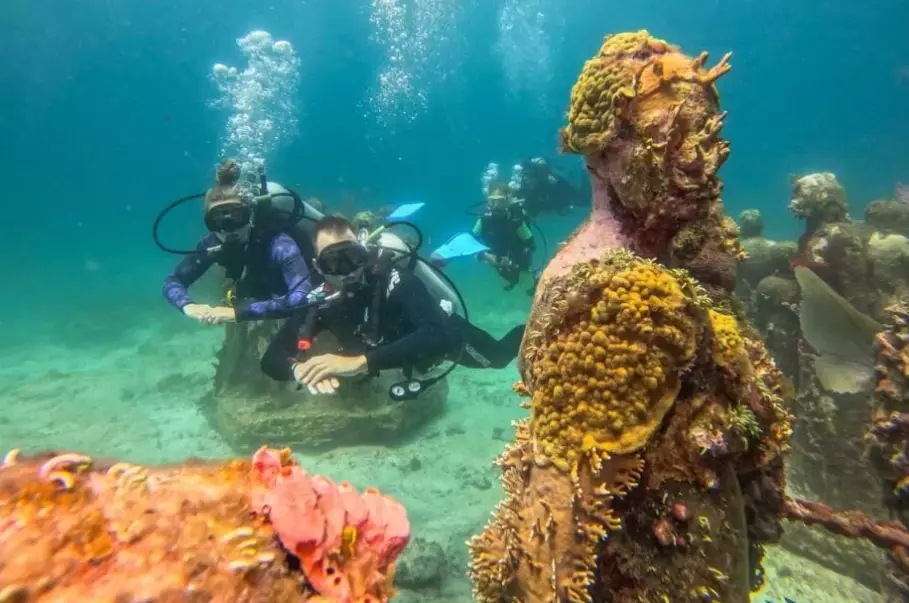
The Caribbean Coast (Quintana Roo & Yucatán)
This is where most divers start. The water is consistently warm (78-84°F / 26-29°C), visibility often exceeds 100 feet, and you're diving along the world's second-largest barrier reef system.
| Destination | Best For | Signature Dive/Sight | Best Time to Visit | Note |
|---|---|---|---|---|
| Cozumel | Drift diving, vibrant coral walls, macro life | Palancar Reef (massive coral formations), Santa Rosa Wall | Year-round (peak: May-Sept) | Currents can be strong. Perfect for advanced beginners and up. |
| Isla Mujeres | Whale sharks (seasonal), beginner-friendly reefs | Whale Shark Aggregation (Jun-Sept), MUSA underwater museum | Jun-Sept for whale sharks | A snorkel, not scuba, activity for whale sharks. Strictly regulated. |
| Playa del Carmen / Tulum | Bull sharks (Nov-Mar), cenote diving, reef dives | Bull shark season, Cenotes like Dos Ojos & The Pit | Nov-Mar for sharks; Cenotes year-round | Shark diving requires AOW or specialty. Cenotes need cavern certification. |
I once spent a week in Cozumel just diving the southern reefs. The mistake most make is rushing to the famous Palancar and ignoring places like Columbia Deep. The latter has less traffic, more eagle rays, and towering pinnacles that feel untouched.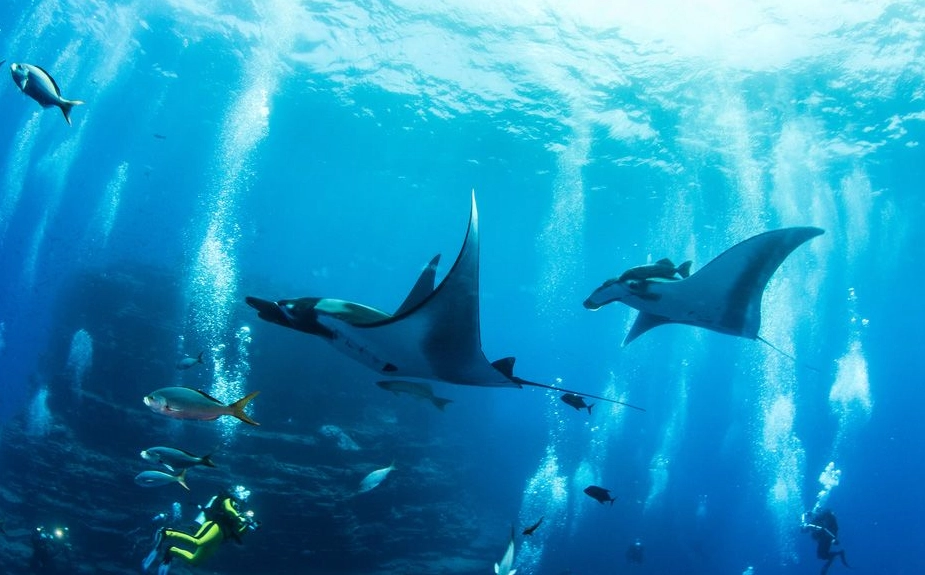
The Pacific Coast (Sea of Cortez & Mexican Riviera)
Wilder, cooler (60-75°F / 16-24°C), and packed with pelagics. This is big animal country. Visibility is lower (30-70 ft), but the encounters are raw.
| Destination | Best For | Signature Dive/Sight | Best Time to Visit | Note |
|---|---|---|---|---|
| La Paz (Baja California Sur) | Sea lions, whale sharks (Oct-May), mobula rays | Los Islotes sea lion colony, Espiritu Santo Island | Oct-May | Water is coldest Jan-Mar. Sea lions are playful but keep distance. |
| Cabo San Lucas | Pelagic action, sand falls, advanced diving | Gordo Banks (hammerheads, tuna), Sand Falls (Cabo Pulmo) | Jun-Nov | Strong currents and deep dives. Not for newbies. Cabo Pulmo is a UNESCO site. |
| Puerto Vallarta / Riviera Nayarit | Manta rays (seasonal), humpback whales (winter), reefs | Marietas Islands, El Morro | Dec-Apr for mantas | More resort-style diving. Best combined with a land vacation. |
A Reality Check: Diving the Pacific is a different beast than the Caribbean. The water is cooler, often choppier, and the marine life is less about pretty corals and more about powerful, open-ocean creatures. You come here for adrenaline, not Instagram-perfect clarity. I've had dives in Cabo where the vis was 40 feet but we were surrounded by a school of hundreds of jacks—absolutely worth it.
How to Choose the Right Dive Site in Mexico?
Picking a location based on a cool photo is how you end up disappointed. Ask yourself these questions first.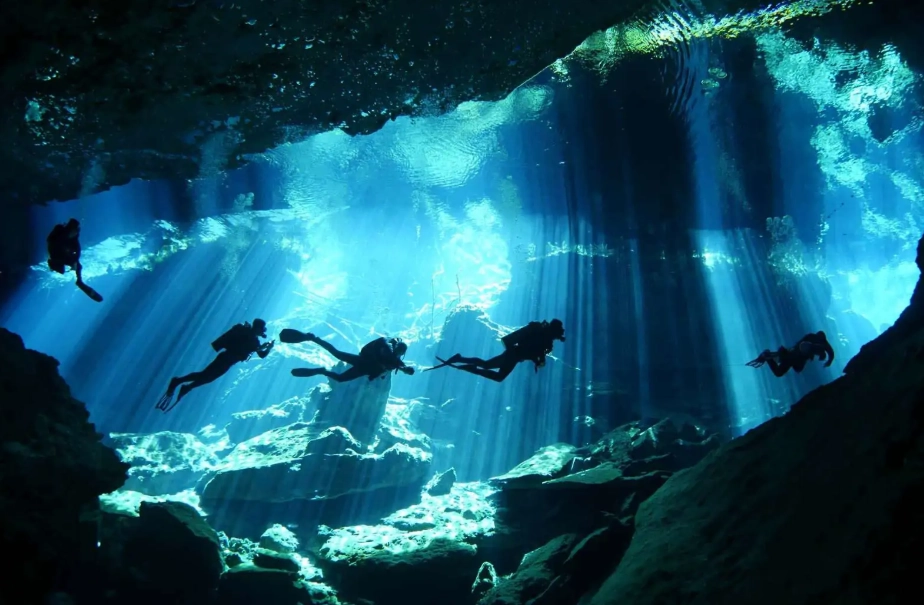
What's your certification and comfort level? New Open Water divers should stick to Cozumel's protected reefs, Isla Mujeres, or Puerto Vallarta's bays. Advanced divers with deep and nitrox certs can unlock the Pacific's pelagic sites and deeper cenote zones.
What do you want to see? Walls and coral? Cozumel. Playful mammals? La Paz. Geological wonder? Cenotes. Adrenaline-pumping sharks? Playa del Carmen in winter.
What's your trip vibe? Pure dive trip? Base yourself in Cozumel or La Paz. Mixing diving with a family holiday? Playa del Carmen or Cabo offer more non-diving activities.
Budget and time? The Caribbean coast is generally more accessible with shorter boat rides. Pacific liveaboards (like to the Socorro Islands) are bucket-list but expensive and time-consuming.
What is Cenote Diving? A Unique Mexican Experience
This is Mexico's secret weapon. Cenotes are natural sinkholes connecting to vast underwater river systems. Diving here is like floating through a cathedral of light and shadow.
It's not cave diving—you're in caverns, where natural light is always visible. But it's serious business. You need a cavern diving specialty (not just Open Water) from a reputable shop. The golden rule? Never go beyond the "light zone" without full cave training and gear.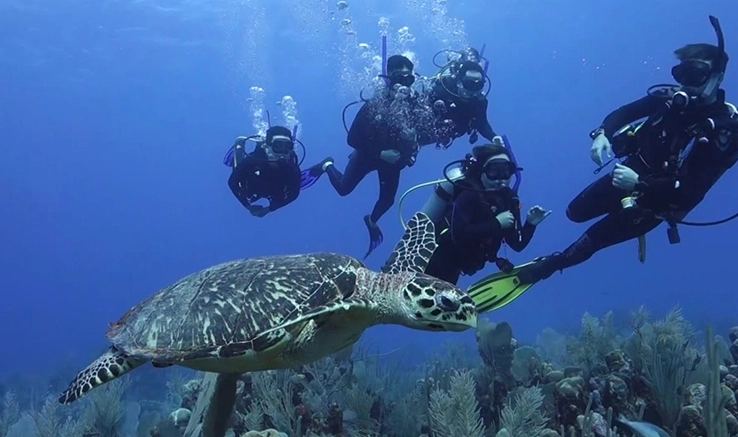
Top Cenotes for Divers
- Dos Ojos ("Two Eyes"): The most famous. Two circular caverns connected by a passage. Incredible haloclines (where fresh and saltwater meet) and stunning light beams. Great for first-timers.
- The Pit: A deep, dramatic descent. You drop down to about 100 feet where a hydrogen sulfate cloud hangs, with light shafts piercing from above. An advanced dive due to depth.
- Angelita: Surreal. A submerged "island" of trees sits under 100 feet of fresh water, atop a cloud of hydrogen sulfide that looks like a river. It's a deep, eerie, and unforgettable dive.
The mistake I see? Divers treat cenotes like a reef dive. Silting is a major issue. Perfect buoyancy and frog kicking are non-negotiable. One errant fin kick can ruin the visibility for everyone behind you for an hour.
Planning Your Mexico Diving Trip: A Practical Guide
Let's get tactical. Here’s how to structure your adventure.
Sample 5-Day Diving Itinerary (Caribbean Focus)
Day 1-2: Cozumel. Fly into CUN (Cancun), transfer to ADO bus to Playa del Carmen, then ferry to Cozumel. Dive the southern reefs. Stay in San Miguel.
Day 3: Playa del Carmen. Morning ferry back. Do an afternoon reef dive or, if in season and qualified, a bull shark dive.
Day 4: Cenote Day. Book a two-tank cenote dive with a certified guide. Dos Ojos and Casa Cenote make a great combo.
Day 5: Isla Mujeres. Day trip for a reef dive or, in season, a whale shark snorkeling tour (book in advance).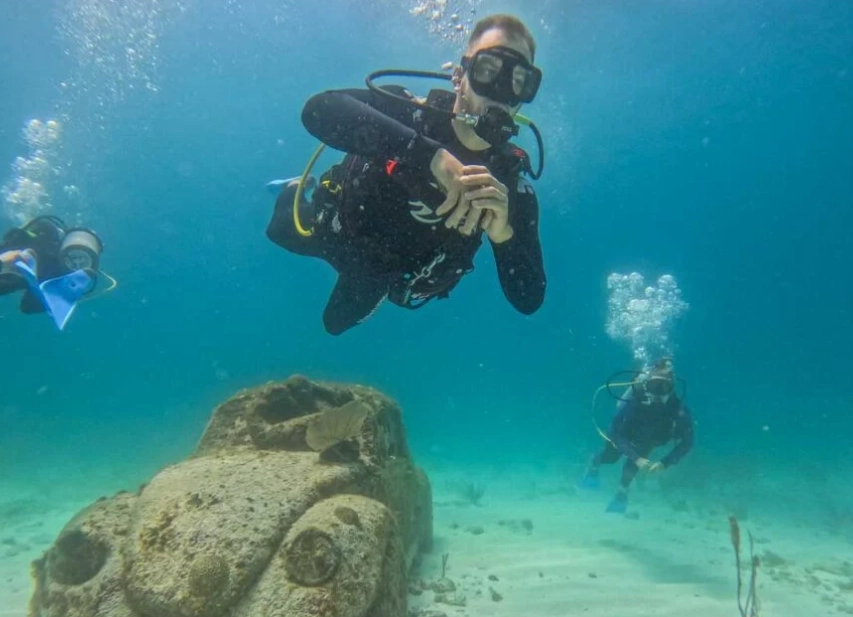
Logistics & Tips
Getting There: Major airports are Cancun (CUN) for the Caribbean and Los Cabos (SJD) or La Paz (LAP) for the Pacific.
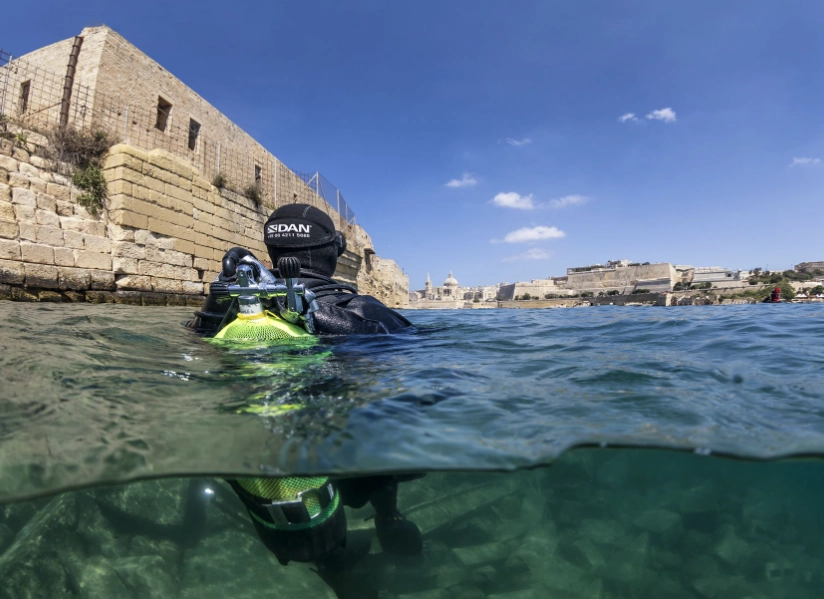
Choosing a Dive Operator: Don't just pick the cheapest. Email them. Ask about group size (6 divers max is ideal), boat specs, and guide-to-diver ratio. Look for operators affiliated with PADI or DAN for safety standards.
What to Pack: Besides your cert card and logbook, a reef-safe sunscreen is mandatory. A 3mm wetsuit is enough for the Caribbean; a 5mm-7mm is needed for the Pacific. A dive computer is highly recommended.
Costs: Average two-tank boat dive: $90-$120 USD. Cenote two-tank: $120-$150. Prices include gear. Tip your guide and crew (10-15% is standard).
Comments