You see them gliding through the water at the pool or on TV during the Olympics—swimmers making it look effortless. But if you've ever tried to copy them, you know there's a world of difference between splashing around and actual swimming technique. Let's cut through the noise. Forget the vague advice. I've spent over a decade coaching everyone from terrified beginners to competitive athletes, and I can tell you that understanding the six main types of swimming strokes is the single fastest way to improve, no matter your goal.
It's not just about moving from point A to point B. Each stroke is a different tool. Want a full-body cardio blast? That's one stroke. Need a low-impact rehab exercise? That's another. Looking to build serious upper body strength? You get the idea. Mastering even the basics of each unlocks a new level of fitness and confidence in the water.
What You'll Learn in This Guide
- Quick Comparison of All 6 Strokes
- Freestyle (Front Crawl): The Speed King
- Backstroke: Your Posture Savior
- Breaststroke: The Classic (But Tricky) Choice
- Butterfly: The Ultimate Power Move
- Sidestroke: The Lifesaver's Secret
- Elementary Backstroke: The Relaxation Hack
- How to Choose the Right Stroke for You
- Your Swimming Questions, Answered
First, let's get the lay of the land.
The 6 Main Types of Swimming Strokes at a Glance
This table isn't just a list. It's your decision-making tool. Compare the key attributes to see which stroke aligns with your current fitness, goals, and even mood.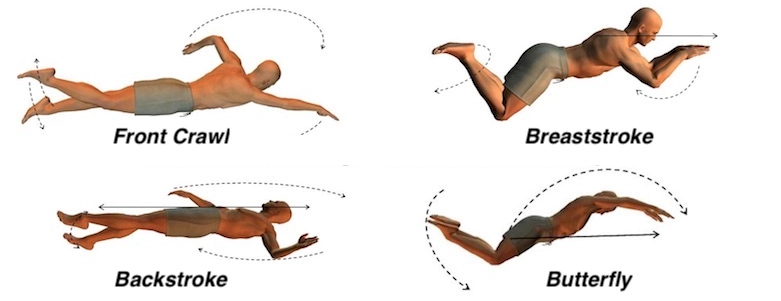
| Swimming Stroke | Primary Muscles Worked | Approx. Calorie Burn (30 mins)* | Best For | Technical Difficulty |
|---|---|---|---|---|
| Freestyle (Front Crawl) | Lats, shoulders, core, triceps, glutes | 250-300 | Speed, endurance, full-body cardio | Medium |
| Backstroke | Upper back, shoulders, glutes, hamstrings | 200-250 | Improving posture, shoulder rehab, easy breathing | Medium |
| Breaststroke | Chest, inner thighs, shoulders, calves | 200-280 | Beginners, mindful swimming, tactical water movement | Medium-High |
| Butterfly | Chest, shoulders, core, lats, glutes | 300-400 | Explosive power, advanced conditioning | High |
| Sidestroke | Obliques, shoulders, adductors | 180-220 | Lifesaving, long-distance efficiency, injury adaptation | Low-Medium |
| Elementary Backstroke | Chest, upper back, biceps | 150-200 | Total beginners, relaxation, water confidence | Low |
*Calorie burn is highly individual and depends on weight, intensity, and efficiency. These are estimates for a 155lb person swimming moderately.
Now, let's dive into the nitty-gritty of each one.
Freestyle (Front Crawl): The Speed King
This is the stroke you see in triathlons and most lap swimming. People call it freestyle because in competitive events, you can choose any stroke, and this is the fastest one, so everyone picks it. The name stuck.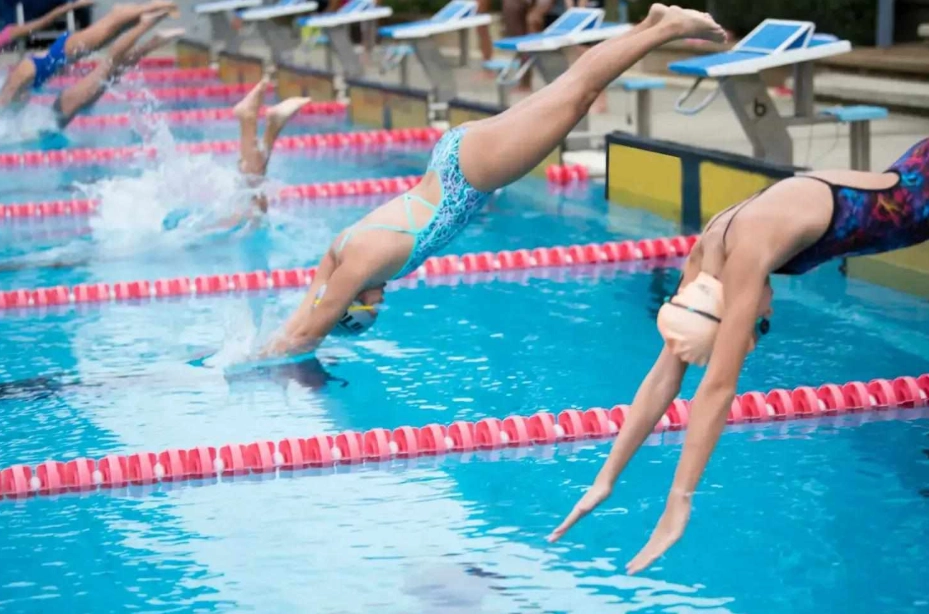
Why It's So Popular (And Effective)
Freestyle gives you the best return on energy investment. A smooth, efficient freestyle feels like you're flying over the water, not fighting it. It's a continuous, rhythmic motion that's fantastic for building cardiovascular stamina.
The power comes from a long body line and a rotational core. Your arms are like propellers, and your hips are the engine that turns them.
Expert Tip Most Swimmers Miss: Your breathing is the metronome for your stroke, not the other way around. New swimmers try to fit their breathing into their arm cycle and panic. Instead, establish a steady, relaxed exhalation into the water (bubbles out the nose/mouth). The inhale during the head turn should feel like a quick, automatic gasp. If you're holding your breath, you're doing it wrong and will tire instantly.
Backstroke: Your Posture Savior
Backstroke is freestyle's cousin, but on your back. It offers something precious: uninterrupted breathing. This makes it less intimidating for new swimmers who hate putting their face in the water.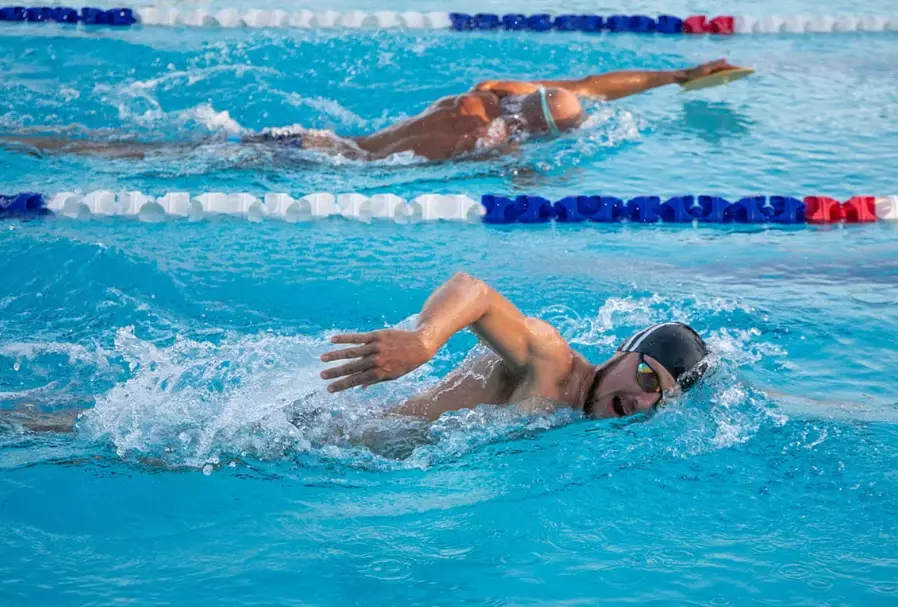
But its real secret benefit is postural. We spend our days hunched over screens. Backstroke forces your chest open, strengthens the upper back muscles that pull your shoulders back, and counteracts that forward slump. I've had clients whose chronic neck tension improved just by adding a few laps of backstroke.
The key is to stay flat and long, like you're lying on a tightrope. A common error is letting the hips sink, which creates drag and turns it into a struggle.
Breaststroke: The Classic (But Tricky) Choice
Breaststroke is often the first "real" stroke people learn. It feels natural because your head is above water. But here's the controversial opinion: it's deceptively technical and, when done poorly, is one of the hardest strokes on your body.
A good breaststroke is a smooth, gliding, almost meditative motion. A bad one is a jerky, neck-straining, knee-wrecking battle.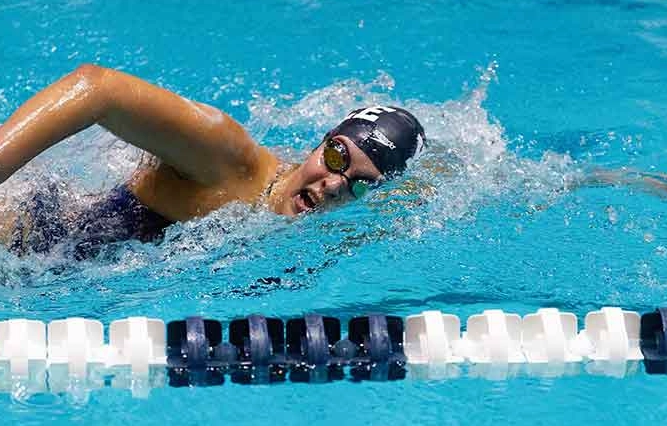
Honestly, I see more people hurting themselves with bad breaststroke technique than with any other stroke. The whip-kick puts tremendous strain on the inner knee ligaments if your feet aren't turned out properly. And the urge to keep the head permanently up strains the cervical spine.
The magic is in the timing and the glide. Pull, breathe, kick, glide. That silent glide phase is where you recover and propel. Most beginners skip it entirely.
Butterfly: The Ultimate Power Move
Let's be clear: butterfly is hard. It's the most physically demanding of the competitive strokes. But the idea that it's only for Olympians is a myth. Learning the basic undulation and rhythm is accessible and incredibly rewarding.
Butterfly is all about core-driven wave motion. The power comes from your chest and abdomen pushing down into the water, creating a wave that travels down your body and finishes with a dolphin kick. Your arms then recover over the water as the next wave begins.
Don't try to muscle it with your arms. You'll be exhausted in 10 seconds. Think "chest down" and let the body flow.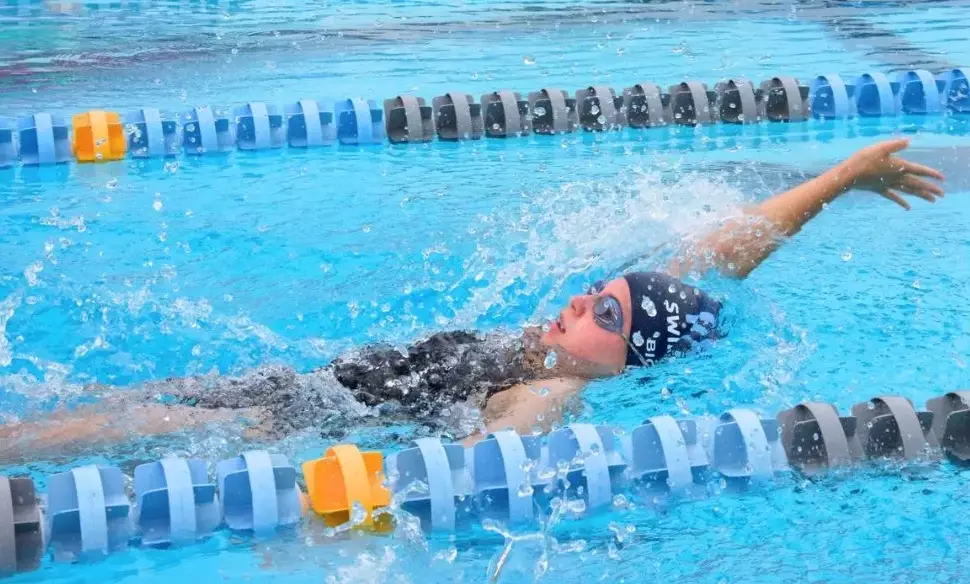
Sidestroke: The Lifesaver's Secret
Sidestroke is the unsung hero of swimming, often ignored in competitive pools but revered by lifeguards, Navy SEALs, and open water swimmers. Why? Because it's incredibly efficient and leaves one arm free.
You swim on your side with a scissor kick and an asymmetrical arm pull. It's low-energy, sustainable for long distances, and perfect if you need to tow something (or someone). It's also brilliant if you have a shoulder injury, as you can favor the healthy side.
It feels weird at first because it's so different from the symmetrical strokes. But once you get it, you have a secret weapon for endurance.
Elementary Backstroke: The Relaxation Hack
This is the simplest stroke of all. It's always done on the back with a simple "chicken, airplane, soldier" arm motion and a whip or breaststroke kick. The arms never leave the water, and the movements are slow and synchronized.
Its purpose is pure utility and confidence-building. It requires minimal energy, allows full breathing, and is the stroke taught in basic water safety courses. If you ever need to rest or float while moving, this is it. It's the stroke I teach to absolute beginners to prove to them they can move through the water without panic.
How to Choose the Right Stroke for You
So, with all these options, where do you start? Don't just default to what you sort-of know.
Ask yourself:
Goal: Weight loss or high cardio? Mix freestyle and butterfly intervals.
Goal: Rehabilitation or low impact? Backstroke and elementary backstroke are your friends.
Goal: Just not drowning and feeling comfortable? Master elementary backstroke and sidestroke first. Seriously. Confidence is everything.
Goal: Triathlon or open water? Freestyle efficiency is non-negotiable, but sidestroke is a great backup for sighting or rough water.
The best swimmers aren't experts in one stroke; they're competent in several. This versatility keeps your workouts fresh and challenges different muscle groups.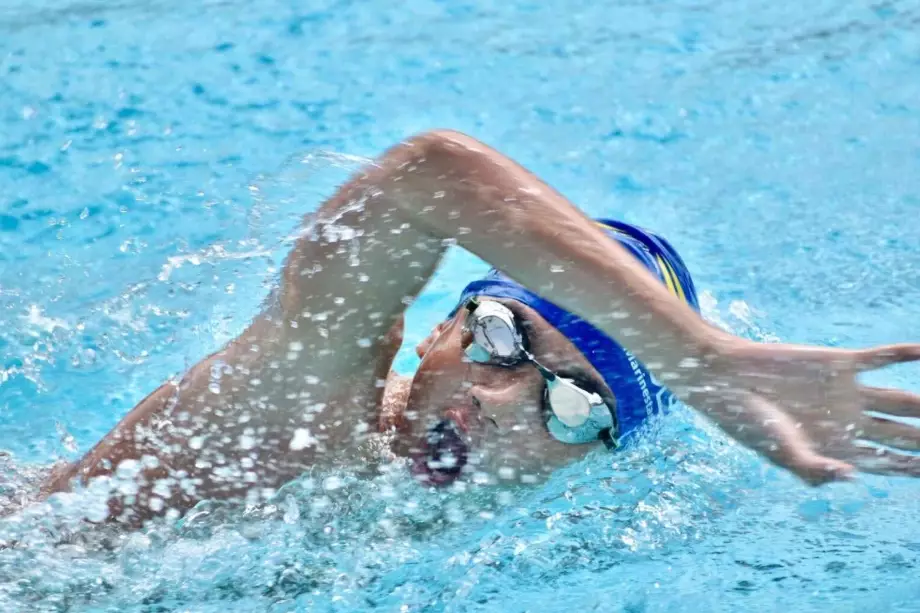
Your Swimming Questions, Answered
No single stroke magically targets belly fat. Fat loss happens through a calorie deficit. However, butterfly and high-intensity freestyle intervals burn the most calories overall, which supports fat loss. More importantly, swimming builds core strength in every stroke, which can improve muscle tone and posture, making your midsection look tighter and stronger.
You must consult your doctor or physio first. Generally, strokes with underwater arm recovery are gentler. Elementary backstroke is often the safest starting point. Sidestroke allows you to completely rest the injured arm. Avoid butterfly and be very cautious with freestyle's high-recovery motion. The key is to keep the arm movements small and pain-free, using your legs more for propulsion.
You're probably missing the glide and fighting the water. After each kick, stretch your body into a straight, streamlined position (arms extended forward, legs together) and hold it for a full second. Feel yourself coast. This glide is your free speed. Also, ensure your kick is narrow and your feet are turned out—a wide, bicycle-like kick creates massive drag. Film yourself from the side; if you're not gliding, you're working too hard.
Start with one for confidence—elementary backstroke or freestyle with a kickboard. But introduce others early, even just for a lap or two. Learning different strokes teaches you different aspects of balance and propulsion. Getting stuck on the "perfection" of one stroke can be frustrating. Variety keeps it interesting and builds a more well-rounded feel for the water.
The international governing body for competitive swimming is World Aquatics (formerly FINA). Their website provides the official rulebooks that define the technical specifications for each stroke in competition. For detailed learning progressions and diagrams, organizations like the American Red Cross (for safety-focused strokes) and USA Swimming (for competitive technique) offer excellent resources. Search for "World Aquatics swimming rules" or "Red Cross swimming skills."
The pool is waiting. Don't just swim—explore. Try a lap of something new next time. That awkward feeling is your brain and body learning. Each of these six main types of swimming offers a unique key to unlocking a stronger, more capable, and more joyful you in the water.


Comments