So you've decided to take the plunge into scuba diving. Fantastic. But when you hear "types of dives," your mind might jump to technical deep dives or wreck penetrations—things far off on the horizon. For a beginner, the landscape looks different. The "types" you need to understand first are the progressive stages of training and experience that build your competence from zero to certified diver. It's less about exotic categories and more about foundational skill-building environments. Let's cut through the confusion and map out the four essential types of dives every new diver will encounter, why they matter, and how to get the most out of each one.
Your Quick Dive Map
- The Four Foundational Dive Types for Beginners
- Confined Water Dives: Your First Breath Underwater
- Open Water Dives: The Real Deal
- Specialty Introductory Dives: Trying Out Advanced Skills
- Guided Fun Dives: Building Experience After Certification
- How to Choose Your First Dive Type
- Your Beginner Dive Questions Answered
The Four Foundational Dive Types for Beginners
Forget night dives or drift dives for now. As a rookie, your world revolves around these four pillars. They represent a logical, safety-first progression.
Confined Water Dives: This is where it all begins. Think of a swimming pool or a very calm, shallow beach area. The goal here isn't exploration; it's pure skill rehearsal in a controlled, panic-free environment.
Open Water Dives: The main event for certification. This is where you take the skills from the pool and apply them in the actual ocean, lake, or quarry. These dives are about demonstrating competence and starting to actually enjoy the scenery.
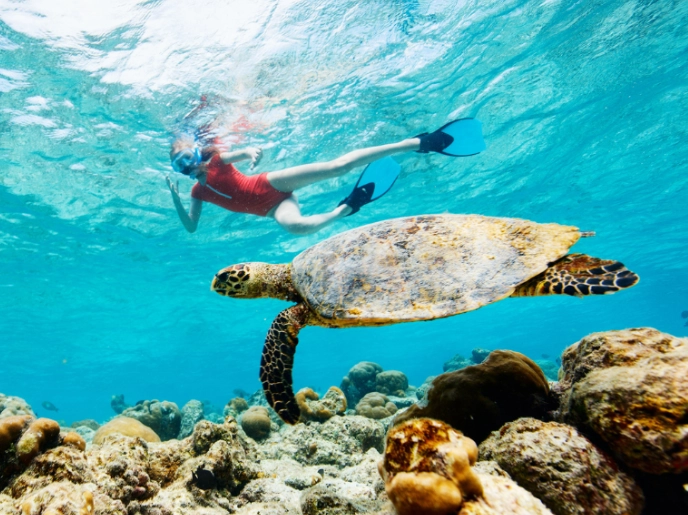
Specialty Introductory Dives (or Discover Dives): Often called a "Discover Scuba Diving" experience, this isn't part of a certification course. It's a single, tightly supervised trial dive for the utterly curious, usually in a resort setting. It's a type all on its own because the goals and limitations are unique.
Guided Fun Dives (Post-Certification): Once you have your C-card, your first 10-20 dives will likely be guided. This is a critical type of dive where you're no longer a student but still very much a novice, building real-world experience under the watchful eye of a pro.
Mixing up this order is where problems start. Jumping into open water without confined training is dangerous and illegal with reputable operators. Skipping guided dives right after certification can leave you overwhelmed.
Confined Water Dives: Your First Breath Underwater
This is your training wheels phase. The water is typically warm, clear, and, most importantly, shallow enough to stand up in. The primary objective is repetition until basic skills become muscle memory.
You'll practice things like clearing a flooded mask, recovering a regulator, and achieving neutral buoyancy. It sounds simple, but this is where most learning happens. A good instructor will stretch this over several sessions, not cram it into one afternoon.
Pro Tip Most Miss: The biggest mistake beginners make in confined water is rushing through skills to "get to the fun part." The pool is the fun part for building confidence. Nail your buoyancy here, where you can easily stand up and talk to your instructor, and your open water dives will be infinitely more enjoyable. If your buoyancy is poor in the pool, it will be a disaster in the ocean.
What does a typical confined water session look like? You'll start with gear assembly at the surface, then move to shallow water to practice breathing through the regulator. Gradually, you'll go deeper, working on skills on your knees, then hovering. A full certification course like PADI's Open Water Diver includes multiple confined water dives, often split across days.
The equipment here is usually the same as for open water. You're learning to manage the weight, bulk, and mechanics of the full kit. Some dive centers might use slightly older but perfectly functional gear for pool work.
Open Water Dives: The Real Deal
Here's where theory meets reality. An open water dive for certification has a clear structure: a briefing, the dive itself with specific skills to perform, and a debriefing. You're not just swimming around.
For most certifications, you need to complete four open water dives. Each builds on the last.
Dive 1 is often about acclimatization. You'll practice a few basic skills from the pool (like regulator recovery) in the new environment, but a large portion is simply swimming around at a safe, shallow depth (6-12 meters) to get comfortable. The goal is to manage initial anxiety.
Dive 2 & 3 ramp up the skills. You'll demonstrate more complex maneuvers, like a controlled emergency swimming ascent (CESA) or removing and replacing your scuba unit at the surface. Navigation using a compass is also introduced. The dive profiles get slightly deeper, often up to 18 meters, the recreational limit.
Dive 4 is usually the culmination. By now, you should be performing skills with less direct supervision. This dive often focuses on integrating everything you've learned—buoyancy control, navigation, and situational awareness—while enjoying a longer exploratory dive. It's the test drive before you get your license.
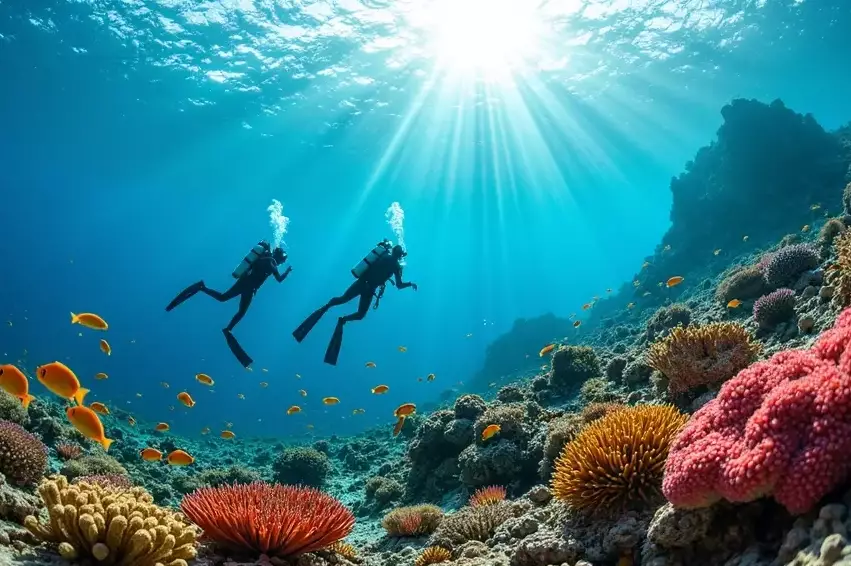
The location matters. A calm, tropical reef with 20-meter visibility is a very different "open water" experience from a cooler, darker quarry. Both are valid, but the former is obviously less challenging for a beginner's nerves.
Specialty Introductory Dives: Trying Out Advanced Skills
These sit in a gray area between beginner and advanced. Let's say you're certified and you hear about a cool local wreck at 28 meters. You can't just go. You need training. An introductory dive under the guidance of an instructor for that specialty is your gateway.
For example, a wreck diving introductory dive wouldn't involve penetration. It would teach you how to approach a wreck safely, manage your buoyancy around fragile structures, and use a reel to navigate the exterior. It's a supervised taste of the specialty.
Similarly, an introductory nitrox dive would have you breathing enriched air under close supervision after the theory session, letting you feel the reduced fatigue on a real dive before you get the full certification.
The key here is direct supervision. You are not yet certified for that activity type. You are experiencing it under the instructor's control, often with stricter limits (shallower depth, simpler profile) than a fully certified diver on the same site.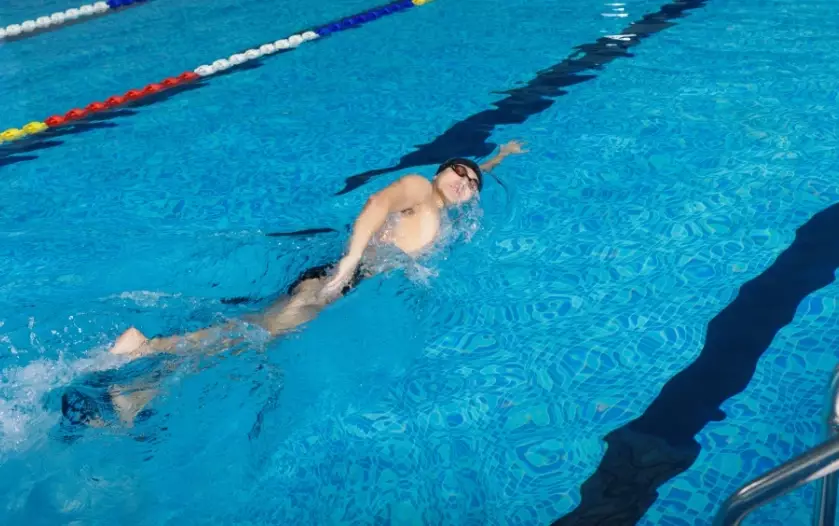
Guided Fun Dives: Building Experience After Certification
You have your certification card. Congratulations. Now what? The most important type of dive you'll do next is the guided fun dive. This is where you transition from "student" to "diver."
On these dives, the goal shifts from skill demonstration to experience accumulation. A good dive guide will lead the route, point out marine life, and keep an eye on the group. Your job is to manage your air, maintain your buoyancy, and avoid kicking the coral.
This phase is crucial. I've seen too many new divers get certified on vacation, do four open water dives, and then not dive again for a year. When they return, they've forgotten everything. Booking guided dives consistently in your first year—even in local, less glamorous spots—is what builds true, lasting competence.
How many guided dives should you do before going solo or with a buddy? There's no magic number, but most professionals agree that your first 10-20 dives post-certification should be guided or with a significantly more experienced buddy. This builds your situational awareness in ways the course simply can't cover.
How to Choose Your First Dive Type
Your starting point depends entirely on your commitment level and curiosity.
If you're 95% curious but 5% nervous, start with a Discover Scuba Diving (DSD) experience. This is a single, supervised session that typically includes a very brief pool lesson and a shallow, guided ocean dive. It's perfect for a vacation try-out. Operators like those affiliated with PADI or SSI run these globally. It's not a certification, but it lets you breathe underwater and see if you like the feeling without the full course commitment.
If you know you want to get certified, your first dive type is automatically Confined Water. Sign up for an Open Water Diver course. The reputable school will structure everything for you. Don't try to piecemeal it.
If you're certified but haven't dived in over 6 months, do not jump on a guided boat dive. Your first dive back should be a refresher, which is essentially a guided dive that heavily emphasizes skill review in confined or very sheltered open water. It's a safety must-do that many divers foolishly skip.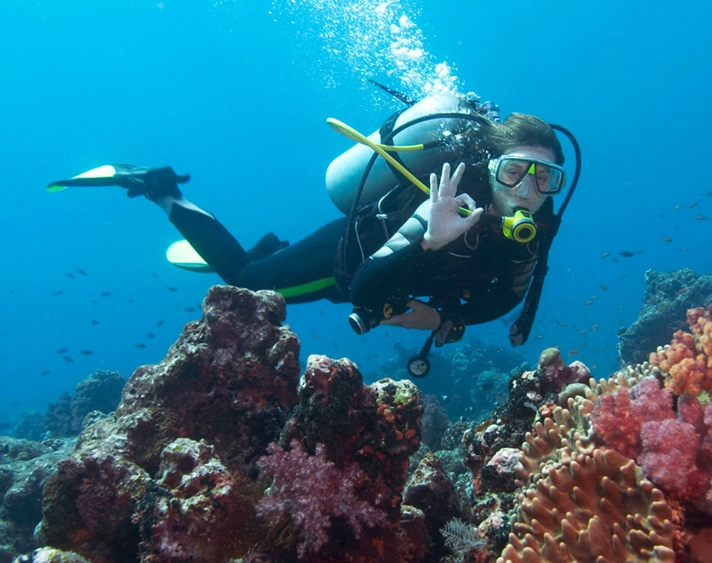

Comments