If you've ever watched a documentary of divers squeezing through underwater caverns or exploring a sunken warship at 100 meters, you've probably wondered: what is the hardest type of dive? The short, unequivocal answer is technical diving. But that term is an umbrella. Under it sit specific disciplines that push human and equipment limits to the absolute edge. The hardest dives aren't just deeper versions of your vacation reef dive; they are fundamentally different activities with exponentially greater complexity and risk.
I've been diving for over fifteen years, moving from warm Caribbean reefs to cold, dark quarries and finally into overhead environments. The jump from recreational to technical diving was the most humbling experience of my life. It's not about bravery; it's about meticulous planning, relentless practice, and a mindset that accepts zero errors. This guide breaks down exactly what makes these dives so demanding.
Quick Navigation: What You'll Find in This Guide
What Actually Makes a Dive "Hard"?
Before naming names, let's define the criteria. Difficulty in diving isn't just depth. It's a combination of factors that compound risk and require specialized solutions.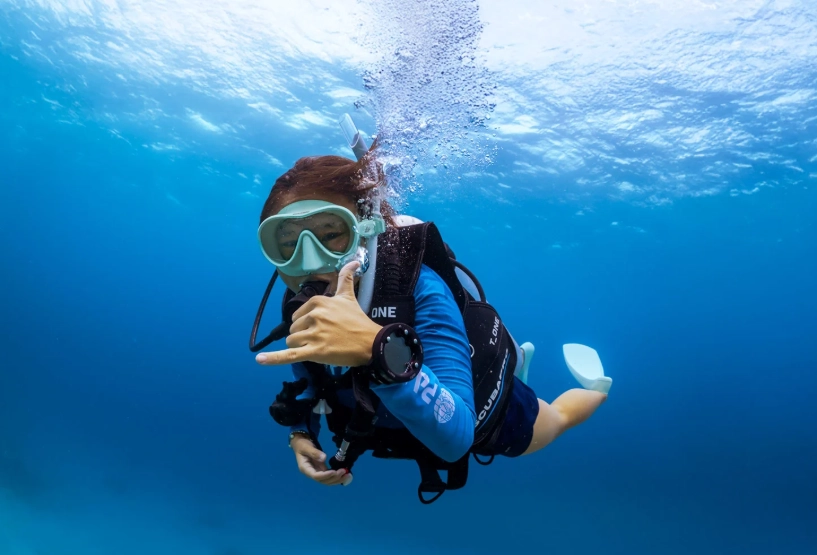
The Core Difficulty Factors: Think of these as multipliers. A dive with one factor is challenging. A dive with three or four is in the "hardest" category.
Overhead Environments
This is the big one. Any dive where you cannot ascend directly to the surface in an emergency. Caves, wrecks with penetration, and inside ice are overheads. There is no "up" until you find the way out. This single factor changes everything about dive planning, gas management, and emergency procedures. A simple freeflow becomes a life-threatening incident if you're 500 feet into a cave.
Depth
Beyond 30-40 meters (100-130 feet), things get technical. Nitrogen narcosis becomes a tangible impairment, like being drunk underwater. Gas consumption skyrockets. Decompression obligations become long and mandatory. Below 60 meters, you often need to switch from air or Nitrox to exotic mixed gases like Trimix (helium, nitrogen, oxygen) to manage narcosis and oxygen toxicity.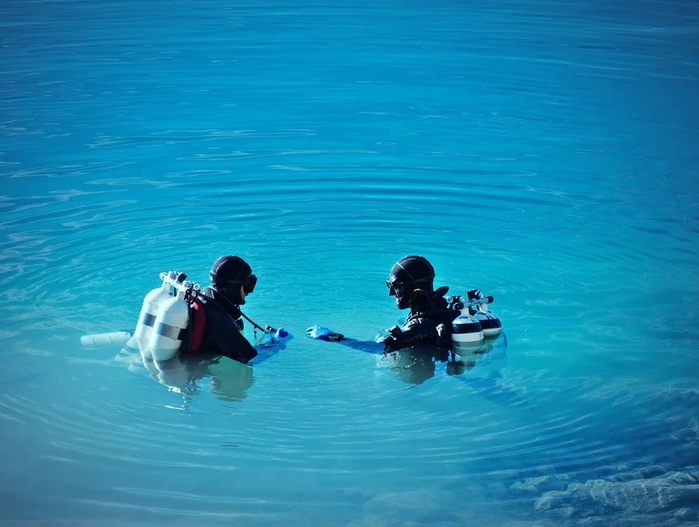
Gas Management & Decompression
Recreational divers plan to surface with gas to spare. Technical divers plan for multiple failures. They carry redundant gas supplies (double tanks, stage bottles) and calculate at least three different gas volumes: what they need to swim in, what they need to get out, and a reserve for a complete failure shared with a buddy. Miss a calculation, and you won't have the gas to complete your required decompression stops, leading to a high probability of decompression sickness (the bends).
Environmental Conditions
Near-freezing water in an ice dive, zero visibility in a silty cave, strong currents on a deep wreck, or extreme isolation. These conditions test equipment reliability and mental fortitude. Cold, in particular, degrades dexterity and thinking, making complex tasks harder.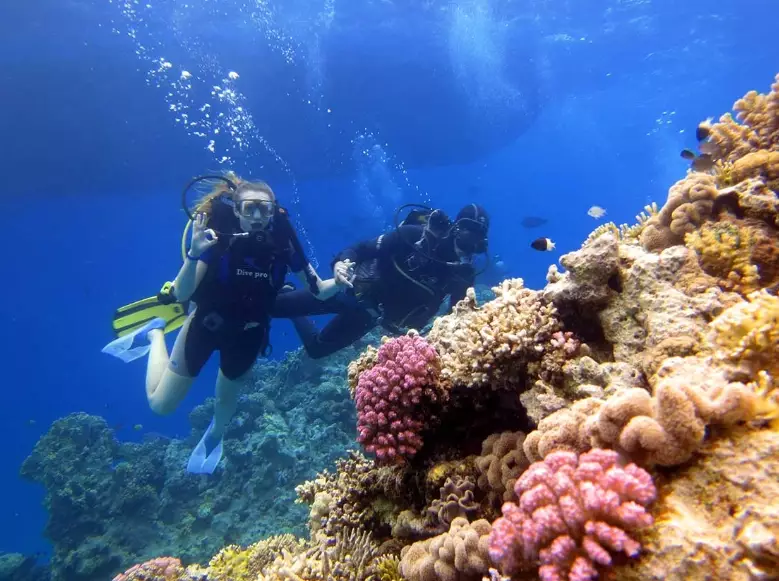
The Top Contenders for the Hardest Dive
Now, let's apply those factors. Most experts in the community would point to these three as the pinnacle of difficulty. They often combine all the factors above.
| Dive Type | Primary Difficulty Factors | Why It's So Demanding | Typical Training Progression |
|---|---|---|---|
| Cave Diving (Penetration) | Overhead Environment, Zero Visibility Risk, Complex Navigation, Long Distances | No direct ascent. Total reliance on a guideline (the "lifeline"). Silting can cause instant zero-vis. Must navigate in/out while managing gas for yourself and a potential incapacitated buddy. | Advanced Nitrox & Decompression Proc. → Cavern Diver → Intro to Cave → Full Cave Diver |
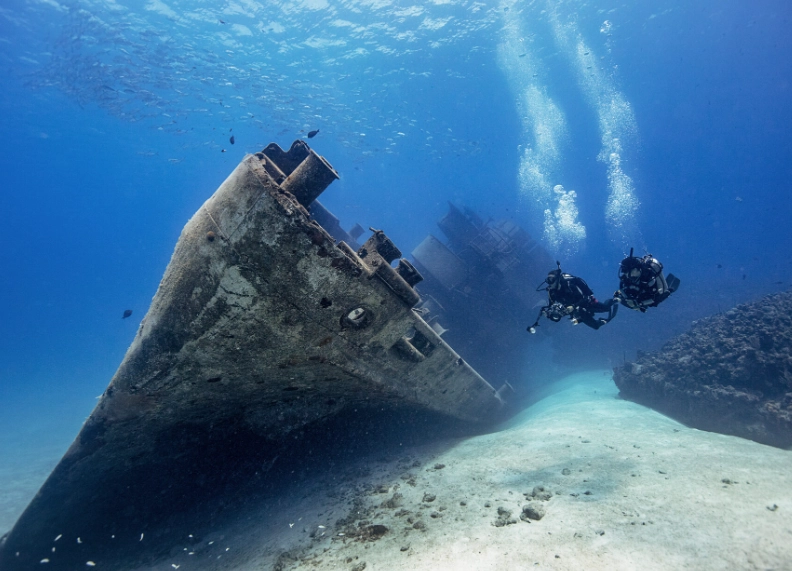
| Deep Wreck Penetration | Overhead Environment, Depth, Entanglement Hazards, Unstable Structure | Combines depth narcosis with the claustrophobia and navigation of an overhead. Wrecks are collapsing. Sharp metal, fishing lines, and silt traps everywhere. Limited access points. | Advanced Nitrox & Deco Proc. → Wreck Diver (non-penetration) → Advanced Wreck (penetration) → Often combined with Trimix training. |
| Mixed-Gas / Trimix Dives (60m+) | Extreme Depth, Complex Gas Blends, Long Decompression, Expensive Logistics | Managing multiple gas switches underwater with precision. Helium is expensive. Decompression can be hours long, often in open water. Severe penalties for breathing the wrong gas at the wrong depth. | Advanced Nitrox & Deco Proc. → Normoxic Trimix (to ~60m) → Hypoxic Trimix (60m+) |
So, which is the absolute hardest? It's subjective, but many seasoned tech divers give the nod to cave diving, particularly extensive penetration dives in systems like Florida's Eagles Nest or Mexico's Cenotes. The reason is the absolute removal of the surface as an option. On a deep wreck, if everything goes catastrophically wrong, you might—*might*—make a free ascent and risk decompression sickness. In a cave, if you lose your guideline in the silt, you will not get out. The finality of that consequence, and the perfect discipline required to mitigate it, sets it apart.
I remember my first cave dive after certification. It was a simple, large cavern. The moment my fins passed the daylight zone and I was enveloped in silent, absolute darkness with only my light beam, the psychological weight of the overhead hit me. It's not fear, but a profound respect. You are a guest in an environment that does not care if you live or die.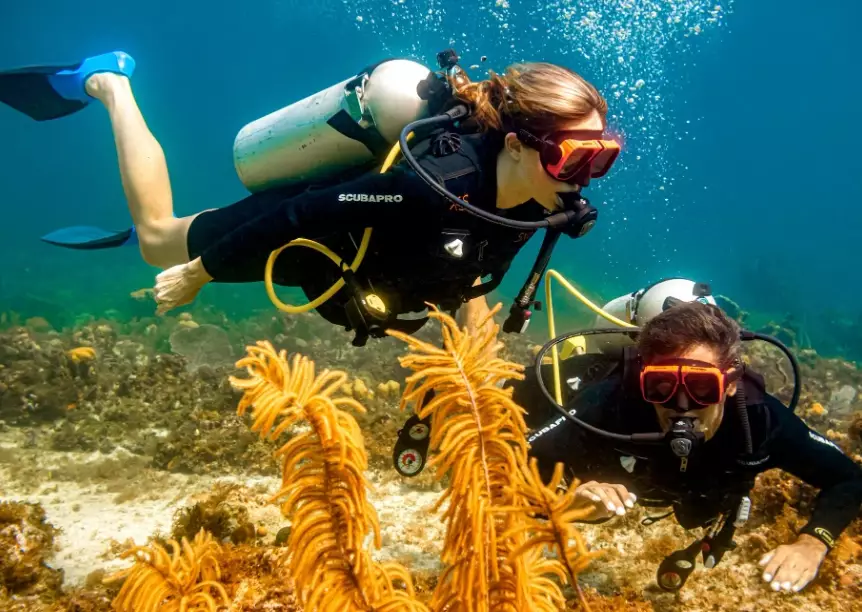
The Non-Negotiable Skills You Need
You can't buy your way into this with fancy gear. The skills are everything. And I'm not talking about the basic buoyancy you use on a reef.
- Perfect Trim and Buoyancy: You must hover motionless, horizontal, without finning. Kicking up silt in a cave or wreck destroys visibility and can kill you. This takes hundreds of hours of practice.
- Propulsion Techniques: The flutter kick is useless here. You need the frog kick, modified flutter, back kick, and helicopter turn to move without disturbing your environment.
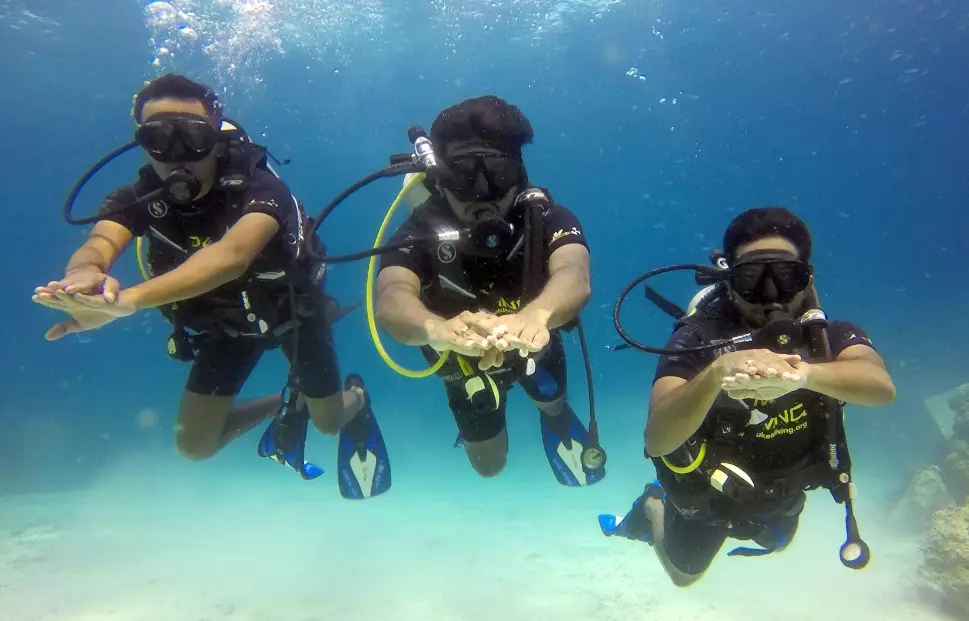
- Gas Switch Drills & Valve Drills: Shutting down a leaking regulator post and switching to a backup while maintaining position and buoyancy, all by feel. This is practiced until it's muscle memory.
- Guideline Use and Reel Work: Deploying a reel, following a line, tying off jumps and gaps, and recovering a line in zero visibility. This is the core skill of cave diving.
- Mental Calm and Problem-Solving Under Stress: When a light fails at 80 meters inside a wreck, panic is not an option. You must systematically run through solutions while monitoring time, depth, gas, and your buddy.
A common mistake new tech divers make is focusing too much on the gear—the twinset, the sidemount rig, the multiple computers. The gear is just a tool. The real investment is in the skills, and that requires coaching from a qualified instructor, not YouTube. A good instructor will fail you if your buoyancy isn't perfect. That might seem harsh, but it saves lives.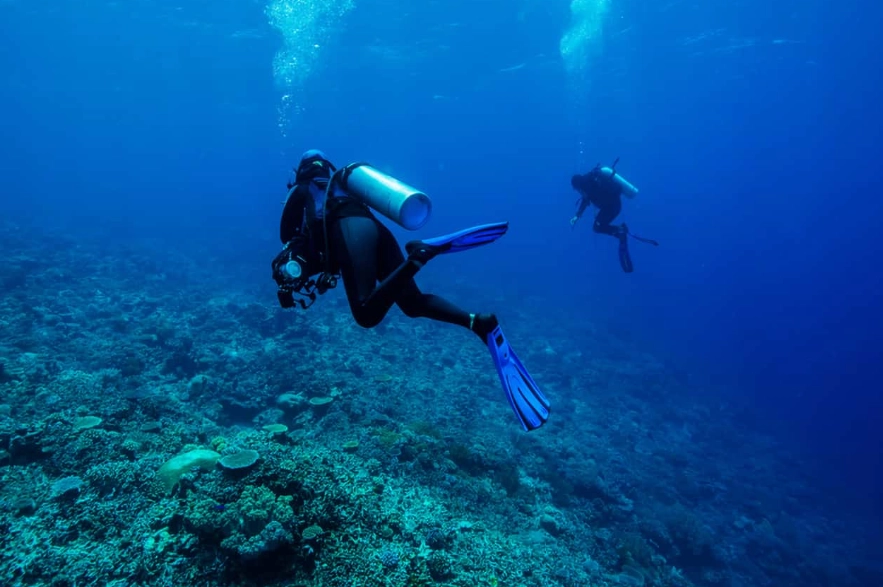
The Realistic Training Path (It's Not a Checklist)
Thinking about taking the plunge? Here’s what the journey really looks like. It's a marathon, not a sprint.
Step 1: Master Recreational Diving. Get 100+ dives in various conditions. Your buoyancy should be instinctive. If you're still struggling to stay off the bottom, you're not ready.
Step 2: The Foundation Course. This is typically Advanced Nitrox and Decompression Procedures. You'll learn to use double tanks, manage two decompression gases (like Nitrox 50 and pure Oxygen), and run dive plans with mandatory decompression stops. This course teaches you the language and procedures of technical diving.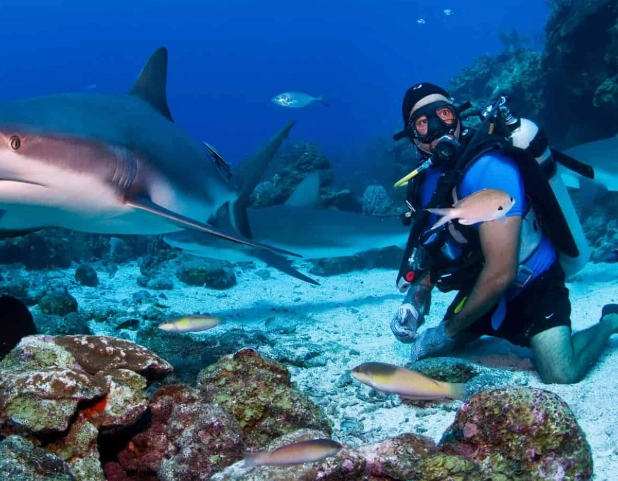
Step 3: Choose Your Path.
For Caves: Take a Cavern Diver course first. This limits you to the daylight zone. It's a taste. Then Introduction to Cave, and finally Full Cave Diver. Agencies like the National Association for Cave Diving (NACD) or the National Speleological Society Cave Diving Section (NSS-CDS) set the gold standard.
For Deep Wrecks/Mixed Gas: After the foundation, you'd move to Normoxic Trimix (dives to ~60m). The next step is Hypoxic Trimix for depths beyond. Wreck penetration skills are often integrated or taken as a separate specialty.
The Cost: Be prepared. A full cave or trimix certification path can cost several thousand dollars in training alone. Gear is another $5,000-$10,000. Then there's travel and gas costs (helium can be $300-$500 per fill).
The Time: This is not a two-week vacation course. It's months or years of local training dives in quarries or springs to hone skills before you ever see a real cave or deep wreck.
Your Technical Diving Questions Answered
Is technical diving just deeper recreational diving?
No, it's a different activity with different goals and rules. Recreational diving is about exploration and enjoyment with a large safety buffer. Technical diving is about mission-oriented exploration (e.g., mapping a cave tunnel, surveying a wreck) where the objective itself introduces risk that must be meticulously managed. The planning, gear, gas, and mindset are not simply extensions; they are redesigned for a more hostile environment.
What's the most common critical error new technical divers make?
Overconfidence in their gas planning. They calculate their turn pressure based on a perfect swim at a perfect breathing rate. They don't adequately factor in the increased consumption from task loading, stress, or fighting a slight current. The result is turning the dive later than planned, which eats into the reserve gas needed for decompression or emergencies. The rule is: plan your dive, then dive your plan. If you hit your turn pressure, you turn. No exceptions, no "just another minute." That minute could cost you an hour of required deco you don't have gas for.
Can you ever dive these hard sites recreationally?
Yes, but in a limited, supervised way. Many deep wrecks have shallow sections. Many famous caves like Mexico's Cenotes have stunning cavern zones that are accessible to recreational divers on a guided tour, staying strictly within the daylight zone and with a guide holding a permanent line. This is a fantastic way to experience the beauty of these environments safely. However, venturing beyond those clearly marked boundaries without proper training is how most cave diving fatalities occur.
How do you manage fear or claustrophobia in an overhead environment?
You don't manage it; you prevent it through training and gradual exposure. A good training path never puts you in a situation that triggers panic. You start in massive, open caverns. You practice lost-line drills in a shallow, open-water area until they're boring. By the time you're in a tight restriction, your skills are so drilled that your mind is focused on the procedure, not the walls. If you have active claustrophobia, this type of diving might not be for you, and that's a perfectly valid self-assessment. The community respects divers who know their limits more than those who ignore them.
What's one piece of gear that's absolutely critical for hard dives that recreational divers overlook?
A primary reel and spool. For recreational divers, it's a piece of specialty equipment. For overhead divers, it's your lifeline. It's how you mark your way in and find your way out. The quality of your reel, the strength of the line, and your ability to use it flawlessly are non-negotiable. Never cheap out on your primary reel, and always have at least two backup spools. It's more important than a fancy dive computer.
So, what is the hardest type of dive? It's the one that demands the most from you—mentally, physically, and in terms of skill. It's the dive where there is no room for error, where your preparation is the only thing between a successful exploration and a tragedy. Whether it's the silent labyrinth of a cave, the haunting depths of a wreck, or the narcotic haze of a deep abyss, these dives represent the frontier of underwater exploration. They are not for everyone, but for those called to them, the reward is access to a world seen by very few, earned through discipline, respect, and an unwavering commitment to the craft.

Comments