Let's be honest, walking to the edge of the pool and diving in headfirst can be intimidating. You see others do it smoothly, but when you try, it feels like you're either going to belly-flop or hit the bottom. I've taught swimming for over a decade, and the single biggest hurdle for new divers isn't skill—it's understanding the progression. You don't start with a racing dive. You start by mastering control, entry, and overcoming the instinct to protect your face. This guide walks you through the six fundamental types of dives every beginner should learn, in the right order. By the end, you'll know exactly which one to try first and how to practice safely.
What You'll Learn in This Guide
- The 6 Basic Dives for Beginners: A Quick Comparison
- The Essential Starting Point: The Standing Dive
- Building Momentum: The Running Dive
- The Low-Height Confidence Builders: Seated & Kneeling Dives
- Introducing Form: The Straight (Forward) Dive & Pike Dive
- How to Choose Your First Dive Type
- Your 4-Week Beginner Dive Practice Plan
- Your Dive Questions, Answered
The 6 Basic Dives for Beginners: A Quick Comparison
Before we dive deep into each technique, here's an overview. Think of this as your menu. You start at the top and work your way down as you gain confidence and body control.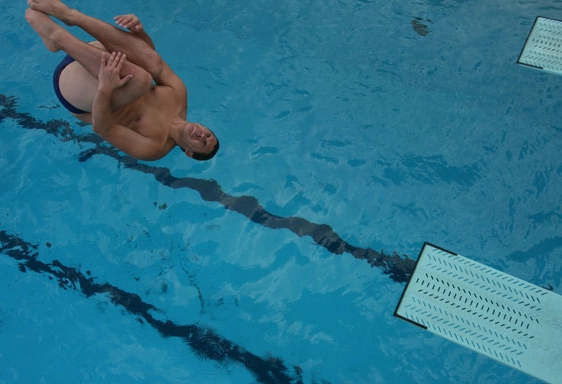
| Dive Type | Best For... | Key Focus | Common Beginner Mistake |
|---|---|---|---|
| 1. Standing Dive | Absolute beginners. Learning the basic "rock-over" motion and hand entry. | Overcoming fear, mastering a clean vertical entry. | Leaning forward and "falling" in instead of pushing up and out. |
| 2. Running Dive (Approach Dive) | Moving from a standstill to adding forward momentum. | Coordinating steps with the arm swing and take-off. | Taking a giant, final "jump" step that kills momentum. |
| 3. Seated Dive | Practicing the arm and upper body motion from a very safe, low height. | Getting the feeling of leading with the hands and following with the head. | Dropping the hands and entering head-first without arm protection. |
| 4. Kneeling Dive | Bridging the gap between seated and standing dives. | Generating a slight push from the legs while maintaining a low center of gravity. | Collapsing the chest towards the knees instead of reaching out over the water. |
| 5. Straight (Forward) Dive | Introducing a basic, streamlined body position in the air. | Keeping the body straight and taut from fingers to toes during flight. | Looking down at the water, which causes the back to arch and the legs to drop. |
| 6. Pike Dive | Learning to manipulate body position (bending at the hips). | Executing a clean pike (touching toes) and then straightening out for entry. | Bending at the knees instead of the waist, creating a sloppy, uncoordinated entry. |
Notice how the progression moves from control to momentum to form. Most guides just list these dives. Few explain why this order matters. Jumping to a running dive before you can do a solid standing dive is like trying to sprint before you can walk—you'll develop bad habits that are hard to fix, mainly a flat, painful entry.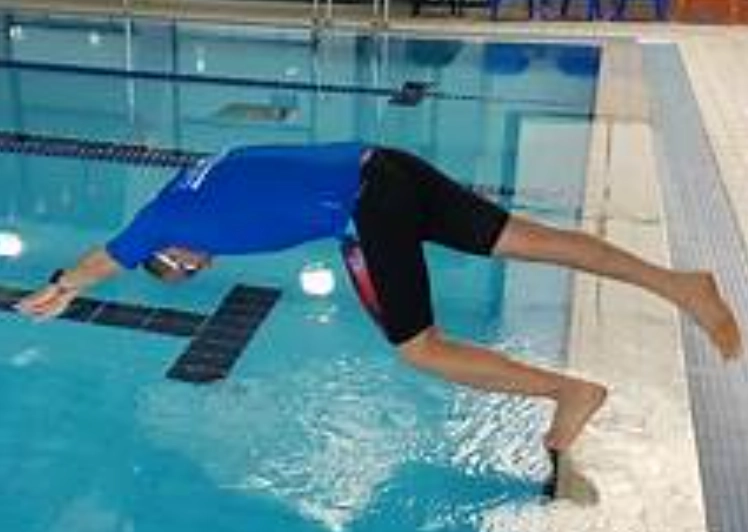
The Essential Starting Point: The Standing Dive
This is where everyone should begin. The goal isn't distance; it's a clean, vertical entry. Stand at the pool's edge, toes curled over (if allowed and safe).
Here's the step-by-step most instructors give: 1. Arms up by your ears. 2. Bend your knees. 3. Push off and reach for the water.
It's technically correct but misses the crucial mental cue. The common failure point is leaning your chest forward. You feel like you're falling, so you panic and your hands splay out.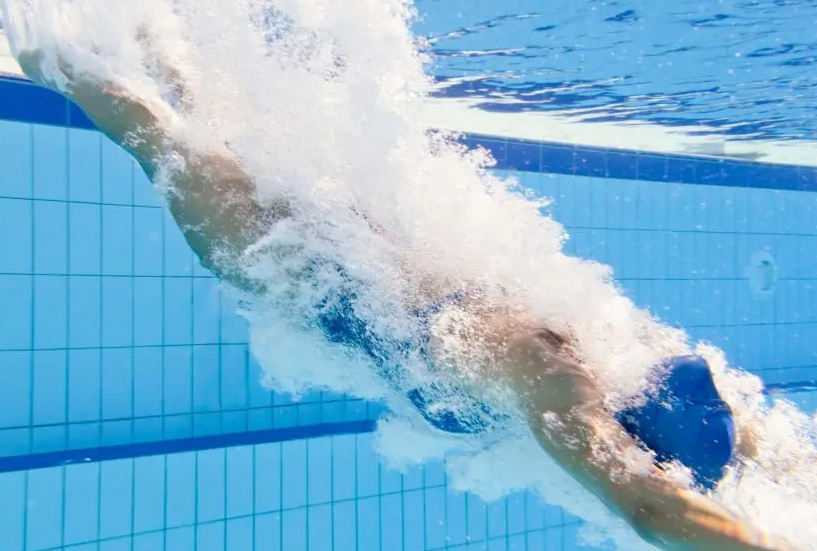
How to Perform a Standing Dive Correctly
Try this instead. Think "up and over", not "forward and down".
- Start with your arms straight up, biceps by your ears, hands together. Look forward at the far end of the pool, not down at the water.
- Bend your knees slightly. Now, the key: push through your feet to lift your hips upwards. It's a small jump. Your arms and chest should follow that upward motion.
- As you reach the peak of that little jump, then you lead with your fingertips and let your body follow in a smooth, straight line. Your head goes between your arms, looking back at your hands, not at the bottom.
This upward push is the non-consensus point. It prevents the belly flop by ensuring your body is already in a descending trajectory when you start to tip forward. Practice this on dry land first—feel the "rocking" motion from your feet to your fingertips.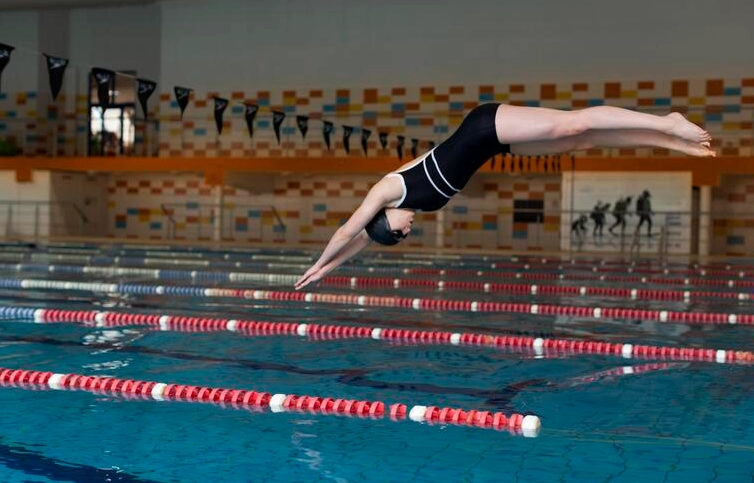
Building Momentum: The Running Dive
Once the standing dive feels controlled, you add steps. The running dive (or approach dive) is used in competitive swimming starts. The mistake I see constantly? People treat the last step like a long jump.
They take a huge, leaping final step, which stops their forward momentum dead. The result is a shallow, awkward dive where their legs drag.
The Correct Running Dive Technique
Your steps should be consistent and accelerating. The last step isn't a jump out; it's a quick step up onto the block or edge.
Here's the sequence: A few quick, accelerating steps. On the last step, you plant that foot, swing your arms forward and upward, and drive off that leg. The other leg snaps up to meet the first in the air. The motion is continuous—think of it as converting horizontal running speed into a forward-and-upward launch.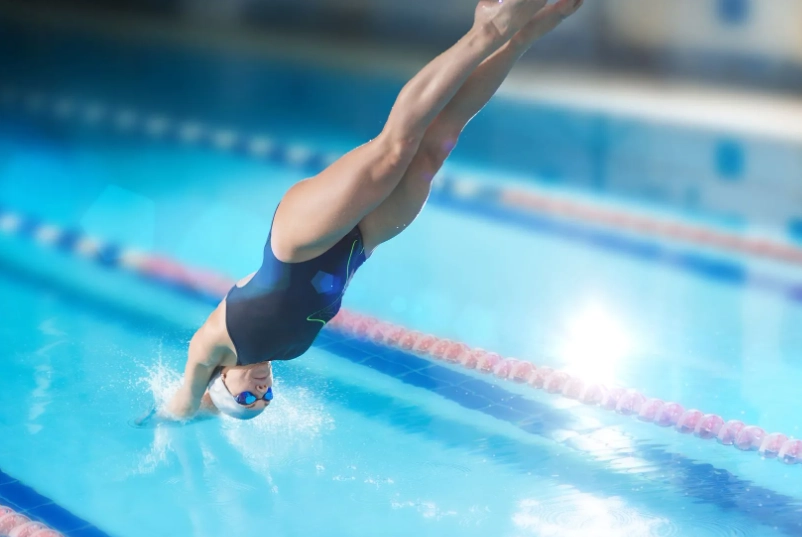
A good drill is to practice the "step-and-swing" on land. Focus on a powerful arm swing that starts from behind your hips and finishes above your head in one motion. The arm power is what many beginners underestimate.
The Low-Height Confidence Builders: Seated & Kneeling Dives
These are incredibly underrated. If the standing dive feels too scary, start here. Sit on the side of the pool, legs in the water. Place your hands together, arms straight, and simply reach forward, leading with your fingertips. Let your body follow. You're not pushing, you're reaching and tipping.
The kneeling dive is the next step. Start on one knee, with the other foot flat on the deck. Push gently with the back foot while reaching forward with your arms. This teaches you to coordinate a small leg push with the upper body motion.
The pitfall here is rushing. People try to "dive" from this position. Instead, focus on a slow, controlled entry. The goal is to get your hands in first, every single time.
Introducing Form: The Straight (Forward) Dive & Pike Dive
These are your first introductions to what people think of as "real" dives. The Straight Dive (sometimes called a Forward Dive) is simply a standing dive where you consciously keep your entire body rigid and straight from take-off to entry. No bending. The challenge is fighting the urge to look for the water, which breaks your line.
The Pike Dive adds a layer of complexity. From the take-off, you bend at the hips (not the knees!) to touch your toes or shins, then quickly straighten your body before entry. It teaches body awareness and control mid-air. The most common error is a soft, bent-knee pike. A crisp pike requires strong core and hamstring flexibility.
Don't rush to these. A sloppy straight dive is worse than a clean kneeling dive. Master the entry first, then add style.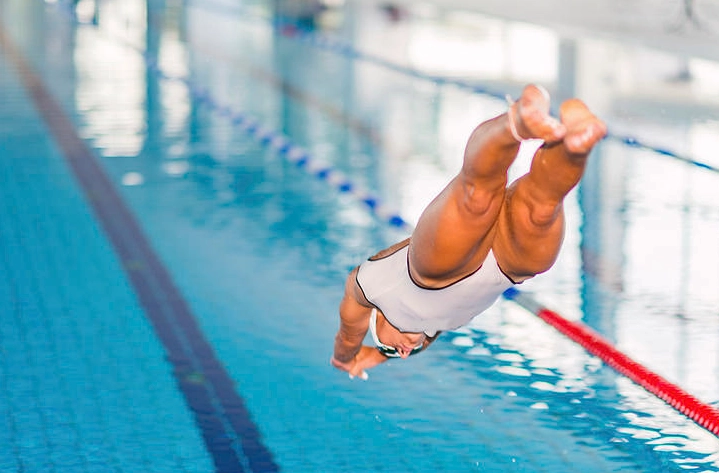
How to Choose Your First Dive Type
Don't just pick one at random. Ask yourself these questions:
- How deep is the water? If it's under 9 feet, stick to seated or kneeling dives only.
- How afraid am I? If your heart races at the thought, start seated. There's zero shame in it.
- Can I put my face in the water without panic? If not, work on that basic skill before any diving.
- What's my goal? Just for fun? Start with seated/standing. For lap swimming? You'll eventually need the running dive.
My advice for 95% of adult beginners: Start with the seated dive for one session. Get the feeling of a hand-led entry. Next session, try the kneeling dive. By the third session, attempt the standing dive. This slow build prevents fear from cementing.
Your 4-Week Beginner Dive Practice Plan
Here's a structured way to build your skills safely. Aim for 2-3 practice sessions per week.
Week 1: Foundation & Entry.
Focus: Seated and Kneeling Dives.
Drill: Do 10 seated dives per session. Focus on making the smallest splash possible with your hands. Then 5 kneeling dives. Practice the arm swing on land for 5 minutes.
Week 2: The Standing Dive.
Focus: Mastering the "up and over" motion.
Drill: 5 kneeling dives as warm-up. Then 8-10 standing dives. Have a friend watch or record you to see if your body is straight. Are your legs together? Is your entry clean?
Week 3: Adding Steps.
Focus: The Running Dive.
Drill: Practice the step-and-swing on deck. Then try a walking dive (one step). Then a two-step dive. Build up to a 3-step approach. Do 8-10 attempts per session.
Week 4: Refinement & Introduction to Form.
Focus: Straight Dive and consistency.
Drill: Do your best 5 standing dives. Then try 5 where you consciously tighten every muscle to stay straight. Finish with 5 running dives, focusing on a powerful arm swing. By now, your entries should be consistently smooth.
Your Dive Questions, Answered
The journey from hesitating at the edge to executing a clean, confident dive is about smart progression, not bravery. Start low, start slow, and focus on the quality of the entry over the style of the dive. The six types of dives outlined here are your roadmap. Pick your starting point, follow the practice plan, and pay attention to those subtle mistakes most guides don't mention. Before long, that intimidating leap will feel like the most natural way to enter the water.


Comments