Let's cut to the chase. The proper diving technique for beginners isn't about a single trick. It's a system of foundational skills that keep you safe, conserve your air, and let you actually enjoy the underwater world instead of fighting it. Forget the flashy stuff you see in videos. If you master buoyancy control, equalization, and efficient finning, you've solved 90% of the problems new divers face. I've been teaching for over a decade, and I can spot a diver who will struggle within the first five minutes of a pool session—it usually comes down to one of these core techniques being overlooked during their rush to get underwater.
What You'll Learn in This Guide
Mastering Buoyancy: Your #1 Priority
Everyone talks about buoyancy control, but most beginners think it's just about not hitting the bottom or rocketing to the surface. It's deeper than that. Perfect buoyancy is what lets you hover motionless to look at a tiny nudibranch without kicking up silt. It's what makes your air last 20 minutes longer. It's the difference between looking like a visitor and looking like you belong.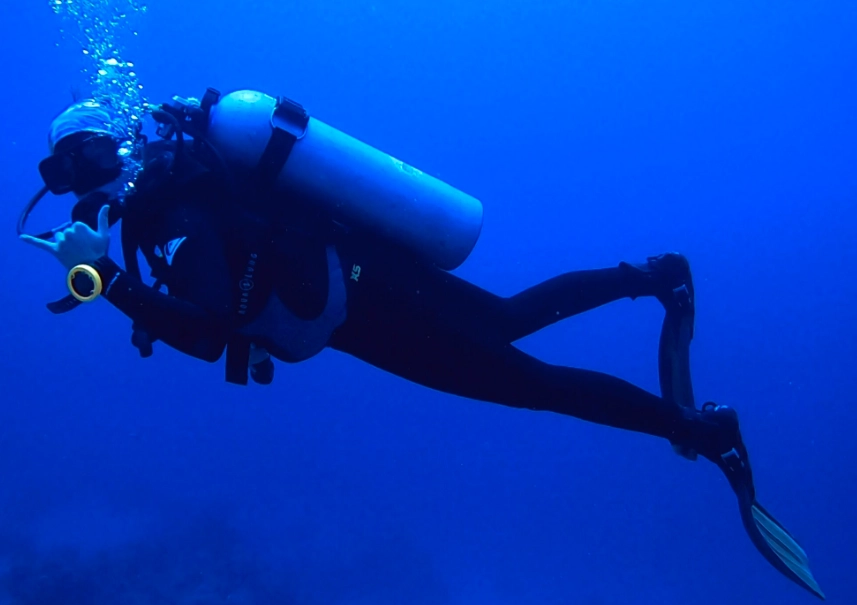
The Breath Control Method Most Instructors Don't Emphasize Enough
You'll learn to use your BCD (Buoyancy Control Device) for coarse adjustments. Fine-tuning, however, happens with your lungs. Here's the subtle error I see: new divers take huge, gulping breaths. This causes a massive rise and fall. Instead, practice taking normal, relaxed breaths. Inhale slowly—you'll rise a few inches. Exhale fully and slowly—you'll sink a few inches. Your goal is to find the breath volume where that rise and fall happens within a vertical range of about one foot. This is your neutral buoyancy zone.
Weighting: The Goldilocks Principle
You can't have good buoyancy if you're over or under-weighted. A classic beginner mistake is carrying too much lead “just to be safe.” Here's a simple check you should do at the start of every dive, even if you've dived the same gear before:
- At the surface, with your BCD completely deflated, hold a normal breath.
- You should float at eye level.
- Exhale fully—you should slowly sink.
If you sink immediately when you exhale, you're likely overweighted. That extra weight means you have to put more air in your BCD at depth, which expands and contracts more with depth changes, making you less stable. It's a vicious cycle.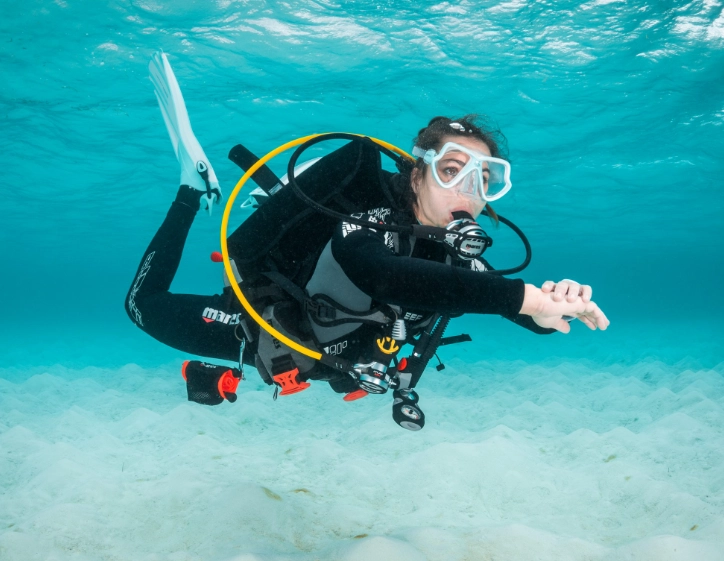
How to Equalize Pressure (The Right Way)
Equalizing isn't optional. Fail to do it, and you risk a burst eardrum. The standard advice is “equalize early and often.” That's good, but incomplete.
Beyond the Valsalva Maneuver
Most courses teach the Valsalva maneuver: pinch your nose and gently blow. It works, but it only activates muscles at the back of your nasal passages. For people who struggle, I teach the Frenzel maneuver. Here’s the difference:
| Technique | How It Works | Best For |
|---|---|---|
| Valsalva | Pinch nose, close mouth, gently blow to push air from lungs to ears. | Most people, easy to learn. |
| Frenzel | Pinch nose, close mouth, use the back of your tongue (like saying a hard 'K' sound) to compress air in the throat. | Divers who struggle with Valsalva, allows equalization without lung pressure. |
| Toynbee | Pinch nose and swallow. | Frequent, gentle equalization during descent. |
Practice the Frenzel on land first. Make the “kuh” sound with your mouth closed and nose pinched. Feel the pressure in your ears? That's it.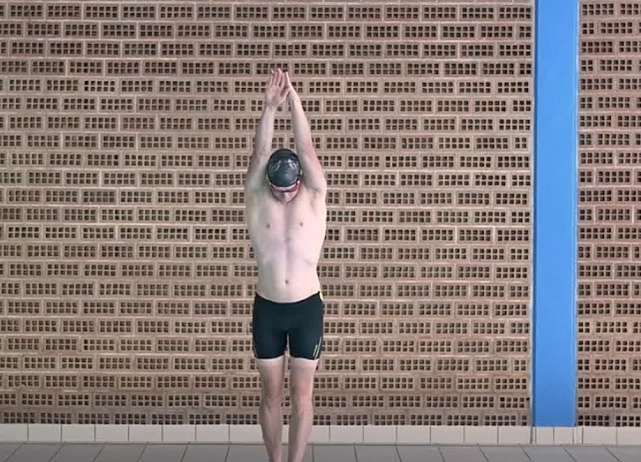
Finning Techniques That Save Energy
Watching a new diver flutter kick like they're in a 100m sprint is exhausting. Bad finning technique burns air, stirs up sediment, and tires you out.
The Flutter Kick (Modified)
The basic kick isn't wrong, but it's often done wrong. The power comes from your hips and core, not your knees. Imagine your legs are almost straight, with just a slight bend at the knee. Your fins should travel about 12-18 inches up and down. A tiny, fast kick from the knees does nothing but create bubbles and burn energy.
The Frog Kick: Your Secret Weapon
I introduce the frog kick to beginners on their second or third open water dive. Why? Because it's more efficient for cruising and it keeps silt off the reef. The motion comes from drawing your heels back towards your hips, then snapping your fins out and back together in a circular motion. It propels you forward without directing water down onto the seabed. It feels weird at first, but once you get it, you'll use it 80% of the time.
Here's a drill: In the pool or over a sandy patch, try to move forward without disturbing the bottom. The flutter kick will almost always kick up sand. The frog kick, when done correctly, won't.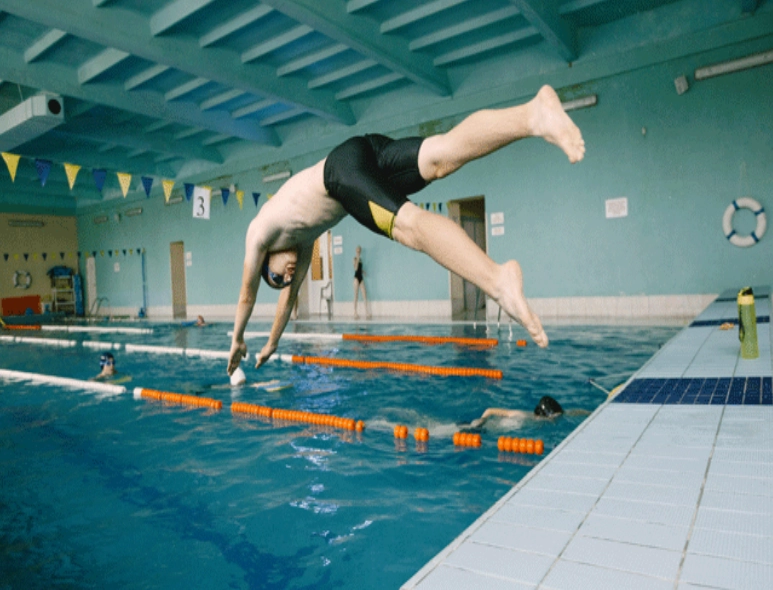
The Non-Negotiable Pre-Dive Checklist
Technique starts before you get wet. A rushed setup leads to a chaotic dive. Run through this with your buddy every single time. I use the acronym BWRAF (Buoyancy, Weights, Releases, Air, Final OK), but let's make it concrete:
- BCD Inflate/Deflate: Does the power inflator work? Does the oral inflator work? Do all dump valves open and close?
- Weight System: Can you ditch your weights with one hand? Is the weight pocket or belt secure but accessible?
- Releases: Practice opening your chest clip and waistband. Can you do it quickly?
- Air: Turn your tank on. Check your pressure gauge. Take two breaths from your regulator. Check your buddy's air pressure and give them the OK sign.
- Final Look: Look behind you. Is your hose tucked? Is your computer on? Do a final 360 for anything dangling. Then the final OK.
This takes 90 seconds. It prevents 90% of gear-related issues.
Common Beginner Mistakes & How to Fix Them
Let's get specific about the fumbles I see every season.
Mistake 1: The Death Grip on the Inflator Hose. You see it all the time—a diver constantly adding and dumping tiny bursts of air, hand permanently glued to the hose. Your BCD isn't a video game controller. Make an adjustment, then let go. Your breathing should handle the micro-adjustments.
Mistake 2: Not Looking Where You're Going. Divers get fixated on a fish or their computer and swim straight into a coral head or their buddy. Every 10-15 seconds, glance up and around. Maintain situational awareness.
Mistake 3: Fighting Currents Head-On. If you hit a mild current, don't start kicking furiously. Streamline your body (arms close, legs straight), reduce your profile, and use a slow, powerful kick. If it's strong, descend—currents are often weaker near the bottom. Or, end the dive. Pride has no place underwater.
Your Diving Technique Questions Answered
Mastering these proper diving techniques isn't about passing a course. It's about building muscle memory and habits that become second nature. Start in the pool, practice over sand, and be patient with yourself. The underwater world isn't going anywhere. Getting there safely and skillfully is the entire point.


Comments