You see pictures of clear blue water, coral reefs, and maybe a shipwreck. You think, "I want to do that." But then you start looking into it, and the options are overwhelming. Scuba? Freediving? Tech diving? It's not one single hobby. The underwater world has three primary categories, and picking the right one isn't just about preference—it's about your goals, your personality, and frankly, your wallet. Getting this choice wrong can mean wasted money, frustration, or even unnecessary risk. Let's cut through the noise. The three main types of diving are Recreational Scuba Diving, Technical Diving, and Freediving (Apnea). Think of them as different sports that happen to share the same medium: water.
Your Quick Guide to the 3 Diving Worlds
What is Recreational Diving?
This is the gateway. Over 90% of certified divers are here. Recreational scuba is governed by a simple rule: you must be able to make a direct, uninterrupted ascent to the surface at any time. This limits your depth (typically to 18-40 meters, depending on certification) and keeps you away from overhead environments like caves for extended periods.
The training, through agencies like PADI or SSI, focuses on safety, buoyancy control, and basic problem-solving. You learn in a pool, then do four open water dives. The whole thing can be done in a long weekend. The goal is fun, sightseeing, and relaxation.
Getting Started & What to Expect
You'll need an Open Water Diver certification. Cost varies globally, but expect $350-$600 USD. This includes manual, rental gear, and instruction. The course is not physically grueling, but you must be comfortable in the water. After that, a typical two-tank boat dive trip costs $80-$150. Gear is a big investment—a decent setup (BCD, regulator, computer, wetsuit) starts around $1500-$2000 new, but the rental market is robust for beginners.
It's perfect for tropical vacations, underwater photography beginners, and people who want a social activity. The community is huge and welcoming.
What is Technical Diving?
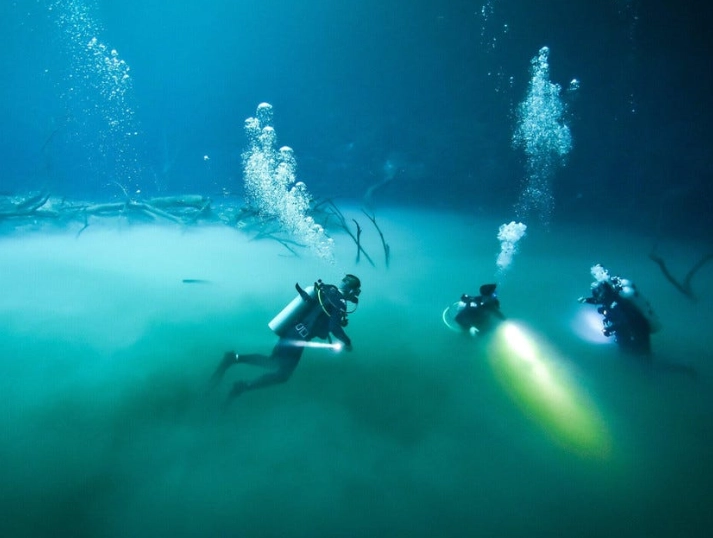
Tech diving is the engineering wing of the underwater world. It's about deliberately going beyond recreational limits: deeper (beyond 40m), into caves, inside wrecks where there's no direct ascent, or using complex gas mixtures like trimix (helium, nitrogen, oxygen) to manage deep diving physics.
The core principle is redundancy. Everything is doubled or tripled. Two tanks, two regulators, multiple computers, detailed pre-planned schedules. It's meticulous, equipment-intensive, and mentally demanding. Agencies like TDI/SDI and GUE set the standards. This is not an extension of a recreational course; it's a different mindset entirely.
The Hidden Cost (Beyond Money)
Yes, gear can hit $10,000 easily. Training from entry-level tech (like TDI Intro to Tech) through to advanced trimix can cost thousands more. But the bigger cost is time and mental energy. Dive planning can take hours. Gas management calculations are non-negotiable. A single deep dive might require multiple staged tanks, placed on a line days before. The reward? Accessing history (deep wrecks like the SS Thistlegorm in Egypt), pristine deep reefs, or the silent, alien beauty of a cave system. It's for the problem-solver, the detail-obsessed, the explorer.
Here's a subtle error I see: recreational divers moving to tech often bring a "more is better" gear attitude. They bolt on every gadget. An experienced tech diver pares down to exactly what's needed for the dive plan. Clean lines, no danglies. Complexity in planning, simplicity in execution.
What is Freediving?
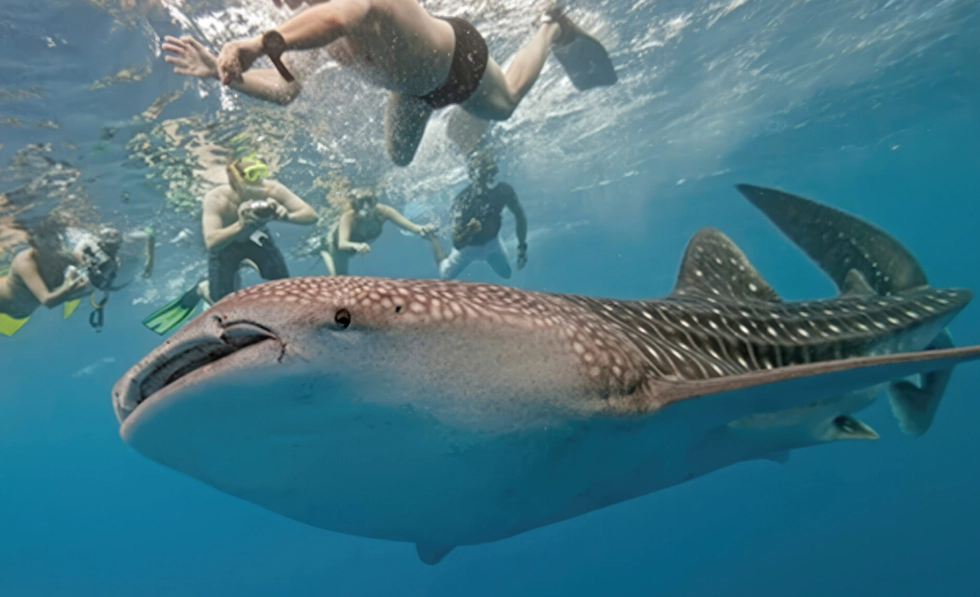
Freediving is the art of diving on a single breath. No tanks, no bubbles—just you, a mask, fins, and your own physiology. It's the oldest and most intimate form of diving. While competitive freedivers chase depth records (over 200 meters!), the recreational side is about tranquility, connection with marine life, and personal challenge.
Training with organizations like AIDA or Molchanovs focuses on breath-hold techniques, safety (the critical role of the buddy), and understanding your body's signals. It's surprisingly meditative. The learning curve is steep in terms of technique, but the barrier to entry is low—you can start in a local pool.
Why It's More Than Just Holding Your Breath
Many think freediving is just about lung capacity. It's not. It's about relaxation. Tensing up burns oxygen. A good freediver's heart rate drops dramatically before a dive. The equipment is minimalist but specialized: long, flexible fins (often carbon fiber), low-volume masks, and specific wetsuits. It's also incredibly affordable compared to scuba. A full course might be $300-$500, and your basic gear kit is under $1000.
The vibe is different. It's quiet. Fish are less startled. You move with a fluid efficiency. It's for the yogi, the spearfisher, the person who finds scuba gear clunky. But respect the discipline—it has real risks (like shallow water blackout) that make proper training and never diving alone absolutely non-negotiable.
Side-by-Side Comparison
| Aspect | Recreational Scuba | Technical Diving | Freediving |
|---|---|---|---|
| Primary Goal | Sightseeing, leisure, photography | Exploration, accessing extreme sites | Meditation, connection, personal limits |
| Core Equipment | Tank, BCD, regulator, computer | Double tanks, redundant regs, multiple gases, scooters | Mask, snorkel, long fins, wetsuit, weight belt |
| Typical Depth Range | Up to 18-40m (certification dependent) | 40m to 100m+ | 5m to 30m (recreational) |
| Training Focus | Safety procedures, buoyancy, basic skills | Complex planning, gas management, failure protocols | Breath-hold technique, relaxation, safety & rescue |
| Time Underwater | 30-60 minutes per tank | Can be hours via staged decompression | 45 seconds to 3+ minutes per dive |
| Approx. Startup Cost (Training + Gear) | $2,000 - $3,000 | $8,000 - $15,000+ | $800 - $1,500 |
| Community Vibe | Large, social, vacation-oriented | Small, focused, mission-driven | Mix of spiritual and athletic |
How to Choose Your Diving Path
Don't start by picking a type. Start by asking yourself questions.
What's your budget look like? If funds are tight, freediving is the clear winner. Recreational scuba is a moderate investment. Tech diving is a serious financial commitment.
What's your personality? Are you a gadget person who loves procedures and planning? Tech diving might call. Do you value simplicity and a direct connection to the water? Look at freediving. Do you want a low-stress activity to enjoy on holiday with friends? Recreational scuba is your lane.
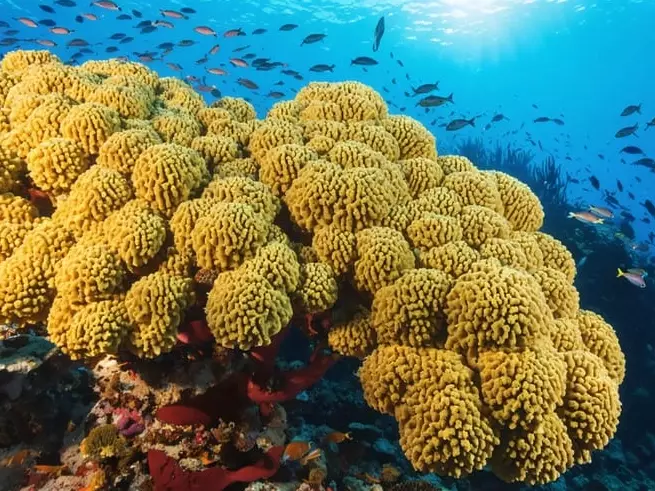
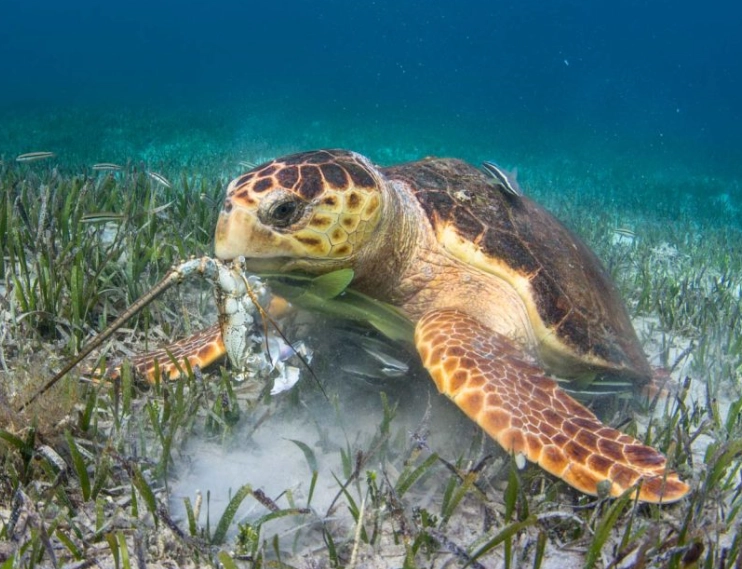
What do you want to see? Coral reefs and sea turtles? Recreational is perfect. Deep wrecks or caves? That's tech. Interacting closely with pelagic fish or exploring reefs quietly? Freediving excels.
My advice? Try a Discover Scuba Diving experience (a pool/confined water try-out) and a freediving introductory session in a pool. The contrast in feeling will tell you more than any article. Tech diving requires a solid recreational foundation first, so that comes later.
Your Diving Questions Answered
I already have my Open Water certification. Should I go for Advanced Open Water or start looking into freediving or tech?
Is freediving safer than scuba diving?
I see tech divers with massive, complex gear. As a recreational diver, what's one simple thing I can learn from them?
Can I mix these types? For example, freedive on one day and scuba the next?
What's the biggest misconception beginners have about choosing a diving type?
Comments