The underwater world calls, but not all dives are the same. Understanding the different types of diving is your first step towards choosing the right adventure. It's the difference between a peaceful coral garden stroll and a heart-pounding descent into a sunken warship.
I've seen too many divers get their basic certification and immediately want to chase the most extreme profiles. That's a fast track to a bad experience, or worse. This guide will map out the entire diving landscape, from the accessible to the elite, so you can match your skills and curiosity to the perfect underwater experience.
What's in This Guide?
What is Recreational Diving and Who is it For?
Recreational diving is the umbrella term for any diving done within no-decompression limits, typically to a maximum depth of 30-40 meters (98-130 feet), depending on your certification level. It's where 95% of divers live. The goal is fun, exploration, and photography, not extreme depth or penetration.
The core certification here is the Open Water Diver, offered by agencies like PADI or SSI. This is your passport. But within recreation, styles vary wildly.
Popular Recreational Diving Styles
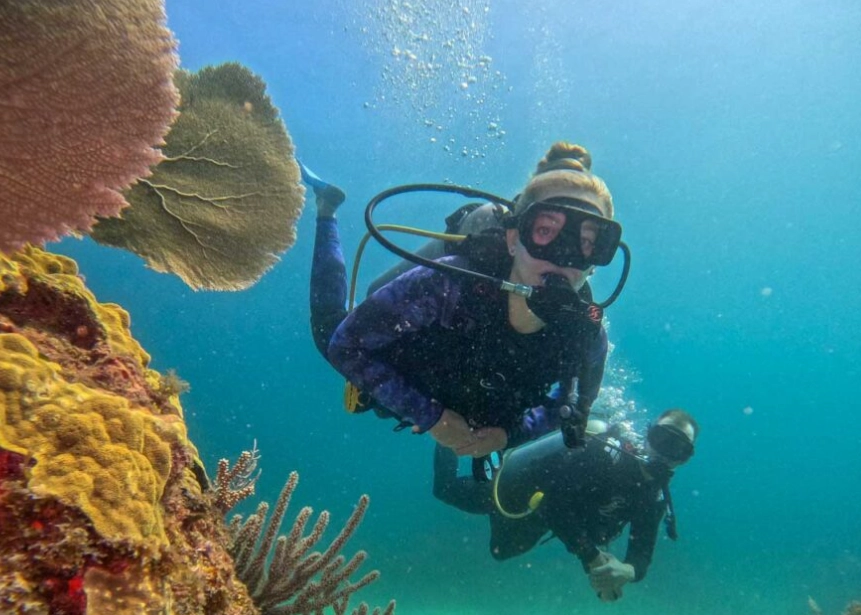
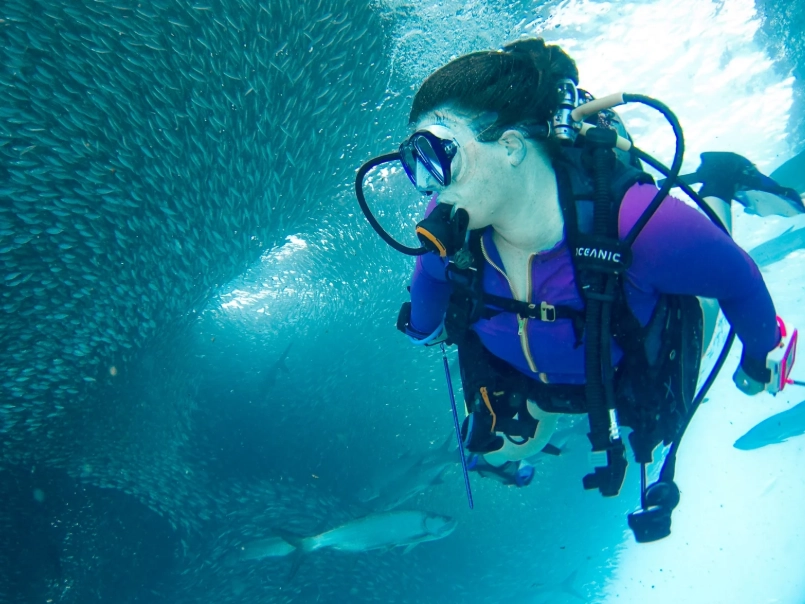
Open Water / Reef Diving: The classic. You boat out to a reef, descend, and swim around looking at fish and corals. Destinations like the Great Barrier Reef, the Red Sea, or the Caribbean are built on this. It's accessible, beautiful, and the perfect start.
Night Diving: The same reef, but a different planet. You need a primary and backup torch. Creatures you never see during the day come out. Parrotfish sleeping in mucus cocoons, hunting octopuses, bioluminescent plankton. It requires a bit more training, usually a specialty course, but it's a game-changer.
\nDrift Diving: You let the current carry you. Minimal kicking, maximum scenery coverage. Places like Cozumel, Mexico, or the currents of Palau are famous for this. It's relaxing but requires good buoyancy control and situational awareness—you can't swim back against a strong current. Your boat follows your surface marker buoy (SMB).
Wreck Diving (Recreational Penetration): This is where it gets spicy. We're talking about swimming around the outside of a wreck or making limited, safe penetrations where light from the entry point is always visible (the "swim-through"). The SS Yongala in Australia or the wrecks of Chuuk Lagoon offer incredible marine life and history. This is a major user pain point—many want to do it but don't know the rules. Never penetrate a wreck without proper training. Sediment can explode inside, disorienting you in seconds.
The Thrill and Risk of Technical Diving
Technical diving deliberately exceeds the boundaries of recreational diving. It involves planned decompression stops, diving beyond 40 meters, entering overhead environments with no direct vertical access to the surface (like caves), or using gas mixes other than air (like Nitrox, Trimix).
This isn't about casual fun; it's a discipline. The training is rigorous, the gear doubles or triples, and the mindset is one of meticulous planning and self-reliance. Agencies like TDI or GUE are leaders here.
| Technical Diving Type | Key Characteristics | Typical Gear Additions | Required Mindset |
|---|---|---|---|
| Deep Diving (40m+) | Using Trimix (Helium mix) to avoid nitrogen narcosis ("rapture of the deep"). Mandatory decompression stops. | Multiple stage/deco cylinders, redundant regulators, dive computers. | Calm under pressure (literally), excellent gas management. |
| Cave Diving | Exploring submerged cave systems. Zero ambient light potential, silty environments. | Primary and backup guideline reels, multiple powerful lights, redundant everything. | Systematic, procedural, mentally prepared for zero-visibility exits. |
| Wreck Diving (Full Penetration) | Swimming deep inside a wreck, past the light zone, through multiple compartments. | Guideline reels, backup lights, cutting tools, often side-mount configuration. | Same as cave diving—this is an overhead environment. Respect for the site as a grave. |
| Rebreather Diving | Using a closed-circuit device that recycles exhaled gas, removing CO2 and adding O2. Allows for silent, long-duration dives. | The rebreather unit itself (e.g., JJ-CCR, Megalodon), extensive electronics monitoring. | Technically adept, vigilant about monitoring multiple displays and scrubber duration. |
I took my first technical diving course a decade ago. The biggest shock wasn't the depth; it was the shift in psychology. In recreational diving, your buddy is your primary backup. In tech diving, you are your own primary backup. You plan for your buddy's failure, not just your own. It's a humbling and empowering feeling.
Specialty & Niche Diving Styles
These don't always fit neatly into recreational or technical boxes. They're defined by their unique environment or purpose.
Freediving (Apnea Diving): Diving on a single breath of air. No tanks. It's about meditation, efficiency of movement, and connecting with marine life without bubbles scaring them away. Organizations like AIDA and Molchanovs offer certifications. It's incredibly accessible but demands respect for blackout risks. You always dive with a competent buddy.
Ice Diving: Diving under a solid ice sheet. You enter through a hole cut in the ice. The world is silent, and the light is surreal. It's technically an overhead environment, so it's often taught as a technical or overhead specialty. You're tethered to a surface tender for safety. Drysuits are non-negotiable. Try it in places like Lake Superior or the frozen lakes of Switzerland.
Search and Recovery / Public Safety Diving: This is work, not play. Divers are trained in zero-visibility conditions, using systematic search patterns and handling evidence or objects. It's mentally taxing and physically demanding. Most practitioners are affiliated with law enforcement or fire departments.
Scientific Diving: Conducting research underwater. This could involve archaeology, marine biology, or geology. Divers often use standard recreational gear but follow scientific protocols and dive plans approved by institutions like the American Academy of Underwater Sciences (AAUS).
How to Choose Your Next Dive Type
Don't just pick the coolest-sounding one. Be honest with yourself.
Assess Your Skills & Comfort: Are you confident in your buoyancy? Can you deploy a surface marker buoy (SMB) reliably? If not, master these before night or drift diving. A shaky diver in a current is a liability.
Match the Dive to the Location: Want to see big pelagics? Look for blue water or drift dives off oceanic pinnacles. Fascinated by history? Seek out wreck-rich areas like the North Carolina coast or Malta. Love macro life? Muck diving in Indonesia (like Lembeh Strait) is your heaven.
Consider the Investment: Recreational diving needs basic gear (mask, fins, computer) and boat fees. Technical diving needs doubles, wings, multiple regs, and extensive training. A full cave diving course can cost thousands. Start with the foundation and build logically.
My advice? After your Open Water, do the Advanced Open Water course. It's a sampler platter. You'll try deep diving, navigation, and usually three other specialties (like night or wreck). It's the best way to discover what truly excites you without committing to a full specialty course right away.
Your Diving Questions Answered
I get seasick easily. Which type of diving should I avoid or prioritize?
Definitely give drift diving a second thought, as you'll be on a moving boat and then drifting in a current—double the motion. Wreck diving on shallow, coastal wrecks can often be calmer. The best bet is shore diving. Many incredible dive sites, especially in places like Bonaire or the Mediterranean, are accessed directly from the beach. You walk in, no boat needed. Look for destinations known for their shore diving infrastructure.
Is Nitrox diving considered a different type of diving?
Not a different type, but a different tool. Enriched Air Nitrox (EANx) has more oxygen and less nitrogen than air. This means you can have longer no-decompression limits at recreational depths (say, 18-30 meters), which is fantastic for multi-dive days on a liveaboard or for underwater photographers who want more bottom time. It requires a separate certification to learn how to analyze your tank and manage oxygen exposure. It's a smart next step after your Advanced course.
What's the one piece of advice you'd give someone moving from recreational to technical diving?
Forget about the destination for a while. In tech training, the dive itself is the skill practice. You'll spend entire dives at 6 meters in a quarry, practicing valve drills and gas switches until they're muscle memory. The mindset shift from "dive for fun" to "dive to execute a plan perfectly" is the biggest hurdle. Find an instructor known for being a drill sergeant, not a tour guide. It might be less fun in the moment, but it builds the discipline that keeps you safe when you finally do reach that deep wreck.
I love the idea of cave diving but it terrifies me. How do I know if I'm cut out for it?
The fear is healthy—it means you respect the environment. The training is designed to systematically replace that fear with competence and procedures. Start with a Cavern Diver course. It keeps you within the daylight zone, teaching you the core skills (line use, buoyancy, communication) without the full commitment. If you enjoy the precision and focus of cavern diving, then consider the full cave progression. If you find it claustrophobic or tedious, you'll know it's not for you, and that's a perfectly valid outcome. Not everyone needs to be a cave diver.
The world beneath the waves is vast and varied. There's a type of diving for every personality, from the laid-back observer to the precision-obsessed explorer. Start with the foundation, build your skills honestly, and let your curiosity—tempered with training—guide you to your next underwater adventure.
Comments