Let's be honest, scuba diving is an expensive hobby. A brand new set of gear can easily run you over two thousand dollars. That's why a lot of divers, from beginners trying to get their first kit to seasoned pros looking for a backup regulator, turn to the used market. I've been diving for over a decade, and I've bought and sold more used gear than I can count—some great deals, and a few I regret. This guide isn't just a dry list; it's your roadmap to navigating the world of second-hand scuba equipment safely and smartly.
What's Inside This Guide
Why Consider Used Diving Equipment?
The main draw is obvious: cost. You can often get high-quality gear for 30% to 60% off the retail price. But it's not just about saving money.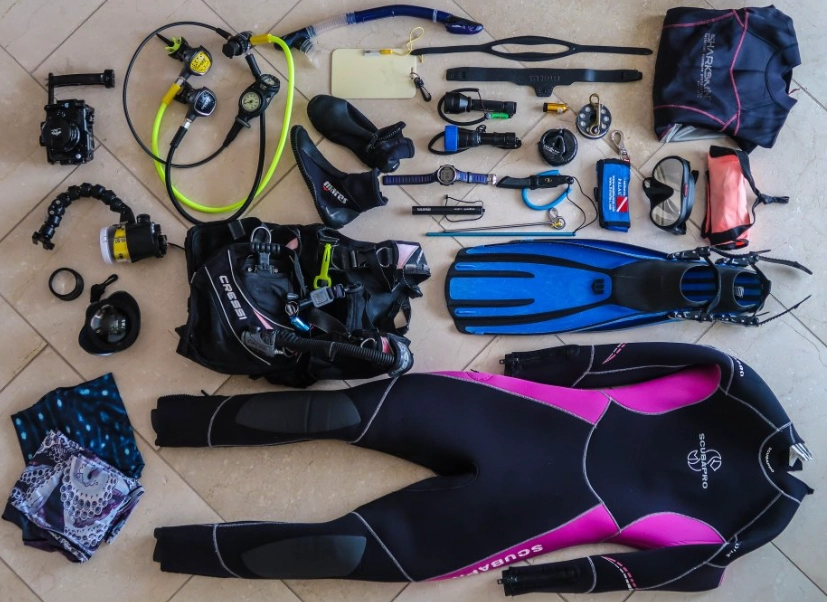
For new divers, it lowers the barrier to entry. Instead of committing to a full-price BCD you might outgrow, you can try a used model. For experienced divers, it's a way to access discontinued models they love or pick up specialized gear for a specific type of diving—like a sidemount rig or a drysuit—without the new-gear premium.
There's also a sustainability angle. Good scuba gear is built to last decades. Buying used keeps functional equipment out of landfills and extends its life cycle, which aligns with the conservation ethos many divers hold.
The Non-Negotiable Pre-Purchase Checklist
Before you even look at a specific piece of used diving equipment, run through this list. Missing any of these is a red flag.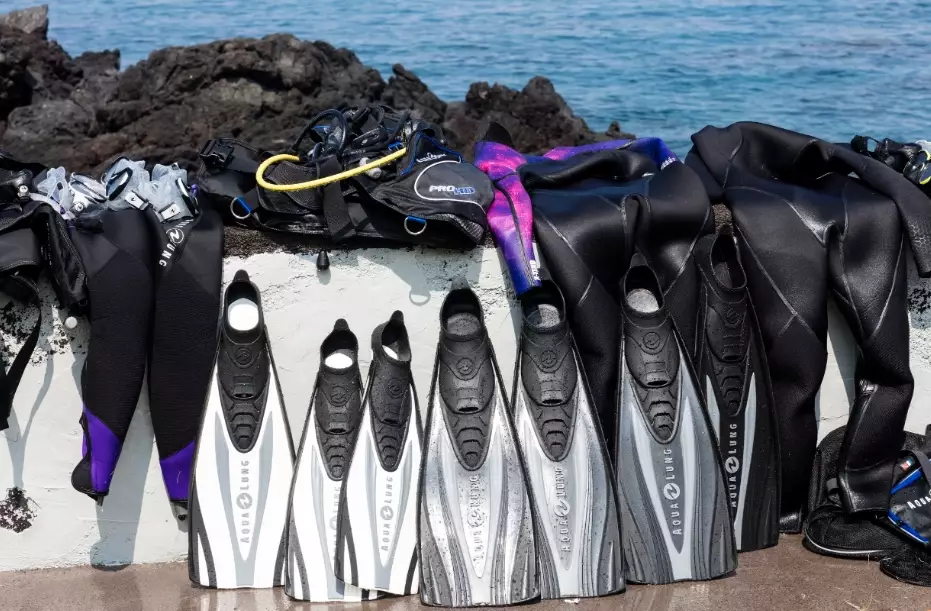
Service History is King
For life-support equipment—regulators and buoyancy compensators (BCDs)—this is non-negotiable. Ask for service records. A regulator serviced 13 months ago is a better bet than one serviced "a few years back." Most manufacturers recommend annual service. No records? Factor in an immediate $150-$250 service cost into your offer price, and assume you'll need it done before diving.
Visual and Physical Inspection
You need to see and touch the gear. For online purchases, demand high-resolution photos of every angle, especially any potential damage.
- Plastics and Rubber: Look for cracks, deep UV fading (brittleness), and sticky residue. Silicone mouthpieces degrade and get gummy.
- Metals: Check for corrosion, especially on tank valves (threads!), regulator first stages, and buckle mechanisms. Green or white powdery substance is bad news.
- Stitching and Seams: On BCDs, drysuits, and wetsuits, inspect every seam. Pull gently on straps. Fraying or loose threads can lead to failure.
Function Test (When Possible)
If you're meeting in person, test it. For a BCD, inflate it fully and leave it for 15 minutes. Listen and feel for leaks. Manually pull on the dump valves. For a regulator, if the seller has a tank, ask for a breathing test. It should breathe smoothly without any "cracking" resistance or freeflow. Never pressure test a cylinder yourself—leave that to a professional shop.
The Complete Used Diving Equipment List
Here's a breakdown of each core piece of gear, what to look for, and where you can often find the best value. I've ranked them by my personal recommendation on how "safe" they are to buy used.
| Gear Item | Buy Used? (Rating) | Key Inspection Points | Potential Value |
|---|---|---|---|
| Mask, Snorkel, Fins | Excellent | Mask skirt for tears/pliability, fin straps/buckles, foot pocket integrity. Sanitize thoroughly. | High. Simple items with little to go wrong. Great for first kit. |
| Wetsuit / Drysuit | Good (with Caution) | Neoprene tears/compression, zipper function, seam glue (drysuits: pressure test MUST). Fit is critical. | Medium-High. Expensive new, but fit is personal. Try on. |
| Buoyancy Compensator (BCD) | Good | Inflator/deflator function, bladder leaks, strap/ buckle corrosion, overall cleanliness (smell!). | High. Robust design. Recent models with minimal features are great deals. |
| Regulator | Conditional | SERVICE HISTORY. Hose condition, mouthpiece, first stage corrosion. Assume need for service. | Medium. Best for known brands where parts are available. Avoid obscure/old models. |
| Dive Computer | Conditional | Battery life/change history, screen scratches, button function. Ensure it's not obsolete. | Medium. Technology dates quickly, but a 2-3 year old model can be a steal. |
| Scuba Tank | Risky | VISUAL INSPECTION (VIP) & HYDROSTATIC TEST DATE. Must be current. Look for external damage. | Low. Heavy to ship. Test costs add up. Best bought locally from a shop. |
Where to Buy Used Scuba Gear Safely
Location matters as much as the gear itself.
Local Dive Shop (LDS) Consignment: This is my top recommendation, especially for beginners. The shop has usually vetted the gear, they handle the transaction, and you can inspect it in person. You're also supporting a local business. Prices might be slightly higher than a private sale, but the security is worth it.
Reputable Online Forums & Communities: Places like ScubaBoard's classifieds have knowledgeable members. Reputation matters there. Sellers with long histories and good feedback are generally trustworthy. Ask detailed questions.
Facebook Marketplace / Craigslist: Proceed with extreme caution. Great for local pick-up of simple gear (fins, bags). For life-support gear, you're on your own. Use the checklist rigorously. Meet in a public place.
Specialized Online Retailers: Some websites, like the Divers-Supply used section or LeisurePro's outlet, sell certified used or demo gear. These often come with a limited warranty or return policy, which is a huge advantage over private sales.
What to Do After You Buy
You got the gear. Now what?
- Sanitize Everything: Soak regulators, masks, and snorkels in a mild disinfectant solution (diluted baby shampoo or dedicated gear cleaner). Rinse BCD bladders thoroughly.
- Immediate Professional Service: For any regulator or BCD without a recent service record (before your first dive. Tell them it's a new-to-you used unit. This is your safety net.
- Test in a Pool: Before an open water dive, test your entire used kit in a controlled pool environment. Check buoyancy, weight, and all functions without the variables of current or depth.
I learned this lesson the hard way. I bought a used backup regulator that "breathed fine" on land. At 60 feet, it started freeflowing moderately. Not dangerous with my primary, but annoying. A service later revealed a worn-out exhaust valve seat—something a simple breathing test in a shop would have caught.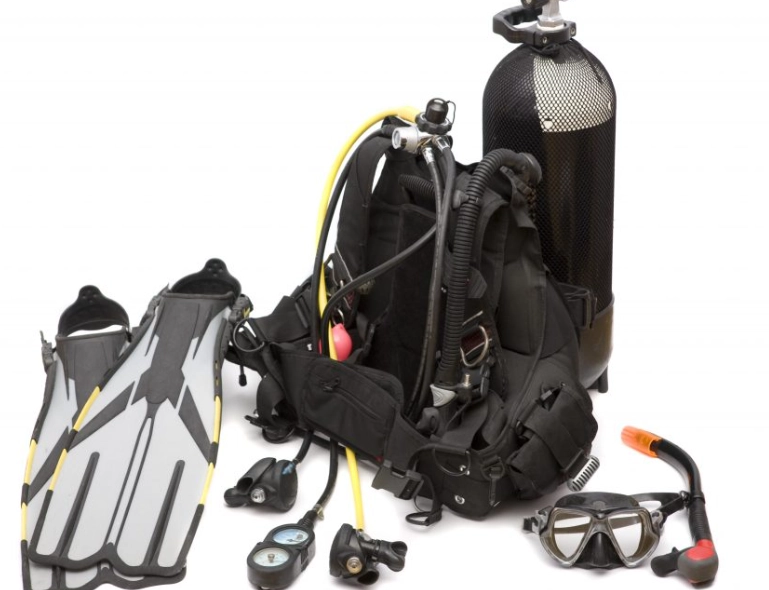




Comments