Let's cut straight to it. Your scuba diving equipment isn't just stuff you wear; it's a life support system that lets you breathe, move, and see in an environment that's utterly hostile to humans. Getting it right isn't about having the shiniest gear—it's about understanding what each piece does, how they work together, and avoiding the subtle mistakes that can turn a fun dive into a stressful one. I've been teaching and diving for over a decade, and the most common issues I see stem from a poor understanding of gear function, not from gear failure.
Your Quick Dive into Gear Essentials
The Core Gear Breakdown: Function Over Flash
Forget memorizing a catalog. Think of your kit in three systems: the breathing system, the buoyancy system, and everything else that keeps you safe and comfortable. Here’s what each piece actually does for you underwater.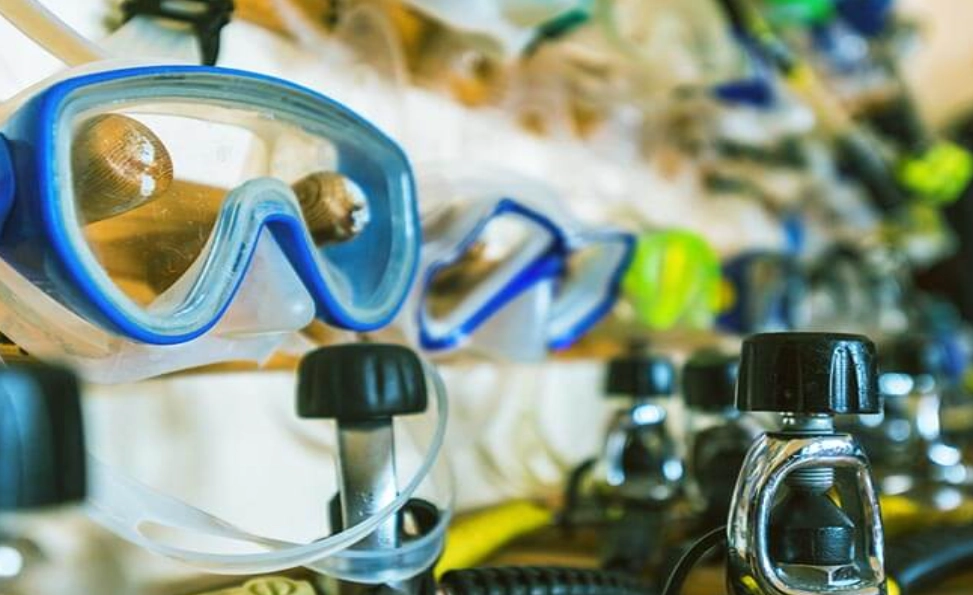
| Piece of Equipment | Primary Function | Key Detail Most Guides Miss |
|---|---|---|
| Regulator (1st & 2nd Stage) | Reduces high-pressure tank air to breathable pressure. | The first stage has different port types (HP for SPG, LP for hoses). Screwing a hose into the wrong port can cause a catastrophic failure. Always check the manual. |
| Buoyancy Compensator (BCD) | Controls your ascent/descent and provides surface flotation. | The lift capacity (e.g., 30 lbs) matters more for cold water (thick wetsuit buoyancy) and carrying multiple tanks. An undersized BCD is a safety hazard. |
| Dive Computer | Tracks depth, time, and calculates no-decompression limits. | Your computer's algorithm (like RGBM vs ZHL) is less important than your conservatism setting. Dialing it to +2 or +3 adds a crucial safety buffer most divers ignore. |
| Exposure Suit (Wetsuit/Drysuit) | Maintains body temperature and provides protection. | A 3mm wetsuit in 24°C (75°F) water might feel okay for 20 minutes, but you'll be shivering uncontrollably by 45 minutes. Always suit for the dive duration, not the initial splash. |
| Mask, Fins, Snorkel | Enables vision, propulsion, and surface breathing. | Mask fit is paramount. A leaking mask ruins dives. Test it without the strap: place it on your face, inhale slightly through your nose. It should stay suctioned without you holding it. |
| Weight System | Counters the natural buoyancy of your body and suit. | Integrated weight pockets in your BCD are convenient but can be a single point of failure. Knowing how to ditch them AND having a backup (like a weight belt) is a pro move. |
See that column on the right? That's the kind of detail you pick up after watching hundreds of students fumble with their gear. It's not in the basic manual.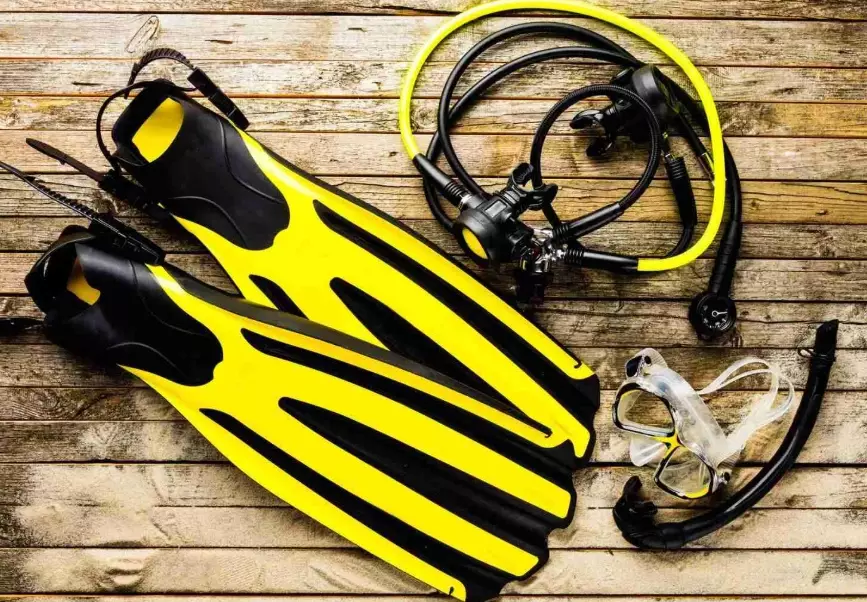
How to Assemble Your Scuba Gear Correctly (The Right Way)
I call this the "pre-dive ritual." Doing it the same way every time builds muscle memory for when you're sleepy at 6 AM or distracted on a rocking boat. Here’s my field-tested sequence.
Step 1: Tank & BCD Marriage
Lay the BCD flat, tank valve facing you. Slide the tank into the BCD band. Tighten the band snugly—the tank should not rotate or slide. Now, attach the regulator. Turn the tank valve away from you to open it slightly (a quick hiss), then close it immediately. This "crack and close" blows out any dust or water from the valve orifice before you screw in your precious first stage. Hand-tighten the regulator knob firmly. Over-tightening with a wrench can damage the O-ring.
Step 2: The Hose Dance
Route the hoses logically. The primary second stage (the one you breathe from) hose goes over your right shoulder. The SPG/console hose goes under your left armpit. The low-pressure inflator hose clips to the left-side D-ring on your BCD. This routing prevents a spaghetti mess and ensures you can find your alternate air source (octopus) without looking.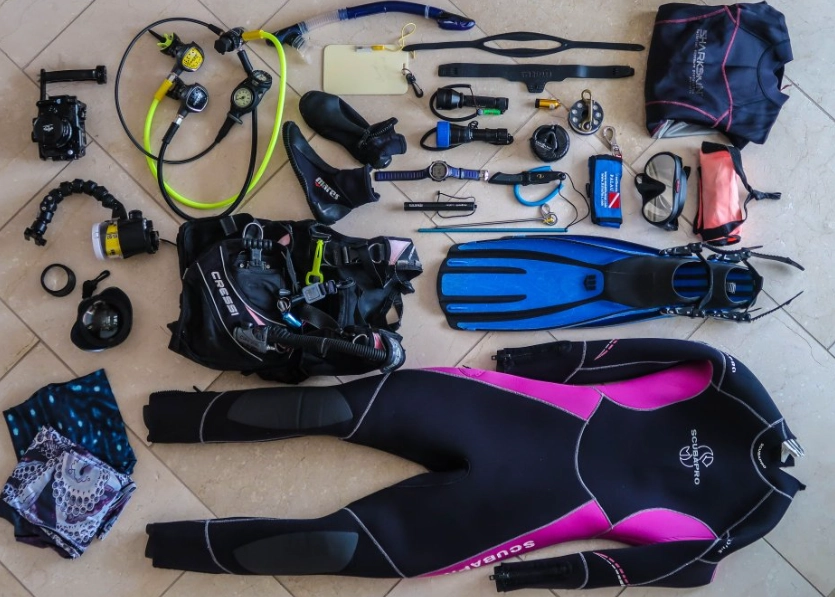
Step 3: The Systems Check
Open the tank valve fully, then turn it back a half-turn (prevents it from seizing). Take a breath from the primary regulator. It should breathe effortlessly. Press the purge button—air should flow freely. Check the SPG. Now, press the inflator and deflator buttons on your BCD. Listen for air going in and out. Look for leaks at all hose connections (hissing sound). This 90-second check catches 99% of pre-dive problems.
What is the Most Important Piece of Scuba Diving Equipment?
Most divers say the regulator because it delivers air. Others argue the BCD because it controls buoyancy. They're both wrong. The single most important piece of equipment is your dive computer.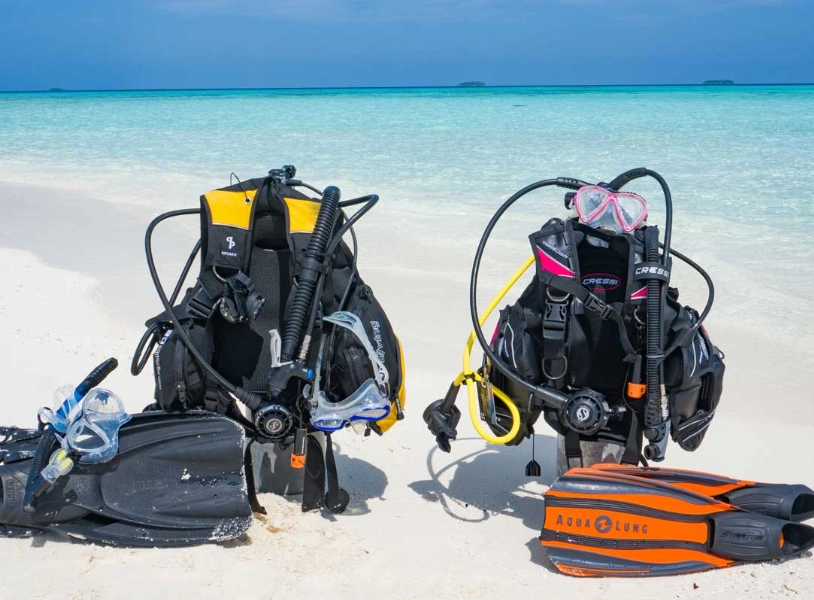
Think about it. Your regulator is a dumb, mechanical device. It will give you air until the tank is empty. Your BCD is just a bladder. But your dive computer is the brain of your operation. It's the only thing that tells you how much bottom time you have left based on a complex physiological model. Ignoring it leads to decompression sickness. A regulator failure has an immediate, obvious solution (switch to your octopus or buddy's air). A computer failure—or ignoring its warnings—has a delayed, insidious, and potentially paralyzing consequence.
I treat my computer with more reverence than anything else. I check it before I check my SPG. I plan my dive based on its most conservative setting. That little screen is the voice of reason when you're having too much fun at 30 meters.
The Realistic Guide to Buying Scuba Gear
Don't walk into a shop and buy everything at once. You'll waste money on things you don't like. Follow this phased approach.
- Phase 1: Personal Gear (Buy First) This is gear that needs to fit you perfectly. A mask that leaks is torture. Fins that cramp your feet ruin propulsion. A poorly fitting wetsuit is cold and restrictive. Budget: $200 - $500. This is your first and best investment.
- Phase 2: The Brain & Safety Gear (Buy Next) Your own dive computer and a good surface marker buoy (SMB). Owning your computer means you know its interface inside out. You're not renting a different model every trip. An SMB is non-negotiable for safety in currents or boat traffic. Budget: $300 - $800.
- Phase 3: The Life Support System (Buy When Committed) Regulator and BCD. Now you know what kind of diving you like (warm vs. cold, lots of photography gear or not). Invest in a reliable, serviceable mid-range regulator from a major brand (like Apeks, Scubapro, Atomic). For the BCD, try a back-inflation ("wing") style if you struggle with trim—it keeps you horizontal in the water. Budget: $1,000 - $2,500.
Rent tanks and weights. They're heavy, airline-unfriendly, and cheap to rent anywhere in the world.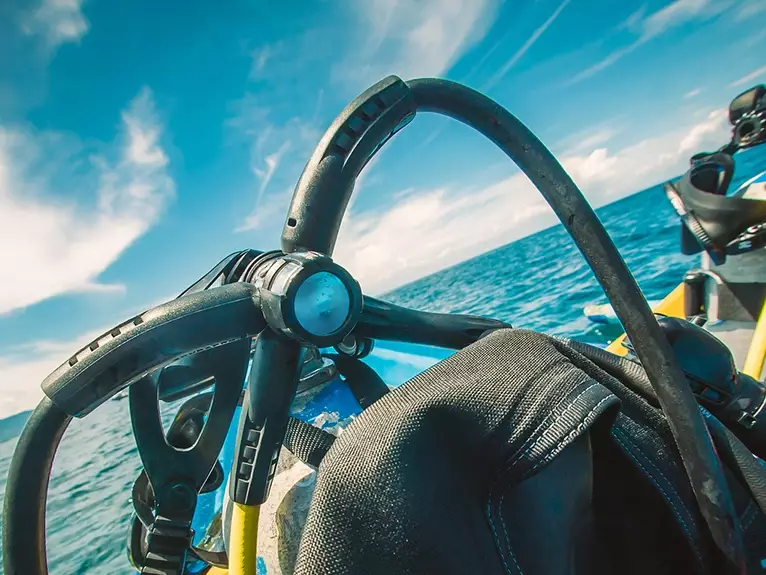
5 Common Gear Mistakes Even Experienced Divers Make
- Over-weighting. The classic error. You sink like a stone at the start, then fight your BCD the whole dive. Do a proper buoyancy check at the surface with an empty BCD and a half-breath. You should float at eye level.
- Using the BCD as an elevator button. Tiny breaths control your buoyancy. The BCD inflator is for major adjustments. If you're puffing it constantly, you're probably over-weighted.
- Not rinsing the regulator dust cap. You rinse the regulator but screw a salty, sandy cap back on. That grit gets into the first stage. Rinse the cap too, or store the reg without it in a dry, clean bag.
- Ignoring hose integrity. Check your hoses for cracks, especially where they bend near the connectors. A leaking LP hose can drain your tank in minutes.
- Diving with unfamiliar rental gear. Always do a full orientation. Where's the dump valve? How stiff is the regulator? Where's the octopus clipped? That 5-minute familiarization prevents panic.
Your Scuba Gear Questions, Answered
Should I buy all my scuba diving equipment before my first dive trip?
How often does scuba equipment need servicing?
Is rental scuba gear safe and hygienic?
What's one piece of gear I can upgrade for the biggest immediate improvement?
Do I need different equipment for cold water diving?



Comments