So you're thinking about buying your own scuba diving gear. The big question hits you right away: how much does a full set actually cost? A quick online search gives you numbers from $1,000 to over $5,000, which isn't super helpful. The truth is, the price of scuba diving equipment depends entirely on what you buy, where you buy it, and why you're buying it. I've been diving for over a decade and have made my share of expensive mistakes. Let's cut through the noise and look at real numbers, from bare-bones starter kits to high-performance setups, so you can make a smart decision with your money.
What's Inside?
The Core Gear Breakdown & Price Ranges
Forget the vague "full set" term. Let's itemize it. A personal scuba setup consists of core life-support gear and supporting accessories. Prices here are for new equipment from major retailers. The used market is a different beast we'll touch on later.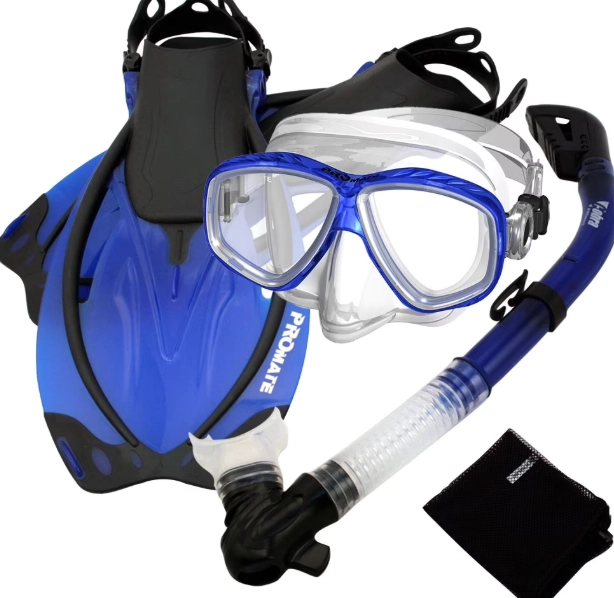
| Equipment Piece | Entry-Level Price Range | Mid-Range Price Range | High-End / Tech Price Range | Why the Price Varies |
|---|---|---|---|---|
| Regulator (1st & 2nd Stage) | $300 - $600 | $700 - $1,200 | $1,300 - $2,500+ | Breathing performance, materials (chrome vs. titanium), environmental sealing, number of ports. |
| Buoyancy Compensator (BCD) | $350 - $600 | $650 - $1,100 | $1,200 - $2,000+ | Jacket vs. back-inflate vs. wing, material durability, integrated weight systems, customization. |
| Dive Computer | $200 - $400 | $1,000 - $1,500+ | Screen type (monochrome vs. color), algorithm conservatism, air integration, tech diving features. | |
| Wetsuit (3mm Full) | $150 - $300 | $350 - $600 | $700 - $1,200+ | Material quality (standard vs. super-stretch neoprene), seams (flatlock vs. glued & blindstitched), brand. |
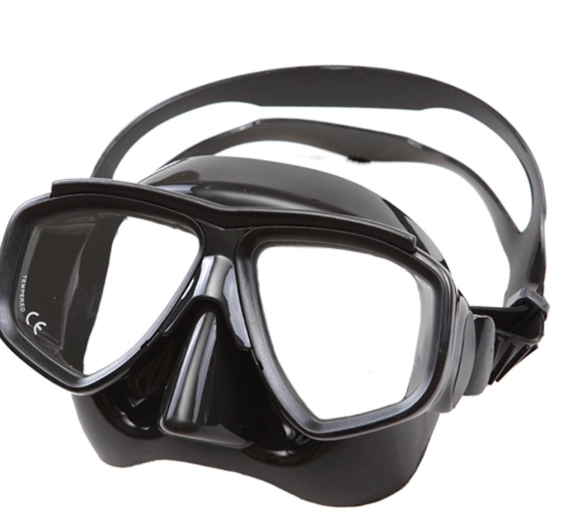
| Mask, Snorkel, Fins | $100 - $200 | $250 - $450 | $500 - $800+ | Mask fit/volume, fin material/design (jet vs. split), overall ergonomics and comfort. |
| Accessories Kit | $150 - $300 | $400 - $700 | N/A (part of system) | SPG, compass, dive light, knife/cutter, bag. Can be bought piecemeal. |
Adding the low end of each entry-level column gets you around $1,250. The high end of the mid-range column pushes you past $4,000. That's the spread.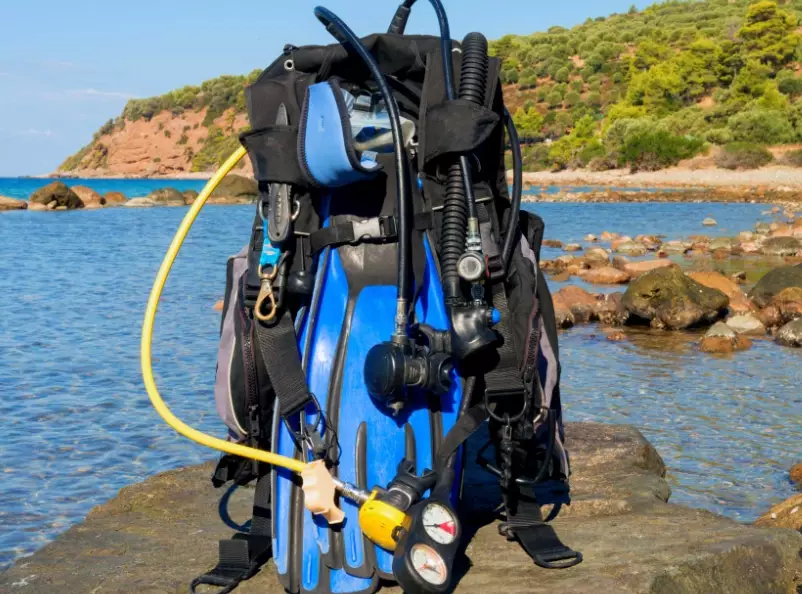
The Regulator: Don't Skimp Here
Your regulator is your lifeline. The biggest mistake I see new divers make is buying the cheapest one, thinking "air is air." A $300 regulator will work, but breathing might feel like sucking a thick milkshake through a straw when you're deep or working hard. Mid-range models from brands like Apeks, Scubapro, or Atomic Aquatics offer a noticeable difference in ease of breathing and durability. High-end models add features like environmental sealing (crucial for cold or silty water) and lighter materials. For tropical recreational diving, a solid mid-range regulator is the sweet spot.
The BCD: Fit is Everything
You wear this the entire dive. A poor-fitting BCD is miserable. Jacket-style BCDs are common in rental fleets and are cheap, but they can squeeze your torso. Back-inflate or wing-style BCDs offer better trim (your position in the water). Try them on with a tank. Many local dive shops (LDS) have demo pools for this. The price jump often pays for better balance and comfort.
Personal Take: I bought a fancy back-inflate BCD as my first piece of gear. It was overkill. I didn't have the skill to appreciate its benefits, and it took me 20 dives to feel truly comfortable in it. Sometimes, starting simpler is smarter.
Your Smart Buying Strategy: Three Budget Tiers
Instead of just looking at a list, think about your diving goals. Are you a warm-water vacation diver who does 5 trips a year? A local cold-water enthusiast? Here are three realistic package approaches.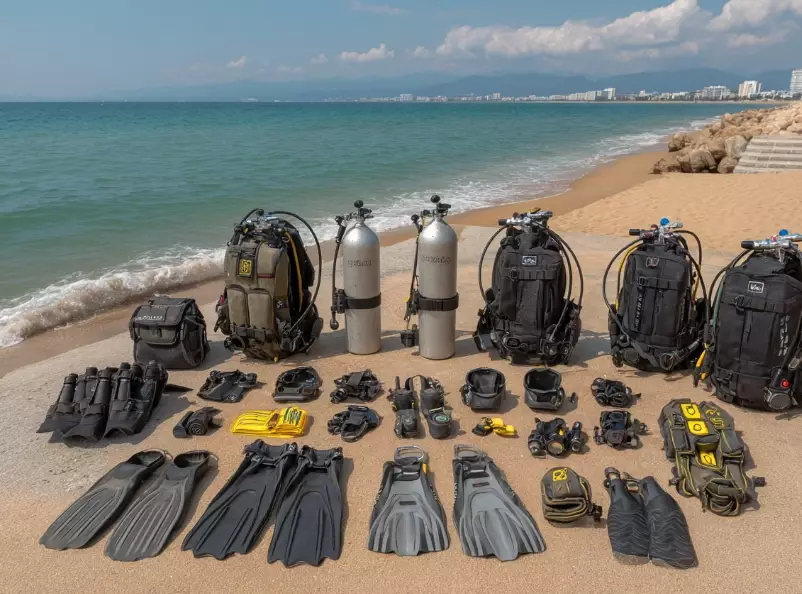
Tier 1: The Starter Set (Budget: $1,500 - $2,500)
This is for the diver who wants reliable personal gear without breaking the bank, perfect for 10-20 dives a year in warm climates.
- Goal: Own the essentials for hygiene and fit (mask, snorkel, fins, computer) and one core life-support item.
- Typical Buy: A quality mid-range dive computer (e.g., Suunto D5, Garmin Descent G1) and a solid entry-level regulator. Continue to rent the BCD and wetsuit. This gets you a computer you trust and a regulator you know the history of.
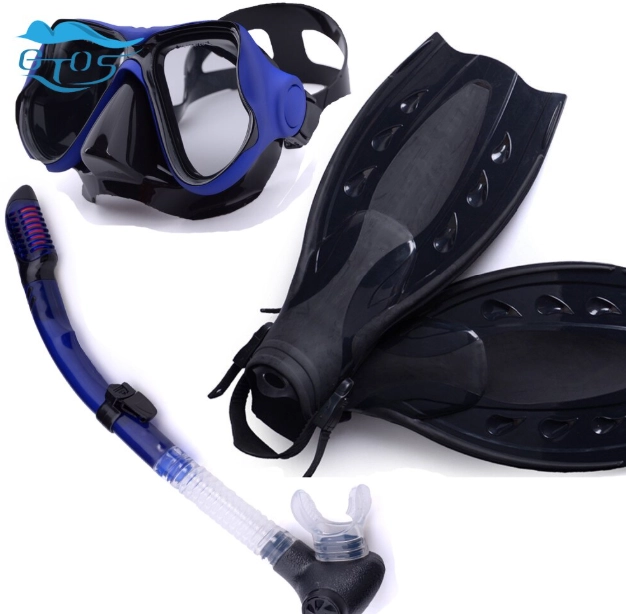
- Where to Buy: Look for package deals from online retailers like LeisurePro or Divers Supply, but always try masks and fins on at a local shop first. A $100 mask that leaks is worthless.
Tier 2: The Enthusiast's Kit (Budget: $2,800 - $4,500)
You dive regularly, maybe 30+ times a year, and want performance, comfort, and to stop paying rental fees.
- Goal: Own a complete, matched set of reliable, high-performance recreational gear.
- Typical Buy: A balanced mid-range setup. Think Aqualung Legend or Scubapro Mk25 regulator, a back-inflate BCD like the Scubapro Hydros Pro (pricey but lasts forever), a color dive computer with air integration (like the Shearwater Peregrine), and a good 3mm or 5mm wetsuit.
- Pro Tip: Buy during off-season sales (fall in the Northern Hemisphere). Many shops offer significant discounts. Building a relationship with a local dive shop can also lead to better bundle pricing and invaluable service support.
Tier 3: The Performance / Tech-Ready Set (Budget: $5,000+)
You're pushing into deeper dives, technical diving, or simply demand the best equipment money can buy.
- Goal: Equipment that supports advanced diving, offers maximum reliability, and is often customized.
- Typical Buy: A sealed, high-performance regulator (Atomic Aquatics T3, Poseidon XStream), a technical backplate and wing (BP/W) system, a full-featured tech computer (Shearwater Teric or Perdix), a drysuit, and redundant gear. Price becomes secondary to specific functionality and safety margins.
- Consideration: At this level, expert fitting and configuration are mandatory. This isn't online shopping territory.
Rent vs. Buy: The Math You Need to See
Is buying even worth it? Let's do a simple break-even analysis. Assume average rental costs per dive day: $50 for a full set (reg/BCD/computer). A conservative enthusiast's kit costs $3,500.
>$1,500/year| Scenario | Cost of Renting | Cost of Owning | Break-Even Point |
|---|---|---|---|
| 10 Dive Days/Year | $500/year | $3,500 (initial) + ~$200/year (servicing) | ~7 years |
| 20 Dive Days/Year | $1,000/year | $3,500 (initial) + ~$200/year | ~4 years |
| 30 Dive Days/Year | $3,500 (initial) + ~$200/year | ~2.5 years |
The math is clear. If you dive less than 15-20 days a year, renting is often more economical, especially when you factor in airline baggage fees for your gear. But cost isn't everything.
Why Buy Anyway? Familiarity. You know how your gear works, where every dump valve is, and its service history. The fit is perfect. It's more hygienic. For many, that comfort and confidence are worth the premium.
The Hybrid Approach: This is what I recommend to most new divers. Buy your personal gear (mask, snorkel, fins, computer, maybe a wetsuit) immediately for fit and hygiene. Rent the big-ticket items (regulator, BCD) until you've done 20-30 dives and know what you like. Then invest.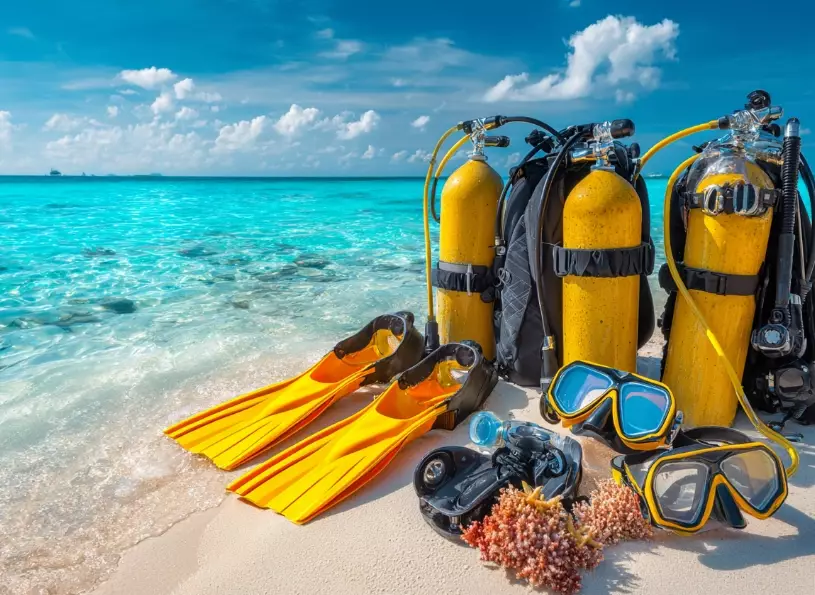
Your Scuba Gear Price Questions Answered
The final price tag for your scuba diving equipment full set isn't a single number. It's a reflection of your diving frequency, environment, and personal priorities. Start with the essentials that affect comfort and hygiene, rent to learn your preferences, and invest in quality core gear when your dive log justifies it. Smart buying beats cheap buying every time in this sport.

Comments